All posts by Sathyadeepam Weekly

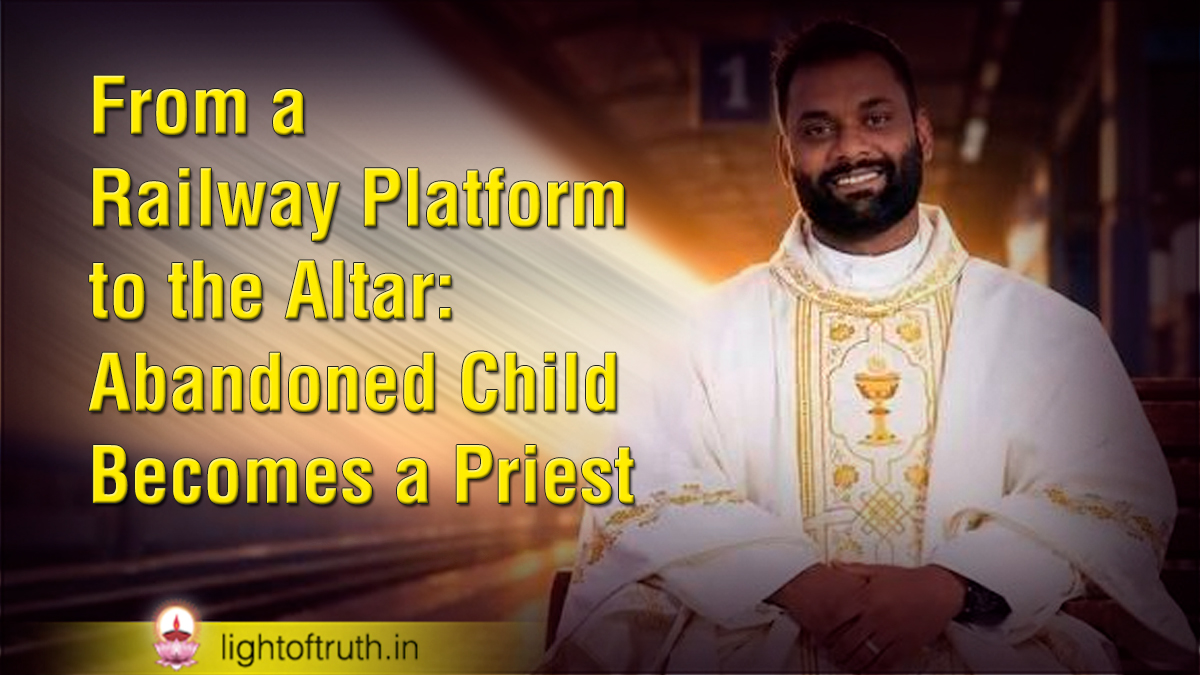
From a Railway Platform to the Altar: Abandoned Child Becomes a Priest

Twenty-eight years ago, a frightened five-year-old boy was found alone at Shoranur railway station. He had no memory of his parents or a family to return to. Today, that same child, Father Vivek Martin, has become a Catholic priest of the Diocese of Jhansi. His life is a powerful story of compassion, education, faith and vocation.

The boy, then known as Annamalai, was found by Jesus Youth member Rexy D’Cruz. The child expressed a simple wish: he wanted to study. Moved by his situation, Rexy and a group of friends took responsibility for his care after completing the necessary legal procedures.

The friends opened their homes to children in difficult circumstances. Vivek spent several years with Patrick and his wife Manu. He studied well and became a school leader in Class 10.

After completing Class 10, Vivek expressed his desire to become a priest and join a seminary. He was initially asked to wait and complete his higher secondary education. After finishing school, he again expressed the same desire, and eventually entered the seminary of the Diocese of Jhansi.

Before entering the seminary, Vivek also served as an ambulance driver and caregiver at Sneha Theeram in Aluva, which works with people affected by HIV. This experience helped him understand suffering, compassion and service more deeply.

Bishop Wilfred Moras ordained him a priest on August 16. On August 24, Father Vivek celebrated his first Holy Mass at Infant Jesus Church, Thundathinkadavu, in the Archdiocese of Verapoly. His journey shows how one act of kindness can change a child’s entire future. The child once alone on a railway platform now stands at the altar, preparing to serve others
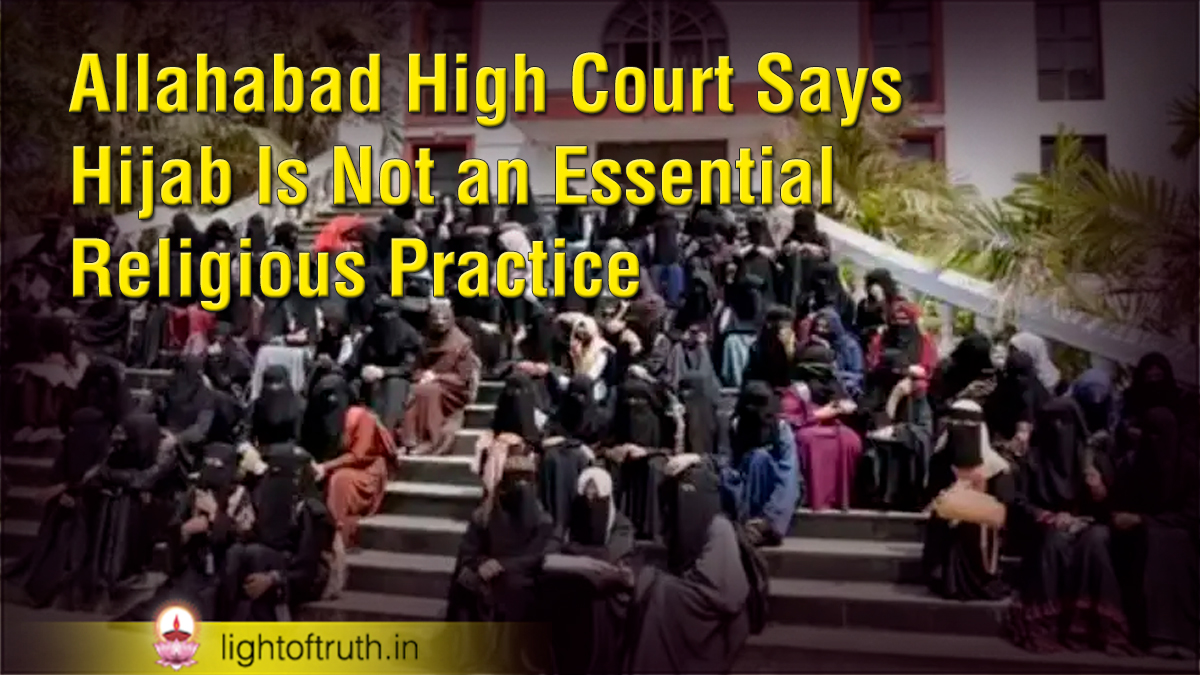

Allahabad High Court Says Hijab Is Not an Essential Religious Practice

The Allahabad High Court has ruled that wearing the hijab is not an “essential religious practice” of Islam and upheld a school’s decision to enforce its dress code. The judgment came while hearing a petition filed by a Muslim student challenging restrictions on wearing the hijab at a private school in Prayagraj, Uttar Pradesh.

The student argued that wearing the hijab was connected to her religious faith and that the school should allow her to wear it. The school, however, maintained that its uniform policy applied equally to all students and that religious clothing could not be permitted when it conflicted with the prescribed dress code.

The court examined whether wearing the hijab was an essential part of Islamic religious practice and concluded that it did not meet that legal standard. The ruling therefore allowed the school to continue enforcing its uniform requirements.

The decision comes against the background of continuing debates in India about religious freedom, educational institutions and dress codes. Questions concerning religious clothing have attracted considerable public attention, particularly in schools and colleges.

The court’s ruling does not mean that wearing the hijab is prohibited throughout India. Rather, the judgment concerns the particular school dress-code dispute and the legal question of whether the practice is constitutionally protected as an essential religious practice in that context.

The case has again raised questions about how courts should balance individual religious expression with institutional rules. Supporters of the judgment stress the importance of common school uniforms, while critics argue that students should have greater freedom to express their religious identity. The ruling is likely to remain part of the wider national discussion on religious freedom and educational regulations.

Carmelite Nuns Help Taxi Drivers Build a Stronger Community

A unique initiative led by Catholic Carmelite nuns is helping taxi and auto-rickshaw drivers in Kerala receive financial, emotional and social support. The initiative, known as Sarathi Helpline for Drivers, brings together drivers from different religious communities.

The program began in 2016 in Thiruvambady, Kozhikode district. It was started after a nun noticed the important but often overlooked role played by taxi drivers in society. Drivers frequently work long hours, earn irregular incomes and have limited social security.

One driver, Sudheesh V. Sreeram, experienced this difficulty when he became seriously ill after working as a driver for 25 years. Doctors advised him to undergo a pacemaker implantation, but he had no savings to meet the medical expenses. Members of Sarathi visited his home and helped him through an interest-free loan.

Today, Sarathi has more than 100 members in eight units in Kozhikode and Malappuram. The organization also has units in other parts of India. It encourages drivers to save money, support one another and live responsibly.

Members meet regularly, contribute small amounts to a common fund and help one another during emergencies. The program also provides counseling, awareness classes, family gatherings and other activities.

The initiative does not distinguish between Christians, Hindus and Muslims. Its main goal is the welfare of drivers and their families.

The nuns also encourage drivers to become more responsible citizens by participating in activities such as cleaning public spaces, visiting palliative-care centers and planting trees. For many members, the greatest benefit is not financial assistance but the feeling that someone will stand with them during difficult times

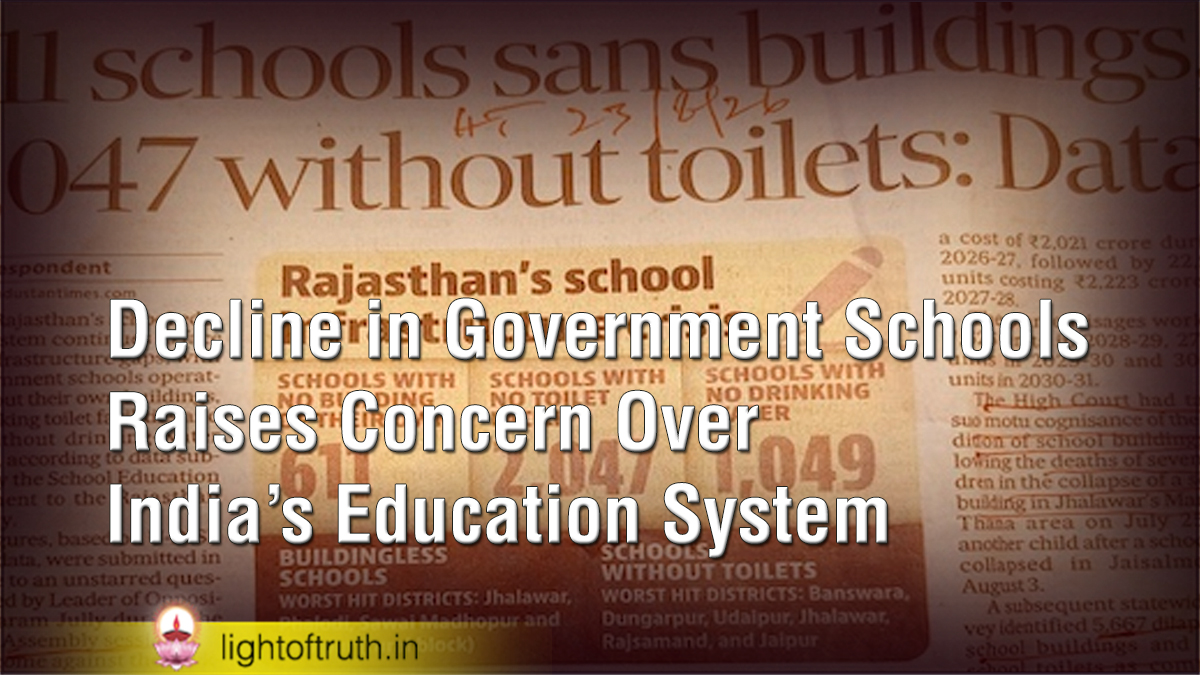
Decline in Government Schools Raises Concern Over India’s Education System

India’s education system is facing serious challenges, with a large number of government and government-aided schools reportedly closing in recent years. The issue has raised concerns about access to education, school infrastructure and the future of millions of children.

According to figures discussed in a recent report, around 84,000 government or government-aided schools have closed since 2018-19. This means an average of about 12,000 schools every year. Around 15 million students have reportedly left these schools during the same period.

Several states, including Uttar Pradesh, Bihar, Madhya Pradesh, Rajasthan, Jharkhand, Chhattisgarh, West Bengal and Andhra Pradesh, have experienced significant declines. At the same time, states such as Kerala, Tamil Nadu, Delhi, Punjab and Gujarat have performed comparatively better in retaining students in government schools.

The condition of school buildings is another major concern. In Rajasthan, government data reportedly showed that hundreds of schools did not have their own buildings, while thousands lacked toilets or proper drinking-water facilities.

The condition became particularly serious after seven schoolchildren died in a building collapse in Jhalawar district. Following the tragedy, the Rajasthan High Court took suo motu notice of the condition of government school buildings. A state survey reportedly identified thousands of damaged school buildings and toilets.

The situation highlights the need for greater attention to public education. Schools require safe buildings, clean toilets, drinking water, adequate teachers and proper learning facilities. Education is not simply a government service. It is an investment in children and in the future of the country. The present situation calls for stronger public attention and urgent action to ensure that every child receives safe and quality education

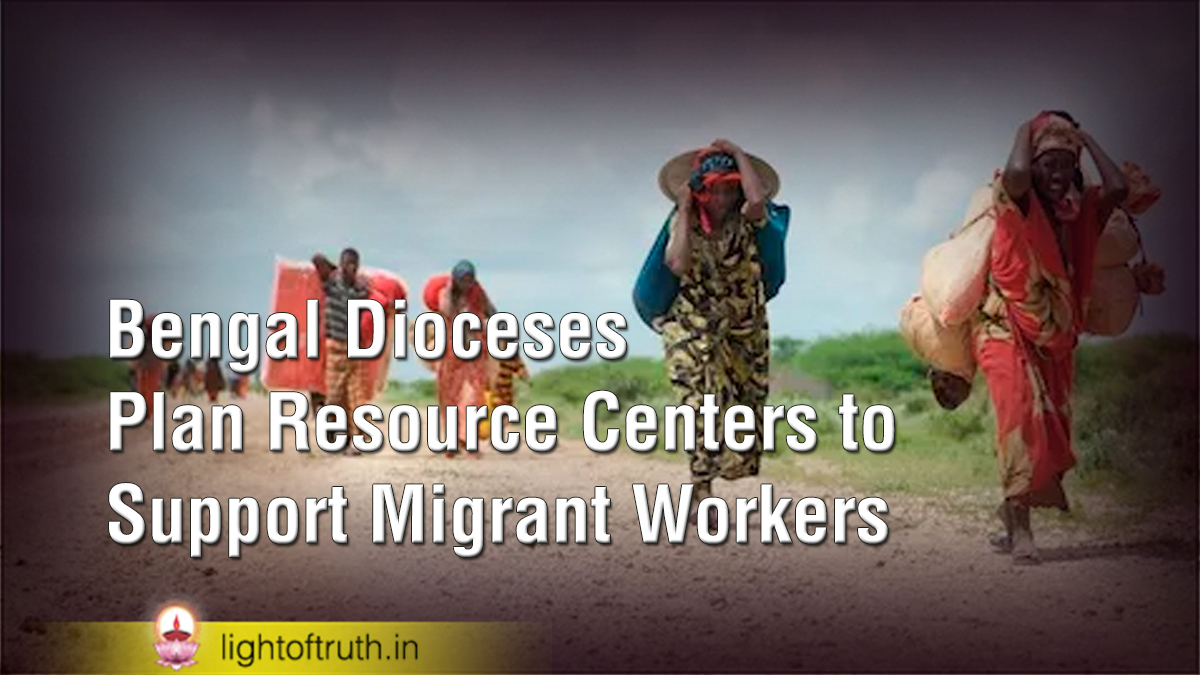
Bengal Dioceses Plan Resource Centers to Support Migrant Workers

Catholic dioceses in Bengal and Sikkim are planning to establish Migrant Resource Centers to support migrant workers across the region. The decision was taken during a two-day regional workshop held in Burdwan on August 24 and 25.

Around 50 participants from eight dioceses attended the workshop. They included priests, religious sisters, lay people and representatives of Church-based social organizations. The meeting focused on the theme of walking together with migrants and finding practical ways to protect their rights and dignity.

The proposed centers will help migrants understand their legal rights, access government welfare schemes and receive assistance during emergencies. Participants also discussed the problems faced by workers who leave their homes in search of employment in other parts of India.

The workshop highlighted the importance of awareness about labour laws, wages, working conditions and social security. Participants were also encouraged to help migrant workers register on the e-Shram portal of the Government of India.

The Church also plans to improve cooperation between dioceses. Migrants moving to a new place could receive a contact number of the local diocese so that they can seek help when facing difficulties.

The initiative is being supported by the CCBI Commission for Migrants. Bishop Paul Simmick of Bagdogra encouraged dioceses to establish resource centers and strengthen pastoral care for migrants and their families. The initiative follows the approach promoted by Pope Francis: welcoming, protecting, promoting and integrating migrants. The Church hopes that cooperation among dioceses, religious congregations, parishes and social organizations will make migrant workers feel safer and more supported wherever they live and work.

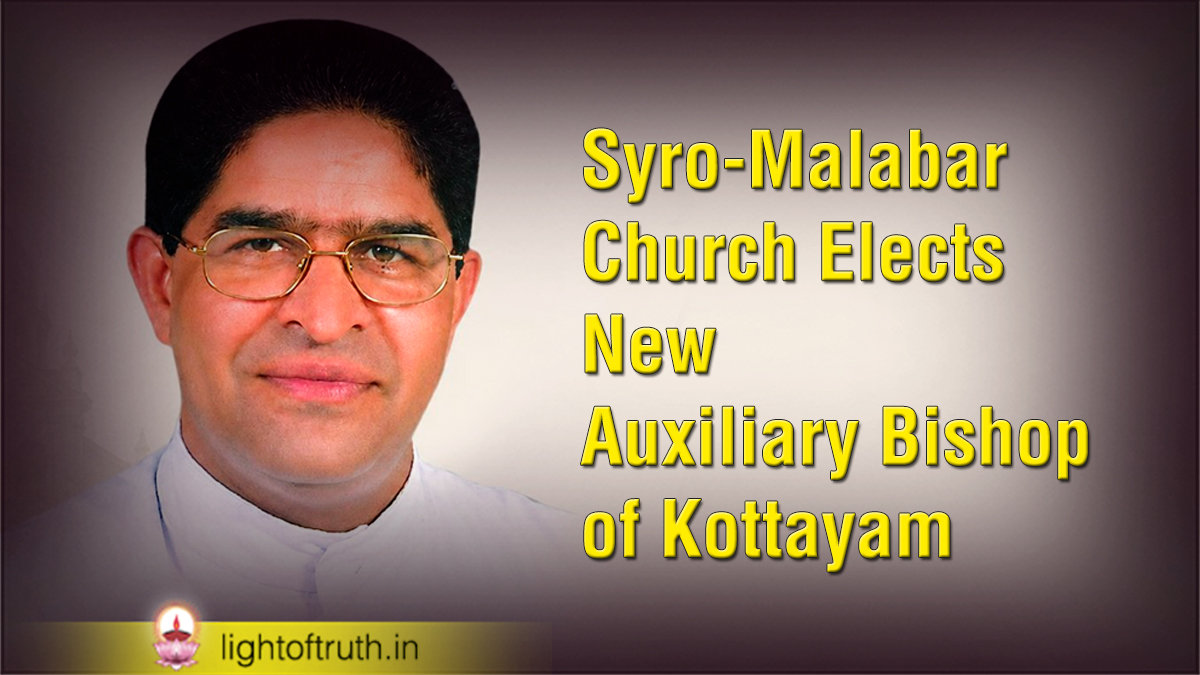
Syro-Malabar Church Elects New Auxiliary Bishop of Kottayam

The Syro-Malabar Church has elected Father Thomas Animoottil as the new auxiliary bishop of the Archeparchy of Kottayam. The election was made by the Synod of the Syro-Malabar Major Archiepiscopal Church with the prior assent of Pope Leo XIV. His appointment was officially announced on August 27, 2026.

Bishop-elect Thomas Animoottil is 64 years old and was born on January 13, 1962, in Payyavoor, Kerala. He completed his early education in Kerala and later pursued higher studies in Mysore. He entered St. Stanislaus Minor Seminary in Kottayam and continued his philosophical and theological studies at St. Joseph’s Seminary in Mangalore.

He was ordained a priest on April 13, 1989. Later, he obtained a licentiate in Canon Law from the Pontifical University of the Holy Cross in Rome in 1993.

During his priestly ministry, Father Animoottil served in several important pastoral and administrative positions. He worked as parish priest of Pulinjal and also served as secretary to the eparchial bishop, eparchial chancellor, pastoral council secretary and vicar forane. Between 2003 and 2008, he carried out pastoral ministry in the United States.

Since 2025, he has been serving as pro-protosyncellus of the Archeparchy of Kottayam.

His election is expected to strengthen the pastoral and administrative ministry of the Archeparchy. The faithful of Kottayam and the wider Syro-Malabar community are now looking forward to his episcopal ministry and leadership.

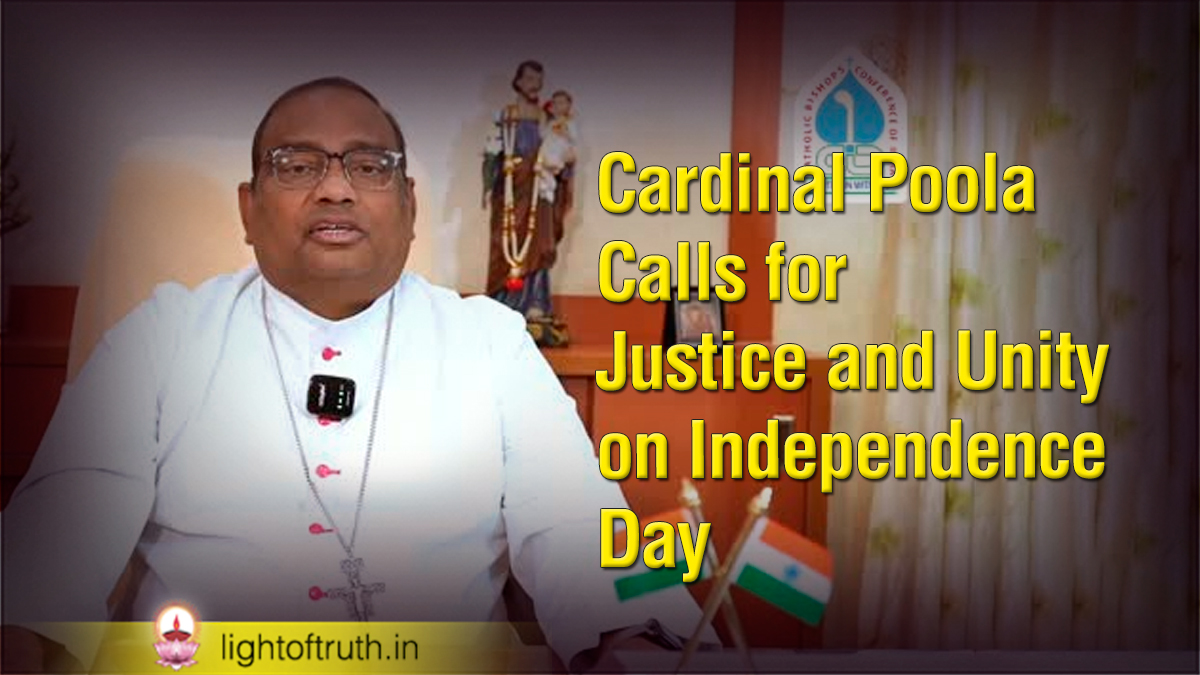
Cardinal Poola Calls for Justice and Unity on Independence Day

Cardinal Anthony Poola, president of the Catholic Bishops’ Conference of India, has called on Indians to protect freedom, justice and equality as the country celebrated Independence Day on August 15.

In his Independence Day message, Cardinal Poola reminded citizens that India is a sovereign, socialist, secular and democratic republic. He said that the freedom achieved by the nation’s founders should lead to greater humanity, justice, equality and care for poor and marginalized people.

The Cardinal also expressed concern about incidents of violence and intimidation against Christians. He stressed that every citizen should have the freedom to live, worship and serve without fear. He urged the authorities to protect the constitutional rights and freedoms of all citizens.

The message also raised concerns about a proposed amendment to the Foreign Contribution Regulation Act. Cardinal Poola called for the proposed legislation to be withdrawn, expressing concern that it could affect charitable organizations working in areas such as education, healthcare and humanitarian service.

He appealed to citizens to remember that India’s strength lies in its diversity. Religious, cultural and social differences, he said, should not become reasons for division.

Independence Day, therefore, should not be seen only as a celebration of the country’s freedom from colonial rule. It should also be an opportunity to examine whether freedom and equality are experienced by all sections of society.

Cardinal Poola called for renewed commitment to an India where freedom is respected, diversity is celebrated and every person can live with dignity and security.

His message placed justice, equality, constitutional values and unity at the center of the Independence Day celebrations.

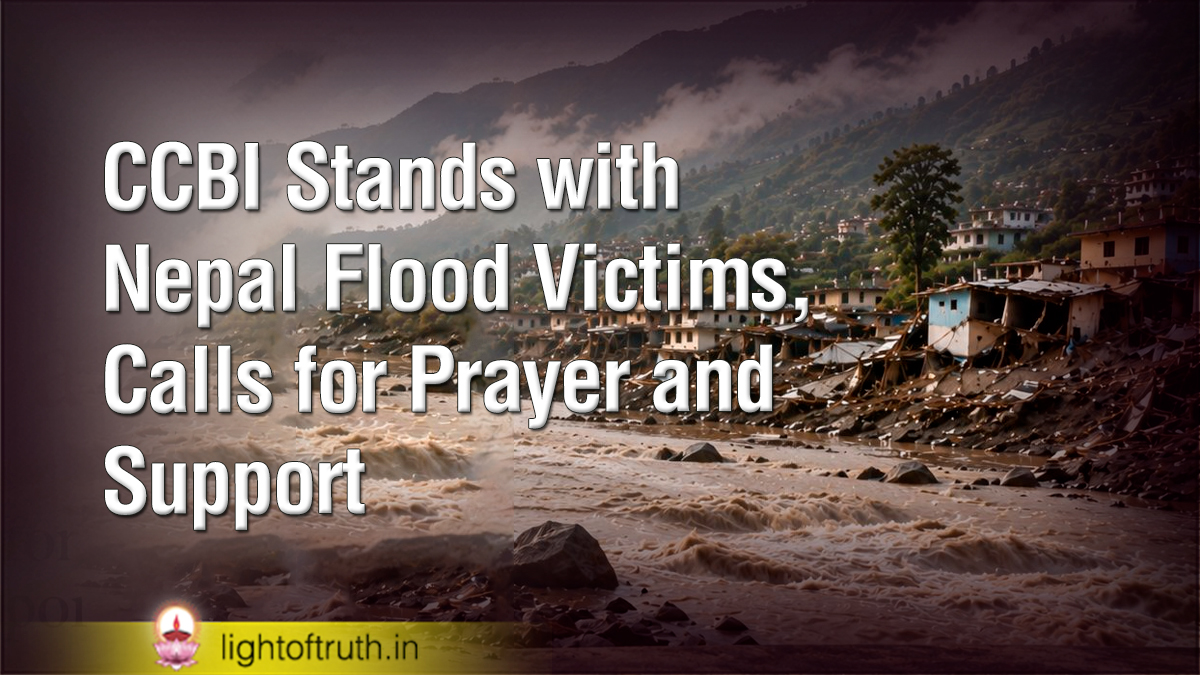
CCBI Stands with Nepal Flood Victims, Calls for Prayer and Support

The Conference of Catholic Bishops of India (CCBI) has expressed deep sorrow and solidarity with the victims of devastating floods and landslides in the Nepal-China border region. The disaster has caused deaths, injuries and major losses to homes and livelihoods.

In a statement issued on August 28, the CCBI joined Pope Leo XIV in offering prayers and condolences to families who have lost loved ones. It also expressed concern for people who have been injured, displaced or left without their means of livelihood.

The CCBI said that the Catholic Church in India stands with the affected communities during this difficult time. Cardinal Filipe Neri Ferrão, President of the CCBI, appealed to bishops, priests, religious congregations, Church institutions, the faithful and all people of goodwill to respond with prayer, compassion and practical support.

The bishops particularly asked people to pray for those who have died in the disaster and for families who are mourning their loved ones. They also remembered those who have been injured and those who have lost their homes and possessions.

Special prayers were offered for the safety of rescue and relief workers who are working in difficult conditions to reach affected communities.

The CCBI encouraged everyone to respond according to their ability. This includes prayer as well as practical acts of solidarity and assistance for people affected by the disaster.

The Church’s response reflects its call to stand with people during times of suffering, regardless of their religion, nationality or background. As Nepal continues to face the effects of the floods and landslides, the CCBI has called for continued prayer, compassion and support for the victims, their families and all those involved in relief efforts.

Indian Court Rejects Plea Against Removal of Mosque Loudspeakers

An Indian court has rejected a petition challenging the removal of loudspeakers from mosques, allowing authorities to continue enforcing restrictions on the use of loudspeakers at religious places. The case is part of a wider debate in India about religious freedom, public noise and the rights of different communities.

Authorities had taken action against loudspeakers being used at religious institutions as part of efforts to control noise levels. Reports said that thousands of loudspeakers had been removed from different religious places, including mosques.

The petition challenged the removal of loudspeakers from mosques and sought legal protection for their continued use. The court, however, declined to interfere with the authorities’ action.

The issue has generated discussion because loudspeakers are used by different religious communities for prayers, announcements and other religious activities. At the same time, excessive noise can affect people living near places of worship, particularly during early morning and late-night hours.

The court’s decision highlights the principle that religious practices are subject to reasonable regulation when they affect public order, health or the rights of other citizens. The ruling does not prevent people from practicing their religion; rather, it supports regulations concerning the use of sound-amplifying equipment.

The controversy also raises the question of whether rules should be applied equally to all religious institutions. A consistent approach is important if regulations are to be accepted as fair by different communities.

The judgment comes amid continuing efforts by authorities to enforce noise regulations at places of worship and other public locations. The case demonstrates the challenge of balancing religious freedom with the right of citizens to live without excessive noise. It also underlines the importance of applying public regulations fairly and consistently, regardless of the religious community involved.

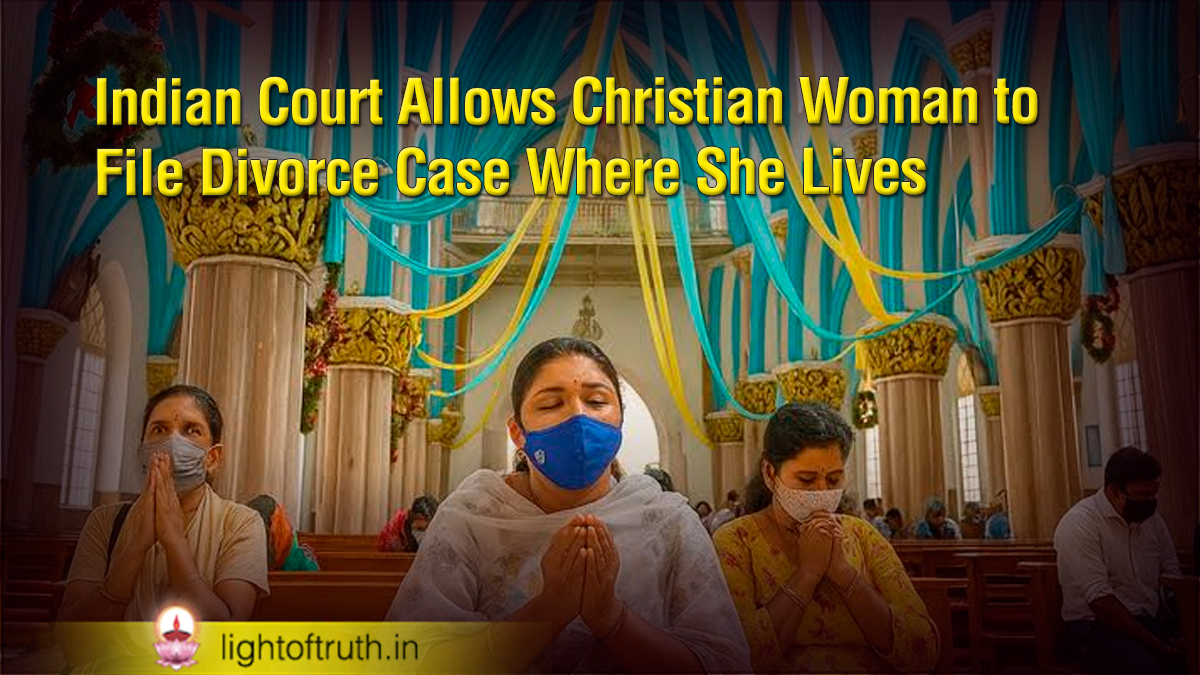
Indian Court Allows Christian Woman to File Divorce Case Where She Lives

An Indian court has ruled that a Christian woman can file a divorce petition in the place where she currently lives, giving greater access to justice for Christian women seeking to end a marriage. The decision addresses restrictions created by an old colonial-era law that had made divorce proceedings more difficult for some Christian women.

Under the earlier legal arrangement, Christian women were required to approach a court connected with the place where their marriage was solemnized or where they had lived with their husband. This could create serious difficulties, especially for women who had moved to another city or state after separation.

The court’s ruling recognizes the practical difficulties faced by women who may no longer live near the place where their marriage took place. Allowing them to approach a court where they currently reside can make legal proceedings more accessible.

The issue is particularly important in cases involving separation, domestic difficulties and financial hardship. Travelling long distances to another court can increase the emotional and financial burden on a person already facing problems within a marriage.

The decision also highlights the need to interpret older laws in a way that takes present-day realities into account. Laws governing marriage and divorce must provide meaningful access to justice rather than create unnecessary barriers.

The ruling is significant for Christian women because it can make the legal process more convenient and accessible. It does not change the basic legal requirements for obtaining a divorce, but it changes where such proceedings can be initiated.

The decision has been welcomed as a step toward removing an outdated procedural barrier. It also draws attention to the broader need to ensure that women, regardless of their religious background, have reasonable and practical access to courts when seeking legal remedies. For Christian women facing marital breakdown, the ruling could reduce one important obstacle in approaching the justice system.