Consistory to reflect on Church’s mission to communicate God’s love

In a letter to the Cardinals ahead of a late-June Consistory, Pope Leo XIV calls for a deeper reflection on the themes of “Evangelii gaudium,” particularly the reform of the processes of Christian initiation, warning against the temptation of proselytism or a logic of “mere preservation or institutional expansion.”

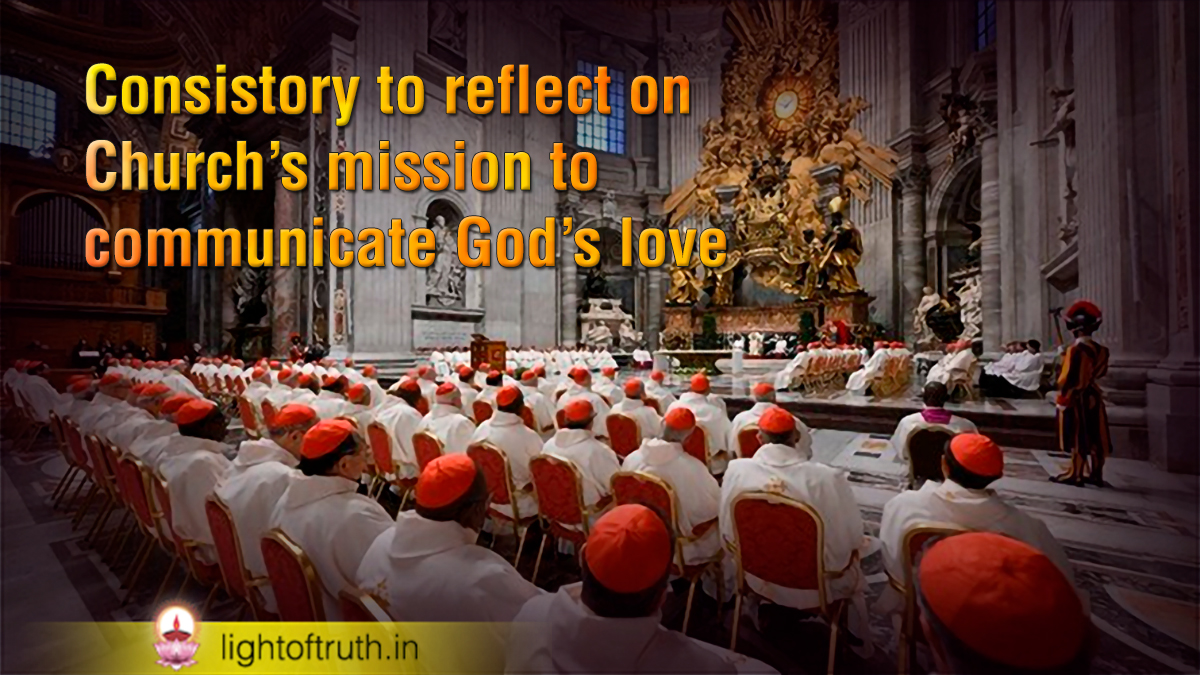
File photo of Holy Mass with Cardinals participating in Consistory on 8 January
The mission of the Church “is not its own survival, but the communication of the love with which God loves the world.” This was the message at the heart of Pope Leo XIV’s letter to the Cardinals for the Extraordinary Consistory.

The Consistory will take place in the Vatican on June 26 and 27, shortly before the Solemnity of Saints Peter and Paul, and will conclude with a Eucharistic celebration presided over by Pope Leo XIV. The Pope had announced the assembly at the end of the Consistory held on January 7–8.

Pope Leo points to Pope Francis’ Apostolic Exhortation, Evangelii gaudium, as a continuing point of reference for the Church’s life and mission. He notes that it “refocuses everything on the kerygma as the heart of Christian and ecclesial identity” and describes it as “a ‘breath of fresh air,’ capable of initiating processes of pastoral and missionary conversion.”

The Pope outlines how this perspective calls the Church to renewal on multiple levels. On a personal level, it calls every baptized person “to renew their encounter with Christ, moving from a faith merely received to a faith truly experienced and lived.”

At the community level, it calls for “a shift from a pastoral approach focused on maintenance to a missionary pastoral approach,” in which communities become “living agents of the proclamation,” marked by attention to relationships and openness to accompaniment and healing.

At the diocesan level, the responsibility of pastors is highlighted, ensuring that missionary dynamism is not “weighed down or stifled by organizational impediments” while fostering discernment focused on what is essential.

From these reflections emerges a unified understanding of mission. The Pope describes it as “Christ-centred and kerygmatic,” born from an encounter capable of transforming lives and spreading “through attraction rather than conquest.”

He notes that this mission “conjoins explicit proclamation, witness, commitment, and dialogue,” while avoiding “the temptation of proselytism” and “a logic of mere institutional preservation or expansion.”
Even in contexts where the Church may be a minority, he writes that she is called to live “as a small flock bringing hope to all.”

Looking ahead, the Pope highlights several areas for further reflection. He calls for an honest assessment of what has been received from Evangelii gaudium over time, noting that some aspects remain “unknown and unimplemented.” Among the priorities he identifies are the reform of processes of Christian initiation, the renewed value of apostolic and pastoral visits, and the need “to review the effectiveness of ecclesial communication, including at the level of the Holy See, in a more clearly missionary key.”
[Vatican News]
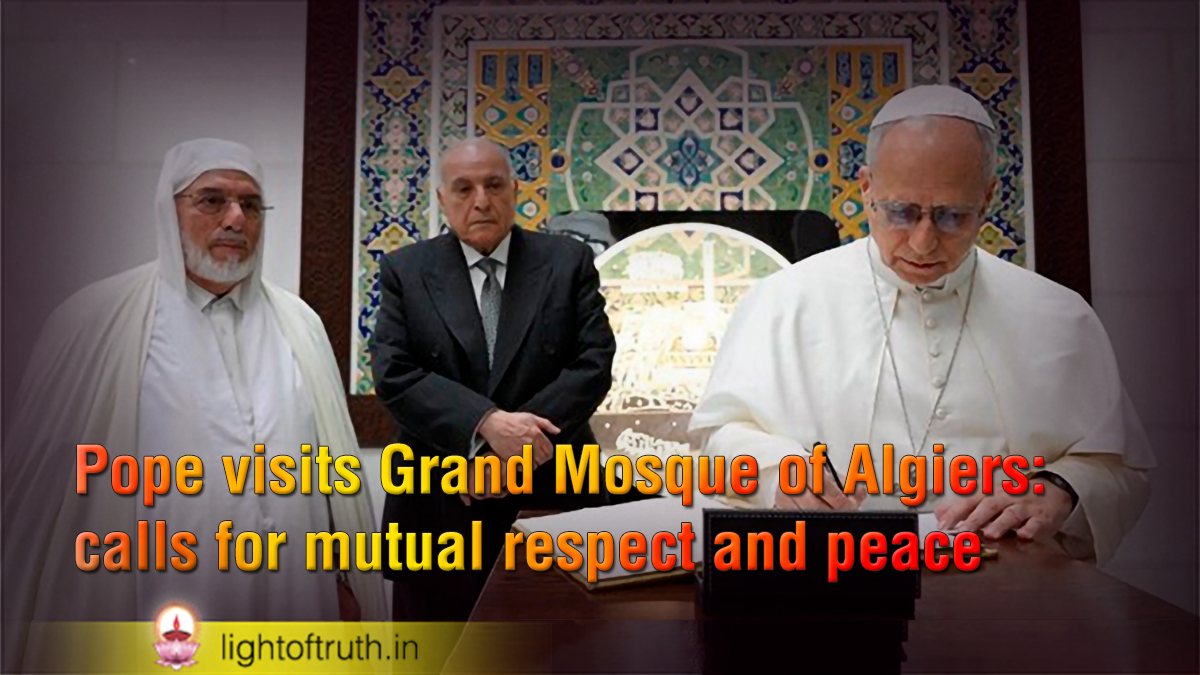
Pope visits Grand Mosque of Algiers: calls for mutual respect and peace

Pope Leo XIV visited the Grand Mosque of Algiers, highlighting its role as a sacred space for prayer, dialogue, and the search for God.

Pope Leo XIV in his apostolic journey to Africa visited the Grand Mosque of Algiers, where he highlighted the site’s spiritual significance and paused in silent meditation.

Welcomed by the Rector of the Mosque, Mohamed Mamoun al Qasim who offered words of fraternity, the Pope said “I thank you for these reflections and for these important words during this visit, from a place that represents the space that belongs to God, a divine and sacred space, where many people come to pray and to seek the presence of the Most High in their lives.”

He went on to recall his personal link to the country through Augustine of Hippo, describing Algeria as “the land of my spiritual father,” and highlighted themes central to his address: the search for truth, the recognition of the dignity of every human being, and the shared responsibility to build peace. “To seek God,” he said, “also means recognising the image of God in every man and woman,” and he said that such recognition calls for mutual respect and coexistence.

He assured prayers for the people of Algeria and for all nations, expressing hope that peace, justice, reconciliation and forgiveness would grow among peoples. During his visit, the Pope was accompanied by Cardinals George Jacob Koovakad, Prefect of the Dicastery for Interreligious Dialogue and Jean-Paul Vesco, Archbishop of Algiers. The programme included a guided visit to the mosque, an official photograph and the signing of the Book of Honour in which the Pope wrote. “May the mercy of the Most High keep the noble Algerian people and the entire human family in peace and freedom.”

The Grand Mosque of Algiers was commissioned by former Algerian President, Abdelaziz Bouteflika, as part of his vision of moderate religiosity. It is the third-largest mosque in the world, capable of accommodating up to 120,000 worshippers. The Mosque’s minaret reaches a height of 267 meters, making it the tallest in the world, while the main prayer hall is surmounted by a large dome, 50 meters in diameter and 70 meters high, whose exterior combines stone decorative elements with golden aluminium panels that create a visual effect that reflects traditional Arab artistic motifs while maintaining a sense of lightness.

Beyond its role as a place of worship, the mosque complex integrates a wide range of cultural and academic functions. It includes a library, research centre, museums, administrative offices, gardens, panoramic terraces, restaurants and parking facilities, positioning it as both a religious and civic landmark.

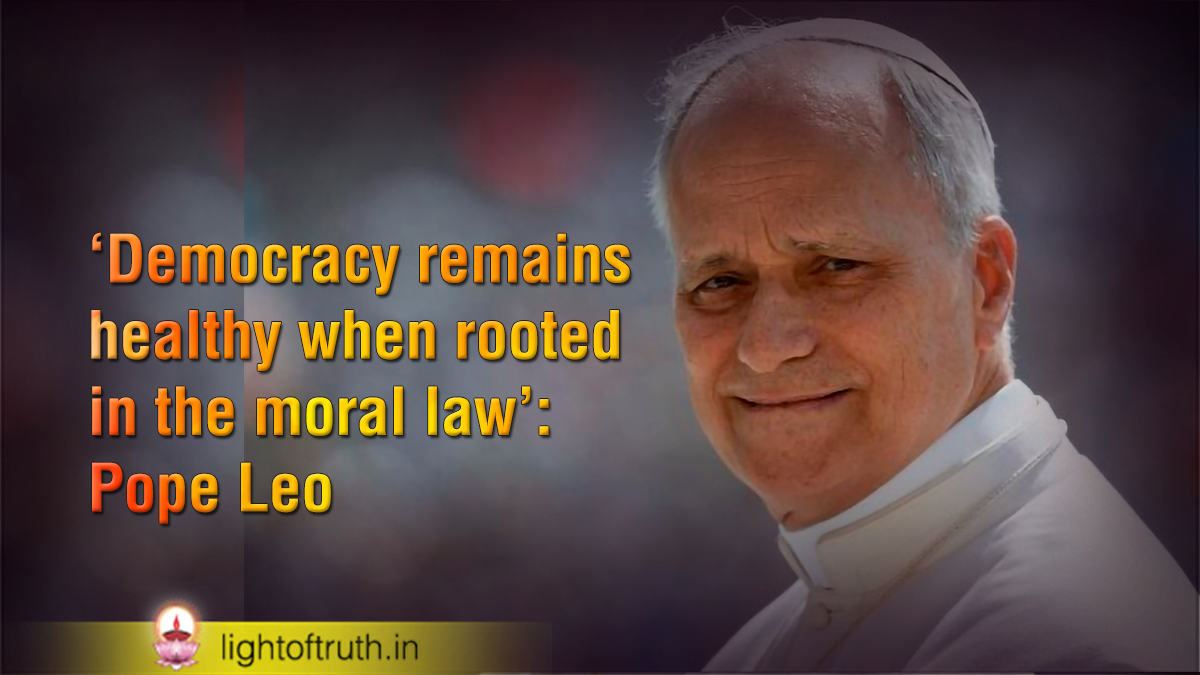
‘Democracy remains healthy when rootedin the moral law’: Pope Leo

Pope Leo XIV, in a profound message addressed to the Pontifical Academy of Social Sciences, emphasizes that the health of a democracy is inextricably linked to its roots in moral law and a proper vision of human dignity. He warns that when these foundations are absent, democratic structures are vulnerable to becoming either a tyranny of the majority or a thin veil for the dominance of a few technological and economic elites. This concern is underscored by the current global climate, where the concentration of military, economic, and technological power in limited hands threatens to undermine both individual participation and international concord. The Pope clarifies that Catholic social teaching views power not as a goal to be pursued for its own sake, but as a vital instrument ordered toward the realization of the common good. Consequently, the legitimacy of any ruling authority is not found in the accumulation of material strength, but in the wisdom and virtue with which that power is exercised.

Wisdom is presented as the essential faculty for discerning true goodness over the illusions of vainglory, and it is described as being inseparable from the moral virtues that drive the desire to serve others. Among these virtues, justice and fortitude are highlighted as indispensable for the effective implementation of sound decisions, while temperance is identified as a crucial guardrail against the inordinate self-exaltation that leads to the abuse of power. Authentic democracy, in this light, is far more than a mere administrative procedure; it is a system that recognizes the inherent dignity of every person and calls for responsible civic participation. Drawing on the legacy of Pope Saint John Paul II, the message reaffirms that democracy provides the necessary mechanisms for electing, holding accountable, and peacefully replacing governing bodies. In times of global instability, where earthly powers may threaten the tranquility of order, the Pope points toward the Kingdom of God as a source of eschatological hope. He reminds the faithful that divine power is defined by mercy and restoration rather than domination, providing a spiritual template for an international order that truly serves the human family. Ultimately, he expresses hope that the session’s reflections will yield insights for clarifying the legitimate uses of power and the criteria of an authentic democracy that builds lasting peace.

Pope Leo XIV in Africa: After the Visit

Pope Leo XIV is back at the Vatican after a busy 11-day trip, visiting four countries in the African continent. The pastoral visits, and the press conferences give us new insights into how the pope sees his role in the world and in the church.

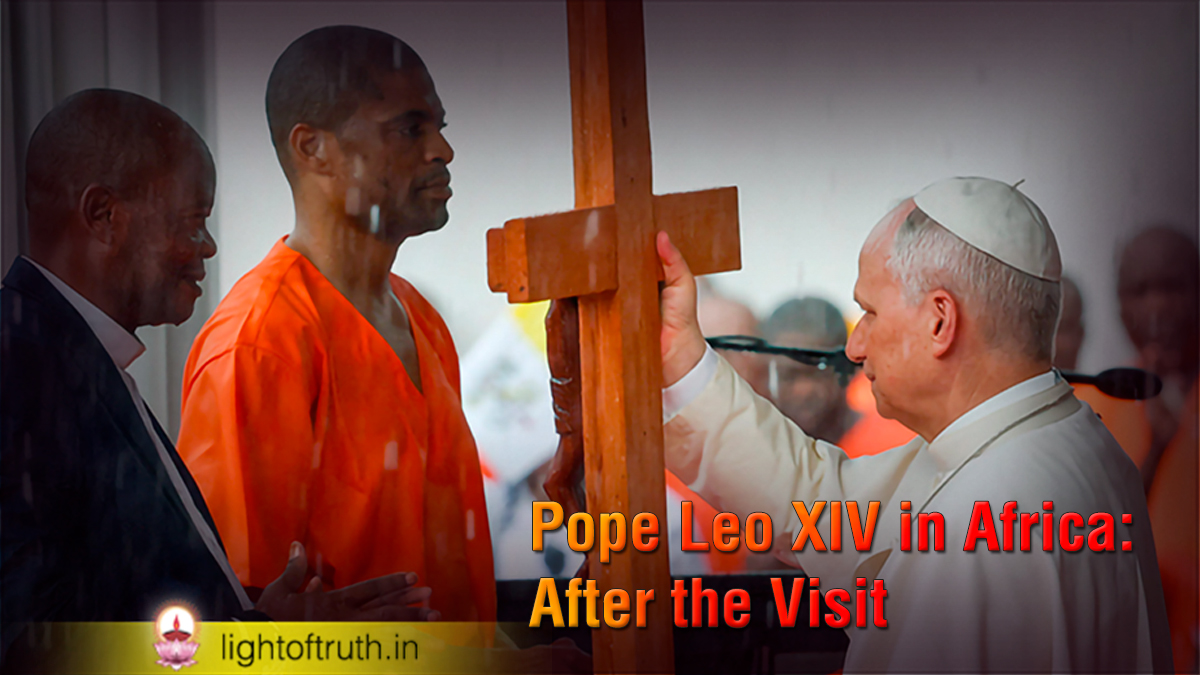
First, many people were concerned that the four countries pope Leo visited – Algeria, Cameroon, Angola and Equatorial Guinea = all possess governments that have been criticized as authoritarian. The government of Equatorial Guinea actually has an agreement with the Trump administration to take in deportees in exchange for cash. Pope Leo was repeatedly speaking on the justice to be practised by the civil authorities. He went to the port city of Bata to visit the inmates at one of Equatorial Guinea’s most notorious prisons. “You are not alone. Your families love you and are waiting for you. Many people outside these walls are praying for you,” Leo told the inmates, speaking in Spanish. “If any of you fear being abandoned by everyone, know that God will never abandon you, and that the church will stand by your side.”

Papal visits to prisons are always among the most emotional. Almost no one in our society imitates the Lord Jesus who announced in the Gospel of Luke that his ministry included preaching liberty to captives. Except our clergy, and pope one of the greatest examples. His visit to the prison, and his words about the church’s ongoing work for justice, indicated that his heart, like Francis’ – and Benedict XVI’s, and John Paul II’s and Paul VI’s, and John XXIII’s – is with the imprisoned, and that the Gospel reaches to these truly marginalized, incarcerated persons.

Second, as expected, Leo’s Augustinian roots were on display at several points in the trip, most obviously when he visited Algeria where St Augustine lived and served as a bishop. His Augustinian framing also shone in his speech to the students and faculty at the Catholic University of Central Africa: “No society, in fact, can flourish unless it is grounded in upright consciences, formed in the truth. In this sense, the motto of your university – “In the service of truth and justice” – reminds you that the human conscience, understood as the inner sanctuary where men and women discover themselves drawn by the voice of God, is the very ground upon which just and stable foundations for every society must be laid”…

The third part of the trip that revealed Leo to the world, and not just to Africa, was the renewed missionary vigour that emerged from his interaction with the crowds and the different groups of people.

Asked about visiting authoritarian regimes at the final press conference, Pope Leo said: “We are actually trying to find a way to apply the Gospel to concrete situations so that the lives of people can be improved. We don’t always make great proclamations, criticizing, judging or condemning, but there’s an awful lot of work that goes on behind the scenes to promote justice, to promote humanitarian causes, to look for at times situations where there may be political prisoners and finding ways for them to be freed.”

At the final Mass of his pilgrimage, the pope said, “I leave Africa with an immeasurable treasure of faith, hope and charity: a great treasure consisting of stories, faces and testimonies, both joyful and sorrowful, which will greatly enrich my life and ministry as the successor of Peter.”

Like Francis, he is drawn to the peripheries and especially to the poor. He is invigorated by the youthful church of Africa, but his Augustinian lens brings different insights from the Ignatian perspectives Francis brought to his talks. In his soft-spoken, deliberate manner, he is furthering the vision of the 1962-65 Second Vatican Council, but in his own way and with his own gifts. The response of the people shows that the Catholic faithful love the successor of Peter, whether he is from Krakow or Bavaria, from Argentina or Chicago. At a time of cultural upheaval, how blest we are to have a pope who reminds us not only of our moral obligations but of what it means to be human. [CNR News]

Pope Leo to new priests: Keep Church door open, don’t be an obstacle

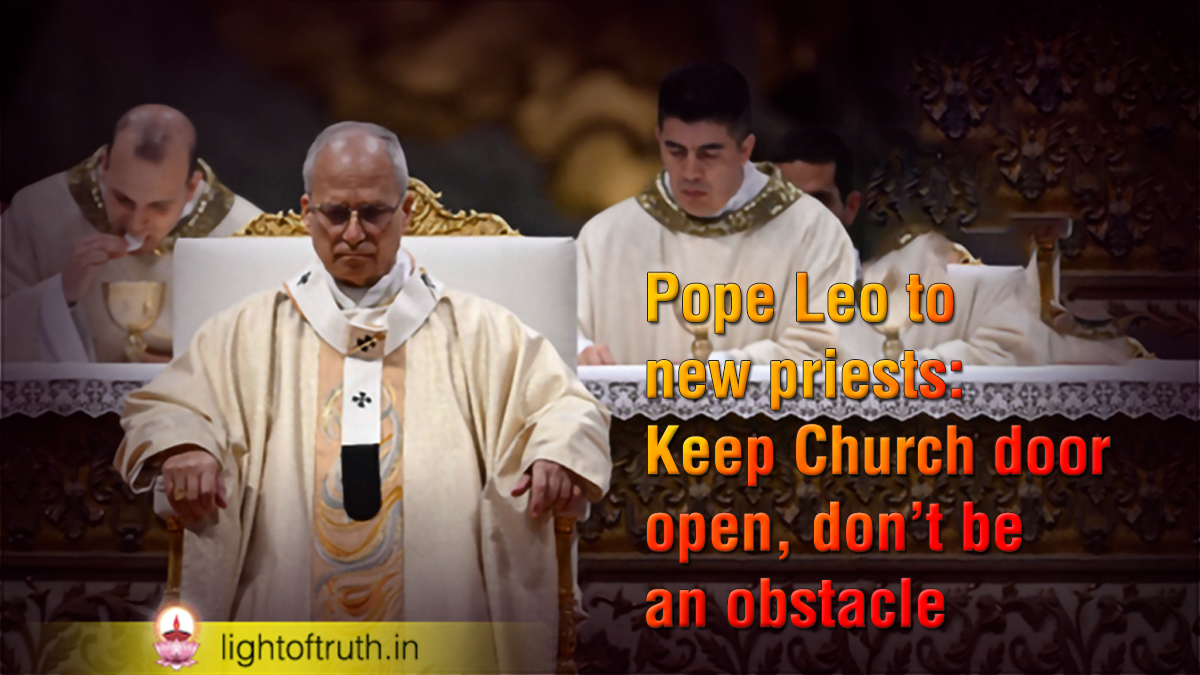
Pope Leo XIV’s ordination of ten priests at St. Peter’s Basilica serves as a profound meditation on the mission of the modern clergy to remain radically open to a “suffering humanity.” During the homily, the Pope urged the ordained to keep the Church a welcoming space, not acting as obstacles to entry. This call is urgent today as statistics suggest a divide between the institutional Church and the populace. Leo’s directive is clear: priests must function as channels of grace rather than filters that restrict access based on human judgment. This mission requires reflecting the “patience and tenderness” of Christ, guiding individuals toward the threshold of faith with humility and a move away from excessive rhetoric.

The diverse group of ordinees, representing regions from Italy and Cameroon to Colombia and Mexico, underscores the universal nature of the Church’s mission. Eight were destined for Rome, including those from the Redemptoris Mater Seminary, while others, like Fr. Armando Roa Nuñez and Fr. Selwyn Pinto Loyce, were ordained for distant dioceses like Miao, India. Pope Leo reminded them that their vocation is an entry into a deeper, “radical belonging” to all of humanity. By binding their hearts to Christ’s love, they are expected to serve as honest citizens and builders of peace. This priesthood emphasizes that spiritual life must bear fruit in the social sphere, fostering reconciliation. He stressed their identity is tied to the common good.

Addressing pervasive anxieties, the Pope warned against the human tendency to seek security through aggression or by isolating communities. He noted that false safety often leads to the creation of enemies and the search for scapegoats. Instead, the true security of a priest must be rooted in the Paschal Mystery, the life, death, and resurrection of Jesus, rather than in status. This spiritual grounding allows priests to face reality without fear, ensuring that their denunciation of injustice does not lead to a renunciation of mission. Furthermore, Leo highlighted that the Church must always be a space of freedom. Unlike suffocating groups, the community of disciples is characterized by a “gate” that allows for both shelter and outward movement.

The final charge to the new priests was one of exploration. They are invited to venture beyond the walls of the parish to engage with culture and life in its complexity. By doing so, they are called to marvel at the divine growth that occurs independently of human effort. This perspective fosters a ministry of hope and curiosity, where the priest seeks out pasture alongside the people. Affirming that the Church’s purpose is not to cut individuals off from life, but to deepen their participation in salvation, the priesthood remains a dynamic sign of God’s abundant, accessible and transformative grace in a world tempted by closure and exclusionary practices, calling all souls.

Diocese ‘hires’ AI fundraising staffer inpilot program Meet ‘Maria’

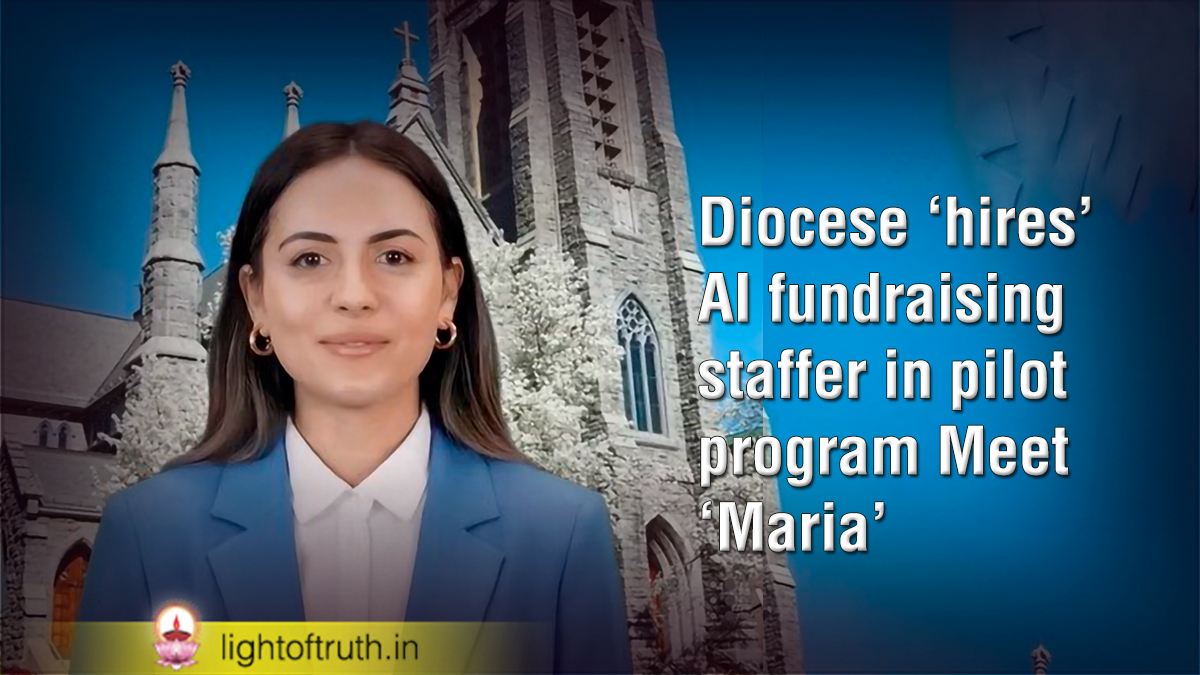
Bishop Frank J. Caggiano of Bridgeport has introduced an innovative pilot program featuring an AI Virtual Engagement Officer named “Maria” to explore how artificial intelligence can support deeper connections and accompaniment within the Church. Describing the digital world as a vital “mission field,” the Bishop emphasizes that technology, when applied with wisdom, serves as a powerful tool for modern evangelization. Maria’s primary function is to contact participants via text and email to gauge their pastoral and charitable donation interests, ultimately facilitating a seamless transition to meaningful interactions with human diocesan staff for further follow-up.

A core ethical pillar of the initiative is transparency and human-centricity. Deacon Patrick Toole, the diocesan chancellor and a veteran of the tech industry, stresses that the program is entirely opt-in, ensuring that participants are fully aware from the outset that they are interacting with a virtual agent rather than a human. To maintain strict human oversight and ensure a high standard of “checks and balances,” the pilot is intentionally capped at 1,000 participants. This limitation prevents the technology from scaling beyond the diocese’s current ability to provide genuine, personalized human responses, keeping human relationships at the very heart of the mission.

Importantly, Maria’s role is clearly defined to avoid overstepping into sensitive or sacramental areas of ministry. She is not programmed to provide theological insights, spiritual counsel, or formal guidance. Instead, she functions as a digital channel that directs individuals toward “flesh-and-blood” support. In instances where a participant is identified as being in crisis, the system is designed for immediate human intervention, honoring the fundamental “Ministry 101” principle of direct, compassionate pastoral care. By combining AI efficiency with the indispensable presence of human relationships, the diocese seeks to foster engagement that remains rooted in listening and the common good.

Indonesia’s religious freedom: survey draws criticism

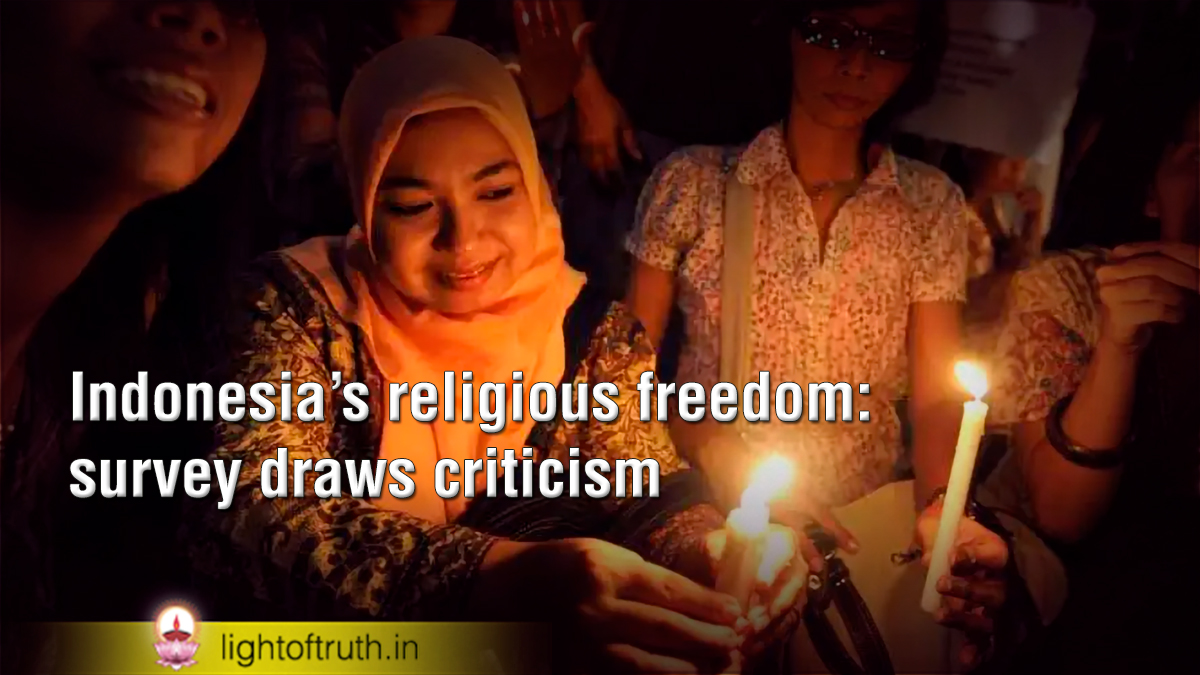
A recent nationwide survey claiming a whopping 97 percent of respondents believe they enjoy freedom to practice their faith has raised eyebrows in Indonesia, with critics saying the findings are far removed from reality.

Lingkaran Survei Indonesia, a survey and political consultancy institution, released the results of its “Public Evaluation and Commitment to Pancasila” survey on April 12. Pancasila, Sanskrit for “Five Principles,” refers to the national ideology of the world’s largest Muslim-majority nation. The principles are belief in one God, civilized humanity, national unity, deliberative democracy and social justice.

The survey was conducted from March 4 to March 12 among 2,020 people aged 17 and older. It found that 56.6 percent felt “very free” in terms of religious freedom, while 40.7 percent felt “quite free.” Only 1.1 percent felt “less free,” 0.5 percent considered themselves “very unfree,” and 1.1 percent were unsure.

However, critics questioned the survey’s methodology, noting that 87 percent of respondents were Muslim, about 10 percent Christian and the remainder belonged to other faiths. They say rising religious intolerance and repression of minority faiths in Indonesia have become causes for serious concern. Ethnically, the survey included 40 percent Javanese, 15 percent Sundanese, with the remainder made up of Batak, Madurese, Betawi, Minang, Malay and other groups.

About 87 percent of Indonesia’s estimated 287 million people are Muslim, 11 percent Christian and the rest belong to other faiths, including Hinduism and Buddhism, according to official data. The 2025 report from the US Commission on International Religious Freedom painted a troubling picture of religious freedom in the country.

Indonesia’s religious freedom conditions are poor, the report said. Despite constitutional protections for freedom of religion or belief, the Criminal Code and other laws restrict worship, targeting religious minorities such as Protestants, Catholics, Ahmadiyyah Muslims, Jehovah’s Witnesses and Baha’is. A new Criminal Code took effect in 2026, broadening the criminal definition of blasphemy, the report said. Religious minorities also face challenges in constructing places of worship, as local authorities often refuse to issue permits.

Bagus Sudarmanto, a senior lecturer at the University of Indonesia and a journalist, urged caution in interpreting the survey results. “The results of this survey must be read with great caution, as they are highly subjective and do not reflect the true reality”.

“The majority group dominates the sample, and this has the potential to obscure the experiences of minorities. Perception-based survey questions are also susceptible to social bias, especially when face-to-face interviews are involved”.

He said indicators of religious freedom in Indonesia “have not been tested against concrete cases of discrimination.” “These results reflect a subjective sense of security, not the actual structural conditions of religious freedom in Indonesia.” He called on researchers to be transparent about regional distribution and the context of local conflicts so that “their interpretations do not mislead the public.”

Filipinos honour miraculous Lady of Manaoagat centuries-old shrine

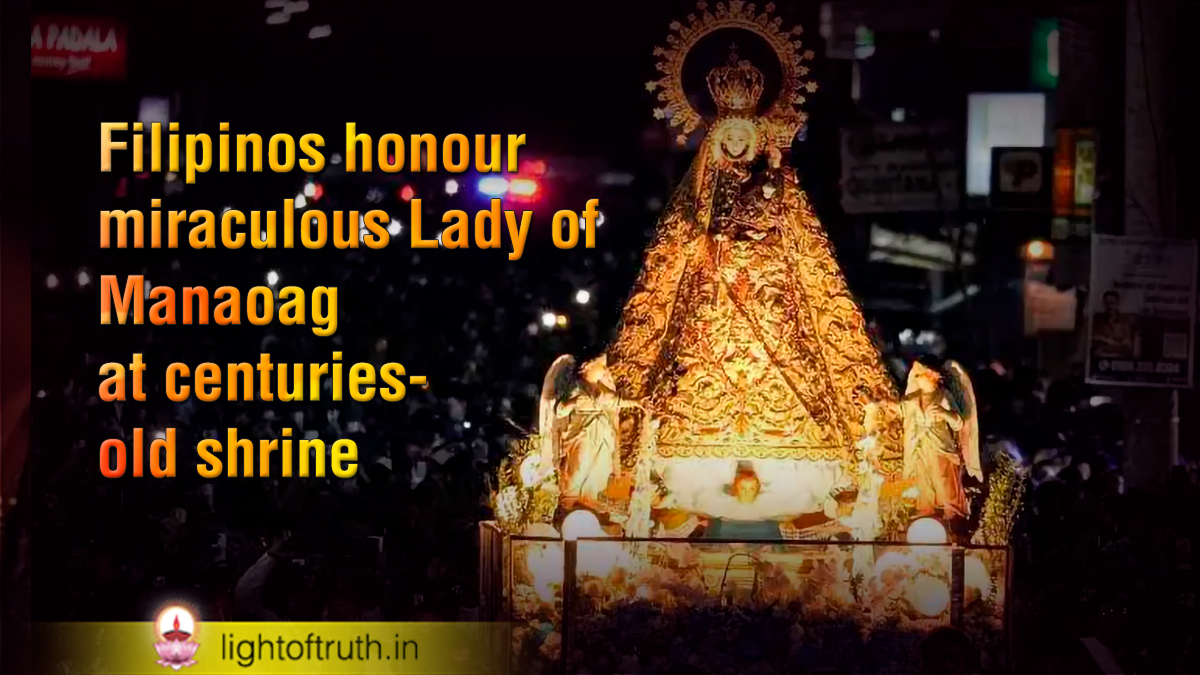
The devotion to Our Lady of Manaoag, spanning over four centuries, represents one of the most profound spiritual and cultural legacies in the Philippines, Asia’s largest Catholic-majority nation. Rooted in a 1610 apparition where a humble farmer reportedly heard a heavenly “call” to build a sanctuary on a hilltop, the event defined the town’s identity and gave it its name—”Manaoag,” derived from the local term meaning “to call.”

Although the Vatican has not officially recognized the apparition, the mission of the “Lady who calls” has flourished through centuries of grassroots faith and missionary dedication. Historically, the region was initially named Santa Monica under the Augustinians, but after the mission was transferred to the Dominicans in 1605, the church was relocated to its present site to honor the Virgin’s perceived wish. This transition underscores the Church’s historical adaptability and its enduring commitment to following the spiritual movements and needs of the local community.

The ethical weight of this devotion is manifested in its long-standing reputation for powerful miracles, such as the reported resurrection of a child in 1627 and modern accounts of aid provided to couples struggling with infertility. Known affectionately as “Apo Baket,” the image portrays Mary as a maternal figure of strength and protection, carrying the child Jesus—a vision that continues to inspire missionary zeal, hope, and personal transformation. The recent coronation centennial gained immense national significance with the formal participation of President Ferdinand Marcos Jr. and First Lady Liza Araneta-Marcos.

The liturgical re-enactment of the 1926 crowning served as a powerful symbol of the unique intersection between church and state in the Philippines. By presenting the crown to be blessed by the apostolic nuncio, Archbishop Charles Brown, the President demonstrated a public reverence for the spiritual foundations that underpin the nation’s social fabric. This symbolic gesture, where the secular leader witnessed the crowning performed by the dean of the diplomatic corps, highlights a shared mission of unity and international concord. Ultimately, the centennial celebration reaffirmed that the “call” of Manaoag remains a living ethical directive to pursue the common good through a faith that restores and heals.

Technology makes Theology teaching deeply human

The mystery of the Incarnation, where the eternal Word enters human vulnerability, serves as a foundational reminder that God bridges the infinite gap to humanity through tangible presence and relationships. In our tech-saturated era, the central mission is to explore how artificial intelligence can enhance this teaching without eroding its deeply human core.

Far from replacing the warmth of a teacher’s voice, these tools can actually amplify the incarnational touch, making abstract truths feel personal and lived. Just as Jesus did not send a manual but walked dusty roads to meet people where they were, technology offers ways to personalize the spiritual encounter for diverse learners with varying needs.

Immersive tools like virtual reality allow students to transition from spectators to participants in biblical history, while AI acts as a gentle guide, tailoring theological lessons to individual reflections. This adaptability mirrors the intimacy of Christ’s ministry, meeting students in their specific struggles. Ethically, AI serves to democratize access to sacred wisdom, breaking down geographical and linguistic barriers to echo Christ’s outreach to the margins.

By automating tasks like summarization and resource curation, technology frees educators to prioritize the relational heart of theology—dialogue, prayer, and communal discernment. Ultimately, the integration of technology in faith formation is not about digital distraction; it is about using every available means to foster an encounter with the Word made flesh, ensuring that the story of salvation remains an accessible, vibrant gift for the entire human family in the modern age.

Catholic Maritime Ministries urge Prayer for Seafarers Stranded at Hormuz

Stella Maris, the Catholic maritime apostolate, is calling for urgent prayer and advocacy for approximately 20,000 seafarers stranded in the Persian Gulf due to the U.S. and Iran conflict. As the Strait of Hormuz remains blockaded, these innocent workers face extreme mental fatigue and physical danger. Under the guidance of the Vatican’s Dicastery for Promoting Integral Human Development and with the support of Pope Leo XIV, the ministry seeks to accompany those caught in geopolitical crossfire.

Sister Joanna Okerke and Bishop Frank Schuster emphasize that their mission is to advocate for the human dignity of those often forgotten at sea. Beyond the immediate war, the apostolate addresses the ethical crisis of ‘ship abandonment,’ which reached record levels in 2025, leaving thousands uncompensated and isolated by vessel owners.

By providing spiritual intercession and practical support, Stella Maris fulfills its namesake as ‘Our Lady, Star of the Sea,’ ensuring the vulnerable are not abandoned to storms, piracy, or the indifference of earthly powers and geopolitical strife.