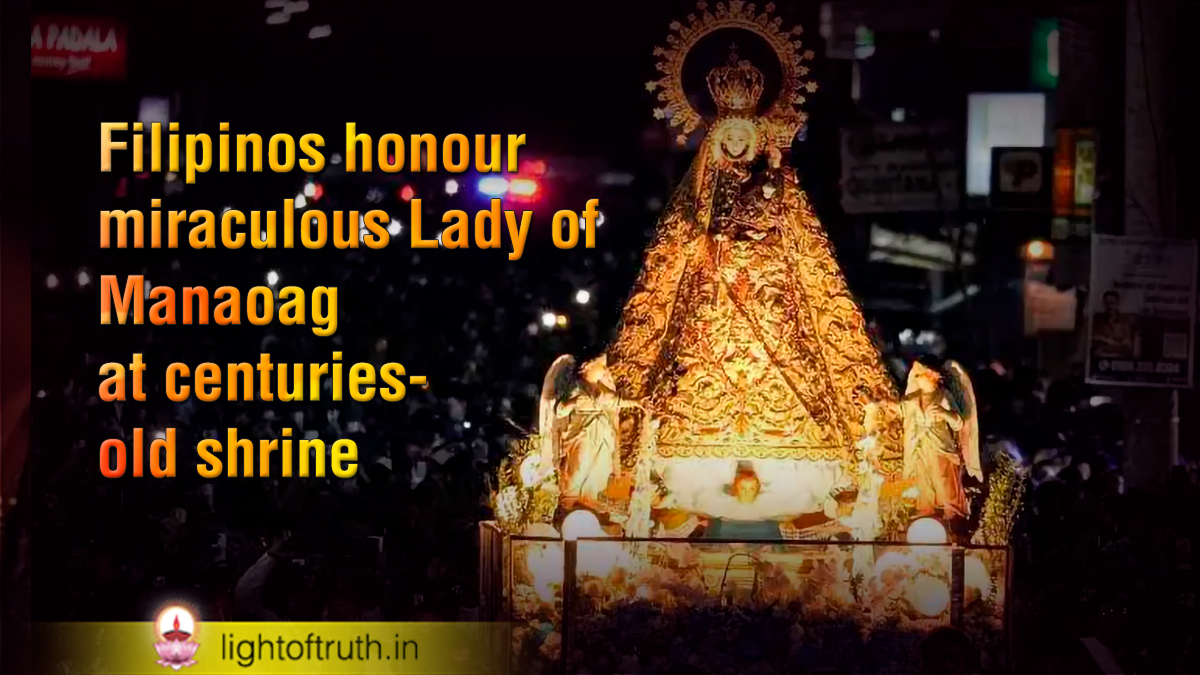
The devotion to Our Lady of Manaoag, spanning over four centuries, represents one of the most profound spiritual and cultural legacies in the Philippines, Asia’s largest Catholic-majority nation. Rooted in a 1610 apparition where a humble farmer reportedly heard a heavenly “call” to build a sanctuary on a hilltop, the event defined the town’s identity and gave it its name—”Manaoag,” derived from the local term meaning “to call.”
Although the Vatican has not officially recognized the apparition, the mission of the “Lady who calls” has flourished through centuries of grassroots faith and missionary dedication. Historically, the region was initially named Santa Monica under the Augustinians, but after the mission was transferred to the Dominicans in 1605, the church was relocated to its present site to honor the Virgin’s perceived wish. This transition underscores the Church’s historical adaptability and its enduring commitment to following the spiritual movements and needs of the local community.
The ethical weight of this devotion is manifested in its long-standing reputation for powerful miracles, such as the reported resurrection of a child in 1627 and modern accounts of aid provided to couples struggling with infertility. Known affectionately as “Apo Baket,” the image portrays Mary as a maternal figure of strength and protection, carrying the child Jesus—a vision that continues to inspire missionary zeal, hope, and personal transformation. The recent coronation centennial gained immense national significance with the formal participation of President Ferdinand Marcos Jr. and First Lady Liza Araneta-Marcos.
The liturgical re-enactment of the 1926 crowning served as a powerful symbol of the unique intersection between church and state in the Philippines. By presenting the crown to be blessed by the apostolic nuncio, Archbishop Charles Brown, the President demonstrated a public reverence for the spiritual foundations that underpin the nation’s social fabric. This symbolic gesture, where the secular leader witnessed the crowning performed by the dean of the diplomatic corps, highlights a shared mission of unity and international concord. Ultimately, the centennial celebration reaffirmed that the “call” of Manaoag remains a living ethical directive to pursue the common good through a faith that restores and heals.