
Catholic Sisters Help Children Living with HIV Build a Better Future
Faith Brings New Hope to Assam Village Once Known for Alcoholism
Cardinal Tagle: Friendship reveals the face of Jesus and the Church
Israel prepares ‘extensive’ West Bank operation after deadly shooting near Tal
Pope: Visit to Türkiye and Lebanon teaches that peace is possible
Thousands protest corruption in Philippines as Church leaders call for accountability
Pope: Nicaea invites Christians to unity in face of violence, conflict
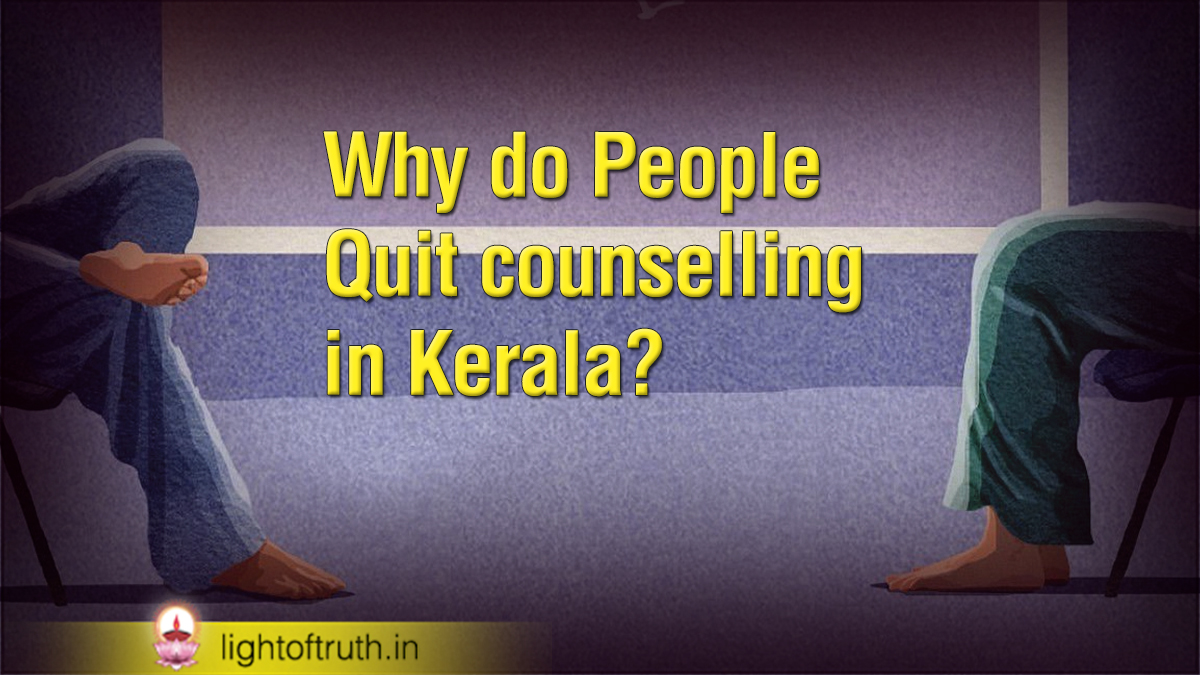
 Counselling offers people a safe space to understand their emotions, resolve conflicts and develop healthier ways of living. Yet, some clients discontinue counselling after one or two sessions, while others stop before achieving their goals. In Kerala, understanding this pattern requires attention not only to psychological factors but also to family relationships, cultural expectations and the practical realities of everyday life.
Although Kerala has developed mental health services across its districts, access to care does not always guarantee continuity. The Kerala Economic Review 2025 reported that the Sampoorna Manasikarogyam programme had linked 37,847 newly identified people to care and that 60,205 individuals were receiving treatment as of 31 August 2025. The report also identified inadequate follow-up, lack of public awareness and neglect by family members as continuing challenges. These figures describe mental health services, not counselling dropout rates, for which representative Kerala-specific data remain limited.
One important psychological factor is resistance to emotional discomfort. Counselling may bring painful memories, unresolved grief, guilt or relationship difficulties into awareness. Clients may initially feel relieved after sharing their problems, but deeper exploration can be challenging. Some may conclude that they are better and no longer need support, while others withdraw because the process feels emotionally demanding. Unrealistic expectations of immediate solutions can also contribute to discontinuation.
Cultural attitudes and social stigma play an important role. A study involving 204 patients, caregivers and community members in Kerala explored how stigma and social perceptions influence experiences of mental illness. Fear of being labelled, judged or misunderstood can discourage people from seeking or continuing professional help. In close-knit communities, concerns about confidentiality and family reputation may be particularly influential.
Family expectations can further complicate the process. Some clients may be encouraged to attend counselling but later face pressure to stop, especially when the difficulties involve marriage, parenting or family conflict. Financial constraints, travel, work schedules and limited availability of appointments can also interrupt sessions. In some cases, clients discontinue because they do not feel understood by the counsellor or believe that counselling is not meeting their needs.
Reducing dropout requires a collaborative approach. Counsellors can explain the process clearly, establish realistic goals, respect cultural differences, review progress regularly and invite honest feedback. Flexible appointments, affordable services and appropriate follow-up can improve continuity. Clients should also feel free to discuss their doubts or request a different counsellor when necessary.
Ultimately, counselling dropout should not automatically be interpreted as a lack of motivation or commitment. It may reflect emotional difficulty, cultural pressure, practical barriers or an unsatisfactory therapeutic relationship. Understanding why people leave is as important as understanding why they seek help. The goal is not simply to keep clients attending sessions, but to ensure that counselling remains accessible, respectful, meaningful and responsive to their needs.





Leave a Comment