All posts by Sathyadeepam Weekly

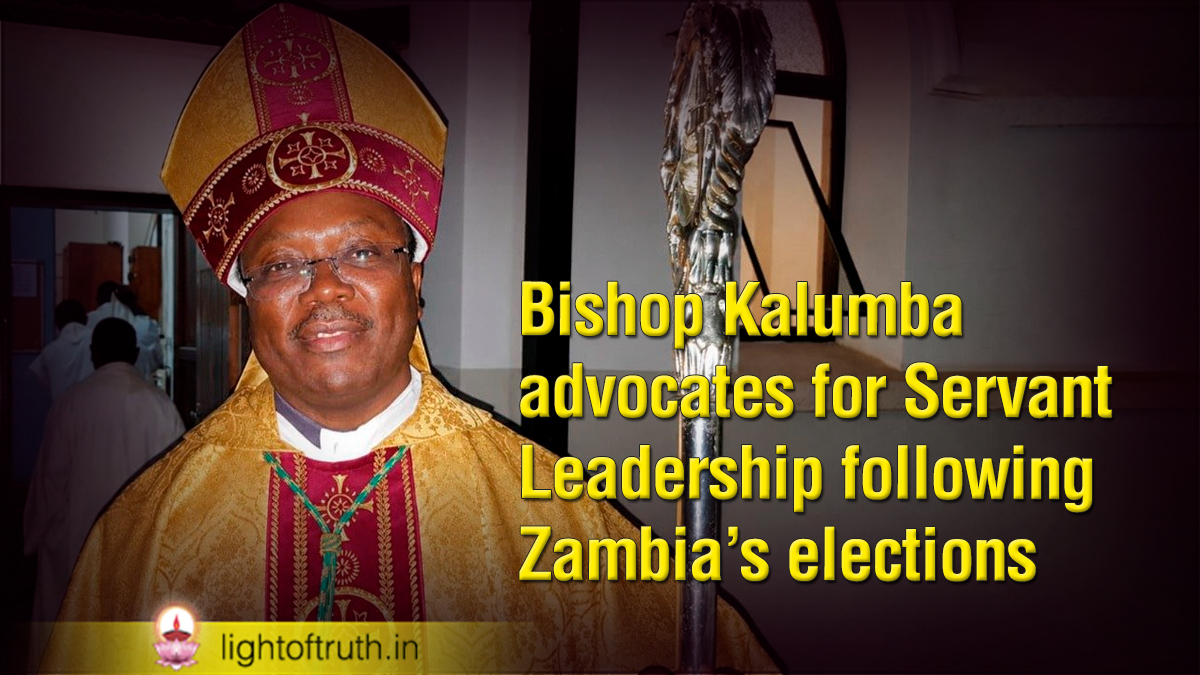
Bishop Kalumba advocates for Servant Leadership following Zambia’s elections

Bishop Valentine Kalumba, OMI, of the Catholic Diocese of Livingstone in Zambia, has urged Zambians to embrace peaceful co-existence among Zambia’s over 73 tribes and languages. The Bishop was speaking to Vatican News in the aftermath of Zambia’s presidential and parliamentary elections.

Reflecting on the just-ended national elections in Zambia, the Bishop of Livingstone said that with the elections over, it was time for a reset, an opportunity for reflection and healing. The Bishop also appealed especially to social media users not to fan the flames of ethnic division.

In his remarks, Bishop Kalumba said it was sad that elections, not only in Zambia but worldwide, have become moments of great tension, stress, and anxiety. Ordinarily, voting in an election should be a celebration of citizens exercising their fundamental rights and making their democratic voices and choices heard, Part of the solution, the Bishop suggested, lies in returning to the Gospel meaning of leadership.  Leadership at all levels of society, he said, should always be about service. The current high stakes of contesting political leadership to amass wealth or resources for one’s family, friends, and tribe run counter to the spirit of Servant Leadership. Notwithstanding all that has happened in recent days, Bishop Kalumba said that, generally, especially in Livingstone Diocese, the voting and the announcement of election results seem to have gone fairly well. According to the Livingstone prelate, there may have been some isolated criminal elements in the City of Livingstone, when some persons sought to take advantage of the election climate to loot and commit acts of vandalism. Still, the authorities were able to deal with these incidents.
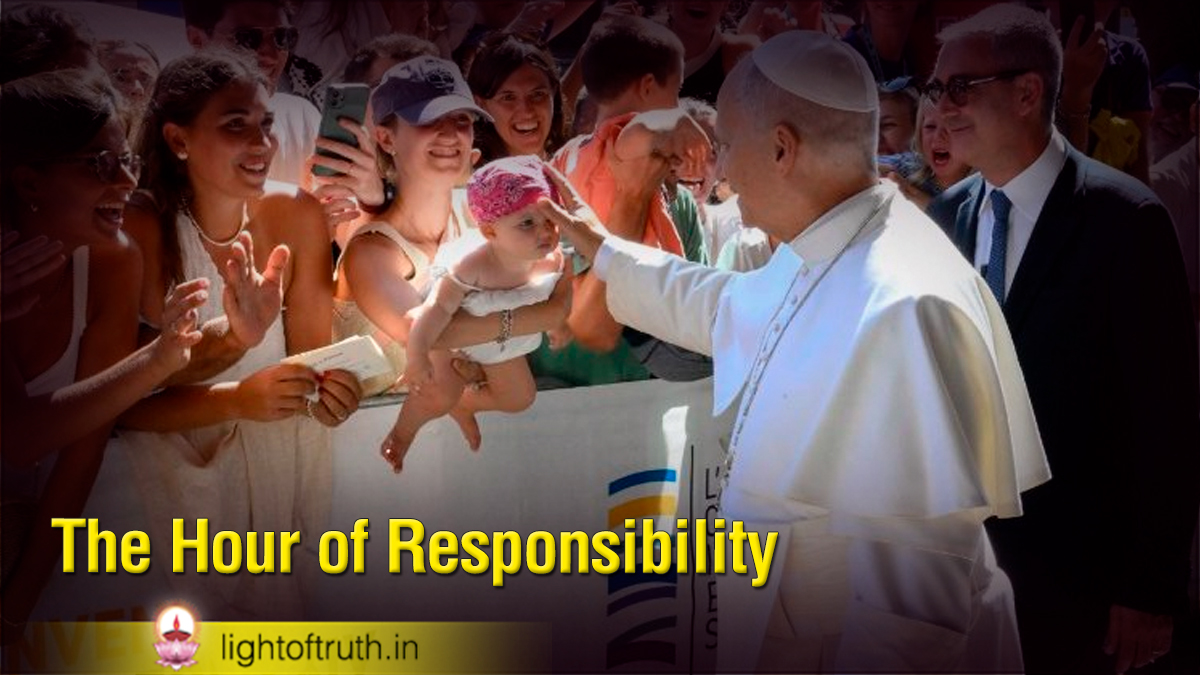
The Hour of Responsibility

The words of Pope Leo XIV at the Meeting in Rimini and his call for the authentic realism of mercy against the false realism that would have us rearm

 “Against the false realism that rearms minds, words, and nations, Catholic culture today must set the realism of mercy, in which there can be no enemies, and all people, even adversaries, are brothers and sisters to be looked in the eye and encountered in truth.”

These are the words Pope Leo XIV addressed to the participants at the Meeting in Rimini, and in particular to the thousands of young people who bring the great end-of-summer gathering to life, a gathering that grew out of the experience of Communion and Liberation. They were not words spoken merely for the occasion, but a precise invitation. First and foremost, an invitation to look at the reality in which we are living.

Already 44 years ago, Saint John Paul II, speaking at the Meeting, had emphasized the beauty of words such as “encounter” and “friendship among peoples” during what he himself called “dramatic moments in the history of the world.”

Today, the international situation is even more uncertain and precarious than it was then: a growing number of conflicts, ongoing massacres of civilians and children—one need only think of Gaza and Ukraine—and the many nations investing ever greater sums in rearming themselves. Faced with all this, the Pope recalls the vocation of the Meeting, which is not to be “a sort of enclave,” but a “crossroads” of encounters and dialogue. 

To follow Christ today, after the tragedies of the twentieth century, means fully recognizing that evil cannot be fought with evil. The only answer, the Christian answer, is love -“the method of redemption,” embodied by the crucified Messiah. And so, to those who today, in the name of a presumed realism-which the Pope did not hesitate to call “false”-would rearm minds, words and nations, Catholic culture responds with an authentic realism: the realism of mercy, “in which there can be no enemies, and all people, even adversaries, are brothers and sisters to be looked in the eye and encountered in truth.”

There is therefore a need for courageous pioneers who will commit themselves concretely to freeing human coexistence from suspicion, work from the idolatry of profit, and technology and finance from the business of death.

Pope Leo calls for the exposure of “unjust power relations” that lie “at the root of poverty and inequality, war and environmental disasters.” This is a strong and consequential appeal from the Successor of Peter, who from the very first day of his pontificate has spoken of “unarmed and disarming” peace, and it should be kept in mind as a criterion for judging the social and even political engagement of all Catholic laypeople.

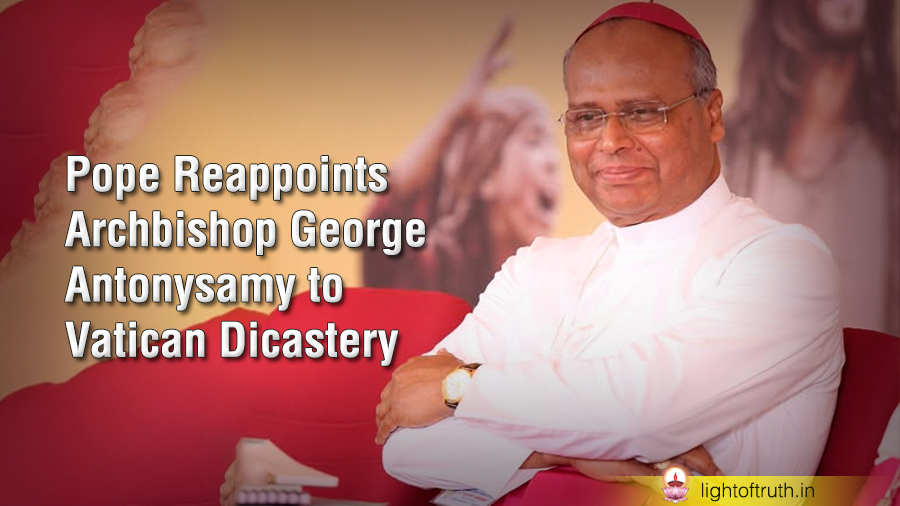
Pope Reappoints Archbishop George Antonysamy to Vatican Dicastery

Pope Leo XIV has reappointed Archbishop George Antonysamy of Madras-Mylapore as a member of the Dicastery for Evangelization, one of the Vatican’s most important departments responsible for supporting the Church’s missionary work throughout the world.

The reappointment reflects the Holy Father’s confidence in Archbishop Antonysamy’s experience and leadership. Before becoming Archbishop of Madras-Mylapore, he served the Holy See in the Vatican’s diplomatic service and represented the Pope in several countries. His long experience in international ministry has helped him contribute to the Church’s mission both in India and abroad.

The Dicastery for Evangelization assists the Pope in promoting the proclamation of the Gospel, supporting missionary churches, coordinating evangelization efforts, and encouraging the growth of faith in different parts of the world. Members of the Dicastery offer guidance on pastoral strategies and missionary initiatives suited to diverse cultures and communities.

Church leaders in India welcomed the announcement with gratitude and joy. They said the reappointment recognises not only Archbishop Antonysamy’s personal service but also the growing contribution of the Indian Church to the universal mission of the Catholic Church.

Priests, religious, and lay faithful have assured the Archbishop of their prayers as he continues this important responsibility. Many believe his international experience and pastoral leadership will help strengthen the Church’s missionary outreach in the years ahead.

The reappointment is also a source of encouragement for Catholics in India, highlighting the increasing participation of Indian Church leaders in the life and mission of the universal Church. It reflects the Vatican’s appreciation for the experience, commitment, and missionary spirit of the Church in India.

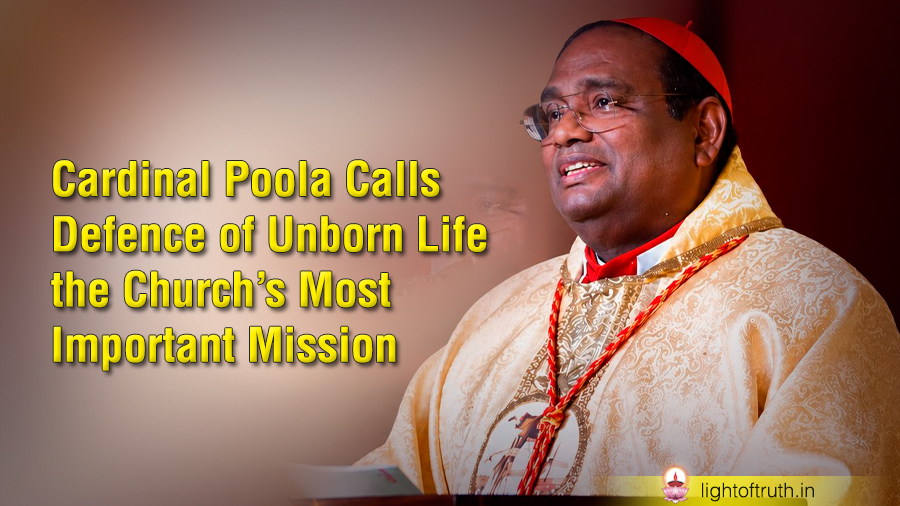
Cardinal Poola Calls Defence of Unborn Life the Church’s Most Important Mission

Cardinal Anthony Poola, President of the Catholic Bishops’ Conference of India (CBCI), has called on Catholics across the country to make the defence of unborn life the Church’s highest priority. Addressing thousands of participants at the 5th National March for Life in Chennai, he urged bishops, priests, religious, and lay faithful to work together in promoting and protecting the dignity of every human life from conception until natural death.

The Cardinal said that every human life is a precious gift from God and deserves love, respect, and protection. He expressed concern over the growing acceptance of abortion and reminded the faithful that the Church has a responsibility to defend those who cannot speak for themselves. He also highlighted the importance of caring for the elderly, the sick, and all vulnerable people.

Quoting the teachings of St. John Paul II and St. Teresa of Calcutta, Cardinal Poola encouraged Catholics not to remain silent on issues affecting human life. He said defending life is not only about opposing abortion but also about supporting mothers, families, children, and anyone facing difficult situations. He encouraged parishes, schools, and Church institutions to strengthen pro-life education and awareness programmes.

The Cardinal appreciated the organisers of the National March for Life and the many volunteers who worked to promote the Gospel of Life. He said the Church in India is becoming more confident in speaking publicly about the value of human life and encouraged young people to become ambassadors for life through their words and actions.

The gathering concluded with a renewed commitment from participants to continue promoting a culture that respects every human life. Church leaders expressed hope that the movement would inspire more people to become active defenders of life and human dignity throughout India.

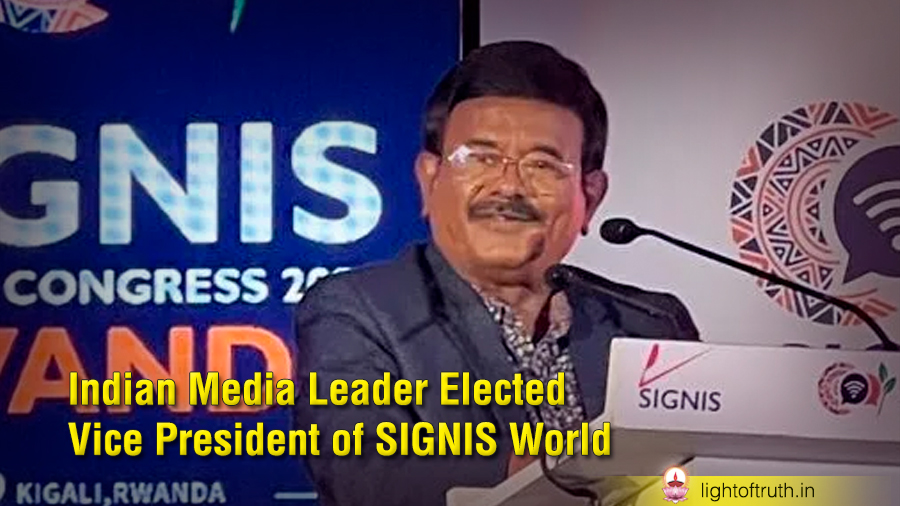
Indian Media Leader Elected Vice President of SIGNIS World

Indian Catholic communicator Dr. Magimai Pragasam has been elected Vice President of SIGNIS World, the World Catholic Association for Communication. The election took place during the SIGNIS World Congress held in Kigali, Rwanda, bringing international recognition to India’s growing contribution to Catholic media and communication.

Dr. Pragasam is a media professional, academic, and filmmaker who has dedicated many years to promoting ethical communication and media education. He has worked closely with the Catholic Church in India, helping media professionals use modern communication tools to spread the values of the Gospel and serve society.

SIGNIS is an international Catholic organisation that brings together communication professionals from around the world. It promotes responsible journalism, digital media, filmmaking, and communication that supports peace, justice, human dignity, and the common good. As Vice President, Dr. Pragasam will help guide the organisation’s global mission and encourage collaboration among Catholic communicators across different countries.

Church leaders in India welcomed the election with great joy, describing it as a proud moment for the Indian Church. They said the appointment reflects the talent, experience, and commitment of Indian Catholic media professionals in serving both the Church and society. They also expressed hope that his leadership will inspire young communicators to use media responsibly and creatively.

Dr. Pragasam thanked the members of SIGNIS for their trust and assured them of his commitment to strengthening Catholic communication around the world. He emphasized the importance of promoting truth, dialogue, and hope through modern media. His election is seen as an opportunity for India to make an even greater contribution to global Catholic communications while encouraging ethical journalism and meaningful digital engagement.

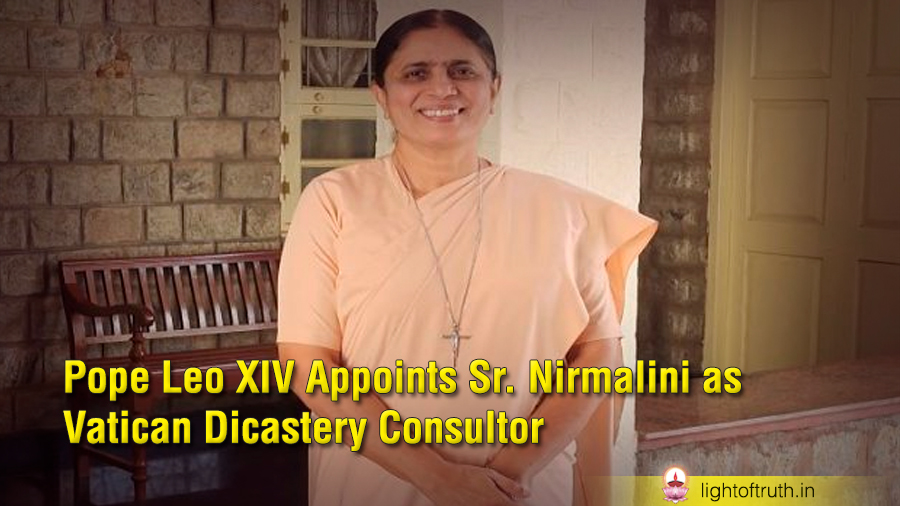
Pope Leo XIV Appoints Sr. Nirmalini as Vatican Dicastery Consultor

Pope Leo XIV has appointed Sr. Nirmalini AC, the Superior General of the Apostolic Carmel Congregation, as a Consultor to the Vatican’s Dicastery for Institutes of Consecrated Life and Societies of Apostolic Life. The appointment is an important recognition of her experience in religious life and leadership within the Catholic Church.

As Consultor, Sr. Nirmalini will assist the Vatican by offering advice on matters concerning religious congregations, institutes of consecrated life, and societies of apostolic life around the world. The Dicastery helps religious communities remain faithful to their mission while responding to the changing needs of the Church and society.

Sr. Nirmalini has served the Apostolic Carmel Congregation in various leadership roles and has been actively involved in education, pastoral ministry, and the formation of religious sisters. Her long experience has earned her respect both in India and internationally. Church leaders believe her practical knowledge and commitment to religious life will greatly benefit the Vatican’s work.

The Apostolic Carmel Congregation is known for its service in education, healthcare, social outreach, and the empowerment of women. Through schools, colleges, and charitable institutions, the congregation has made significant contributions to society, especially among the poor and marginalized.

Catholics across India have welcomed the appointment with gratitude. Many see it as another sign of the growing contribution of the Indian Church to the universal Church. It also highlights the important role that women religious continue to play in the mission of evangelization, education, and service.

Church leaders have expressed confidence that Sr. Nirmalini will use her experience to support the Vatican in strengthening religious life throughout the world. They have asked the faithful to keep her in their prayers as she begins this important responsibility in service to the universal Church.

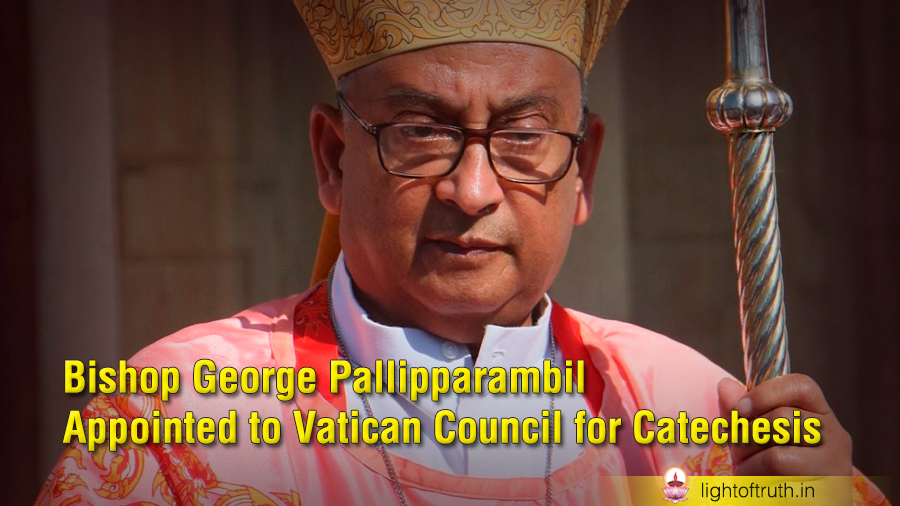
Bishop George Pallipparambil Appointed to Vatican Council for Catechesis

Pope Leo XIV has appointed Bishop George Pallipparambil SDB, Bishop of Miao in Arunachal Pradesh, as a member of the International Council for Catechesis (Co.In.Cat.), an advisory body of the Vatican’s Dicastery for Evangelization. The appointment is for a five-year term and is seen as an important recognition of the missionary work carried out by the Church in Northeast India.

Bishop Pallipparambil has spent many years serving the people of the Diocese of Miao, one of India’s most remote mission territories. The diocese is located near the borders of Myanmar and China and is home to many indigenous communities. During his ministry, he has focused on evangelization, education, healthcare, and social development while helping local communities grow in faith.

The International Council for Catechesis advises the Vatican on matters related to religious education and the transmission of the Catholic faith throughout the world. The council studies the challenges facing catechesis in different countries and recommends ways to strengthen faith formation for people of all ages.

Church leaders believe Bishop Pallipparambil’s experience in missionary work will bring valuable insights to the council. His ministry among culturally diverse communities has given him firsthand knowledge of how the Gospel can be shared in different social and cultural settings.

The Diocese of Miao welcomed the announcement with great joy. Priests, religious, and lay faithful have assured the bishop of their prayers as he begins this new responsibility. Many see his appointment as a recognition not only of his personal service but also of the missionary spirit of the Church in Northeast India. His new role will allow the experiences of Indian mission territories to contribute to the Vatican’s reflection on catechesis and evangelization across the universal Church.

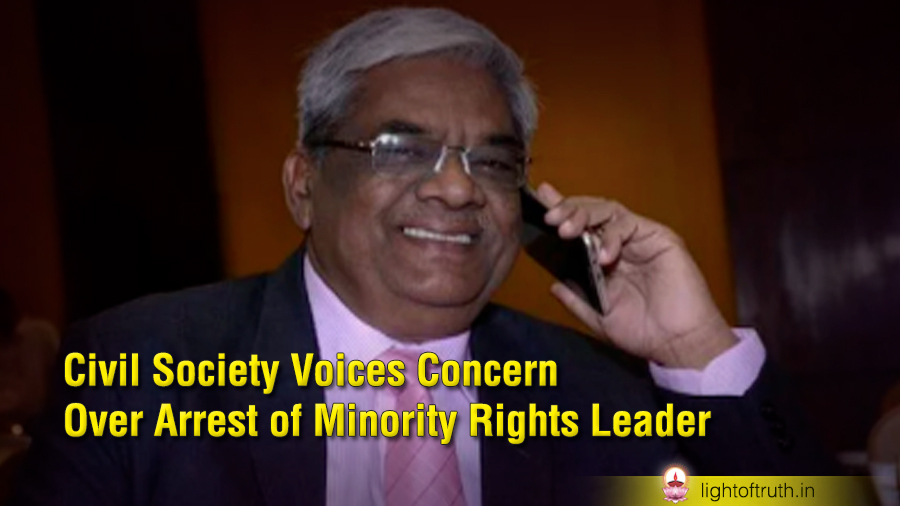
Civil Society Voices Concern Over Arrest of Minority Rights Leader

Civil society organisations, human rights advocates, and Christian groups have expressed deep concern over the arrest of senior minority rights leader Arun Pannalal in Chhattisgarh. They have appealed to the authorities to ensure that due process of law is followed and that his legal rights are fully protected throughout the investigation.

According to the organisations, Arun Pannalal has worked for many years on issues related to religious freedom, minority rights, and social justice. His arrest has raised concerns among several groups, who believe that individuals working peacefully for constitutional rights should receive fair treatment under the law.

Various Christian organisations and civil society representatives have called for transparency in the legal process. They have urged the authorities to conduct the investigation impartially and in accordance with the Constitution. They also stressed that every citizen has the right to legal protection, fair investigation, and access to justice.

Church leaders encouraged the faithful to respond peacefully through prayer and lawful democratic means. They appealed for calm and requested that the matter be handled without creating tension among communities. Many also reaffirmed the Church’s commitment to promoting peace, dialogue, and respect for the rule of law.

The incident has renewed discussions about the importance of safeguarding constitutional freedoms, including the rights to freedom of religion, association, and peaceful advocacy. Human rights groups have called for continued vigilance to ensure that democratic values and civil liberties are protected for all citizens.

Community leaders expressed hope that the legal process will be conducted fairly and transparently, allowing justice to take its proper course while respecting the dignity and rights of every individual involved.

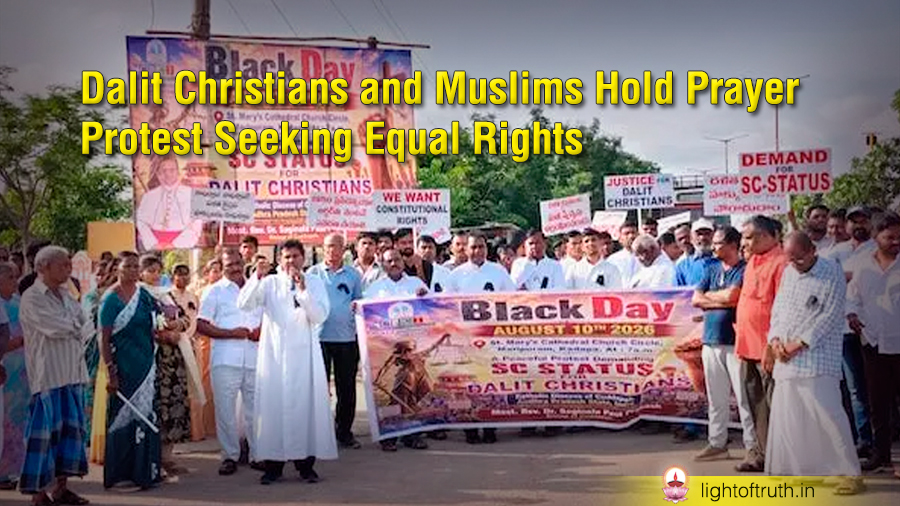
Dalit Christians and Muslims Hold Prayer Protest Seeking Equal Rights

Dalit Christians and Dalit Muslims from different parts of India observed a prayer protest to renew their demand for equal constitutional rights and social justice. Participants gathered peacefully to pray, reflect, and call for the removal of discrimination in access to government benefits available to other Scheduled Castes. They appealed to the government to extend equal treatment regardless of religious affiliation.

The organisers explained that many people who belong to Dalit communities continue to experience social and economic disadvantages even after embracing Christianity or Islam. They argued that changing one’s religion does not remove the effects of historical discrimination and therefore constitutional protections should be available without discrimination based on faith.

During the gathering, religious leaders led prayers for justice, peace, and equality. Participants carried messages promoting human dignity, unity, and constitutional values. They stressed that their protest was peaceful and intended to raise awareness through prayer rather than confrontation.

Community representatives also urged political leaders to address the issue through dialogue and appropriate legal measures. They expressed hope that policymakers would consider the long-standing concerns of Dalit Christians and Dalit Muslims with fairness and compassion.

Church leaders reaffirmed their commitment to supporting the rights and dignity of marginalized communities. They encouraged Catholics to continue praying and working for a society where every person is treated equally and with respect.

The prayer protest concluded with a call for greater solidarity among communities and a renewed commitment to peaceful efforts aimed at promoting justice, equality, and human dignity for all citizens.

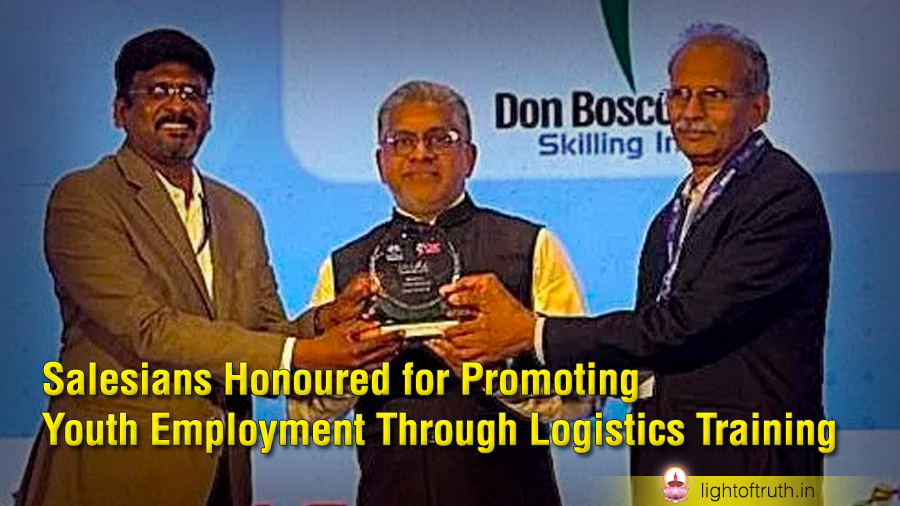
Salesians Honoured for Promoting Youth Employment Through Logistics Training

The Salesians of Don Bosco have received a national award in recognition of their outstanding contribution to improving youth employability through logistics and supply chain training. The award highlights the congregation’s efforts to equip young people with practical skills that help them secure meaningful employment in one of India’s fastest-growing industries.

Through vocational training centres across the country, the Salesians have been offering professional courses that combine technical knowledge with personal development. Students receive training in warehouse management, inventory control, transportation, customer service, digital technology, workplace communication, and other essential skills required in the logistics sector.

Church leaders said the programme focuses especially on young people from economically weaker backgrounds. Many students who lacked opportunities for higher education have been able to find stable employment after completing the training. The initiative also helps young people develop confidence, discipline, teamwork, and leadership qualities that are valuable in the workplace.

Industry representatives praised the Salesians for creating programmes that meet the needs of employers while also promoting ethical values and social responsibility. The training centres work closely with companies to ensure that students are prepared for real workplace situations and emerging industry demands.

The congregation said the award recognises the dedication of trainers, staff members, and students who have worked together to build a successful model of skill development. They reaffirmed their commitment to empowering young people through education and vocational training.

Church leaders believe that providing employment opportunities for youth is an important part of the Church’s mission of promoting human dignity and social development. The programme continues to open new opportunities for thousands of young people across India as they prepare for a better future.