Bandel Basilica Inspires Religious Harmony Across Faiths

The Basilica of the Holy Rosary, popularly known as Bandel Church in West Bengal, continues to attract thousands of pilgrims from different faiths, standing as a powerful symbol of religious harmony and peaceful coexistence in India.

Built in 1599 by Portuguese missionaries on the banks of the Hooghly River, Bandel Church is one of the oldest churches in India. Despite surviving wars, destruction and natural disasters, the basilica has remained a place of prayer and hope for generations. In 1988, Pope John Paul II granted it the status of a Minor Basilica.

While the church is an important Marian shrine for Catholics, it is also visited by many Hindus and Muslims who come to pray for healing, protection and blessings. Many devotees see the Blessed Virgin Mary as a loving mother who welcomes everyone, regardless of religion.

The church is especially known for its devotion to Our Lady of Happy Voyage, with pilgrims offering prayers for safe journeys, good health and family well-being. During feast days, thousands visit the shrine, many returning to give thanks for answered prayers.

The parish also serves society through education, healthcare and charitable work. Religious sisters and Church workers assist families from all communities by visiting the sick, supporting the poor, promoting education and empowering women.

Church leaders say Bandel Basilica reflects the belief that God’s love reaches all people. In a time when religious divisions often make headlines, the centuries-old shrine continues to bring together people of different faiths through prayer, compassion and mutual respect. More than a historic monument, Bandel Basilica remains a living witness to unity, hope and harmony, welcoming every pilgrim who seeks peace and God’s blessings.
First Malayali Appointed Lay Theologian in Germany’s Freiburg Archdiocese

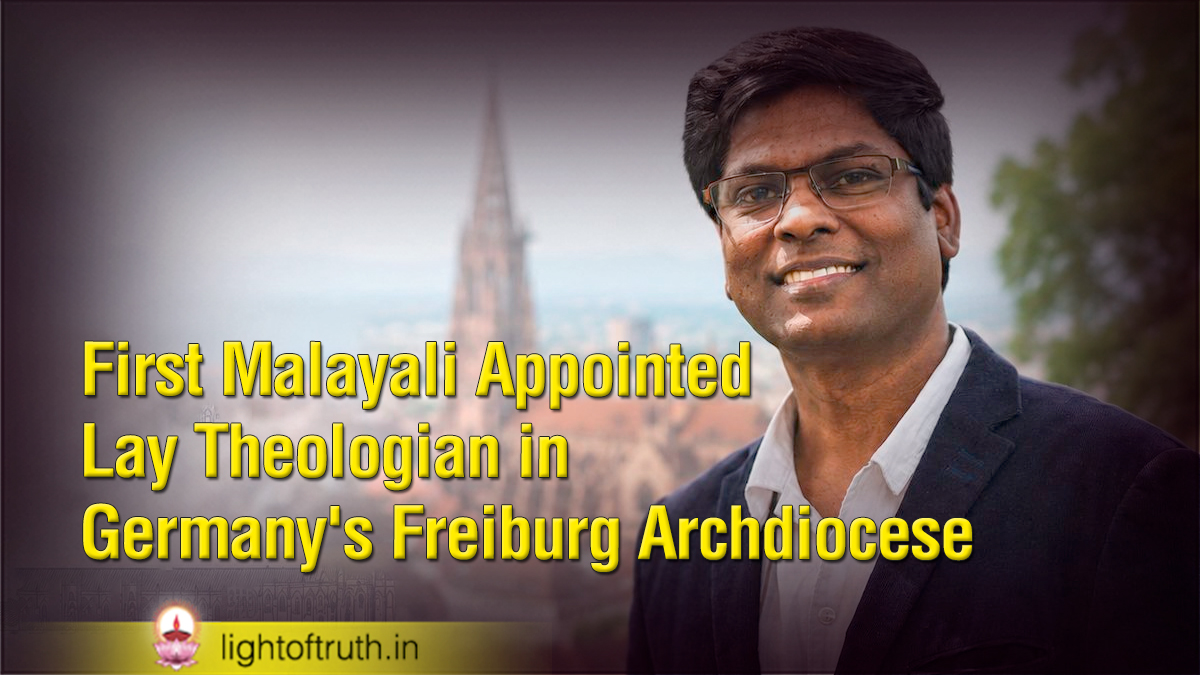
Pious Joseph Theruvathu from Kerala has become the first Malayali to be appointed as a lay theologian in the Archdiocese of Freiburg, marking an important milestone for the Indian Catholic community in Germany.

His installation will take place on July 11 at St. Jodokus Church in Karlsruhe during a Holy Mass to be led by Auxiliary Bishop Peter Birkhofer. This year, the Archdiocese of Freiburg is appointing nine lay theologians, and Theruvathu is the only non-German among them.

Originally from St. Joseph’s Parish, Padappakkara, in the Diocese of Kollam, Theruvathu moved to Germany with his family from Italy in 2012. Since then, he has served in several parishes and has been recognised for his pastoral work, theological education and dedication to Church ministry.

Theruvathu studied philosophy at the University of Kerala, earned a master’s degree in theology from the Pontifical Gregorian University in Rome, and later completed a diploma in Religious Studies at the University of Würzburg in Germany. He is fluent in English, Italian and German, enabling him to serve multicultural Catholic communities.

His family has a strong tradition of serving the Church. His brother is a Carmelite priest, and three of his sisters are religious sisters. His wife, Sabi Crystal, works as a nurse in Germany, and they have three children.

Lay theologians play a vital role in Germany, helping with parish leadership, faith formation, pastoral care, counselling and funeral services. Theruvathu has chosen the motto, “Received in love – go forward with courage,” inspired by 2 Corinthians 12:9. Malayali Catholics in Germany have welcomed his appointment as a proud achievement and a sign of the growing contribution of Indian lay faithful to the Church’s mission in Europe.

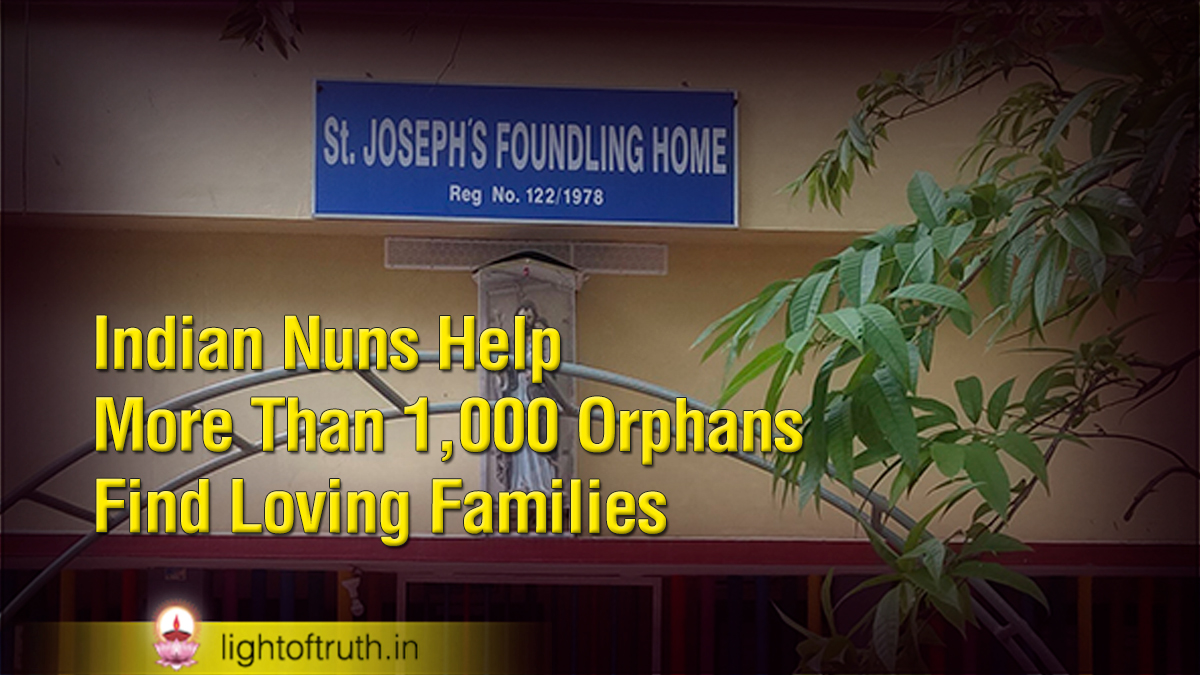
Indian Nuns Help More Than 1,000 Orphans Find Loving Families

A group of Catholic nuns in India has helped more than 1,000 orphaned and abandoned children find loving families through legal adoption, bringing hope to children who once had no home. The sisters have been working for many years to care for vulnerable children and guide them through the adoption process.

The nuns run child care centres where children receive food, education, medical care, and emotional support until they are placed with adoptive families. They work closely with government authorities to ensure every adoption follows India’s legal procedures and protects the rights of each child.

The sisters said their mission is not only to provide shelter but also to give every child the opportunity to grow up in a loving and caring family. They believe every child deserves security, dignity, and the chance to build a bright future.

Many of the children placed through the centres were abandoned at birth or lost their parents because of illness, poverty, or other difficult circumstances. The adoption programme has helped them begin a new life with families ready to love and care for them.

The sisters also encourage more couples to consider adoption, reminding society that thousands of children are still waiting for permanent homes. They said adoption is an act of love that changes the lives of both children and parents.

Church leaders praised the sisters for their dedication and compassionate service. They said the ministry reflects the Church’s commitment to protecting children and defending their dignity. The successful placement of more than 1,000 children stands as a powerful witness to hope, compassion, and the life-changing gift of family.

Catholic Group Condemns Threats Against Indian Judge

A Catholic organization has strongly condemned threats made against an Indian judge following a recent court order, calling for respect for the judiciary and protection of judges from intimidation.

The statement was issued by the United Christian Forum (UCF), an ecumenical body representing several Christian groups in India. The organization expressed concern over social media attacks and threatening remarks directed at the judge after the court’s decision became public.

UCF said that differences with a judicial ruling should be addressed through legal processes and not through personal attacks or threats. It warned that attempts to intimidate judges could weaken public confidence in the justice system and harm the rule of law.

Christian leaders urged political parties, civil society groups, and citizens to uphold democratic values and maintain dignity in public debate. They emphasized that an independent judiciary is essential for protecting constitutional rights and ensuring justice for all communities.

The forum also appealed to authorities to investigate any credible threats and take necessary steps to ensure the safety of judicial officers. It said judges must be able to perform their duties without fear or pressure.

Legal experts noted that criticism of court judgments is allowed in a democracy, but threats or incitement against judges cross an important line. They stressed that disagreements should be pursued through appeals, reviews, and other lawful mechanisms.

UCF concluded by urging all sections of society to reject hatred and intimidation and to support institutions that safeguard justice and constitutional order in the country. The organization said protecting the independence and dignity of the judiciary is vital for the health of Indian democracy and for the rights of every citizen.

CBCI Urges Centre to Withdraw FCRA Amendments and Act on Manipur Crisis

The Catholic Bishops’ Conference of India (CBCI) has urged the Central Government to withdraw the proposed amendments to the Foreign Contribution (Regulation) Act (FCRA), saying the changes could negatively affect charitable and humanitarian organisations across the country.

In a memorandum submitted to Union Home Minister Amit Shah, the bishops said the Catholic Church has served India for centuries through schools, hospitals, social service institutions, disaster relief, rural development, and tribal welfare programmes without discrimination. While supporting transparency and accountability, the CBCI said the proposed amendments could weaken the work of organisations serving poor and vulnerable communities.

The bishops requested that the proposed FCRA Amendment Bill and Rules be withdrawn. They also suggested that any future changes should include constitutional safeguards, fair legal procedures, and protection for charitable institutions. The memorandum also recommended removing the term “proselytization” from the proposed Rules and ensuring that only trustees and governing body members are treated as key functionaries under the law.

The CBCI also raised concerns about religious freedom, saying anti-conversion laws in some states have increased fear and hostility toward Christians. It urged the government to help ensure an early hearing of cases related to these laws and the constitutional status of Dalit Christians before the Supreme Court.

The bishops also expressed deep concern over the continuing violence in Manipur, describing it as a serious humanitarian crisis. They said thousands of families remain displaced, education has been disrupted, and many people continue to suffer emotionally and financially. The CBCI appealed to the Government to restore peace in Manipur and reaffirmed the Church’s commitment to national unity, communal harmony, humanitarian service, and the constitutional values of India.

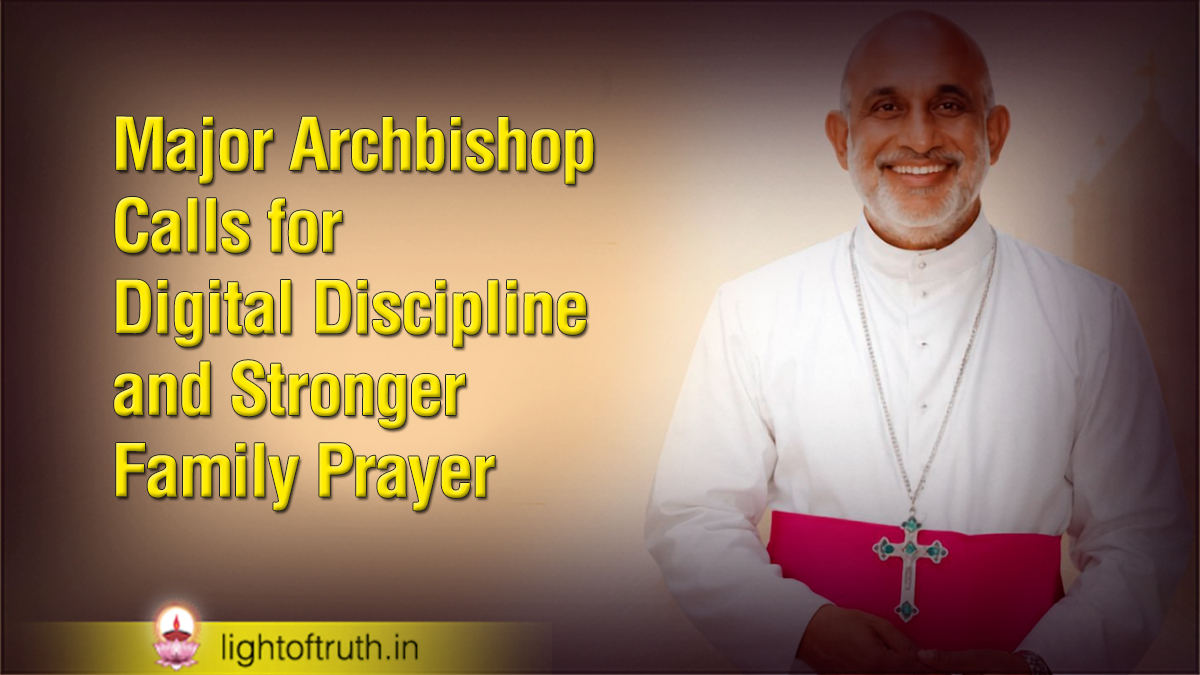
Major Archbishop Calls for Digital Discipline and Stronger Family Prayer

Major Archbishop Raphael Thattil has urged Syro-Malabar Catholics to use digital technology responsibly, remain faithful to the truth, and strengthen family prayer in a pastoral letter issued ahead of the 2026 Dukrana–Sabhadinam (St. Thomas’ Day) celebrations.

The pastoral letter, addressed to bishops, priests, religious and lay faithful, presents St. Thomas the Apostle as a model of faith and courage. It encourages Catholics to follow his example by living as faithful witnesses to Christ in today’s world.

Highlighting the challenges of the digital age, the Major Archbishop called on people to use social media with honesty and responsibility. He warned against spreading false information, hatred and harmful content online, urging everyone to verify facts before sharing them. Referring to Pope Leo XIV’s encyclical Magnifica Humanitas, he said technology should always respect human dignity and serve the common good.

The letter also stresses the importance of Christian families as the first place where faith is nurtured. Parents were encouraged to spend more quality time with their children through daily family prayer and by observing periods of “digital fasting,” such as keeping mobile phones away during meals.

Expressing concern over issues such as youth violence, drug abuse and neglect of the elderly, the Major Archbishop called on Catholics to become ambassadors of peace, justice and compassion through their daily lives. He also encouraged greater unity within the Church and announced Jeevan Jyothi, a new initiative to strengthen the missionary work of lay people across the Syro-Malabar Church. The pastoral letter will be read in all Syro-Malabar parishes and institutions during the Dukrana celebrations.

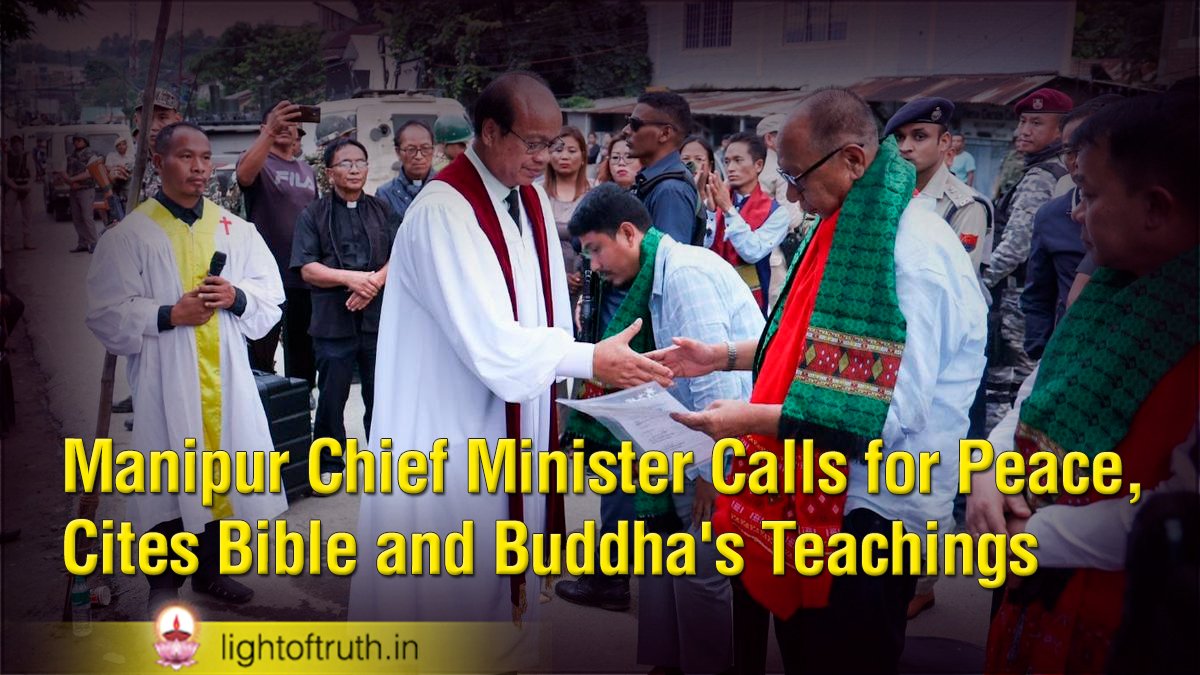
Manipur Chief Minister Calls for Peace, Cites Bible and Buddha’s Teachings

Manipur Chief Minister Yumnam Khemchand Singh has appealed for peace and reconciliation among the state’s communities, urging people to reject violence and work together to rebuild trust. During his visit to the hill districts of Kangpokpi and Senapati, he referred to the teachings of both the Bible and Gautama Buddha, highlighting the shared values of forgiveness, compassion, and mutual respect.

Addressing community leaders and residents, the Chief Minister said lasting peace can only be achieved through dialogue, justice, and reconciliation. He called on the Kuki, Naga, and Meitei communities to overcome divisions caused by the ethnic conflict and work together for a better future.

In Kangpokpi, Singh met Church leaders and local representatives. He assured them that the government remains committed to investigating the killings of Christian Church leaders during the violence and bringing those responsible to justice. The assurance was welcomed by local residents, who have repeatedly sought accountability and better protection for religious leaders and civilians.

The Chief Minister also visited Senapati district, where he held discussions with civil society groups, religious leaders, and government officials on restoring normal life, improving public services, and strengthening cooperation among different communities.

Although the level of violence has reduced, many families are still living in relief camps or rebuilding their lives after being displaced. Community leaders said lasting peace will require continued dialogue, justice for victims, and cooperation across ethnic and religious communities. The visit is part of the state government’s ongoing efforts to promote reconciliation, restore peace, and strengthen unity in Manipur.

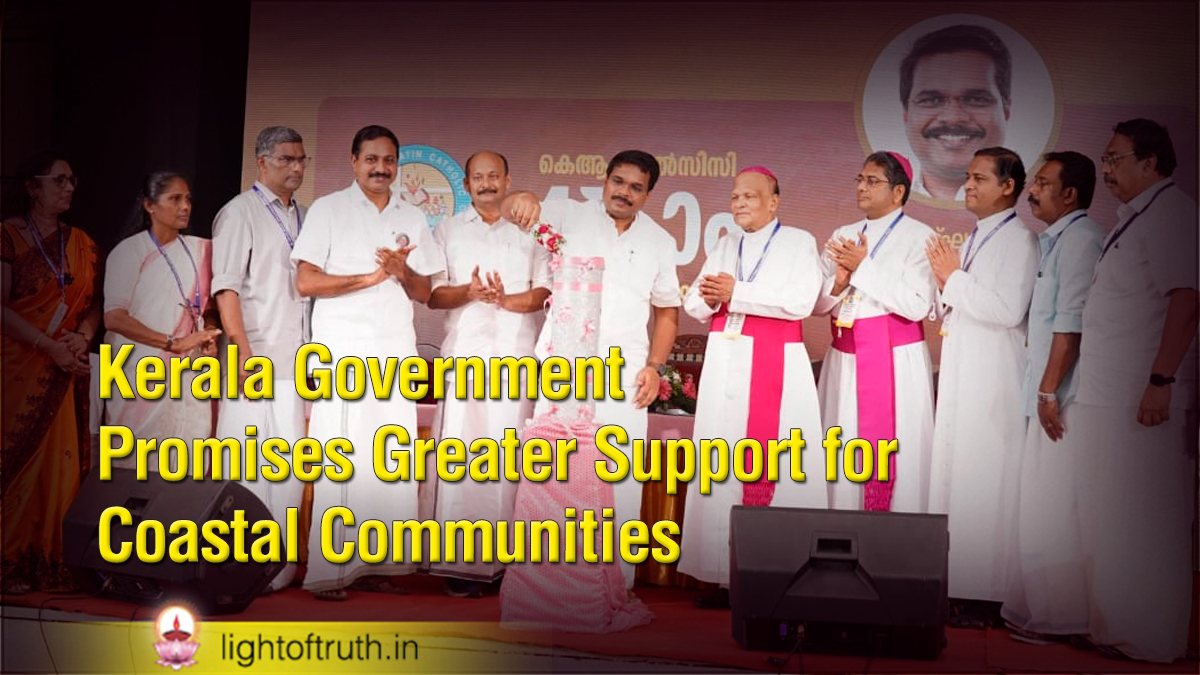
Kerala Government Promises Greater Support for Coastal Communities

The Kerala Government has assured the Latin Catholic community that it will continue to support the welfare of coastal residents and fisherfolk through new schemes and policy measures. The assurance was given by Kerala Fisheries Minister Adv. V. E. Abdul Gafoor while inaugurating the 47th General Assembly of the Kerala Region Latin Catholic Council (KRLCC) at the Alpha Pastoral Centre, Idakochi.

The minister said the government is committed to addressing the problems faced by coastal communities and will give due attention to the genuine demands of the Latin Catholic community. He added that several welfare programmes for fishing families are being planned.

The three-day assembly has brought together representatives from the 12 Latin Catholic dioceses of Kerala to discuss the Church’s pastoral mission and the social and economic development of the community.

The inaugural session was presided over by Archbishop Varghese Chakkalakal, President of the KRLCC. Several Church leaders, public representatives, and KRLCC office-bearers also addressed the gathering.

A major focus of the first day was the preparation of a 10-year pastoral plan for the Latin Catholic Church in Kerala. Participants also discussed the present challenges and future opportunities for the community, including education, employment, and social development.

The evening session included an address by Higher Education Minister Roji M. John and a cultural performance of Chavittunadakam based on the life of Blessed Mother Eliswa. The assembly will continue with discussions on pastoral planning, welfare programmes, education, employment, and the recommendations of the J. B. Koshy Commission. The event will conclude on July 12 with reports, scholarship distribution, and a concluding address by Archbishop Chakkalakal.

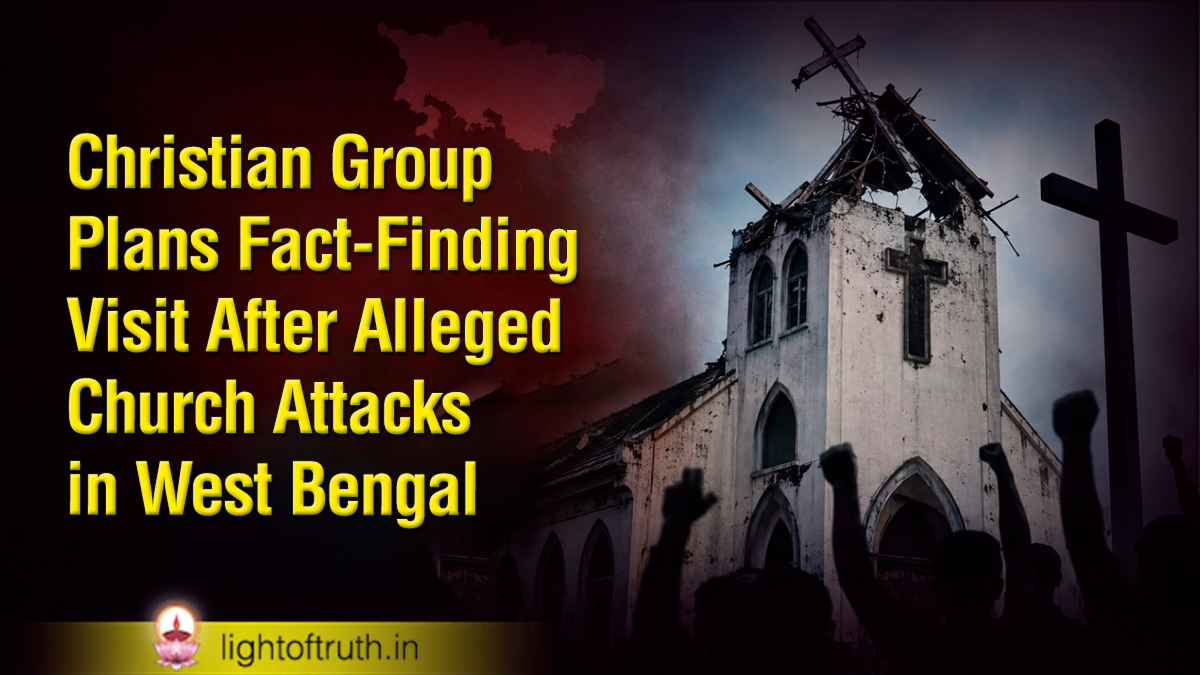
Christian Group Plans Fact-Finding Visit After Alleged Church Attacks in West Bengal

The Bangiya Christiya Pariseba (BCP), also known as the Bengal Christian Council, has expressed concern over a series of alleged attacks on churches and Christian communities in West Bengal. The organization has announced a fact-finding visit to the affected areas and plans to hold a peaceful protest, calling for better protection of religious minorities.

In a statement issued on July 8, BCP claimed that several incidents reported in different parts of the state during the past month followed a similar pattern. The group alleged that attacks on Christians were followed by accusations of forced religious conversion and the circulation of videos on social media that portrayed Christians negatively.

Among the incidents highlighted was an alleged attack on a Christian wedding thanksgiving gathering in Paschim Medinipur on July 4. BCP claimed that some women attending the event were assaulted and that the pastor was later detained by police on what it described as baseless allegations. The organization also referred to attacks on a church in Purba Bardhaman and a church under construction in South 24 Parganas, where it alleged vandalism, theft, and damage to Christian symbols.

BCP has urged the state government to ensure the safety of churches and Christian families and to conduct fair investigations into the reported incidents. It also appealed to civil society and religious leaders to work together to maintain peace and harmony. The planned fact-finding mission aims to document the reported incidents, meet affected families, and submit its findings to the authorities while seeking justice and stronger protection for religious freedom.

Historic Mumbai Church Celebrates Feast of St. John the Baptist

Hundreds of Catholics gathered at the historic St. John the Baptist Church in Andheri (East), Mumbai, to celebrate the Feast of St. John the Baptist with prayer and devotion. The faithful took part in a 30-minute Eucharistic Adoration, praying for peace, unity, and a stronger faith.

The church, located inside the Santacruz Export Processing Zone (SEEPZ), was built in 1579 by Portuguese priest Father Manuel Gomes. Now 447 years old, it is one of Mumbai’s oldest churches. Although it was abandoned in 1840 after a local epidemic, its historic ruins remain a place of deep spiritual importance. A new parish, St. John the Evangelist Church in nearby Marol, now serves the local Catholic community, but the faithful return every year to celebrate the feast.

Parish priest Father Anthony J. Fernandes expressed hope that the Church would one day be allowed to celebrate Holy Mass at the historic site every month. Father Andrew Anthony Mukadom recalled that centuries ago, Catholics from Kanjurmarg, Powai, Sahar, and nearby areas gathered there for worship.

The Feast of St. John the Baptist, celebrated on June 24, honours the birth of the saint who prepared the way for Jesus Christ through his preaching and baptism. It is one of only three birthdays celebrated in the Catholic liturgical calendar.

The feast also coincided with the traditional São João Festival, celebrated in Goa and parts of Mumbai with music, dance, floral crowns, and joyful cultural activities. The celebration reflected the strong faith of Mumbai’s Catholic community and its commitment to preserving centuries-old Christian heritage and traditions.