Tea Vendor’s Simple Act of Kindness Touches Hearts Across India

A tea vendor from Thrippunithura has won the admiration of people across the country after showing remarkable compassion to a woman injured in a road accident.

The incident took place near Statue Junction when a 56-year-old woman riding a scooter was involved in a serious accident with a bus. According to reports, she was dragged several metres before local residents managed to stop the vehicle. She suffered severe injuries, and her clothes were torn during the accident.

Among the first people to reach the scene was M.R. Shaji, a 53-year-old tea vendor who has been serving tea to nearby shops, banks, and offices for many years.

Without thinking twice, Shaji removed the mundu (dhoti) he was wearing and used it to cover the injured woman, protecting her dignity while she waited for medical help. A nearby shopkeeper later gave Shaji another cloth to wear.

Speaking after the incident, Shaji said he simply did what he felt was right. His only concern was that the injured woman should not suffer further embarrassment during such a painful moment.

Local residents and bystanders later helped move the woman into an autorickshaw and rushed her to a nearby hospital for treatment.

The incident gained widespread attention after CCTV footage of Shaji’s selfless act spread on social media. Thousands of people praised his kindness, quick thinking, and respect for human dignity.

Although many have called him a hero, Shaji has remained humble, saying anyone should have done the same. His simple act of compassion has become a powerful reminder that humanity and kindness can shine even in the most difficult moments.

Kerala Bishops Oppose Government’s Decision to Reduce Liquor Tax

Catholic bishops in Kerala have urged the state government to withdraw its decision to reduce taxes on low-alcohol beverages, warning that the move could encourage alcohol consumption and create more social problems.

In its first annual budget presented on June 19, the new United Democratic Front (UDF) government announced a major cut in taxes on drinks containing up to 20 percent alcohol. The government plans to reduce the tax on beverages with 0–10 percent alcohol from 251 percent to 120 percent, while drinks containing 10–20 percent alcohol will be taxed at 175 percent.

The proposal has drawn criticism from Church leaders, opposition parties, and even some members of the ruling party.

Bishop Remigiose Inchananiyil said the decision sends the wrong message to society and may increase alcohol addiction in a state already facing serious problems related to alcohol and drug abuse. He added that the policy goes against the values promoted by Mahatma Gandhi, who strongly opposed alcohol consumption.

The Kerala Catholic Bishops’ Council Temperance Commission also criticized the policy, saying it could encourage young people to begin drinking rather than helping existing drinkers.

Opposition leader Pinarayi Vijayan questioned the decision, claiming it could mainly benefit liquor companies. Former state Congress president M. Sudheeran also urged the government to reconsider the proposal.

According to the latest National Family Health Survey, about one in four men in Kerala consumes alcohol, with the rate increasing in recent years. Church leaders fear the tax reduction could make the problem worse and affect families and young people across the state.

Christians and Tribal Groups Oppose Hindu Prayers in Chhattisgarh Schools

Christian organizations and tribal community leaders in Chhattisgarh have urged the state government to withdraw a directive asking schools to include Hindu prayers and rituals in their daily activities.

The directive, issued by the state’s Education Department on June 12, asks all government-recognized schools to begin the school day by chanting prayers in praise of Hindu deities and lighting a traditional Hindu lamp. The new practice is to be followed during the current academic year.

Christian leaders say the order violates the religious freedom guaranteed by the Indian Constitution. Christopher Paul said that if the government does not withdraw the directive, Christian students and teachers should at least be exempted from taking part in Hindu prayers and rituals. He said his organization has already written to the Education Department requesting an exemption but has not yet received a reply.

Simon Digbal Tandi said schools should remain secular and should not promote any one religion. He added that Christian groups are consulting legal experts and may approach the High Court if the directive is enforced on Christian schools.

A Catholic school principal, speaking anonymously, said the school has not yet received an official order and will decide its response after receiving formal instructions.

Tribal leaders have also opposed the move. Manish Kunjam said that Adivasis follow their own traditional faith and should not be compelled to participate in Hindu religious practices through the school system.

The issue has sparked fresh debate over religious freedom, secular education, and the rights of minority communities in India.

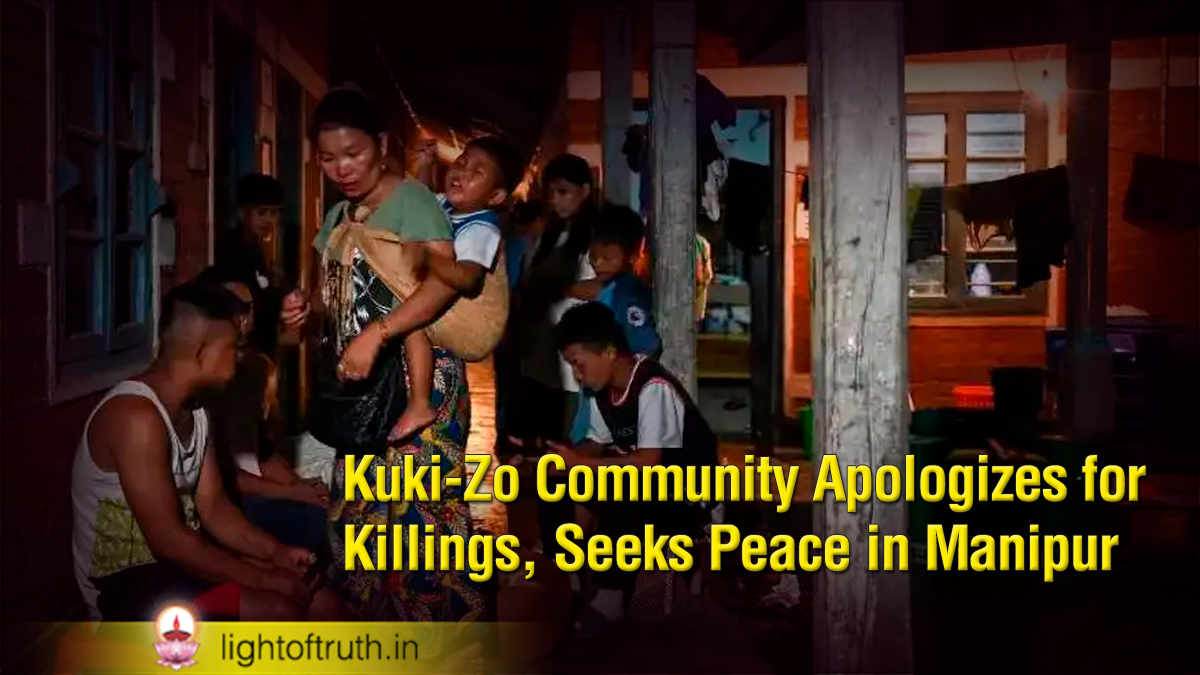
Kuki-Zo Community Apologizes for Killings, Seeks Peace in Manipur

The Kuki-Zo Council (KZC) has publicly apologized for the killing of six Naga civilians in Manipur, expressing hope that the move will reduce tensions and help end the economic blockade affecting Kuki-Zo communities.

The apology came after the bodies of six Naga villagers were found near a Kuki-Zo village on June 10. The incident further increased tensions between the two tribal communities, both of which are largely Christian.

Speaking at a press conference in Churachandpur, KZC Chairman Henlianthang Thanglet admitted that the killings were a serious mistake. He expressed deep regret on behalf of the Kuki-Zo community and called on the authorities to bring those responsible to justice.

A Church leader from the Kuki community said the apology was made to restore peace and end hostility between the two communities. He explained that the ongoing economic blockade has caused severe shortages of food, medicine, and fuel in Kuki-Zo areas, leaving many families dependent on supplies brought by the armed forces.

However, Naga organizations rejected the apology, saying that it would not be accepted until those responsible for the killings are punished according to law. They also announced that the economic blockade would continue until justice is served.

The recent violence is part of a series of retaliatory attacks between the Kuki-Zo and Naga communities that began in April. Around 30 people have been killed and about 45 Kuki villages have been burned in the latest clashes. The unrest comes amid the wider ethnic conflict in Manipur, which began in May 2023 and has claimed more than 260 lives, displaced over 60,000 people, and destroyed thousands of homes, churches, and Church institutions.

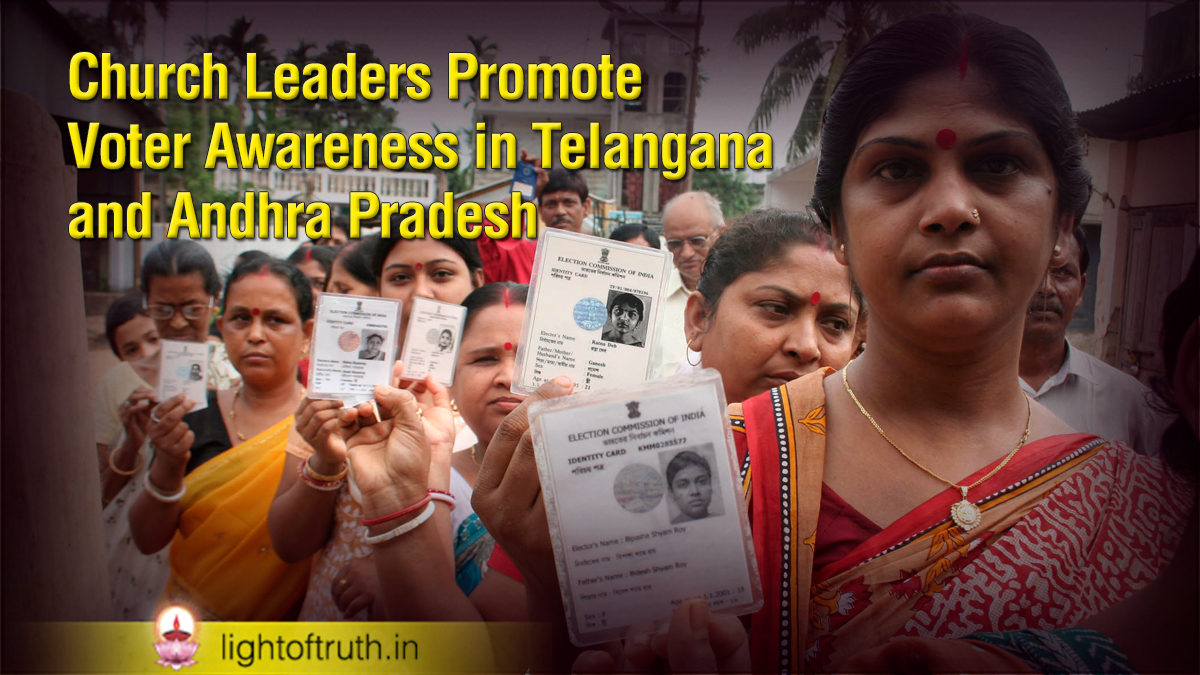
Church Leaders Promote Voter Awareness in Telangana and Andhra Pradesh

Church leaders and social organizations in Telangana and Andhra Pradesh have launched a voter awareness campaign to help people take part in the Special Intensive Revision (SIR) of the electoral rolls.

More than 100 priests, religious sisters, and community leaders attended an online awareness and training programme on June 22. The participants were trained to become “master trainers” and help people understand the voter registration process before the revision begins on June 25.

The programme was organized by the Conference of Religious India (CRI) in partnership with the All India Peace Mission Telangana and Youth Welfare Telangana. The SIR aims to ensure that every eligible citizen is correctly included in the electoral rolls.

During the session, speakers stressed that voting is both a civic right and a social responsibility. Participants received training on filling registration forms, working with booth-level officers, and helping people complete the required documentation. They also discussed ways to support voters whose names may need correction or inclusion.

In a circular issued on June 17, Cardinal Anthony Poola urged all Catholics to take the revision process seriously. He said every eligible person should ensure that their name and the names of eligible family members are included in the voter list.

The Cardinal also asked parishes to appoint volunteers to assist the elderly, persons with disabilities, and others who may face difficulties with documentation.

Organizers plan to set up help desks in churches, schools, and community centres to guide people through the process. They said the campaign aims to strengthen democratic participation and ensure that no eligible voter is left out of the electoral rolls.

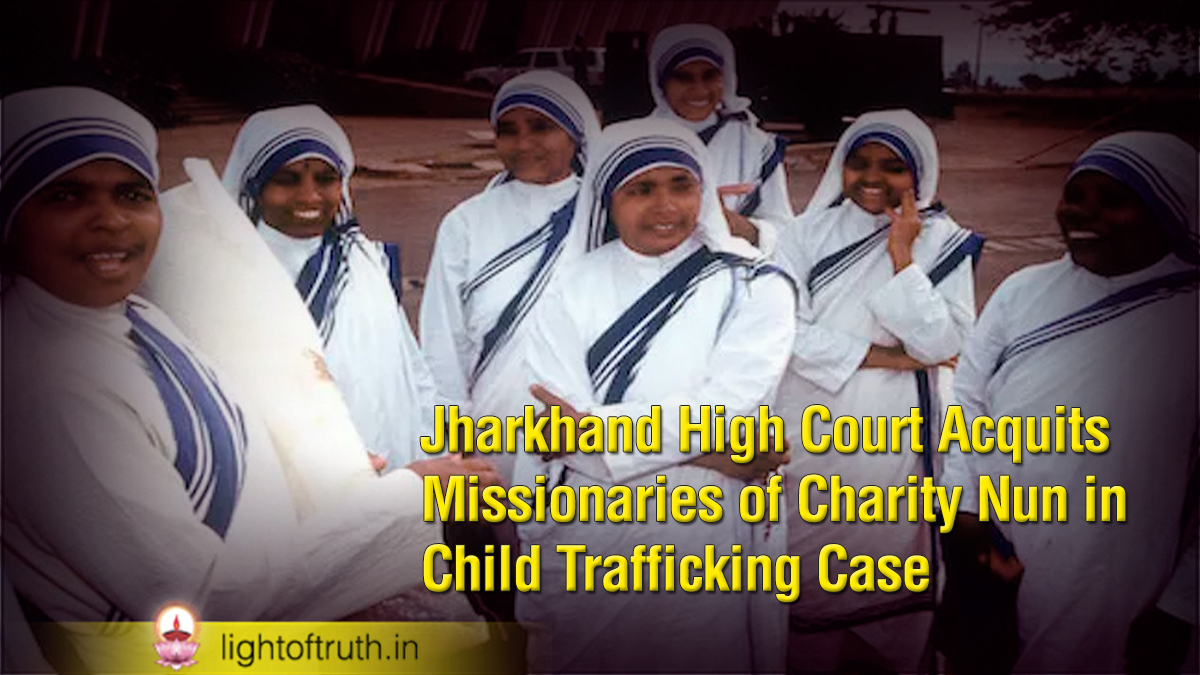
Jharkhand High Court Acquits Missionaries of Charity Nun in Child Trafficking Case

The Jharkhand High Court has acquitted Sister Concilia and two co-accused in the 2018 Ranchi child trafficking case, bringing an end to nearly eight years of legal proceedings.

The case began after allegations that a 14-day-old baby had been sold for ₹50,000 from a Missionaries of Charity shelter home in Ranchi. Sister Concilia was arrested and spent three years in prison before being granted bail. The allegations received wide public attention and affected the congregation’s charitable work.

Following the arrests, another Missionaries of Charity home in Hinoo, which cared for 24 infants, was closed by the authorities. Several other institutions run by the congregation in Jharkhand also reportedly faced investigations and difficulties.

Reacting to the judgment, Bishop Theodore Mascarenhas described the verdict as a victory for truth, faith, and perseverance. He said the legal battle had been long and challenging, recalling that it took three years just to secure bail for Sister Concilia.

The bishop thanked God and expressed gratitude to the lawyers, members of the legal team, the sisters of the congregation, and many well-wishers who supported the case throughout the years. He also acknowledged the leadership of Sister Prema and Sister Joseph for guiding the congregation during the difficult period. Church leaders welcomed the High Court’s decision, saying it restores confidence in the Missionaries of Charity and recognizes the congregation’s long-standing commitment to serving the poor, abandoned, and vulnerable. For Sister Concilia, the verdict marks the end of a painful chapter and a reaffirmation of justice after years of suffering.

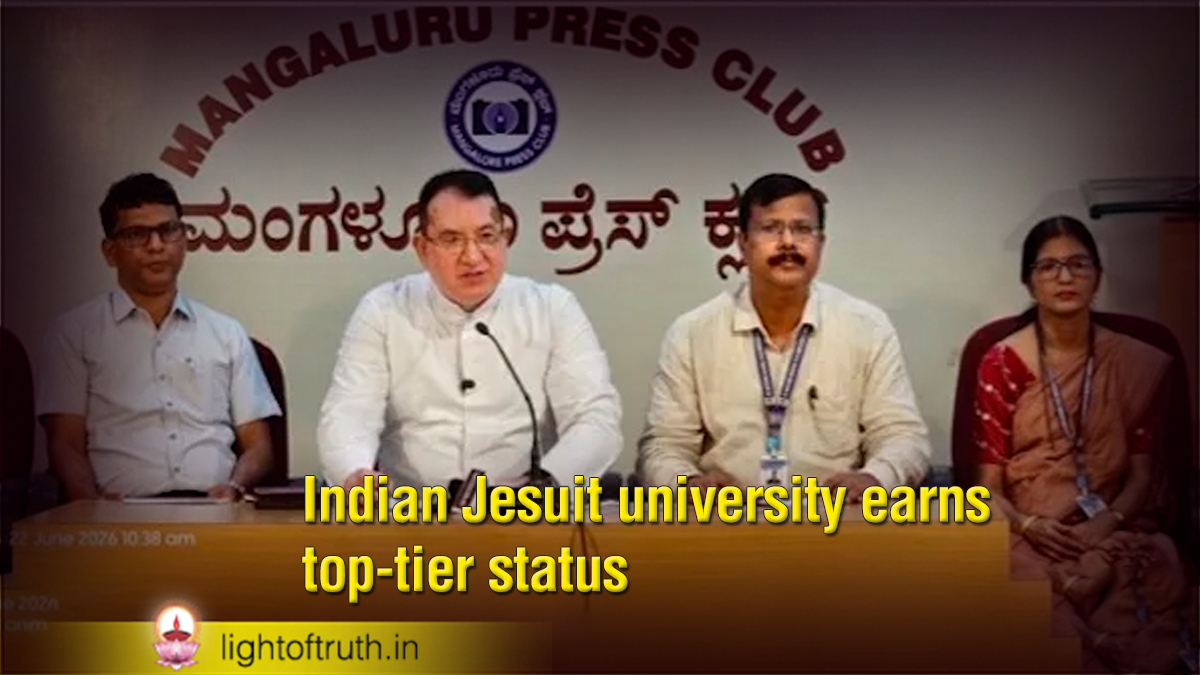
Indian Jesuit university earns top-tier status

St Aloysius (Deemed to be University), a Jesuit-managed institution in Mangaluru, has been granted Category-I status by the University Grants Commission (UGC), marking a major achievement in its 146-year history.

The recognition was awarded on June 20 and places the university among India’s top-performing higher education institutions. Vice Chancellor Fr. Praveen Martis said the honour reflects the university’s long tradition of academic excellence, research, innovation, and service to society.

Category-I is the highest level of autonomy granted by the UGC to universities with strong academic performance, high accreditation standards, and excellent institutional rankings. The recognition also comes at a time when competition among higher education institutions in India is increasing.

St Aloysius is only the second deemed-to-be university in Karnataka to receive this status under the UGC’s graded autonomy framework, introduced in 2018. Across India, there are 1,292 universities, including 157 deemed universities. Only 26 deemed universities have earned Category-I status, making this recognition highly prestigious.

Founded by the Jesuits in 1880, St Aloysius has built a strong reputation through quality teaching, active research, dedicated faculty, and a wide network of alumni across the world.

The new status gives the university greater academic and administrative freedom. It can establish off-campus centres within its jurisdiction, set up research parks, innovation hubs, and incubation centres without prior approval. The recognition also strengthens opportunities for international collaborations, joint research projects, dual-degree programmes, and attracting students from abroad.

University leaders believe this milestone will open new opportunities for academic growth and further strengthen St Aloysius University’s contribution to higher education in India.

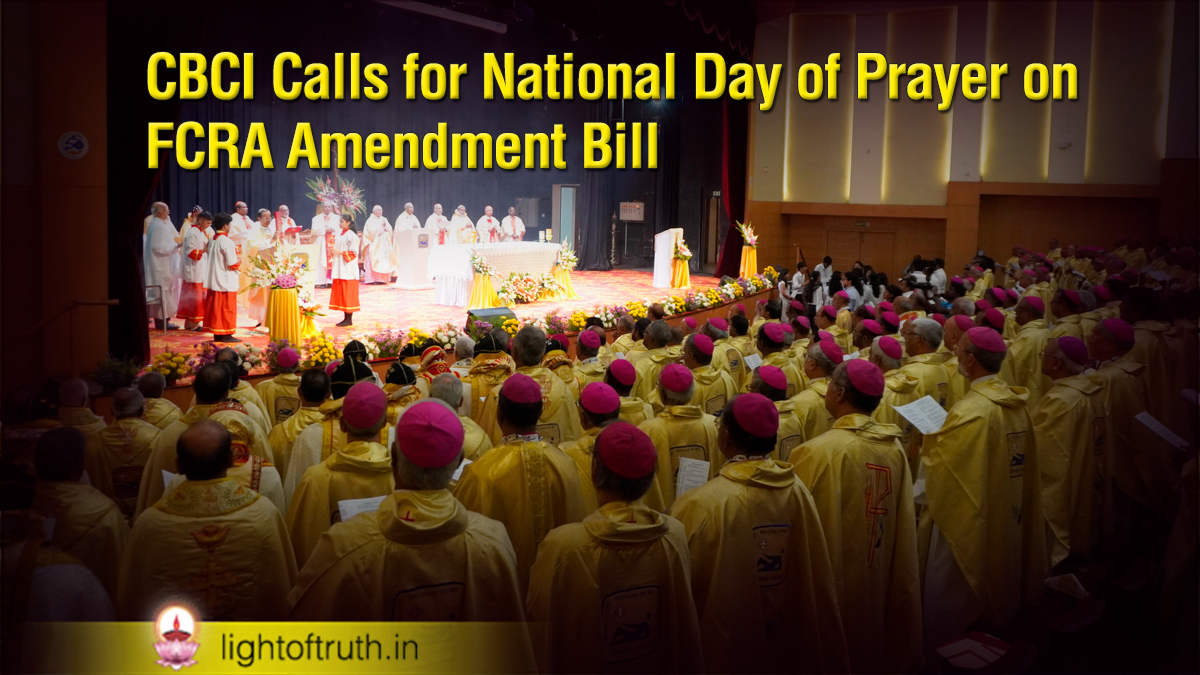
CBCI Calls for National Day of Prayer on FCRA Amendment Bill

The Catholic Bishops’ Conference of India (CBCI) has called on Catholic churches across India to observe June 28, 2026, as a National Day of Prayer in response to the proposed Foreign Contribution Regulation Act (FCRA) Amendment Bill.

The bill is expected to be discussed during Parliament’s Monsoon Session, and Church leaders have expressed concern that it could affect the charitable, educational, healthcare, and social service activities carried out by Christian institutions across the country.

In a circular dated June 17, Cardinal Anthony Poola, President of the CBCI, said that the Church in India has always served society, especially the poor and marginalized, inspired by the Gospel values of love, justice, and compassion.

The CBCI has requested all parishes to include special prayers during Holy Mass and organize Eucharistic Adoration, the Rosary, prayer services, and voluntary fasting on June 28. It has also encouraged ecumenical prayer gatherings with members of other Christian denominations.

The circular further asked dioceses, parishes, and Church institutions to prepare memoranda signed by the faithful and other people of goodwill. These memoranda should express concerns about the possible impact of the proposed legislation and may be submitted to the Central Government through local Members of Parliament.

Quoting Philippians 4:6, Cardinal Poola reminded the faithful not to be anxious but to present their concerns to God through prayer and thanksgiving. He described prayer as a peaceful and democratic way of expressing concern.

The CBCI also requested that the circular be translated into regional languages and read in all churches on June 21 to encourage the participation of the faithful in the nationwide observance.

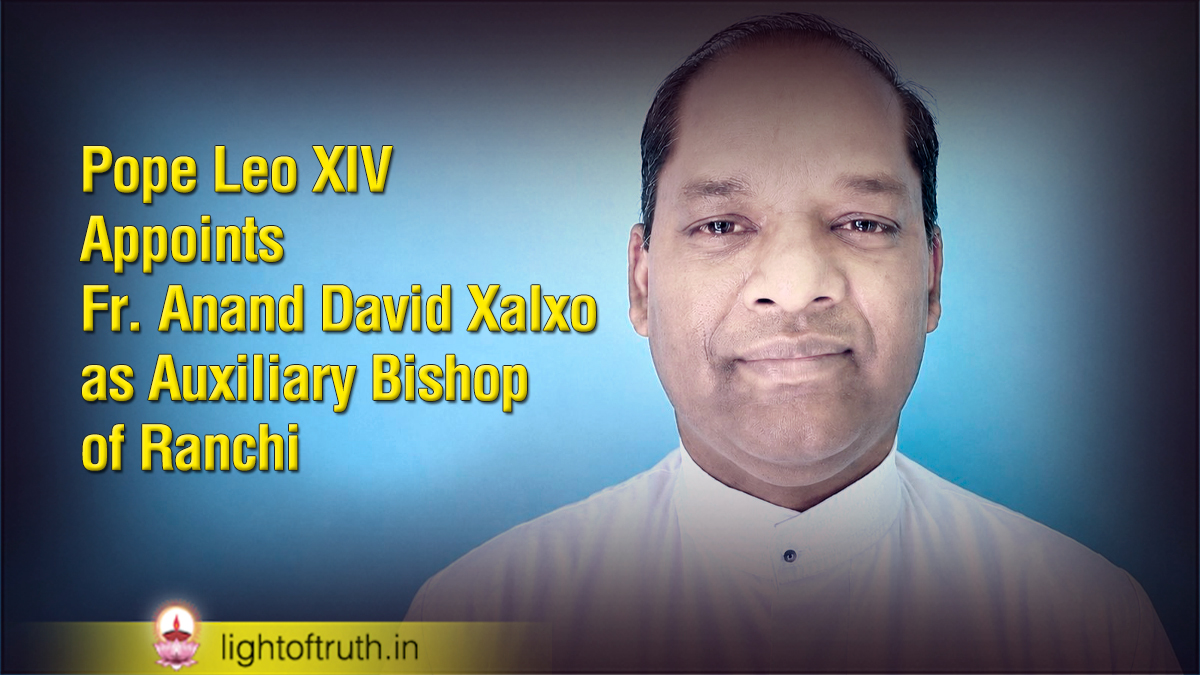
Pope Leo XIV Appoints Fr. Anand David Xalxo as Auxiliary Bishop of Ranchi

Pope Leo XIV has appointed Father Anand David Xalxo as the new Auxiliary Bishop of the Archdiocese of Ranchi. The appointment marks an important milestone in the life and ministry of the 51-year-old priest, who has served the archdiocese in several key roles.

Bishop-elect Anand David Xalxo is currently the Vicar General of the Archdiocese of Ranchi and the parish priest of St. Mary’s Cathedral.

Born on November 20, 1975, in Mandar, near Ranchi, he completed his early education in his hometown. He began his priestly formation at St. John Vianney Minor Seminary in Kolkata and later continued his studies at St. Albert’s College and St. Xavier’s College, Ranchi. He completed his theological studies at St. Albert’s College and was ordained a priest for the Archdiocese of Ranchi on May 15, 2006.

After his ordination, Fr. Xalxo served as the private secretary to Cardinal Telesphore Toppo. He later pursued postgraduate studies in hospital administration in Mangaluru.

During his priestly ministry, he held several important positions, including Associate Director of the Catholic Bishops’ Conference of India Society for Medical Education in North India and Secretary to the Secretary General of the Catholic Bishops’ Conference of India in New Delhi. He also served as Public Relations Officer, administrator of the Archbishop’s House, and director of various pastoral and social ministries in Ranchi. Since 2024, he has been serving as the Vicar General of the Archdiocese. His appointment as Auxiliary Bishop is expected to strengthen the pastoral mission of the Archdiocese of Ranchi.

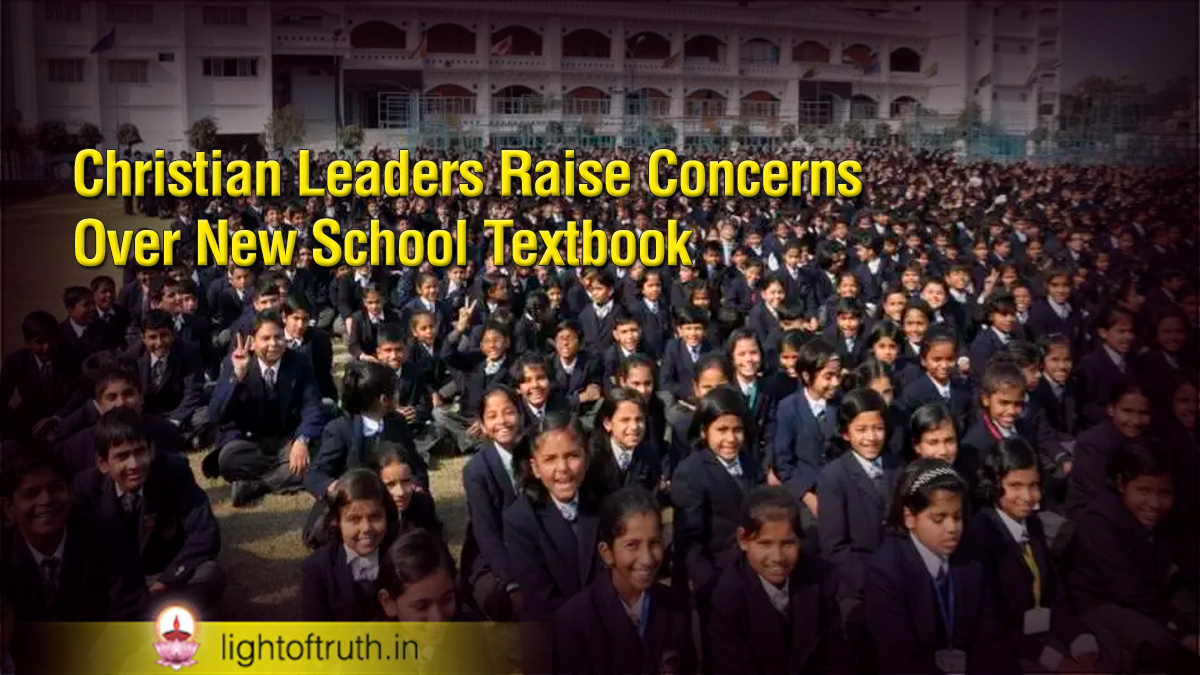
Christian Leaders Raise Concerns Over New School Textbook

Christian leaders, educationists, and civil rights groups have expressed concern over a new Class 6 school textbook introduced by the Indian government, saying it may promote a majoritarian view instead of reflecting India’s cultural and religious diversity.

The textbook, titled “Krishna,” was prepared by the National Council of Educational Research and Training (NCERT), an organization under the Central Board of Secondary Education (CBSE). Government officials said the book is named after the Krishna River and is part of a series named after Indian rivers. However, critics believe the title may also be linked to the Hindu deity Krishna.

One chapter, “Health is Wealth,” has drawn criticism for promoting the Hindu concept of sattvic food, which focuses on vegetarian eating. Critics say the chapter does not include meat, fish, or eggs as part of a balanced diet, even though these foods are commonly eaten in many parts of India.

A. C. Michael said the textbook could make minority communities and people from different cultural backgrounds feel excluded. He added that education should encourage inclusion, respect, and critical thinking.

Michael Williams said school textbooks should reflect India’s constitutional values of equality, diversity, and respect for all cultures. He stressed that no child should feel that their food habits, faith, or family traditions are less important than others.

Education activists have also questioned recent curriculum changes, saying local cultures and regional diversity should be respected in school education. The government has defended the textbook, stating that the changes are intended to strengthen national unity and improve educational standards. However, the revisions have sparked a wider debate on how India’s history, culture, and diversity should be presented in school classrooms.