Italian Missionary in India Declared Venerable by Pope Leo XIV

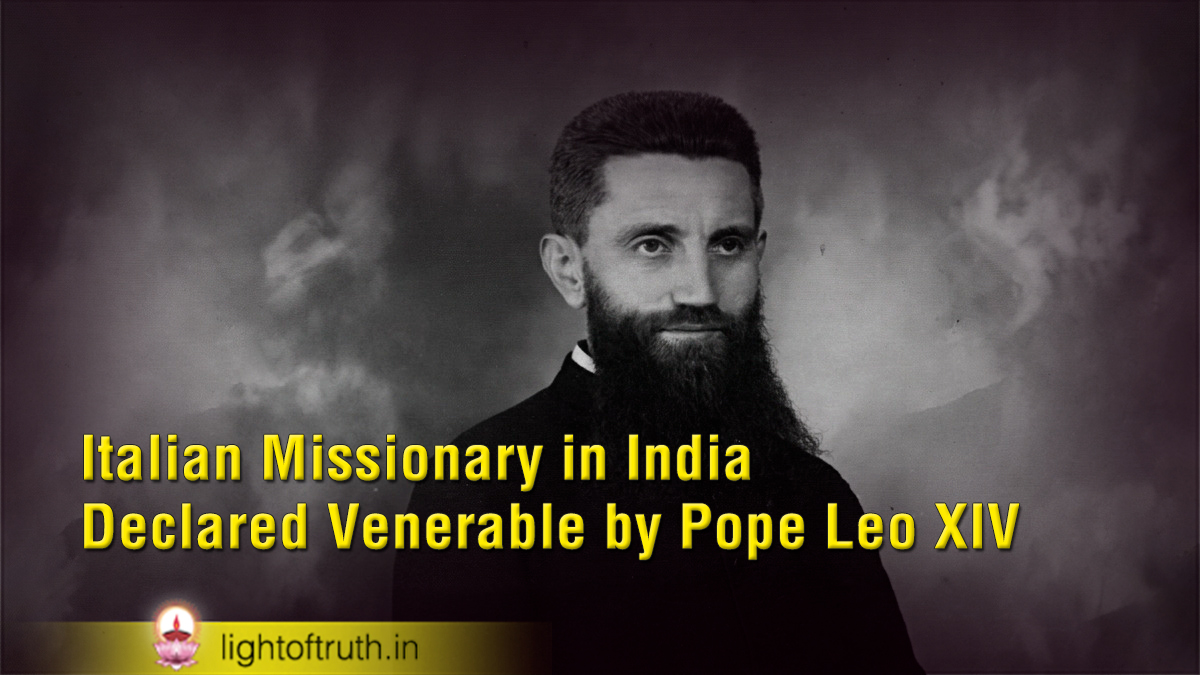
The Catholic Church has declared Salesian missionary Fr. Costantino Vendrame as “Venerable,” recognising his heroic virtues and lifelong service to the poor and the Church in India. Pope Leo XIV approved the decree on May 22, marking the second step in the Catholic canonisation process.

Fr. Vendrame was an Italian missionary who spent nearly 30 years serving in northeastern India, especially in Assam and Meghalaya. Known for his deep faith and compassion, he travelled on foot to remote villages, bringing education, care, and the message of the Gospel to poor and neglected communities.

Church leaders described him as a “missionary of hope” who touched the lives of people across different faiths. Many respected him not only as a priest but also as a humble servant of humanity.

Born in Treviso, Italy, Fr. Vendrame joined the Salesians with a strong desire to become a missionary. He was ordained a priest in 1924 and arrived in Shillong later that same year. He later served in Meghalaya and Tamil Nadu.

During World War II, British authorities imprisoned him because he was Italian. Despite hardship, illness, and severe pain caused by osteoarthritis, he continued his mission with courage and dedication.

Fr. Vendrame died on January 30, 1957, in Dibrugarh, Assam, at the age of 63.

The Salesian community welcomed the declaration with joy, saying his life remains an inspiration of faith, sacrifice, and service. Many faithful now pray that his journey toward sainthood will continue in the years ahead.
Christian Women’s Movement Condemns Killing of Church Leaders in Manipur

The Indian Christian Women’s Movement (ICWM) has strongly condemned the killing of three Kuki Church leaders in Manipur’s Kangpokpi district and called for peace and reconciliation amid continuing ethnic tensions in the state.

The attack took place on May 13 when armed men reportedly ambushed a group of community leaders. Besides the three deaths, four others were seriously injured in the incident. The violence has increased concerns about the safety of minority communities in conflict-affected areas of Manipur.

In a public statement, ICWM described the killings as a “gruesome incident” and warned that the situation in Manipur remains deeply troubling. The organisation noted that the violence comes against the background of ethnic unrest that has continued in the state since May 2023.

ICWM leaders Susan Thomas and Raynah Marise expressed solidarity with the victims and their families. They said the movement stands with all those suffering because of violence and insecurity in the region.

The organisation appealed to communities not to respond with revenge or further violence. Instead, it encouraged dialogue and reconciliation between the Kuki and Tangkhul Naga communities. According to the statement, peace can grow only when people respect differences and see one another as brothers and sisters rather than enemies.

ICWM also urged government authorities and civil society groups to work together to restore peace and protect vulnerable communities.

The statement concluded with a call for people to become “sowers of peace” and to promote understanding among different ethnic and religious groups in Manipur.

Jesus Youth Across India Renew Missionary Commitment on Pentecost

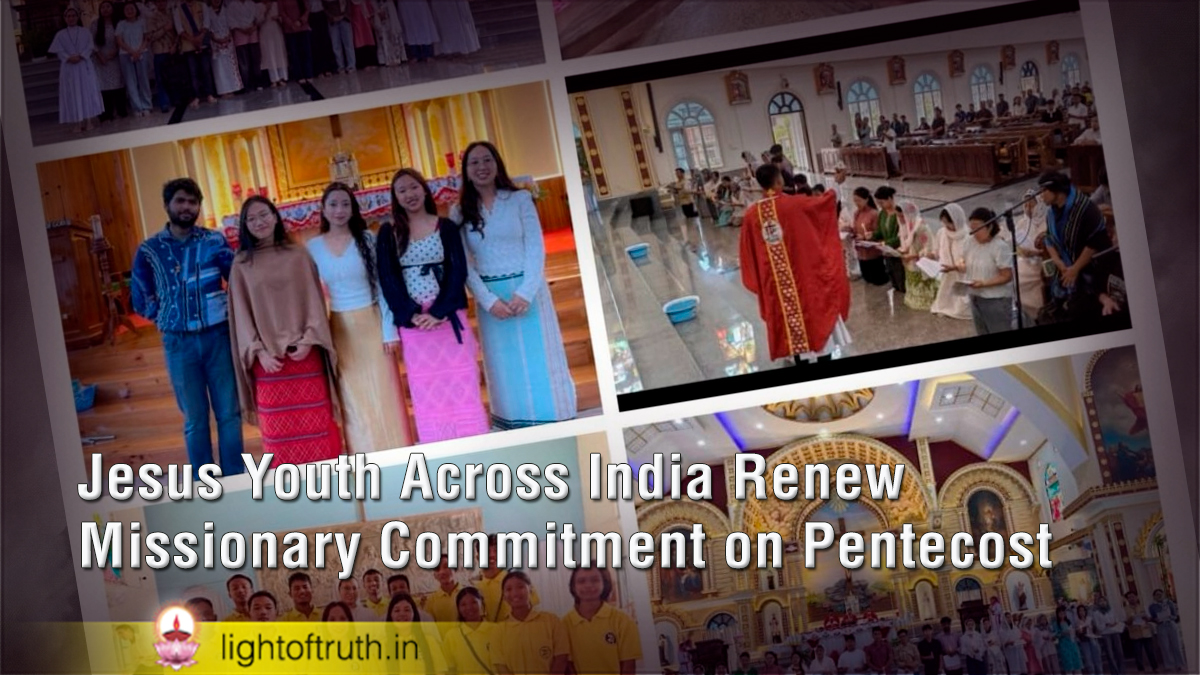
Jesus Youth members across India celebrated Recommitment Day on Pentecost Sunday with prayer, reflection, and a renewed dedication to Christian mission and service.

The celebration took place in more than 20 regions across the country, bringing together regional leaders, animators, ministry coordinators, and thousands of members of the Catholic movement. The nationwide observance highlighted the unity and growing presence of the Jesus Youth movement in India.

Pentecost Sunday was chosen for the celebration because it marks the coming of the Holy Spirit upon the Apostles. Inspired by this event, participants gathered to seek spiritual renewal and recommit themselves to a life of holiness, discipleship, and evangelisation.

The programme followed a specially prepared liturgy that combined Catholic traditions with the spirituality of the Jesus Youth movement. The Holy Eucharist was the central part of the celebration, reminding members of the importance of prayer and the sacraments in Christian life.

The gathering also included Bible reflection, worship, and group sharing sessions. Participants reflected on their spiritual journey and renewed their commitment to the “Six Pillars” of Jesus Youth — daily prayer, reading the Word of God, sacraments, fellowship, spreading the good word, and care for the poor.

Leaders of the movement also took part in a special recommitment ceremony, promising deeper dedication and servant leadership in their ministries. Participants described the day as spiritually enriching and inspiring. Organisers said the celebration aimed to strengthen the faith of young Catholics and encourage them to become courageous witnesses of Christ and instruments of hope in society.

CBCI Meeting Strengthens Roadmap for Dalit Christian Rights

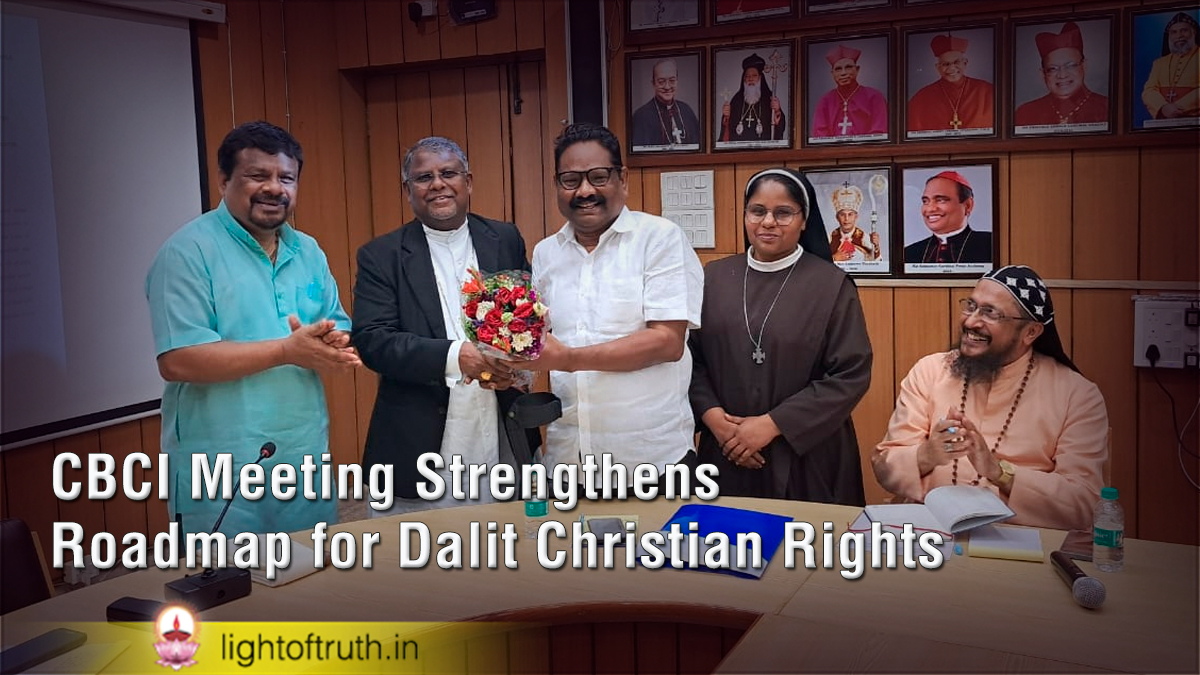
New Delhi, May 19, 2026: The CBCI Office for SC/BC held a two-day consultation and planning meeting in New Delhi on May 14 and 15 to strengthen legal and social efforts for the empowerment of Dalit Christians across India.

The meeting brought together newly appointed office bearers, bishops, legal experts, and social leaders to review the long-pending Supreme Court case related to Dalit Christian rights and discuss future strategies for advocacy and development.

Bishop Jaya Rao Polimera of Eluru, Chairman of the CBCI Office for SC/BC, along with Bishop Peter Rumal Kharadi of Jhabua and Auxiliary Bishop Geevarghese Mar Aprem of Kottayam, visited the national office to better understand the challenges faced by Dalit Christians.

A major part of the meeting focused on the legal battle currently pending before the Supreme Court. Senior advocate Prashant Bhushan briefed participants on the status of the case and recent legal developments. Advocates handling the matter also explained the impact of recent court judgments and their connection to the ongoing case.

Judge Ramulu Dunna from Andhra Pradesh presented a detailed study on the issue and suggested steps to strengthen the Commission’s future work. These included forming a legal cell with dedicated advocates and building stronger public and political support for Dalit Christian concerns.

Church leaders stressed the need for focused action in education, employment, and social empowerment. The meeting concluded with a renewed commitment to coordinated legal advocacy and stronger support for marginalized communities across the country.