The Church must guard its children online

Church voices in India are reflecting on a growing concern over children’s use of social media, following a proposal by the Government of Karnataka to restrict access for those under 16.

The proposal, announced by Chief Minister Siddaramaiah, has sparked debate across society. While details are still being discussed, the move has drawn attention to the increasing influence of digital platforms on young people.

Church leaders say the issue is not just about technology, but about the overall formation of children. Many point out that social media platforms are designed to keep users engaged, often affecting the mental and emotional well-being of young users. Studies have linked heavy use of social media to anxiety, depression, and loneliness among teenagers.

The Church has long focused on guiding young people through family life, education, and faith formation. However, leaders note that much of a child’s time is now spent online, where values and ideas are shaped by algorithms rather than real-life relationships.

At the same time, some acknowledge that social media also has positive uses. It helps young people stay connected, learn new things, and even explore their faith, especially where local support is limited.

There are also concerns that a complete ban may not be practical for all families. Not all children have equal access to other activities like sports or cultural programs.

Church leaders say the situation calls for careful thinking and balanced action. They stress the need for families, schools, and communities to play a stronger role in guiding children. The focus, they say, should be on creating a healthy environment where young people can grow with proper values and support.
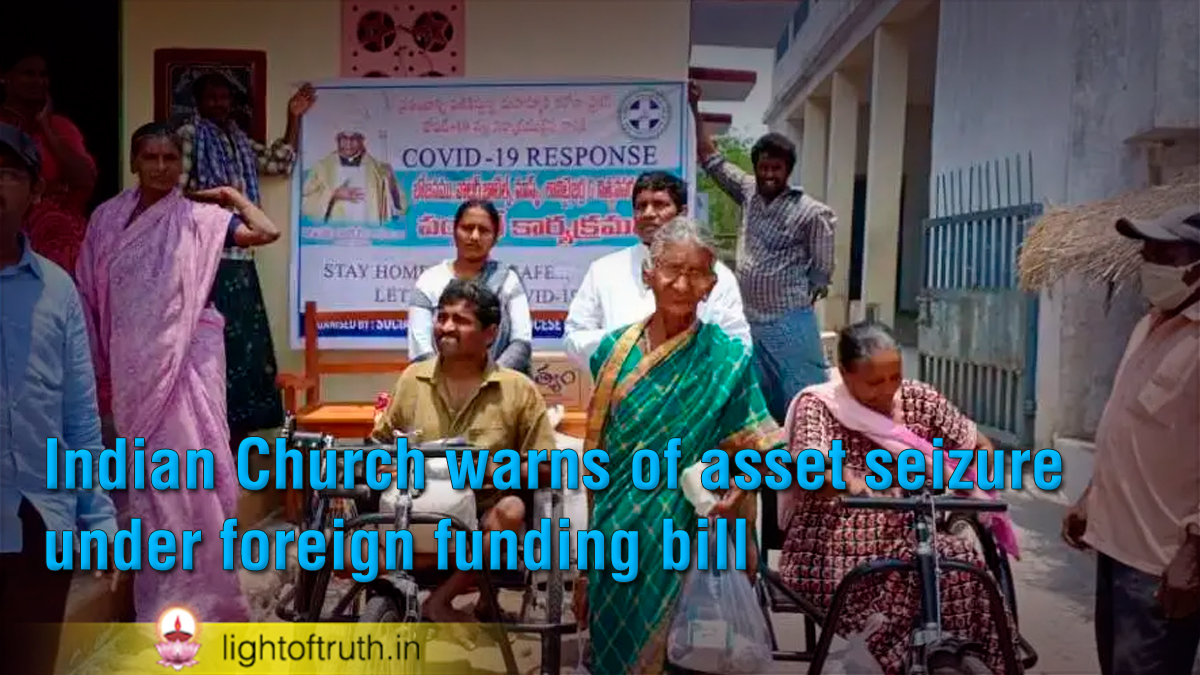

Indian Church warns of asset seizure under foreign funding bill

Catholic Church leaders in India have raised concerns over a proposed amendment to the Foreign Contribution Regulation Act, saying it could increase government control over charitable organizations.

The amendment, approved by the Government of India on March 18, aims to strengthen oversight on the use of foreign funds. It includes a provision allowing the government to take control of assets created using foreign contributions if an organization’s license is suspended, canceled, surrendered, or not renewed.

The bill also introduces a new rule for automatic cancellation of registration if it expires or is not renewed. In addition, it sets clear timelines for receiving and using foreign funds to improve transparency and accountability.

Church representatives say the changes could seriously affect many non-governmental organizations, especially those run by Christian groups working among the poor. They fear that properties such as land, buildings, and funds could come under government control.

Some leaders have expressed concern that the amendment goes beyond regulation and gives direct control over civil society organizations. They warn that this could weaken the work of charities serving marginalized communities.

Legal experts have also pointed out that stricter rules may limit the freedom of organizations to function independently and access foreign support. They believe this could reduce services provided to the poor and disadvantaged.

According to official data, thousands of organizations have already lost their licenses in recent years, while many others remain active.

Critics say the proposed amendment may further restrict the role of civil society. They have called for a balanced approach that ensures transparency while protecting the independence of charitable organizations.

Congregation warns against misuse of St. Teresa’s name, persona

The Missionaries of Charity has warned that it may take legal action against individuals and groups misusing the name, image, and words of Mother Teresa for fundraising and publicity.

In a statement issued on March 19, the congregation said many organizations are using Mother Teresa’s name without permission, especially on websites and social media, to collect money and gain attention. The congregation expressed deep pain over such misuse, calling it misleading and against the values she lived for.

The statement said that despite repeated warnings, the misuse has continued. As a result, the congregation has now decided to take legal steps against some groups. It also pointed out that using her name for public events, awards, or fundraising in luxurious settings goes against her life of simplicity, humility, and poverty.

The congregation clarified that, according to Mother Teresa’s will, her name and image belong to her successors, and anyone wishing to use them must take permission. It also stressed that the Missionaries of Charity do not engage in fundraising, as it was against her principles.

Church leaders have supported this concern, saying the issue is serious and genuine. At the same time, some organizations claimed they have proper permission and are using her name only to promote values like peace and service.

Mother Teresa founded the Missionaries of Charity in 1950 in Kolkata. She dedicated her life to serving the poor and was declared a saint in 2016. Today, her congregation continues her mission in many countries around the world.

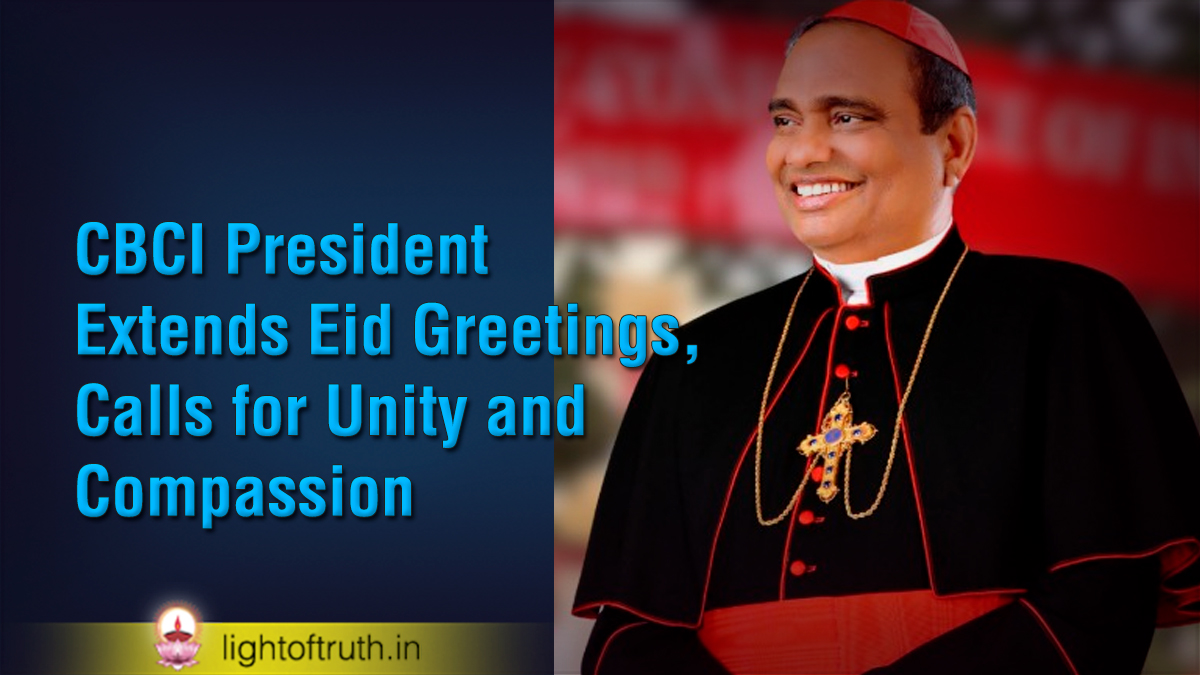
CBCI President Extends Eid Greetings, Calls for Unity and Compassion

Anthony Cardinal Poola, president of the Catholic Bishops’ Conference of India, extended warm greetings to the Muslim community in India on the occasion of Eid-ul-Fitr.

In his message, he wished “dear Muslim brothers and sisters” and marked the end of the holy month of Ramadan, a time of prayer, fasting, and spiritual renewal. He highlighted the deep meaning of Eid, describing it as a celebration of sacrifice, discipline, and unity.

The Cardinal said that fasting is not only an act of devotion but also a way of inner purification that brings people closer to God. He noted that the values reflected during Ramadan and Eid go beyond religious boundaries and help build mutual respect and understanding among people of different faiths.

He also spoke about the present global situation, expressing concern over conflicts, social tensions, and the suffering of many people, especially the poor and vulnerable. In this context, he called on everyone to take inspiration from the spirit of Eid and respond with compassion and solidarity.

He encouraged people to work together to overcome division, hatred, and prejudice. He said that such efforts can help build a society based on brotherhood, peace, and goodwill.

The message concluded with prayers that Eid may bring joy, peace, and prosperity to families and communities. He also expressed hope that the festival would inspire people to work for harmony, justice, and unity in society.

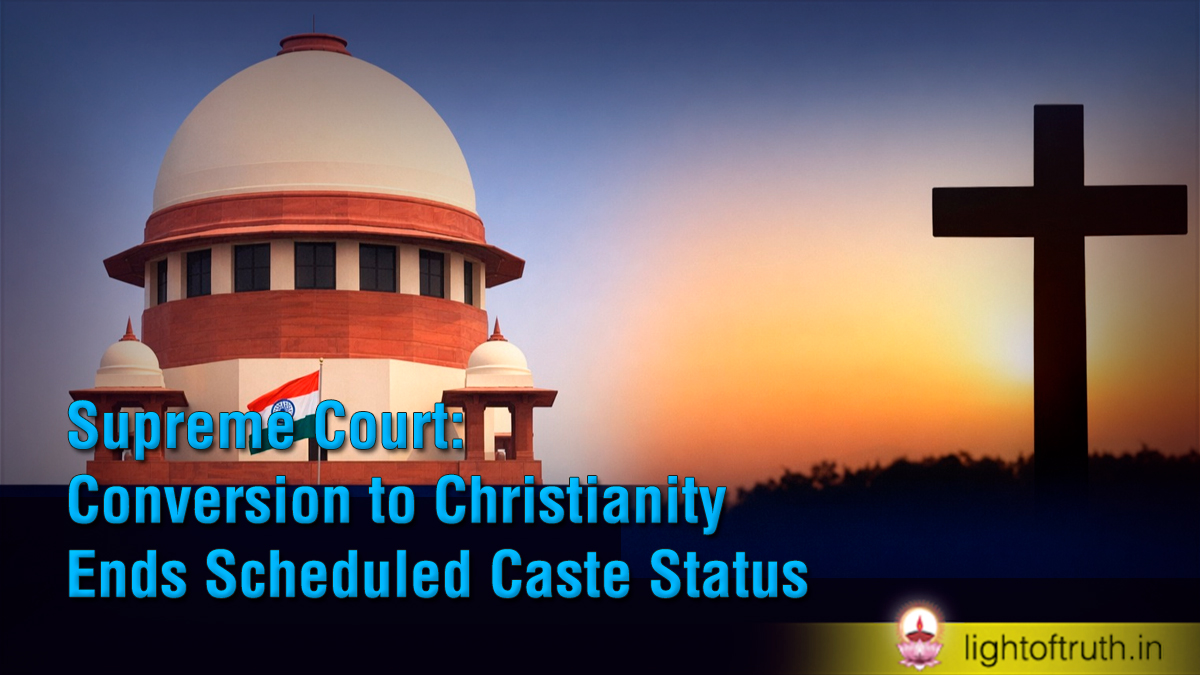
Supreme Court: Conversion to Christianity Ends Scheduled Caste Status

The Supreme Court of India on March 24 upheld a ruling that a person who converts to Christianity cannot be considered a member of a Scheduled Caste. The court affirmed an earlier decision of the Andhra Pradesh High Court on the issue.

The judgment referred to the Constitution (Scheduled Castes) Order, 1950, which states that Scheduled Caste status is limited to those who follow Hinduism, Sikhism, or Buddhism. The court said this rule is absolute and that conversion to any other religion results in the immediate loss of Scheduled Caste status.

The bench, including Justice Prashant Kumar Mishra and Justice Manmohan, clarified that a person cannot practice another religion and still claim benefits meant for Scheduled Castes. This includes protections, reservations, and legal rights under various laws.

The case involved a man who had converted to Christianity and was working as a pastor. He had filed a complaint under the SC/ST (Prevention of Atrocities) Act, alleging assault and threats. The accused challenged the complaint, saying it was not valid since the man was no longer part of a Scheduled Caste.

Earlier, the High Court had ruled that caste does not apply within Christianity and dismissed the case. The Supreme Court agreed, noting that the man continued to practice Christianity and had not returned to his original religion.

The court also said that having a caste certificate does not automatically give legal protection if a person has changed religion, as such matters must follow legal rules.

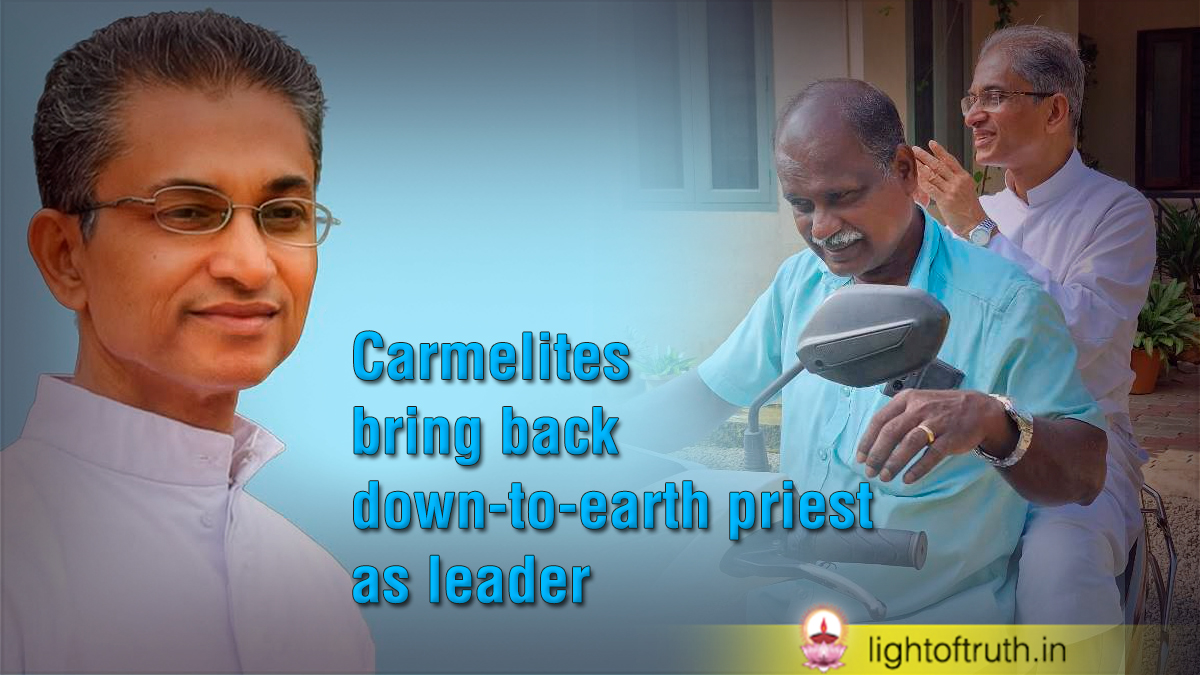
Carmelites bring back down-to-earth priest as leader

The Carmelites of Mary Immaculate (CMI), the largest men’s congregation of the Syro-Malabar Church, has elected Father Paul Achandy as its prior general for the second time. The election was held on March 19 during the 39th General Chapter at Chavara Hills in Kochi.

Father Achandy, 62, had earlier served as prior general for six years from 2014. His earlier term began in the same year when the congregation’s founder, Saint Kuriakose Elias Chavara, was canonized. His return to leadership comes as the congregation prepares to celebrate its bicentenary in 2031.

After completing his previous term, he served as chancellor of Christ University and rector of Dharmaram College in Bengaluru. He also spent the past three years in Kenya.

His re-election is seen as a sign of trust and continuity, especially at a time when religious congregations face new challenges in mission and administration. Church members say such a return to leadership is uncommon, as most congregations follow fixed terms.

Born on May 19, 1963, Father Achandy was ordained a priest in 1992. He holds an MBA and a doctorate in management, with a focus on human resource development. He has served in key roles, including provincial in Thrissur and director of Amala Institute of Medical Sciences.

The CMI congregation, founded in 1831, has nearly 3,000 members working in education, healthcare, and social service in more than 30 countries.

Many have welcomed his re-election, describing him as a simple and visionary leader who guides with wisdom, faith, and commitment.

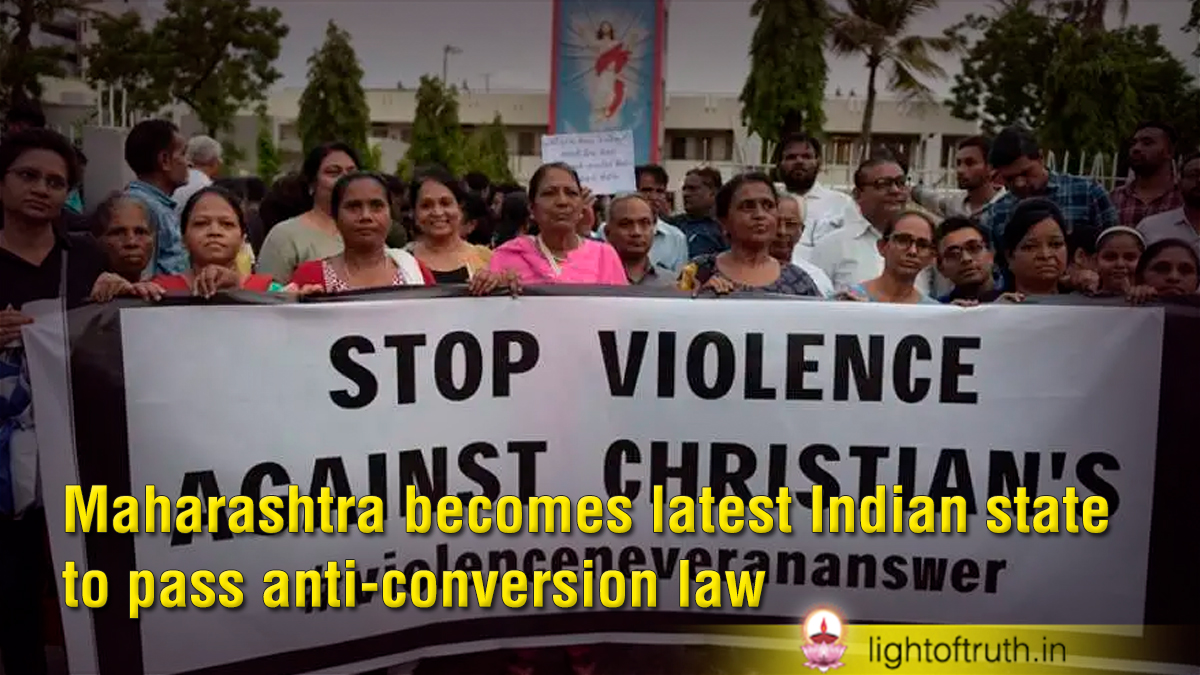
Maharashtra becomes latest Indian state to pass anti-conversion law

The Maharashtra Legislative Assembly on March 16 passed the Freedom of Religion Bill 2026, despite opposition from Christian groups and some political parties. The bill will become law after approval by the Legislative Council and the state governor.

The move makes Maharashtra the latest state to introduce a law regulating religious conversions. The ruling Bharatiya Janata Party government supported the bill, saying it aims to prevent conversions through force, fraud, coercion, or inducement.

The law proposes strict punishments. It includes up to seven years in jail and a fine of 100,000 rupees for illegal conversions linked to marriage. The penalty is higher if the case involves women, minors, or people from tribal or Dalit communities. Repeat offenders can face up to 10 years in prison.

Christian leaders and activists have raised concerns about the bill. They fear it could be misused to target minorities and restrict religious freedom. Some have also said the law may create fear among interfaith couples, as complaints can be filed easily.

Another concern is the requirement for people to give advance notice before converting. Critics say this may violate personal freedom and privacy. They also warn that vague terms like “inducement” could affect charitable activities such as education and healthcare services.

Legal experts have pointed out that making such offences non-bailable may lead to misuse in sensitive situations.

Church groups and civil society organizations have urged the government to reconsider the provisions and ensure that the law does not harm religious harmony or individual rights.

Christian teenager forced to chant Hindu slogan by mob in Indian state

Christian leaders in Chhattisgarh have expressed serious concern after a teenage Christian boy was allegedly assaulted by a mob and forced to chant “Jai Shri Ram.”

A video of the incident, reportedly from Champa district, appeared on social media on March 18. It shows the boy being slapped, held by his collar, and forced to repeat the slogan while being surrounded by a group. The video has caused outrage, with many people condemning the act as religious coercion.

Local police said they were not aware of the incident and confirmed that no official complaint had been filed at the time. Christian leaders, however, said such incidents are becoming more frequent and are creating fear among the community.

They also raised concern about a proposed amendment to the Chhattisgarh Freedom of Religion Act, which aims to prevent forced religious conversions. While the government says the law is meant to protect vulnerable groups, many Christians fear it could be misused and increase pressure on minorities.

In recent months, there have been reports of attacks on Christian families in different parts of the state. Some families have been beaten, threatened, or forced to leave their homes.

Reports from groups such as the United Christian Forum indicate that many incidents targeting Christians were recorded in the state in 2024 and 2025.

Christians make up less than two percent of the state’s population. Leaders say this makes the community more vulnerable and have called for stronger action to ensure safety, peace, and protection of religious freedom.

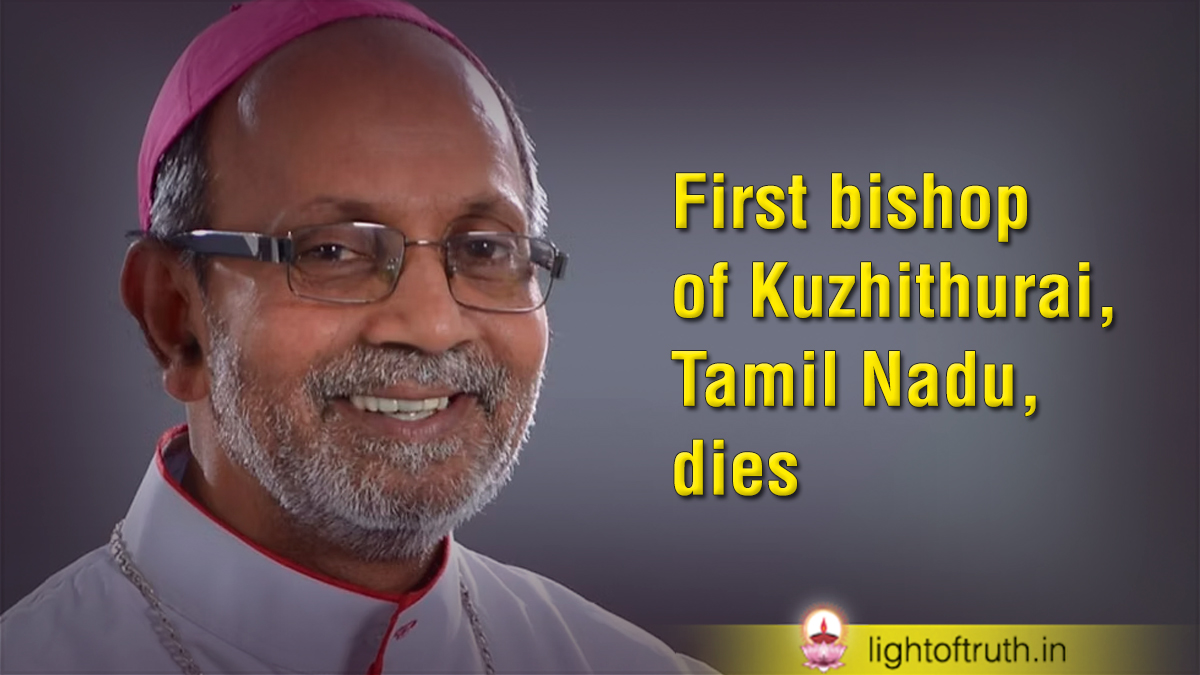
First bishop of Kuzhithurai, Tamil Nadu, dies

Bishop Emeritus Jerome Dhas Varuvel of the Diocese of Kuzhithurai passed away on March 24 at the age of 74. He died at 1:30 am at the Care Home of the Little Sisters of the Poor in Chennai.

The bishop had been suffering from Parkinson’s disease and Dementia and was under treatment at Kauvery Hospital in Chennai in recent months.

His funeral was scheduled for March 25 at the Most Holy Trinity Cathedral in Kuzhithurai, located in Kanyakumari district.

Born on October 21, 1951, in Paduvoor in the Kottar diocese, Bishop Varuvel began his early education in Nagercoil. He later joined the Salesians of Don Bosco in 1976 and made his perpetual profession in 1981.

He pursued higher studies in Rome and was ordained a priest on June 2, 1985, by Pope John Paul II. Over the years, he served in various roles, including rector, teacher, and administrator in different Salesian institutions.

In 2014, the Diocese of Kuzhithurai was established, and he became its first bishop in 2015. He led the diocese until his resignation in 2020 due to ill health.

The region has a deep Christian history linked to Saint Thomas the Apostle and Saint Francis Xavier.

Bishop Varuvel is remembered for his dedicated service, simple life, and pastoral care.

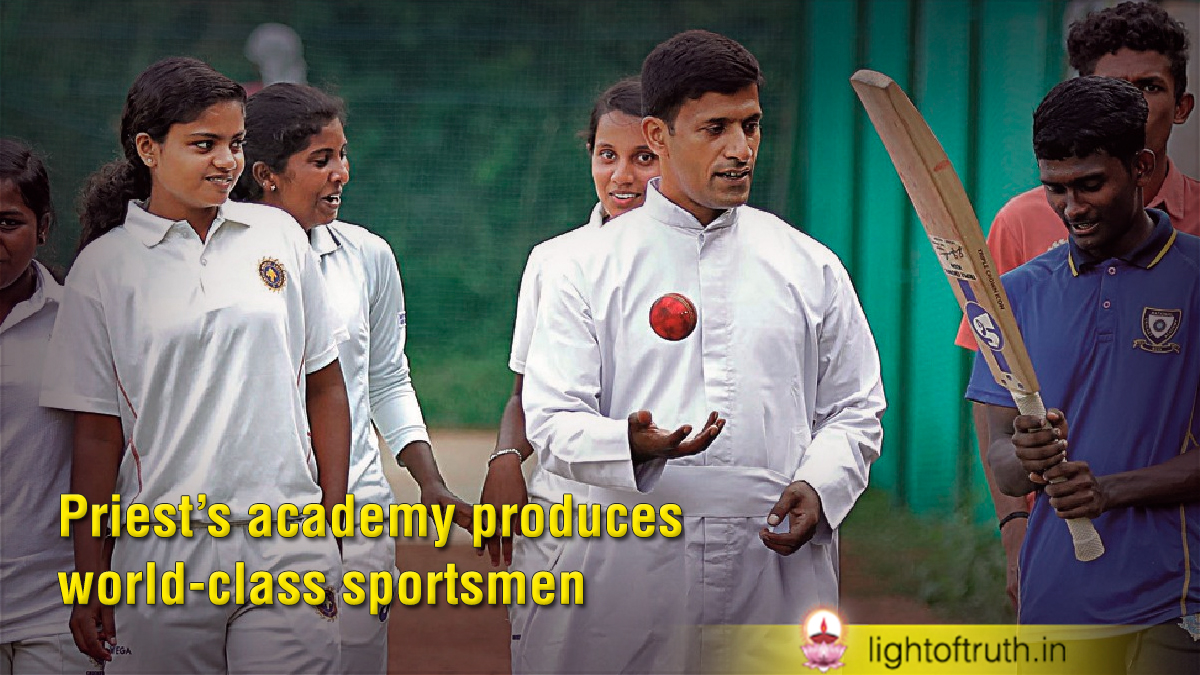
Priest’s academy produces world-class sportsmen

On a quiet hilltop in Kerala, St. Ephrem’s Sports Academy has been transforming young lives through sports and values for more than two decades. Guided by Carmelite priest Father Antony Kanjirathinkal, the academy has become a strong center for nurturing talent, especially in basketball.

Founded in 2003 under St. Ephrem’s Higher Secondary School in Mannanam, Kottayam, the academy has produced over 100 national-level players and at least five international players. Many students come from rural and coastal areas with limited opportunities. The academy offers them free coaching, education, accommodation, and meals.

Father Kanjirathinkal believes sports can change lives. Along with training, he focuses on discipline, confidence, teamwork, and spiritual growth. “Play well and study well,” he tells his students, stressing the importance of both education and sports.

The academy, set near the shrine of Saint Kuriakose Elias Chavara, combines prayer and sports in daily life. What began as a small basketball program has grown into a multi-sport center offering football, cricket, and boxing.

Several former students have reached national and international levels, crediting the academy for their success. In the 2025–2026 academic year, the academy won nine championships and earned many state-level medals.

The academy has also gained international attention, with foreign coaches visiting to train students. Despite its growth, it remains focused on its mission of service.

Father Kanjirathinkal hopes to develop it into a world-class sports center, giving more young people the chance to build a better future through sports.