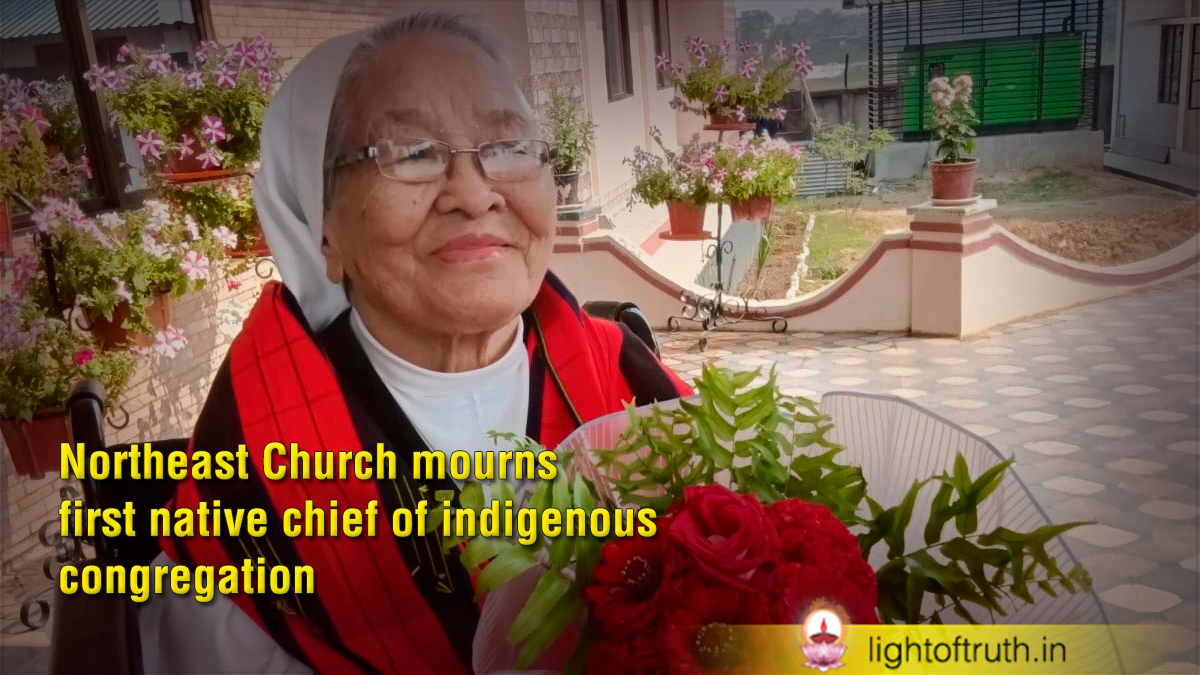
Northeast Church mourns first native chief of indigenous congregation

The Catholic Church in northeastern India is mourning the passing of Mother Mary Rose Thapa, the first native superior general of the Missionary Sisters of Mary Help of Christians. She died on March 22 at 6:10 am in Guwahati, Assam, due to age-related illness. She was 91.

Mother Thapa had received the Sacrament of the Anointing of the Sick a day before her death at the congregation’s provincial house, where she had been living a quiet retirement life. She spent much of her time in prayer before the Eucharist.

Her funeral Mass was held on March 24 at the congregation’s cemetery in Mawlai, near Shillong, the capital of Meghalaya. The congregation described her passing as a peaceful surrender to the Lord and expressed deep gratitude for her long and dedicated service.

Church leaders remembered her as a woman of deep faith, humility, and missionary zeal. Her life was seen as a strong witness to prayer, service, and commitment to the Gospel. Many also recalled her simplicity, warmth, and gentle leadership.

Born on March 11, 1935, in Nepal as Lakshmi Thapa, she came from a Hindu family. She later embraced the Catholic faith and was baptized in 1953. She joined the congregation and made her religious profession in 1956.

She served as superior general for 18 years from 1970, guiding the congregation during a key period of growth. Under her leadership, the mission expanded widely, especially among rural and tribal communities.

Her life continues to inspire many across the Church.
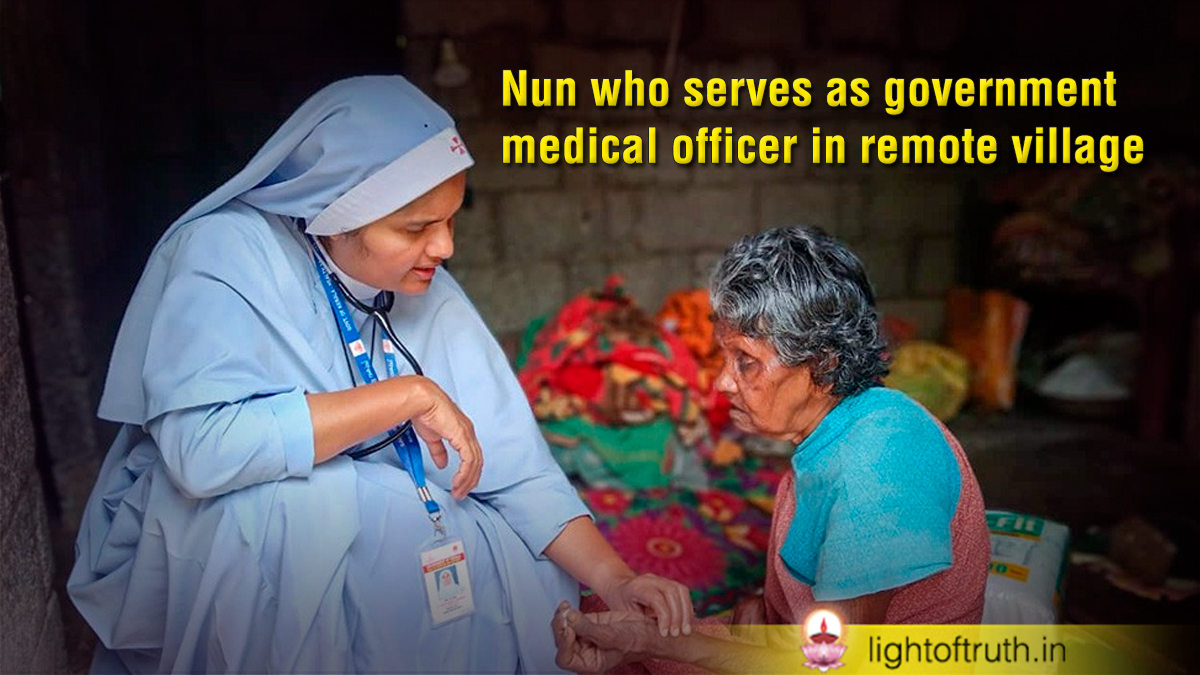
Nun who serves as government medical officer in remote village

Sister Jean Rose has become the first Catholic nun to serve as a medical officer in a government hospital in Kerala. A member of the Sisters of the Destitute, she works at the Community Health Centre in Marayoor, a remote tribal area in Idukki district.

Usually, Catholic nuns with medical degrees serve in Church-run hospitals. However, Sister Rose chose to work in the government sector to reach people in remote regions where doctors are few. She holds a master’s degree in medicine from St. John’s Medical College.

At 52, she attends to more than 200 outpatients daily and regularly visits tribal families living deep inside forests. Since there are no inpatient facilities, she travels to patients’ homes, often using a two-wheeler. Her work includes medical care, immunization drives, surveys, and palliative care.

Marayoor is known for its cold climate and lack of facilities, making it difficult for many doctors to stay. The centre is often understaffed, increasing her workload. Despite facing health issues and risks while traveling through forest areas, she continues her mission with dedication.

Sister Rose said her decision was inspired by a desire to serve the poor and live out her congregation’s mission of compassionate care. She believes working in a government hospital allows her to reach more people, regardless of religion or background.

Supported by her congregation, she balances her role as a religious sister and government doctor. For her, this work is not just a job, but a ministry of service and love to the poorest.

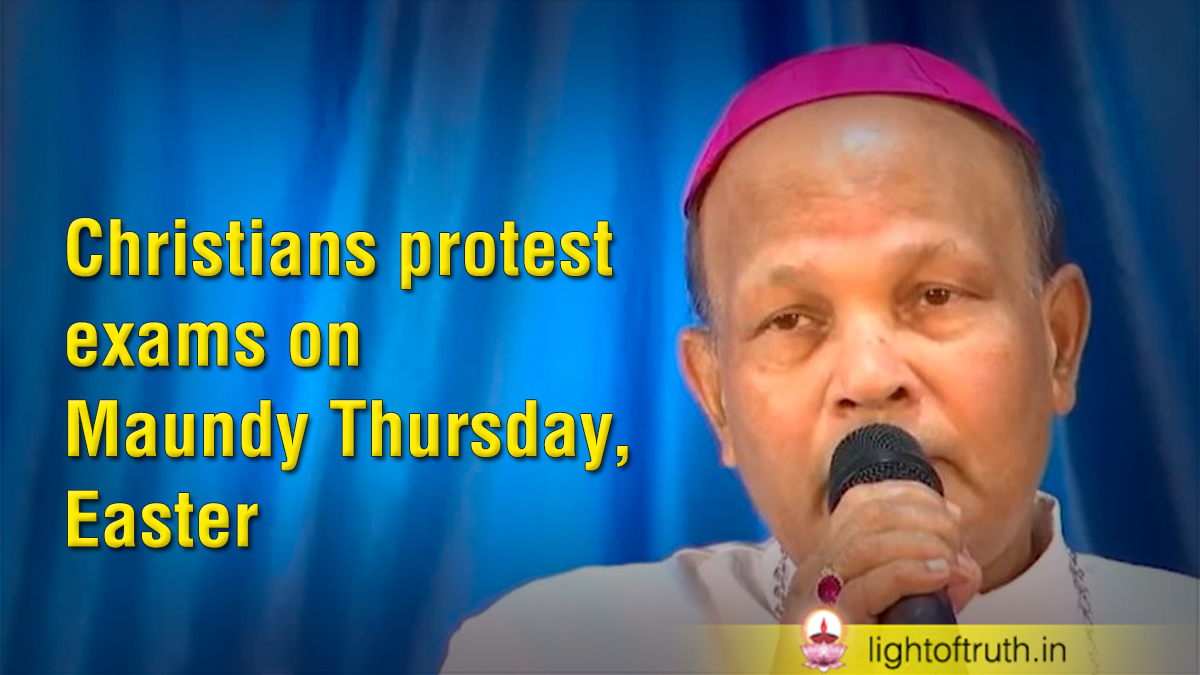
Christians protest exams on Maundy Thursday, Easter

Catholic organizations in Kerala have raised strong objections to the scheduling of national-level entrance examinations on Maundy Thursday and Easter Sunday, urging authorities to reconsider the dates.

The Kerala Catholic Bishops’ Council (KCBC) on March 23 called on officials to withdraw the plan to conduct all-India engineering entrance exams on these important Christian feast days. The council said the decision affects the religious freedom of Christian students.

Council president Varghese Chakkalakal stated that holding exams on such sacred days forces students to choose between their faith and their academic future. The council stressed that these days are central to Christian worship and spiritual life.

The KCBC also said it would take up the issue with the Government of India and the National Testing Agency, requesting that the exams be rescheduled to more suitable dates.

The Catholic Congress also expressed concern, calling the decision insensitive to the Christian minority. Its leaders said such scheduling creates unnecessary hardship and ignores the importance of religious observances.

Youth representatives added that the exam dates affect students emotionally, as they are unable to fully take part in important church celebrations during Holy Week. Catholic groups have urged authorities to take immediate corrective steps and ensure that future exam schedules respect religious diversity. They emphasized that sensitivity to all faiths is important to protect constitutional values and maintain harmony in society.