
Catholic Sisters Help Children Living with HIV Build a Better Future
Faith Brings New Hope to Assam Village Once Known for Alcoholism
Cardinal Tagle: Friendship reveals the face of Jesus and the Church
Israel prepares ‘extensive’ West Bank operation after deadly shooting near Tal
Pope: Visit to Türkiye and Lebanon teaches that peace is possible
Thousands protest corruption in Philippines as Church leaders call for accountability
Pope: Nicaea invites Christians to unity in face of violence, conflict
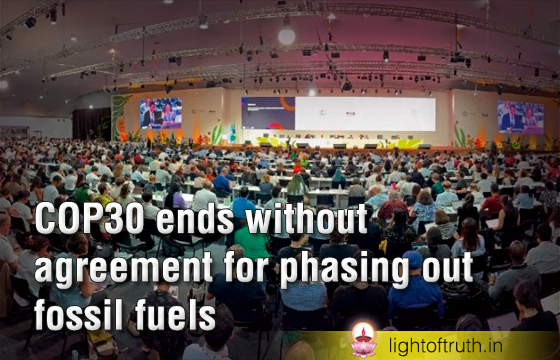
The halls of COP30 are empty, and as the final gavel fell, there was a sense that something essential had slipped away. What began with remarkable promise under Brazil’s presidency concluded instead with “disappointment, and, for many, the unsettling feeling of having watched the multilateral climate process take a step backwards”. “It’s been my fifteenth COP,” says Professor John Sweeney, emeritus climatologist from Maynooth University in Ireland, “and this one followed very predictable lines.” But this year’s conclusion, he stresses, is marked less by the expected frustrations and more by the collapse of ambitions many thought finally within reach.
Sweeney explains that Brazil had laid significant groundwork ahead of the summit. Hosting the conference in the Amazon carried a symbolism and urgency that the world could not ignore. The presidency hoped to produce clear commitments on forest protection, fossil fuel phase-out, and finance for vulnerable nations. Yet, as negotiations stretched deep into the night and into the weekend, the final text emerged stripped of its strongest language.
“The big winner,” Sweeney says in an interview with Vatican News “is sitting in Washington.” A meeting between the United States and Saudi Arabia, days before the final plenary, appeared to seal the fate of the communiqué: any mention of fossil fuels was removed. For the vast majority of nations pressing for decisive language on the root causes of climate change, it was a bitter defeat.
For the first time in 30 years of UN COPs, the White House had no official representation at the event in Belém. A decision that had a negative impact on the outcome of the Conference. Outside, the conference venue had battled other disappointing, somewhat climate reflecting realities, such as flooding, leaks, and even fire – all symbolic interruptions that did not go unnoticed by observers.


Leave a Comment