All posts by Sathyadeepam Weekly

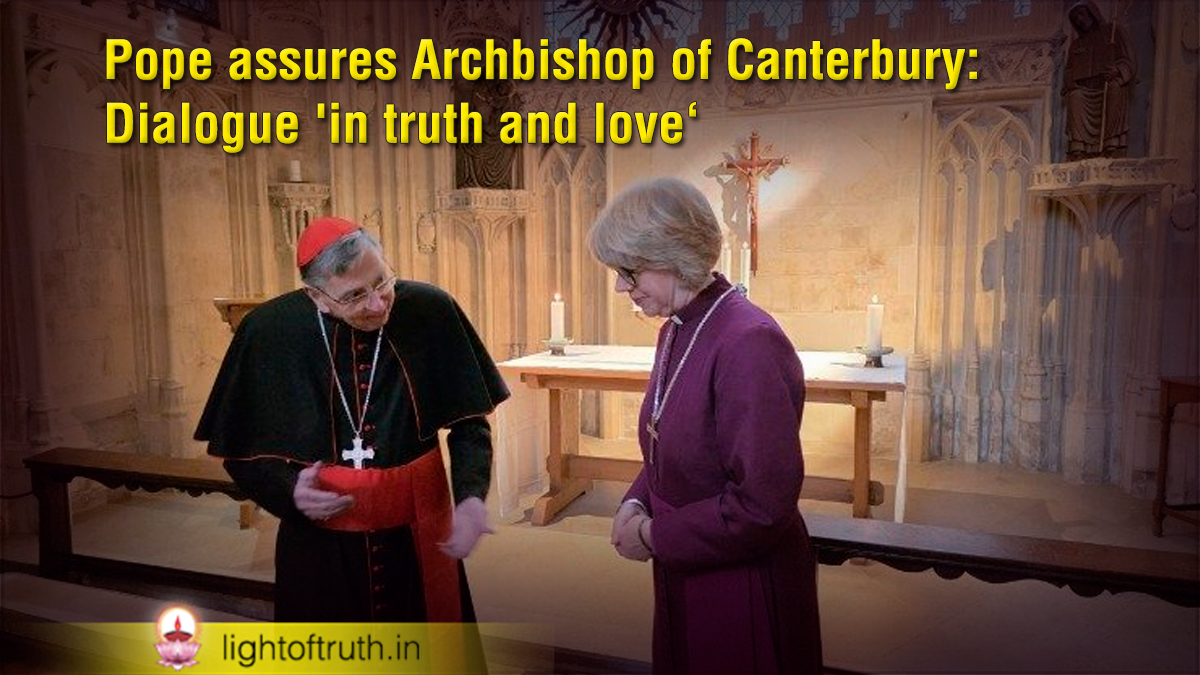
Pope assures Archbishop of Canterbury:  Dialogue ‘in truth and love‘

Pope Leo XIV sends a message to Archbishop Sarah Mullally on the occasion of her installation, recalling the progress and challenges in Catholic–Anglican relations. The Archbishop’s installation ceremony in Canterbury Cathedral took place on 25 March 2026

Pope Leo XIV has sent a message to Sarah Mullally on the occasion of her installation as Archbishop of Canterbury, assuring her of his prayers and invoking “grace, mercy, and peace… in truth and love”.

The installation service, historically known as an enthronement, took place in Canterbury Cathedral on 25 March. In the presence of some 2,000 guests, including the Prince and Princess of Wales, it marks the symbolic start of Dame Sarah’s public ministry as the Archbishop of Canterbury.

In his message, the Pope notes that the office entrusted to the new Primate of the Anglican Communion carries significant responsibilities, not only within the Diocese of Canterbury but also across the Church of England and the wider Anglican Communion. He observes that she begins her ministry “at a challenging moment in the history of the Anglican family,” and prays that she may be strengthened with wisdom and guided by the Holy Spirit, drawing inspiration from Mary, the Mother of God.

         The message recalls the historic meeting in 1966 between Pope Paul VI and Archbishop Michael Ramsey, when Catholics and Anglicans committed themselves to “a new stage in the development of fraternal relations, based upon Christian charity.” This commitment, he highlights, has borne fruit over the past sixty years.

In his message, the Pope refers to the work of the Anglican-Roman Catholic International Commission (ARCIC), established following that encounter, stating that it has contributed to greater mutual understanding and has supported a more effective common witness, particularly in the face of contemporary global challenges.

At the same time, he acknowledges that the ecumenical journey has encountered difficulties. He recalls the 2016 Joint Declaration signed by Pope Francis and Justin Welby, which noted that “new circumstances have presented new disagreements.”

These differences, he adds, do not prevent Christians from recognising one another as brothers and sisters in Christ by virtue of their common baptism.

Thus, the Pope expresses his belief that dialogue should continue “in truth and love,” so that Christians may come to know together the grace, mercy and peace of God and offer these to the world.

Pope Leo XIV writes that the unity sought by Christians is directed toward the proclamation of Christ, recalling the prayer of Jesus, “that the world may believe”. He also cites an address of Pope Francis to Anglican Primates in 2024, which stated that divisions among Christians risk hindering their common vocation to make Christ known.

The witness of a reconciled and united Christian community, he affirms, contributes to the clarity of the proclamation of the Gospel.

The Pope’s message was delivered on Thursday, 26 March in Canterbury Cathedral at the conclusion of a common prayer service presided over by Archbishop Mullally and the Pope’s envoy, Cardinal Kurt Koch, Prefect of the Dicastery for Promoting Christian Unity. The liturgy marks the 60th anniversary of the 1966 meeting between Pope Paul VI and Archbishop Michael Ramsey. During the celebration, the same kneeler used in the 1982 encounter between Pope John Paul II and Archbishop Robert Runcie was used. The 2026 Catholic delegation included Archbishop Flavio Pace, Secretary of the Dicastery for Promoting Christian Unity and Father Martin Browne, an official of the Dicastery; Cardinals Vincent Nichols and Timothy Radcliffe; Archbishop Bernard Longley of Birmingham, co-chair of ARCIC; Archbishop Richard Moth of Westminster and many other catholic Dignitaries.
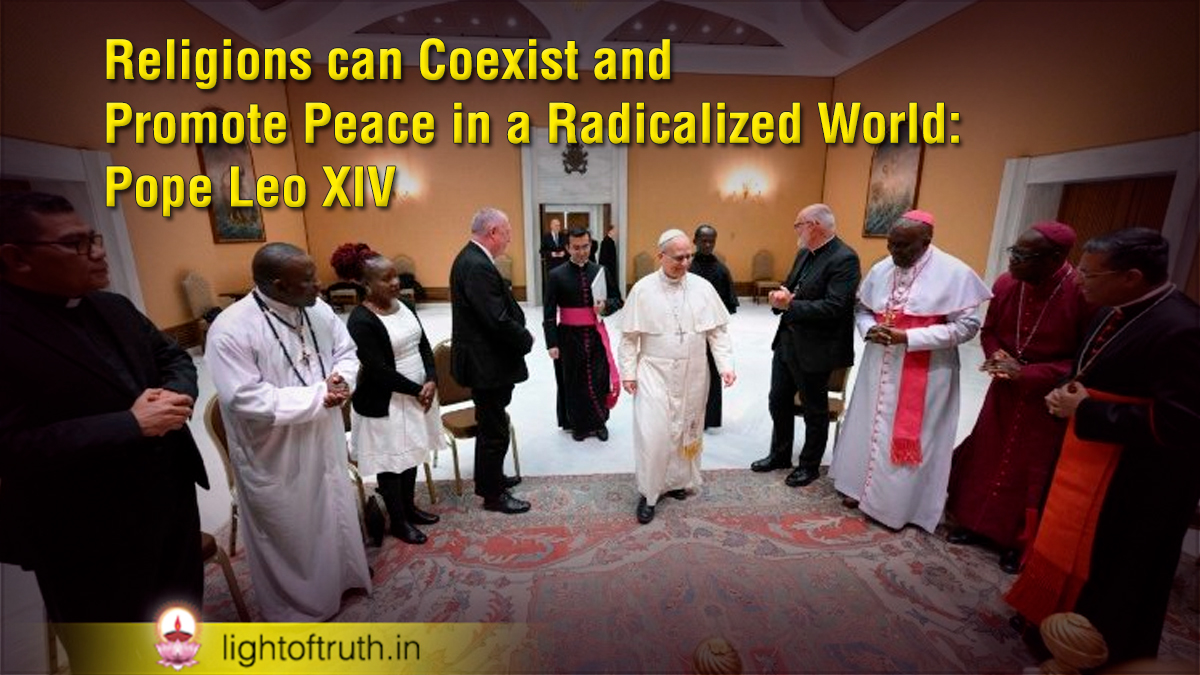
Religions can Coexist and Promote Peace in a Radicalized World: Pope Leo XIV

Pope Leo XIV praises the work of the Programme for Christian-Muslim Relations in Africa to foster fraternity between Christians and Muslims, saying that their common witness shows how religions can work together to promote peace and the common good.

“In a world increasingly marked by religious radicalization, division, and conflict, your common witness shows that it is possible to live and work together in peace and harmony, despite cultural and religious differences.”  Pope Leo XIV gave this encouragement to the delegation from the Programme for Christian-Muslim Relations in Africa (PROCMURA), headquartered in Kenya, a pan-African Christian organization founded in 1959 with the objective of building good relations between Christians and Muslims on the continent.

Quoting the Declaration Nostra Aetate on the relation of the Church to non-Christian religions, Pope Leo recalled that the Catholic Church calls for mutual understanding and respect for the followers of other religions, affirming that she “rejects nothing of what is true and holy in these religions,” for they “often reflect a ray of that truth, which enlightens all men and women.” 

“Every authentic journey toward unity and communion undertaken by Christians and by people of good will,” the Pope said, “is the work of the Holy Spirit and requires hearts open to encounter and dialogue so as to embrace one another in genuine fraternity.”

“In a world increasingly marked by religious radicalization, division, and conflict,” he stressed, “your common witness shows that it is possible to live and work together in peace and harmony, despite cultural and religious differences.”

The Pope reiterated that religions bear a great responsibility “to help our people to break free from the chains of prejudice, anger, and hatred; to help them rise above egoism and self-centeredness; to help them overcome the greed that destroys both the human spirit and the earth.”   In this way, the Pope said, we can lead our people to become prophets of our time, with “voices that denounce violence and injustice, heal division, and proclaim peace for all our brothers and sisters.” Pope Leo XIV concluded with an invitation for those present to go forward as artisans of peace, witnesses of hope, and builders of true fraternity.

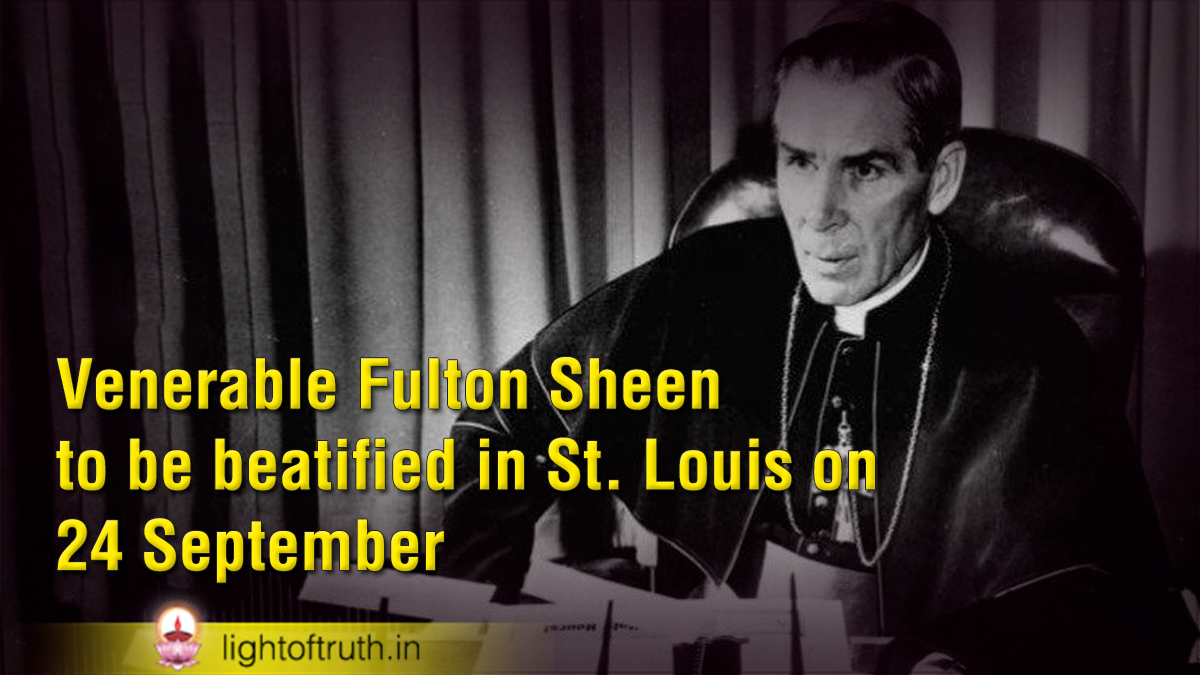
Venerable Fulton Sheen to be beatified in St. Louis on 24 September

The late American Archbishop Fulton J. Sheen will be beatified at a Mass presided over by Cardinal Luis Antonio Tagle on September 24, 2026, in St. Louis, Missouri, according to the Dicastery for the Causes of Saints.

Venerable Fulton J. Sheen of the United States is set to be beatified on Thursday, September 24, 2026, in St. Louis, Missouri. Cardinal Luis Antonio Tagle, Pro-Prefect of the Dicastery for Evangelization, will preside at the beatification Mass, representing Pope Leo XIV.

After his heroic virtue was recognized, Fulton Sheen was declared Venerable in 2012 by Pope Benedict XVI. In 2019, Pope Francis authorized a decree recognizing a miracle through his intercession. This recognition cleared Archbishop Sheen for beatification, after which he will have the title “Blessed.”

The future Blessed Fulton Sheen was known for his dynamic preaching, especially on television and radio.

Born to an Irish family in El Paso, Illinois, on May 8, 1895, Sheen discovered his call to the priesthood at the age of 24 and was ordained a priest in 1919.

He pursued higher studies at the Catholic University of America in Washington (US), the Catholic University of Leuven (Belgium), and the Pontifical University of St. Thomas Aquinas in Rome. 

He returned to the U.S. in 1926 and began teaching at the Catholic University of America, a position he held until 1950. Sheen served as the Bishop of Rochester, New York, from 1951 to 1969, and Pope Paul VI later appointed him as the Titular Archbishop of Newport, Wales, in 1969. 

A gifted teacher and speaker, Sheen’s homilies were much appreciated. In 1930, he began participating in the Sunday radio program entitled “The Catholic Hour,” which reached an estimated four million listeners at the height of its popularity.

In 1951, he began hosting a weekly television series, “Life is Worth Living,” on matters of faith that attracted some 30 million viewers.     He died in New York at the age of 84, on December 9, 1979.

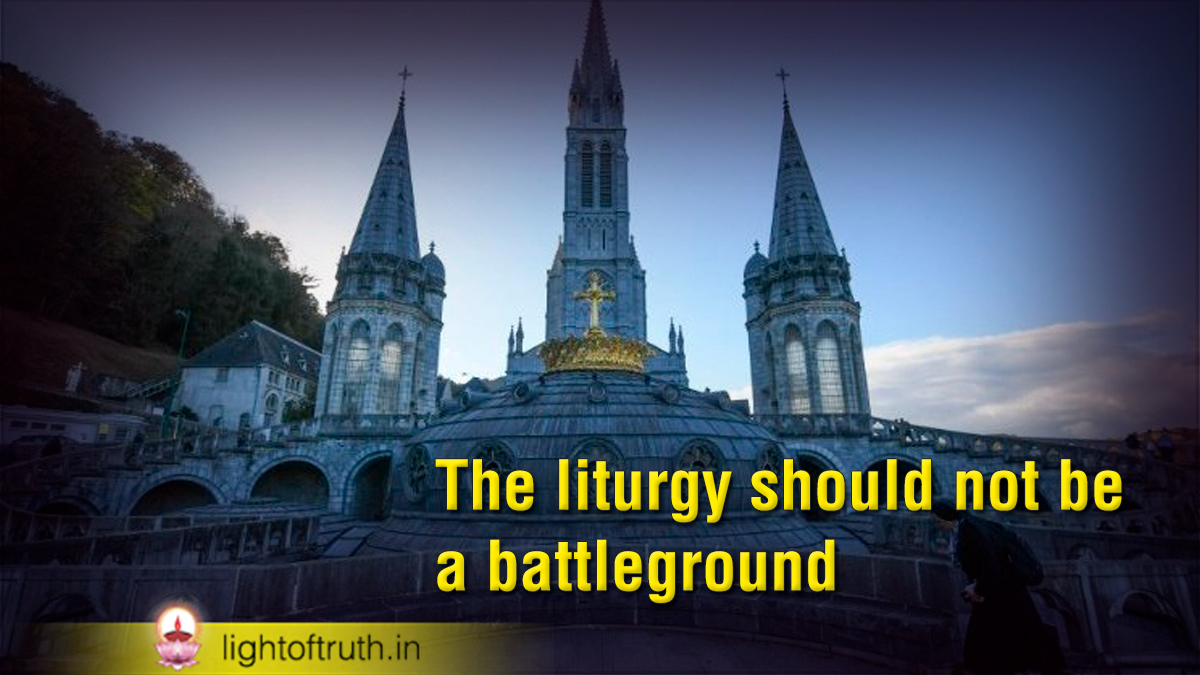
The liturgy should not be a battleground

On the study day at the Vatican Apostolic Library when the journalists asked Cardinal Pietro Parolin the Secretary of State about the Traditional Latin Mass, following the publication of the Pope’s message, signed by the Secretary of State, to the French Bishops during their plenary assembly. In the letter, Pope Leo XIV expressed concern that “a painful wound continues to open in the Church regarding the celebration of the Mass” and encouraged everyone “to generously include those sincerely attached to the Vetus Ordo.” Following this, Cardinal Parolin reiterated that “the liturgy must not become a cause of conflict and division among us.” He stressed the importance of “finding a formula that can meet the legitimate needs. I believe there can be, without making the liturgy a battleground.”

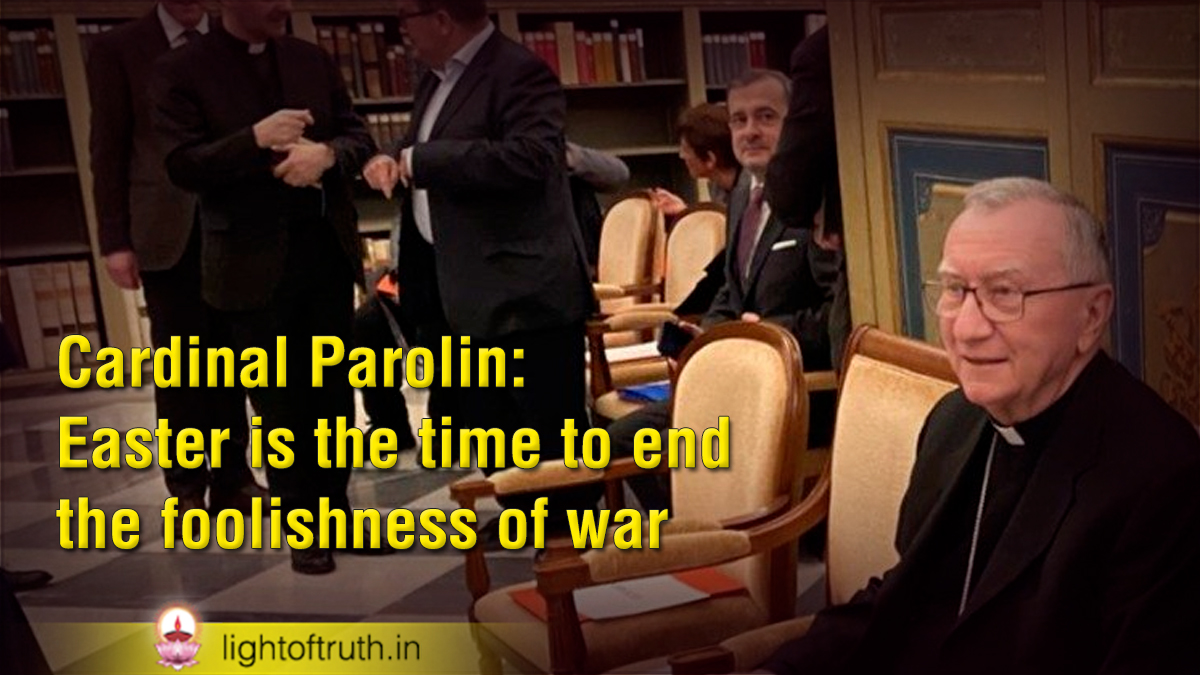
Cardinal Parolin: Easter is the time to end the foolishness of war

On a study day at the Vatican Apostolic Library Cardinal Pietro Parolin responds to journalists’ questions. He expresses his hope that in the Holy Land, Holy Week celebrations can at least be celebrated inside sacred sites.

 “Put an end to this foolishness that is war.” This was the appeal Vatican Secretary of State Cardinal Pietro Parolin voiced to a group of journalists, on the sidelines of a study day dedicated to the statesman Alcide De Gasperi, held at the Vatican Apostolic Library on March 26.

He expressed that his thoughts are with the Holy Land, which is preparing to live through a Holy Week with significant limitations and restrictions due to the war. The Cardinal also expressed hope that “at least within” the holy sites, such as the Church of the Holy Sepulchre, “the rituals may still be celebrated.” Looking ahead to Easter, Cardinal Parolin renewed the call to end violence. “Easter is the feast of peace, the peace of the risen Lord, and therefore,” he said, “it is a special occasion to renew this invitation and put an end to this foolishness that is war.”

The Church must guard its children online

Church voices in India are reflecting on a growing concern over children’s use of social media, following a proposal by the Government of Karnataka to restrict access for those under 16.

The proposal, announced by Chief Minister Siddaramaiah, has sparked debate across society. While details are still being discussed, the move has drawn attention to the increasing influence of digital platforms on young people.

Church leaders say the issue is not just about technology, but about the overall formation of children. Many point out that social media platforms are designed to keep users engaged, often affecting the mental and emotional well-being of young users. Studies have linked heavy use of social media to anxiety, depression, and loneliness among teenagers.

The Church has long focused on guiding young people through family life, education, and faith formation. However, leaders note that much of a child’s time is now spent online, where values and ideas are shaped by algorithms rather than real-life relationships.

At the same time, some acknowledge that social media also has positive uses. It helps young people stay connected, learn new things, and even explore their faith, especially where local support is limited.

There are also concerns that a complete ban may not be practical for all families. Not all children have equal access to other activities like sports or cultural programs.

Church leaders say the situation calls for careful thinking and balanced action. They stress the need for families, schools, and communities to play a stronger role in guiding children. The focus, they say, should be on creating a healthy environment where young people can grow with proper values and support.

Indian Church warns of asset seizure under foreign funding bill

Catholic Church leaders in India have raised concerns over a proposed amendment to the Foreign Contribution Regulation Act, saying it could increase government control over charitable organizations.

The amendment, approved by the Government of India on March 18, aims to strengthen oversight on the use of foreign funds. It includes a provision allowing the government to take control of assets created using foreign contributions if an organization’s license is suspended, canceled, surrendered, or not renewed.

The bill also introduces a new rule for automatic cancellation of registration if it expires or is not renewed. In addition, it sets clear timelines for receiving and using foreign funds to improve transparency and accountability.

Church representatives say the changes could seriously affect many non-governmental organizations, especially those run by Christian groups working among the poor. They fear that properties such as land, buildings, and funds could come under government control.

Some leaders have expressed concern that the amendment goes beyond regulation and gives direct control over civil society organizations. They warn that this could weaken the work of charities serving marginalized communities.

Legal experts have also pointed out that stricter rules may limit the freedom of organizations to function independently and access foreign support. They believe this could reduce services provided to the poor and disadvantaged.

According to official data, thousands of organizations have already lost their licenses in recent years, while many others remain active.

Critics say the proposed amendment may further restrict the role of civil society. They have called for a balanced approach that ensures transparency while protecting the independence of charitable organizations.

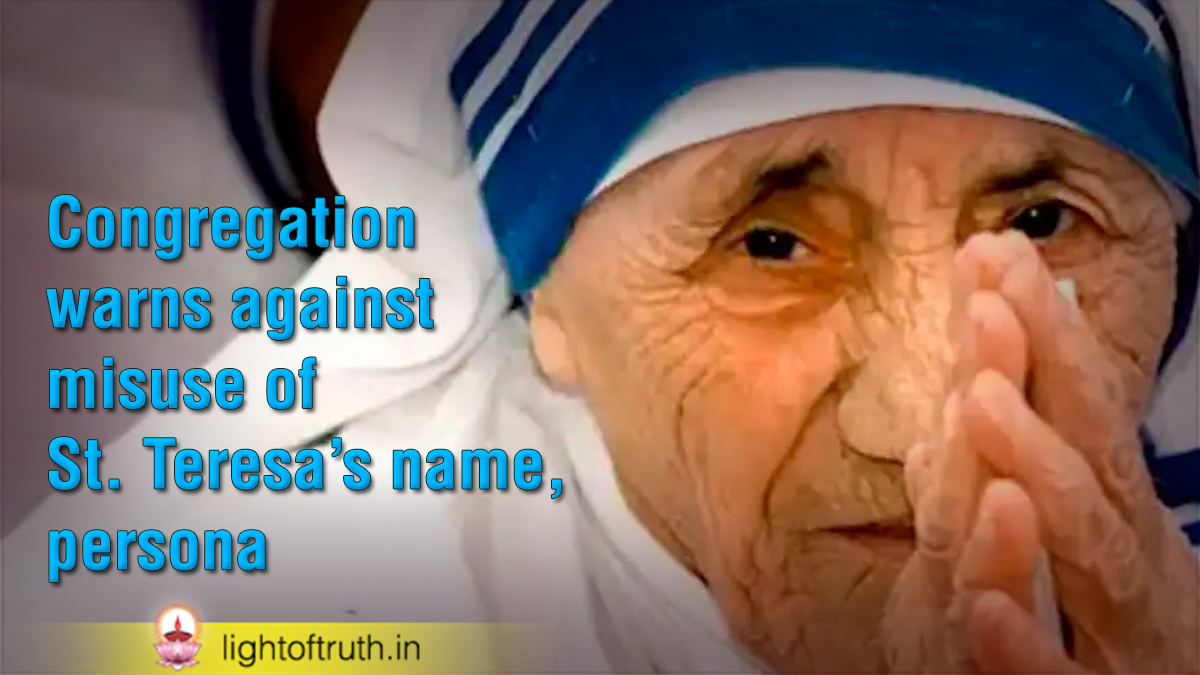
Congregation warns against misuse of St. Teresa’s name, persona

The Missionaries of Charity has warned that it may take legal action against individuals and groups misusing the name, image, and words of Mother Teresa for fundraising and publicity.

In a statement issued on March 19, the congregation said many organizations are using Mother Teresa’s name without permission, especially on websites and social media, to collect money and gain attention. The congregation expressed deep pain over such misuse, calling it misleading and against the values she lived for.

The statement said that despite repeated warnings, the misuse has continued. As a result, the congregation has now decided to take legal steps against some groups. It also pointed out that using her name for public events, awards, or fundraising in luxurious settings goes against her life of simplicity, humility, and poverty.

The congregation clarified that, according to Mother Teresa’s will, her name and image belong to her successors, and anyone wishing to use them must take permission. It also stressed that the Missionaries of Charity do not engage in fundraising, as it was against her principles.

Church leaders have supported this concern, saying the issue is serious and genuine. At the same time, some organizations claimed they have proper permission and are using her name only to promote values like peace and service.

Mother Teresa founded the Missionaries of Charity in 1950 in Kolkata. She dedicated her life to serving the poor and was declared a saint in 2016. Today, her congregation continues her mission in many countries around the world.

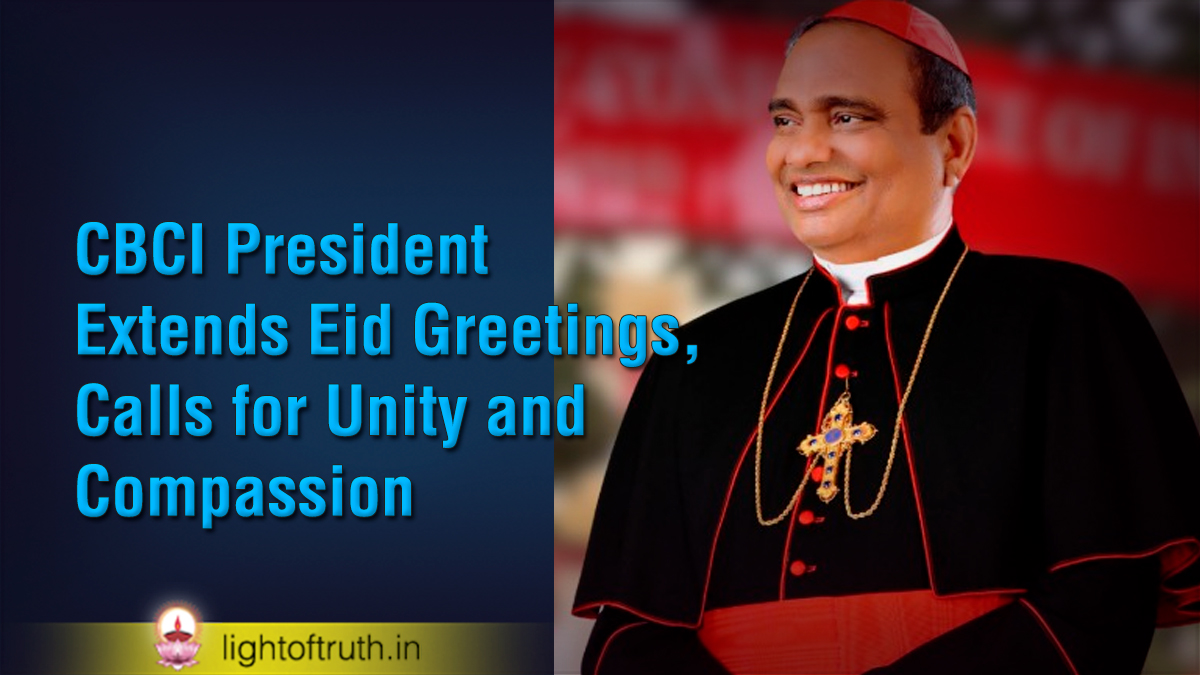
CBCI President Extends Eid Greetings, Calls for Unity and Compassion

Anthony Cardinal Poola, president of the Catholic Bishops’ Conference of India, extended warm greetings to the Muslim community in India on the occasion of Eid-ul-Fitr.

In his message, he wished “dear Muslim brothers and sisters” and marked the end of the holy month of Ramadan, a time of prayer, fasting, and spiritual renewal. He highlighted the deep meaning of Eid, describing it as a celebration of sacrifice, discipline, and unity.

The Cardinal said that fasting is not only an act of devotion but also a way of inner purification that brings people closer to God. He noted that the values reflected during Ramadan and Eid go beyond religious boundaries and help build mutual respect and understanding among people of different faiths.

He also spoke about the present global situation, expressing concern over conflicts, social tensions, and the suffering of many people, especially the poor and vulnerable. In this context, he called on everyone to take inspiration from the spirit of Eid and respond with compassion and solidarity.

He encouraged people to work together to overcome division, hatred, and prejudice. He said that such efforts can help build a society based on brotherhood, peace, and goodwill.

The message concluded with prayers that Eid may bring joy, peace, and prosperity to families and communities. He also expressed hope that the festival would inspire people to work for harmony, justice, and unity in society.

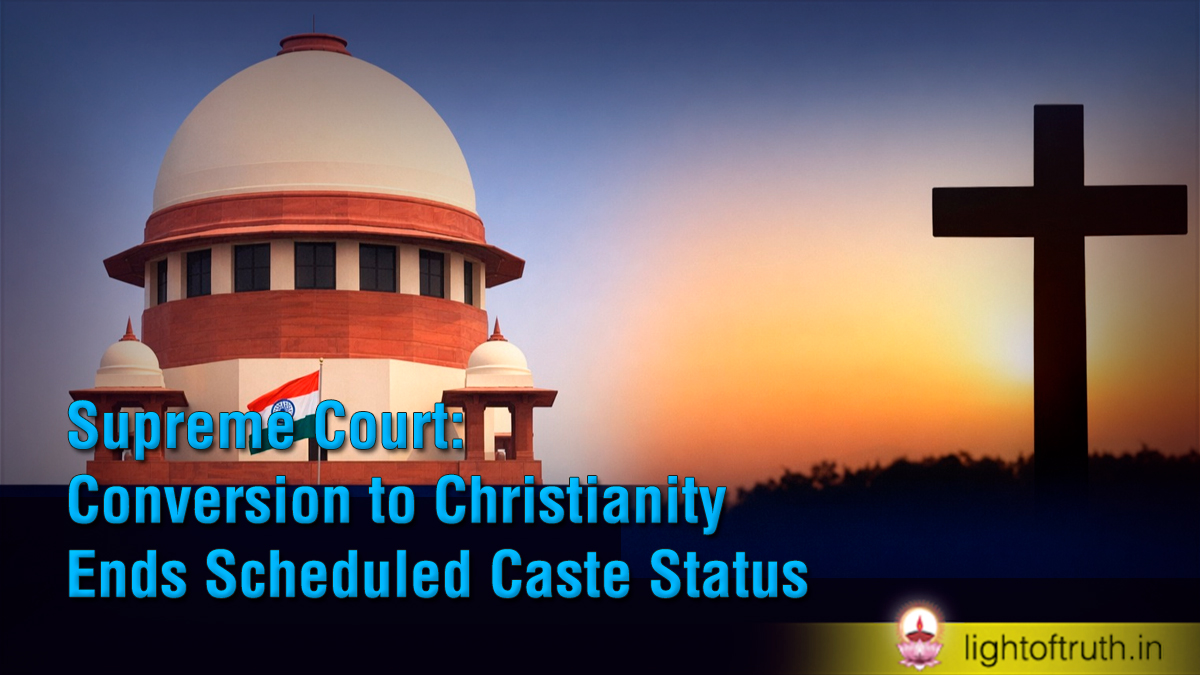
Supreme Court: Conversion to Christianity Ends Scheduled Caste Status

The Supreme Court of India on March 24 upheld a ruling that a person who converts to Christianity cannot be considered a member of a Scheduled Caste. The court affirmed an earlier decision of the Andhra Pradesh High Court on the issue.

The judgment referred to the Constitution (Scheduled Castes) Order, 1950, which states that Scheduled Caste status is limited to those who follow Hinduism, Sikhism, or Buddhism. The court said this rule is absolute and that conversion to any other religion results in the immediate loss of Scheduled Caste status.

The bench, including Justice Prashant Kumar Mishra and Justice Manmohan, clarified that a person cannot practice another religion and still claim benefits meant for Scheduled Castes. This includes protections, reservations, and legal rights under various laws.

The case involved a man who had converted to Christianity and was working as a pastor. He had filed a complaint under the SC/ST (Prevention of Atrocities) Act, alleging assault and threats. The accused challenged the complaint, saying it was not valid since the man was no longer part of a Scheduled Caste.

Earlier, the High Court had ruled that caste does not apply within Christianity and dismissed the case. The Supreme Court agreed, noting that the man continued to practice Christianity and had not returned to his original religion.

The court also said that having a caste certificate does not automatically give legal protection if a person has changed religion, as such matters must follow legal rules.