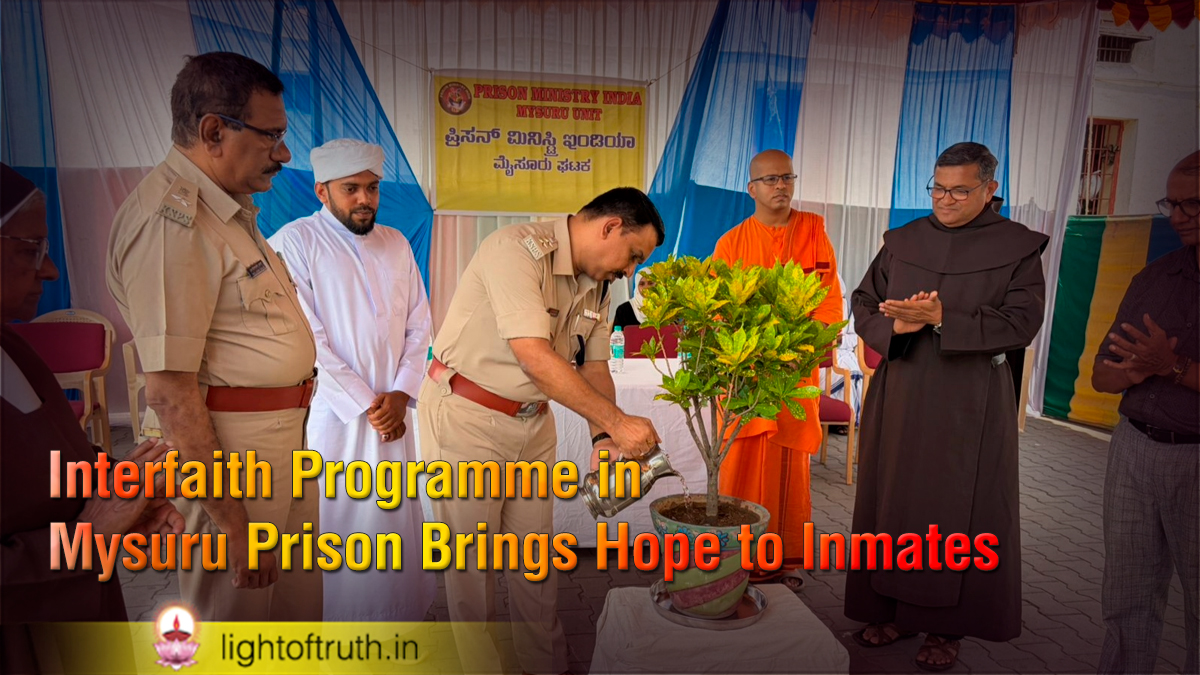
Interfaith Programme in Mysuru Prison Brings Hope to Inmates

An interfaith programme held at Central Prison Mysuru brought a message of hope, repentance, and renewal to hundreds of inmates on May 12 ahead of Bakrid celebrations.

The event was organised by Prison Ministry India (PMI), Mysuru Unit, as part of its outreach and rehabilitation efforts among prisoners. The programme aimed to encourage spiritual reflection, inner healing, and harmony among people of different faiths.

Chief Superintendent C. Seshumurthy presided over the gathering and encouraged inmates to reflect on the messages shared during the programme. He reminded them that their life journey does not end inside prison and urged them to prepare for a better future. He called on them to return to society with hope, dignity, and a renewed purpose.

The programme featured speakers from different religious backgrounds. Swami Agaharananda from the Ramakrishna Ashram spoke on the theme “All Religions are True.” Drawing from the teachings of Sri Ramakrishna Paramahamsa, he explained that people can experience God through different spiritual paths.

Shri Ameer Bannur from Mangaluru spoke about repentance, reconciliation, and forgiveness. He highlighted how forgiveness can heal lives and restore broken relationships.

Representing the Christian perspective, Fr. Archibald Gonsalves, OCD, reflected on the theme “God is Love.” He encouraged inmates not to lose hope and reminded them of God’s mercy and the possibility of a new beginning.

Prison officials, volunteers, and ministry leaders also attended the programme.

The gathering ended with a strong message that no life is beyond change and that faith and hope can lead to transformation.
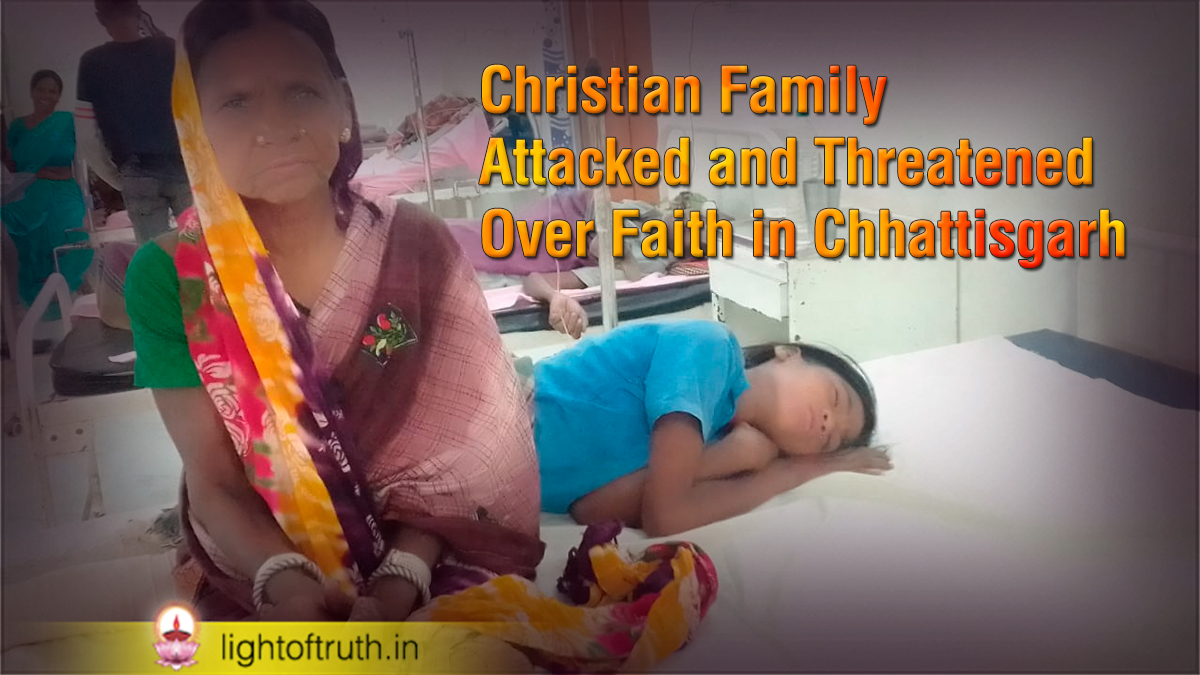
Christian Family Attacked and Threatened Over Faith in Chhattisgarh

A Christian family in Madgaon village of Kondagaon district was allegedly attacked and threatened because of their faith, raising concerns about the safety of minority communities in the region.

According to reports, the incident happened on the morning of May 9 in Madgaon village under Dhanora Police Station in Keshkal block. Members of the Karanga family were reportedly plucking mangoes from a tree on land they have cultivated for many years when they were attacked.

Five family members were injured in the assault. Those injured include Phunau Karanga, Manau Karanga, Milki Bai Karanga, Devi Karanga, and Jageswari Karanga. They are currently receiving treatment at a hospital in Keshkal.

Reports claim that two men from the same village objected to the family harvesting mangoes because they had converted to Christianity. The attackers allegedly told the family that they had no right to stay in the village or use local land and forest resources after accepting what they called a “foreign religion.”

The family had reportedly faced threats for several months. During village meetings, they were allegedly pressured to leave Christianity or face expulsion, loss of land, and threats to their lives.

The report also stated that the family was socially and economically isolated. They were allegedly stopped from collecting forest products such as Mahua flowers and Tendu leaves, which are important for livelihood.

Christian groups have urged authorities to provide protection, medical support, and legal action against those responsible for the violence and threats.

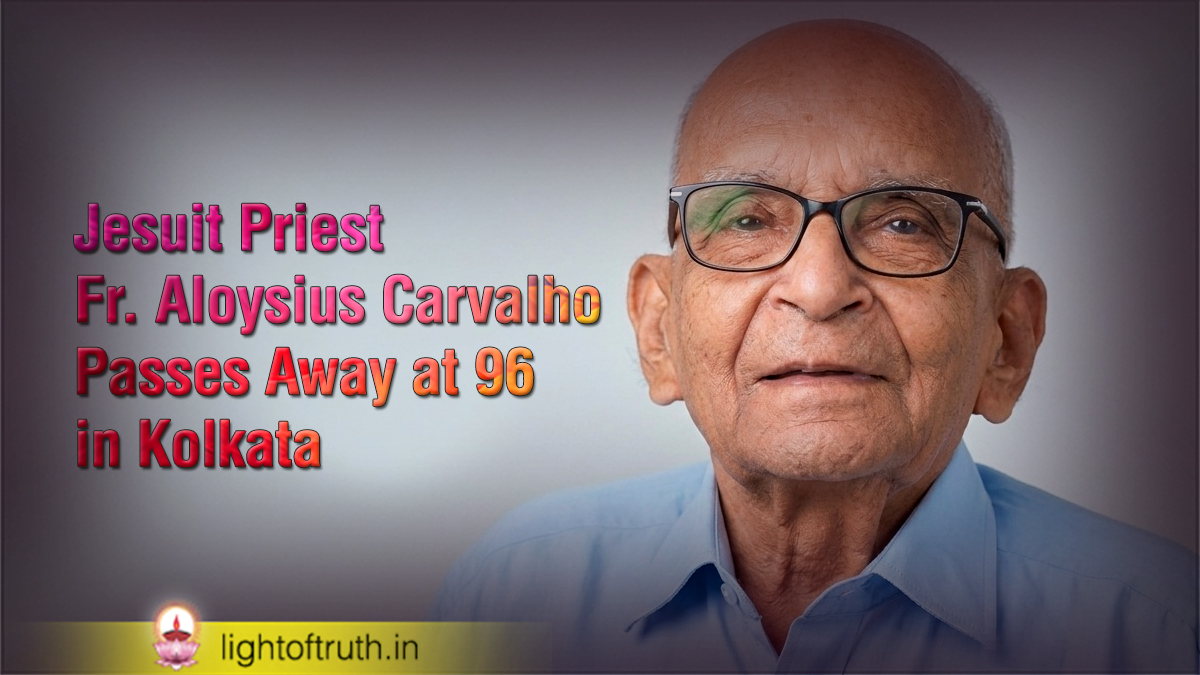
Jesuit Priest Fr. Aloysius Carvalho Passes Away at 96 in Kolkata

Fr. Aloysius Patrick Carvalho, a senior Jesuit priest known for his lifelong service in education and mission work, passed away on May 6 at St. Xavier’s College, Kolkata. He was 96.

Popularly known as “Father Ally,” he spent more than 70 years serving the Church through schools, parish ministry, and mission work among the poor and tribal communities.

His funeral Mass was held on May 8 at St. Xavier’s College Chapel and was led by the Provincial of the Calcutta Jesuit Province. He was later buried at Dhyan Ashram, the traditional burial place of Jesuits in the region.

Born in Kolkata in 1929, Fr. Carvalho studied in different schools across India before joining the Society of Jesus in 1949. Though he had gained admission to engineering studies, he chose religious life instead.

He was ordained a priest in 1962 and began ministry in Howrah, serving poor families and Adivasi communities.

One of his greatest contributions was founding St. Mary’s School on Ripon Street, Kolkata, in 1967. He served as founder, principal, and administrator, earning a reputation as a disciplined but caring educator.

Former students remember him as strict but deeply compassionate, often personally helping struggling students continue their education.

Later, he worked in rural West Bengal, founding schools and mission centres for Santhal and Dalit children. In 1980, he established Shanti Sadan Ashram in Mirga, which continues to support children from poor communities.

Church leaders described him as humble, spiritual, and fully committed to serving others.

Fr. Carvalho leaves behind a lasting legacy of faith, education, and service to the poor.

Kerala Church Promotes Parish Mental Health Support Across Communities

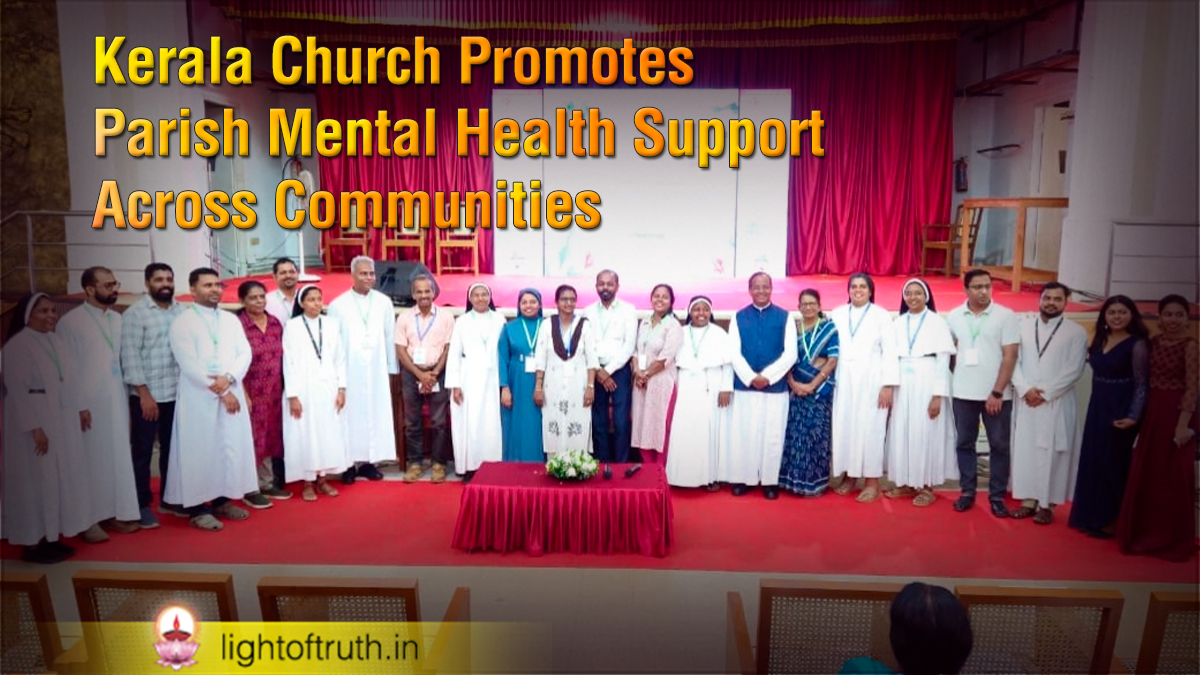
The Catholic Church in Kerala has called for the creation of Mental Health Ministries in every parish, diocese, and Church institution to support people facing emotional and psychological struggles.

The appeal was made during the Second Kerala Regional Mental Health Conference, “Manassinoru Karuthal,” held from May 8 to 9 in Kochi. The conference brought together priests, religious, and lay faithful involved in mental health ministry and outreach.

The event was organised by the Catholic Mental Health Ministry (CMHM) Kerala Region in collaboration with the Catholic Bishops’ Conference of India Office for Healthcare and the Kerala Catholic Bishops’ Council Health Commission.

During the conference, Bishop Alex Vadakumthala stressed the urgent need for a compassionate and organised Church response to growing mental health challenges affecting families, youth, elderly people, priests, and religious.

Participants discussed ways to strengthen parish-level mental health ministries using the Good Samaritan model, based on the three steps: Recognize, Respond, and Rebuild.

Church leaders described mental health ministry as an important mission for the whole Church and encouraged active participation from priests, religious, doctors, psychologists, social workers, nurses, and laypeople.

The conference also launched a national database of mental health professionals to improve support and coordination in parishes and dioceses across India.

A Malayalam book titled “Manassinoru Karuthal” was released to promote mental health awareness in communities.

The newly introduced Good Samaritan Award was presented to Jipson from the Archdiocese of Ernakulam-Angamaly for his service in parish-based mental health initiatives.

The conference ended with a strong commitment to expand mental health outreach, reduce stigma, and train more volunteers to care for people in distress.

Small Catholic School Brings Big Change to Meghalaya Village

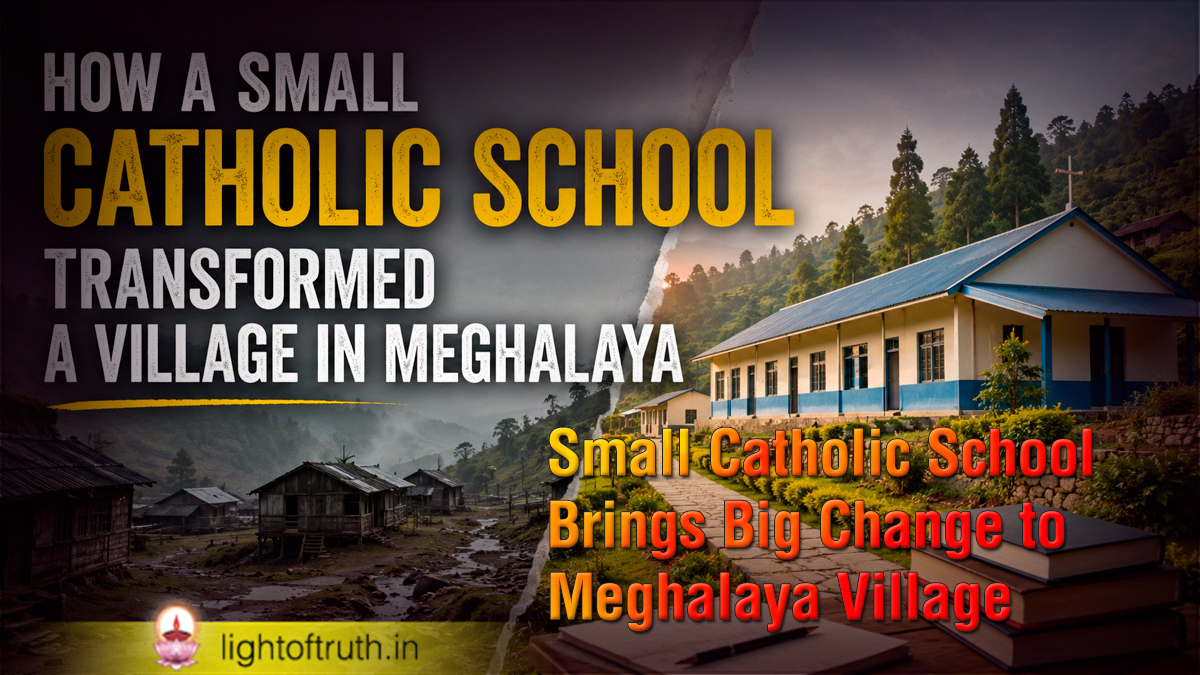
A small Catholic school in Mawlynrei village, under St. Dominic Savio Parish in Nongrah, has transformed the lives of many families by making education easier for children and strengthening the faith life of the community.

Mawlynrei is home to around 1,300 Khasi families. For many years, the village had only one parish school located at the center. Children living in the southern area, called Dong Sharum, struggled to attend school because of the long distance.

The turning point came in 2001 and 2002 when Basic Ecclesial Communities (BECs) were introduced in the village. During meetings and Gospel sharing, BEC leaders listened to the concerns of families and identified education as a major challenge.

Moved by the struggles of children, local leaders and BEC members decided to build a small school. With community support and collected funds, they constructed a simple tin-roof building and named it St. Joseph’s School.

The school officially opened on February 20, 2003, with one teacher, Ms. Brigida Mawthoh, who received a salary of just Rs. 300 per month funded by BEC members.

Over the years, the nursery school grew steadily. Today, St. Joseph’s School has classes up to Class V with seven teachers supported by regular community contributions.

The impact of BECs also extended beyond education. Faith participation increased, family prayers became more Scripture-centered, and more laypeople became involved in church activities.

What started as a small effort to help children reach school has now become a powerful example of how faith, unity, and community action can transform an entire village.

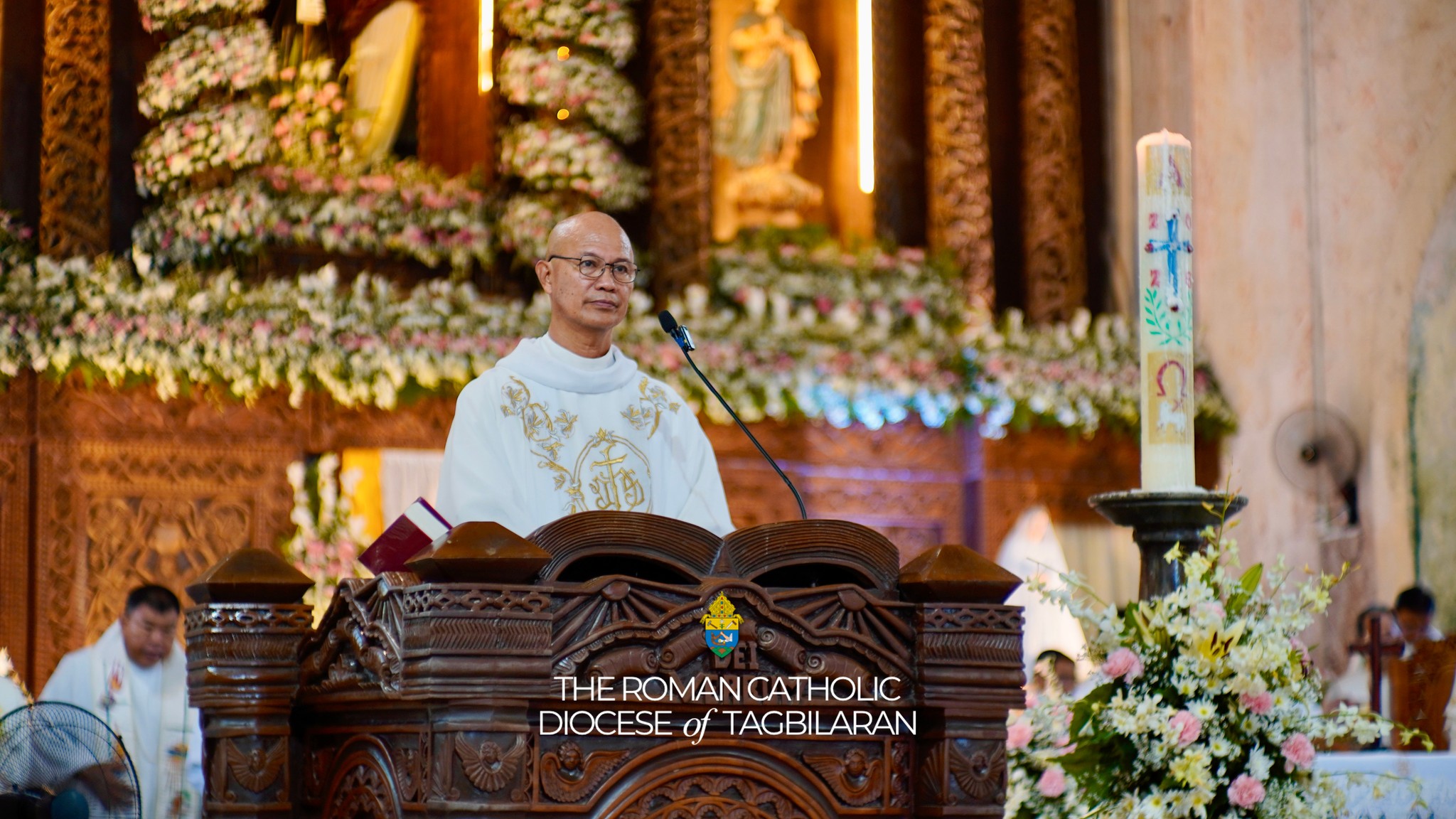
In Philippines Bishop-designate declines ordination, citing personal limitations after papal appointment

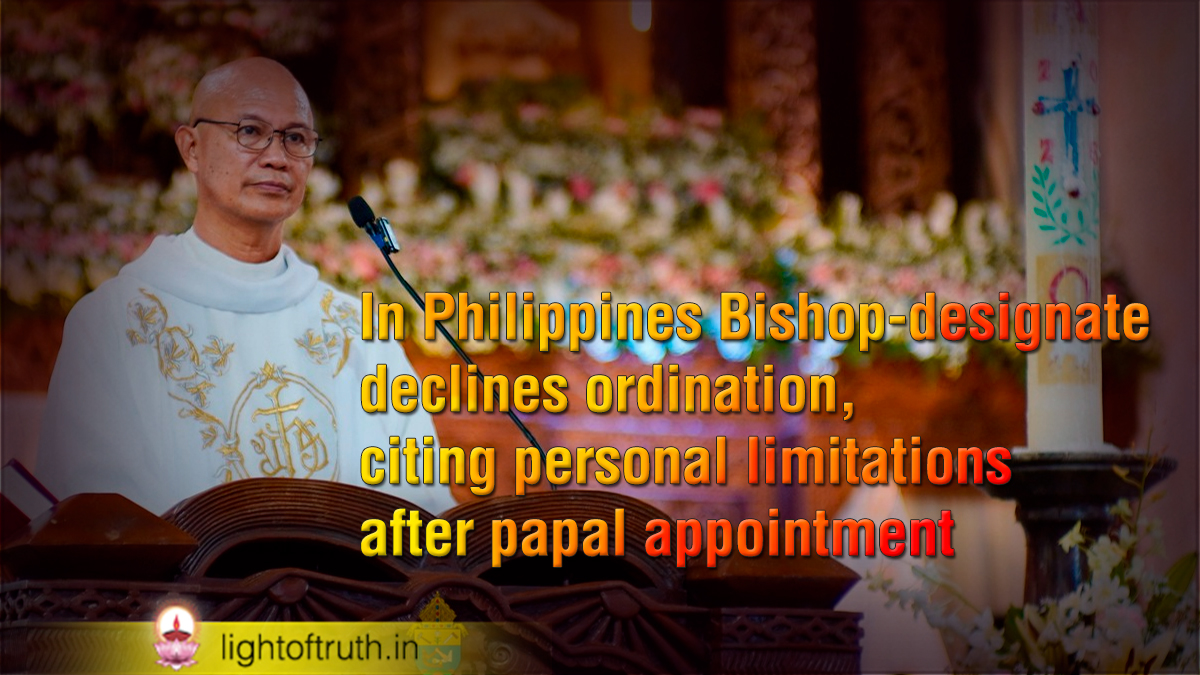
Fr. Gerardo Saco Jr., who had been named bishop of Tagbilaran, announced he would not proceed with his ordination scheduled for May 26, leaving the diocese without a bishop months after its last prelate was transferred.

“After much prayer and careful discernment, I humbly inform the faithful of the Diocese of Tagbilaran of my decision not to proceed with my Episcopal Ordination scheduled on May 26, 2026,” Saco said.

He described the move as a “change of heart” and asked for understanding from the faithful. “It comes from a deep awareness of my own human limitations and inadequacies” .

The Diocese of Tagbilaran, located in Bohol province in the central Philippines, has been without a bishop since September 2025, when Archbishop Alberto Uy of Cebu was transferred to his current post. Saco had been serving as diocesan administrator at the time of his appointment.

In a separate statement, Archbishop Alberto Uy of Cebu confirmed that the Vatican had accepted Saco’s decision.  “Bishop-elect Gerardo ‘Jingboy’ Saco Jr. has communicated to the Holy Father his decision not to proceed with his episcopal ordination. The Papal Nuncio has informed that the Holy Father has accepted his decision,” Uy said. He acknowledged the response of the local Church, saying the development “has brought sadness to many of us, especially the faithful of the Diocese of Tagbilaran.”

Saco said he would continue his ministry as a priest. “Please be assured of my continued commitment as a priest, to journey with you in faith in the Risen Lord, who never abandons us in moments of trial and need,” he said.

Thai Church shifts priestly formation toward accompaniment, pastoral leadership, and accountability

Thailand’s Catholic bishops are reshaping the way future priests are formed by investing in the training of seminary formators, emphasizing accompaniment, emotional maturity, and pastoral leadership in response to the challenges of a rapidly changing world.

The renewed approach marks a shift away from formation models focussed primarily on academics and discipline toward a more holistic framework rooted in the Vatican’s 2016 document, Ratio Fundamentalis Institutionis Sacerdotalis

Church leaders in Thailand said formators must be prepared to guide seminarians through changing social realities, digital culture, and the demands of transparent and accountable ministry while deepening their own spiritual and human formation.

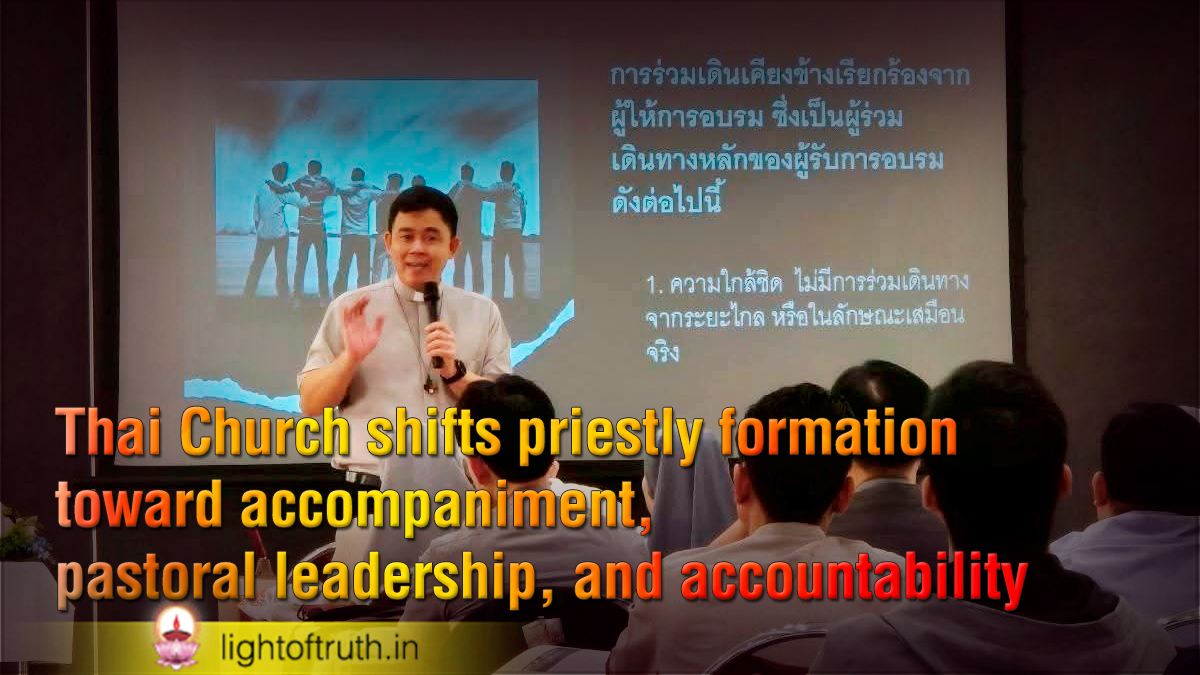
Central to the approach is the call for formators to become true spiritual guides who understand the personal journeys of seminarians and accompany them in their vocation. Church leaders also stressed that formators themselves must undergo ongoing conversion, continually deepening their human and spiritual maturity. The renewed vision was reflected in a recent training course held at Baan Phu Waan, west of Bangkok.

Organized by the Catholic Bishops’ Conference of Thailand, the program brought together formators from diocesan seminaries and religious congregations, including participants from Dominic Savio Seminary. The course was directed, and focused on strengthening four essential dimensions of formation: human, spiritual, intellectual, and pastoral.

A distinctive feature of the program was its use of the See–Judge–Act method, a pastoral approach developed by Belgian Cardinal Joseph Cardijn and widely used in Catholic social teaching. The method encourages participants to engage reality through observation, reflection, and concrete action. It begins with examining real-life situations and their underlying causes, followed by reflection in the light of Scripture and Church teaching, before leading to responses aimed at promoting justice and transformation.

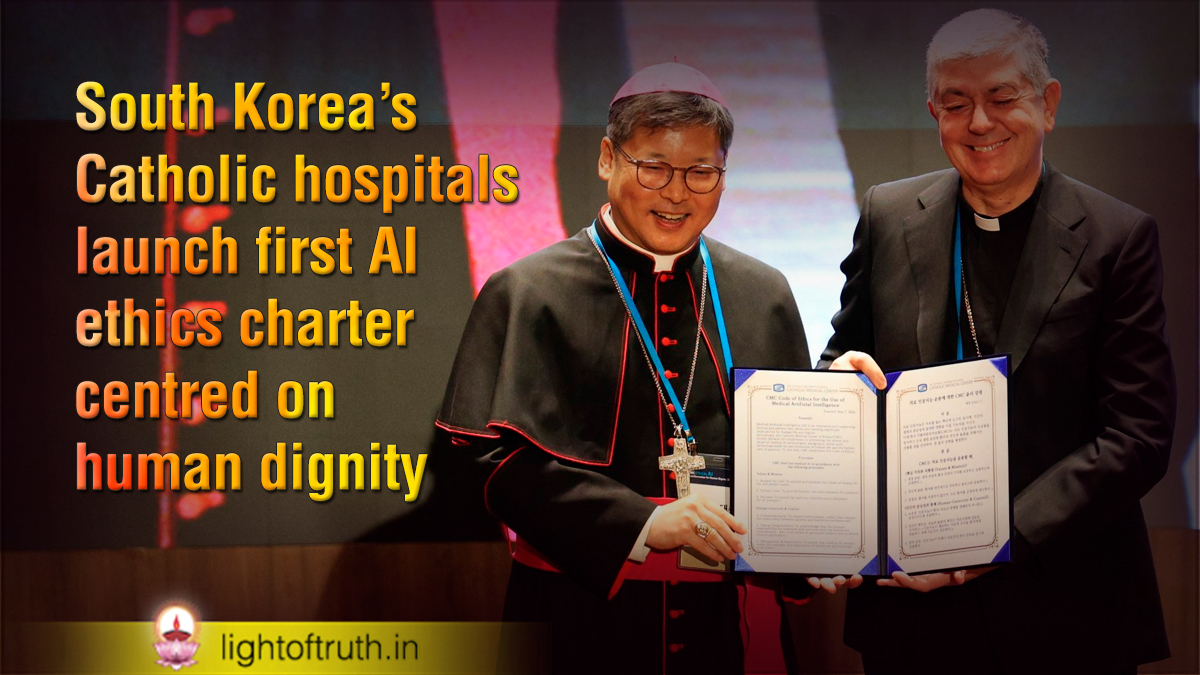
South Korea’s Catholic hospitals launch first AI ethics charter centred on human dignity

South Korea’s Catholic medical network has launched the country’s first hospital AI ethics charter, with Church leaders insisting that artificial intelligence must never replace human compassion and responsibility in caring for the sick.

The Catholic Medical Center (CMC), one of the country’s largest Catholic healthcare systems, formally unveiled its “Medical AI Ethics Charter” during the “CMC Ethical AI Transformation Symposium” held May 7 at the Catholic University of Korea in Seoul.

The charter outlines four core principles and 12 implementation guidelines centered on human dignity, medical accountability, data ethics, social justice, and ecological responsibility. Its provisions include commitments to ensure that artificial intelligence strengthens rather than replaces relationships between patients and healthcare workers that medical personnel remain ultimately responsible for treatment decisions, and that patient privacy and fairness are protected. Archbishop Peter Chung Soon-taick attended the symposium alongside Archbishop Giovanni Gaspari, government officials, healthcare executives, and academic leaders.

In his address, Archbishop Chung said healthcare must remain rooted in human relationships despite rapid technological advances. “The essence of healthcare is not the transmission of knowledge, but a ‘human relationship’ in which life recognizes and respects another life,”

He warned that while machines may assist healthcare workers, they cannot replace human accompaniment and compassion. “Machines can analyze

 suffering, but they cannot accompany us in the face of that suffering,” he said, stressing that such accompaniment “must remain a human responsibility.”

The archbishop also expressed hope that even in an AI-driven medical environment, patients would continue to encounter compassion through healthcare workers. “Even on the day when artificial intelligence becomes fully integrated into medical practice, I pray that those who suffer may still feel, through healthcare workers and by their side, that they are loved by God,”

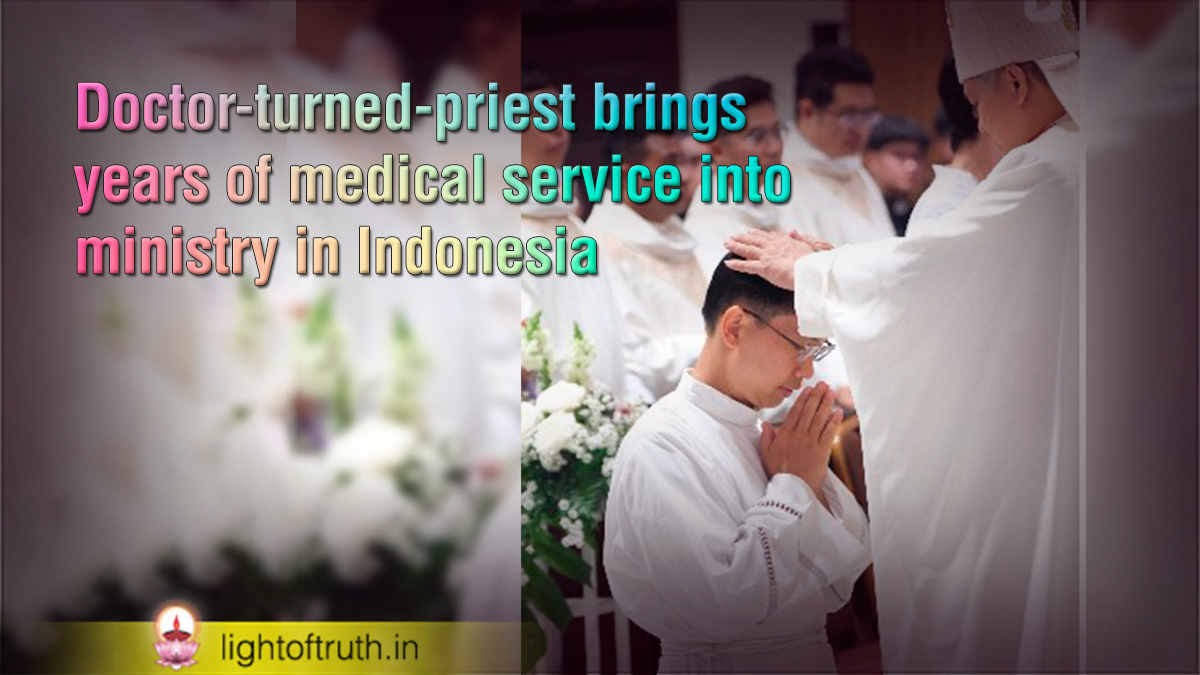
Doctor-turned-priest brings years of medical service into ministry in Indonesia

The ordination of the 46-year-old paediatrician drew attention not only because of his unusual background, but also because it reflected a lifelong path shaped by service, faith, and quiet discernment. Priests with medical backgrounds remain rare in Indonesia, placing Fr. Yandis among a small number of Catholic clergy and religious who once pursued careers in medicine before entering Church ministry. His journey bridges two worlds often associated with healing: medicine and pastoral care.

Before entering seminary formation, Fr. Yandis worked at several hospitals, including Borromeus Hospital and St. Yusup Hospital in Bandung. Patients and colleagues knew him as a paediatrician. Within Church circles, however, signs of a possible vocation had long been noticed.

Born and raised in Jakarta, Fr. Yandis came from St. Anna Church in Duren Sawit Parish, East Jakarta. After graduating from high school, he enrolled at the Faculty of Medicine of Atma Jaya Catholic University of Indonesia, where he studied from 1998 to 2005. He later specialized in paediatrics at the University of Santo Tomas in Manila from 2008 to 2018 before completing an equivalency program at Padjadjaran University in Bandung, West Java.

Even while immersed in medicine, Church life remained part of his daily rhythm. From a young age, he served as an altar server and remained active in pastoral activities. During his formation as a diocesan priest candidate in the Diocese of Bandung, he carried out pastoral work at the “Sahabat” tutoring centre from 2016 to 2018 and later became an altar server mentor at St. Paul Church in Toha Parish, Bandung, from 2019 to 2020. Following his ordination by Bishop Antonius Subianto Bunjamin of Bandung, the newly ordained priest was assigned to St. Mary Parish Church in Cirebon for his first pastoral ministry.

His story now adds another chapter to the little-known history of Indonesian clergy and religious with medical backgrounds. For Fr. Yandis, the journey from physician to priest reflects two vocations rooted in the same mission: caring for human life.

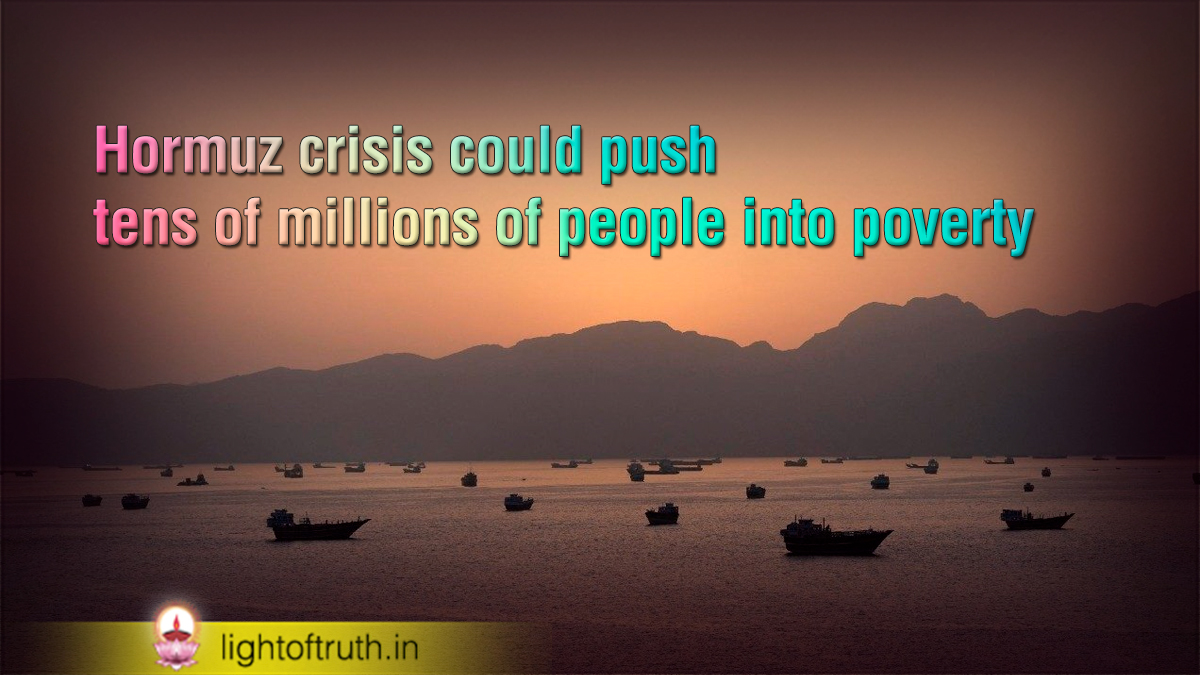
Hormuz crisis could push tens of millions of people into poverty

The UN Secretary‑General has warned that the escalating crisis in the Strait of Hormuz could push tens of millions of people into poverty, drive a sharp rise in global hunger and potentially tip the world toward recession.

The escalating crisis in the Strait of Hormuz could push tens of millions of people into poverty, drive a sharp rise in global hunger and potentially tip the world toward recession, the UN Secretary‑General warned. Antionio Guterres said restrictions on free passage through the strategic waterway are impeding the delivery of oil, gas, fertilizer and other critical commodities, tightening pressure on an already fragile global economy.

According to UN projections, even an immediate end to shipping and trade disruptions would leave supply chains struggling for months. 

Global growth would fall from 3.4% to 3.1%, inflation would rise to 4.4% and trade would slow sharply, adding strain to economies still recovering from the pandemic and the war in Ukraine.

The head of UN Project Services is leading a task force exploring a possible humanitarian corridor, while the International Maritime Organization is developing plans to evacuate ships and crews if safe passage can be secured.

The consequences worsen significantly if Iranian attacks, threats and the U.S. blockade of Iranian ports continue through midyear. 

UN estimates show 32 million people could be pushed into poverty, fertilizer shortages would reduce crop yields, 45 million more people would face extreme hunger and years of development gains could be erased.

A worst‑case scenario — with severe disruptions lasting through the end of the year — raises the risk of a global recession with far‑reaching economic, political and social impacts. The UN chief said the effects of the crisis are accelerating, not accumulating, and warned that prolonged restrictions will make the damage harder to reverse. He urged all parties to restore navigational rights and reopen the strait to stabilize global supply lines.