Catholics in India Invited to Fast and Pray for Peace in the Middle East

Catholics across India have been invited to observe a special Day of Fasting and Prayer for Peace in the Middle East on March 13. The call was made by Cardinal Filipe Neri Ferrão, president of the Conference of Catholic Bishops of India (CCBI).

The day is part of the Week of Prayer for Peace, which is being observed from March 8 to March 14. The initiative was announced by the bishops as violence and tensions continue in several parts of the Middle East.

Church leaders have encouraged the faithful to offer fasting, prayer, and personal sacrifices for peace in the troubled region. They are also asked to pray for the protection of innocent people who are suffering because of the conflicts and for wisdom for world leaders working for peace and reconciliation.

The bishops have also asked Catholics to remember the many Indians who live and work in Middle Eastern countries. Many of them support their families in India and contribute greatly to both the Church and society. The faithful have been urged to pray in a special way for their safety and well-being.

During the week, Catholics have been encouraged to pray the Holy Rosary every day, asking the intercession of Our Lady, Queen of Peace, for harmony and justice in the region.

Parishes, families, and prayer groups across India have been invited to take part in the March 13 observance. Church leaders hope that united prayer and sacrifice will help bring peace, healing, and hope to people suffering from violence in the Middle East.
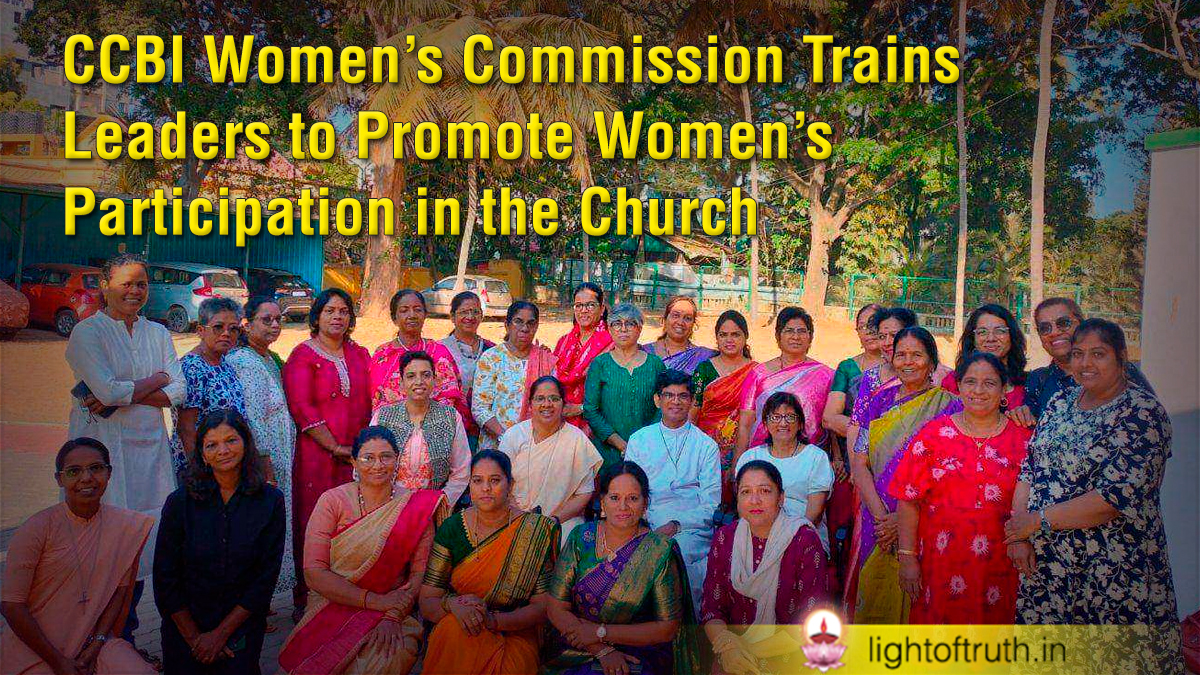
CCBI Women’s Commission Trains Leaders to Promote Women’s Participation in the Church

The Conference of Catholic Bishops of India (CCBI) Commission for Women organized its Second National Resource Team Training Programme from March 9 to 11 at Nava Spoorthy Kendra in Bengaluru. The programme brought together 33 women leaders from five regions across India to strengthen leadership and promote safeguarding within the Church.

The three-day training focused on encouraging women’s active participation in Church life and promoting dignity and equality in communities. Participants attended sessions designed to help them support women’s leadership at parish and diocesan levels.

A major part of the programme discussed the Church’s Pastoral Plan 2033, which aims to increase the participation of women in the mission of the Church in India. Church leaders said the initiative has already gained momentum, with many dioceses across the country taking part in leadership formation programmes.

Participants also discussed important social issues such as gender equality, discrimination, stereotypes, and gender-based violence. Special sessions introduced them to India’s legal protections, including the Protection of Children from Sexual Offences Act (POCSO) and the Prevention of Sexual Harassment Act (POSH). These sessions aimed to help participants promote safer and more respectful environments in Church institutions.

The programme also included daily Eucharistic celebrations and spiritual reflections that encouraged participants to reflect on justice, dignity, and the protection of vulnerable people.

Participants described the training as an important learning experience that helped them better understand their role in strengthening the Church. At the end of the programme, leaders encouraged participants to prepare action plans and share the training in their dioceses, helping build stronger women’s leadership across the Church in India.

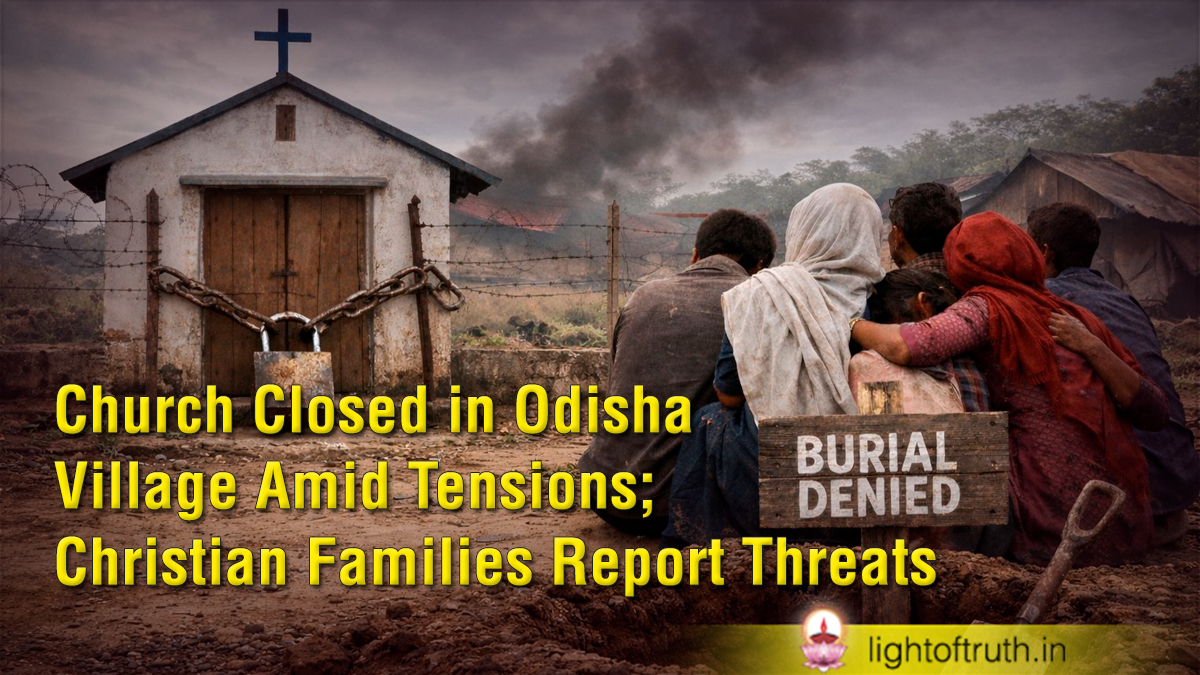
Church Closed in Odisha Village Amid Tensions; Christian Families Report Threats

Tensions between religious communities in Kopena village of Nabarangpur district in Odisha have led to the closure of a local church, leaving several Christian families afraid and unable to freely practise their faith.

The church, used by around 30 Christian families, was locked on January 25 after disagreements between the Christian community and the majority Hindu population in the village. Since then, Christian residents say they have faced threats and restrictions on their religious activities.

According to villagers, tensions increased on the day the church was closed. Two young Christian men, Jolander and John Santa, were reportedly beaten when they tried to record a video of the church being locked. The incident created fear among many families in the community.

Local authorities say they are aware of the dispute and have formed a peace committee to address the issue. Officials said the disagreement is mainly about the ownership of the land where the church stands, claiming that it belongs to the government.

However, the village pastor said the land was legally purchased in 2007 and that the church has been used for worship for many years.

The situation became more serious after the death of a 13-year-old Christian boy. His family said they were prevented from conducting the burial according to Christian rites in the village. The burial was later carried out on private land in the presence of police officials.

Christian groups say such incidents reflect growing hostility toward Christians in India. Meanwhile, Christian families in the village say they now gather and pray quietly in their homes, hoping the situation will improve.

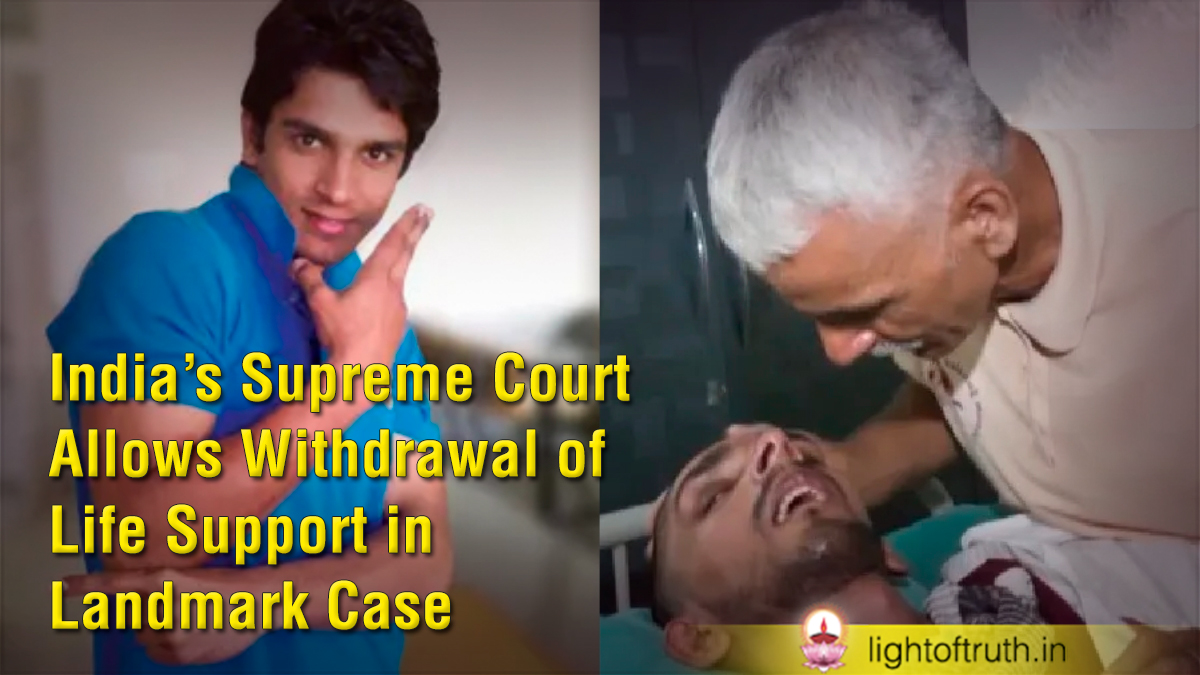
India’s Supreme Court Allows Withdrawal of Life Support in Landmark Case

The Supreme Court of India on March 11 allowed the withdrawal of life support from a man who has been in a vegetative state for more than ten years. The decision is being described as the first time the court has approved passive euthanasia for a specific individual case in the country.

The patient, Harish Rana, suffered severe head injuries after falling from a building in 2013. Since then, he has remained on life support with no signs of recovery. Doctors said he had almost no chance of regaining consciousness and was fully dependent on others for daily care.

Rana’s parents approached the court seeking permission to remove life support, saying they had tried all possible medical treatments without success. The court accepted their request after reviewing medical reports and legal guidelines.

India officially recognized passive euthanasia in 2018, allowing life support to be withdrawn under strict conditions so that death can occur naturally. However, active euthanasia, in which drugs are used to cause death, remains illegal in the country.

Some Christian leaders welcomed the court’s decision, saying it respected the dignity of human life. They noted that the family had taken every possible step to save the patient before making the request.

The debate about euthanasia in India began years earlier during the famous case of Aruna Shanbaug, a nurse who remained in a vegetative state for decades after a violent attack.

The issue continues to raise ethical and moral questions worldwide, as societies balance compassion for suffering patients with the belief in the sanctity of life.

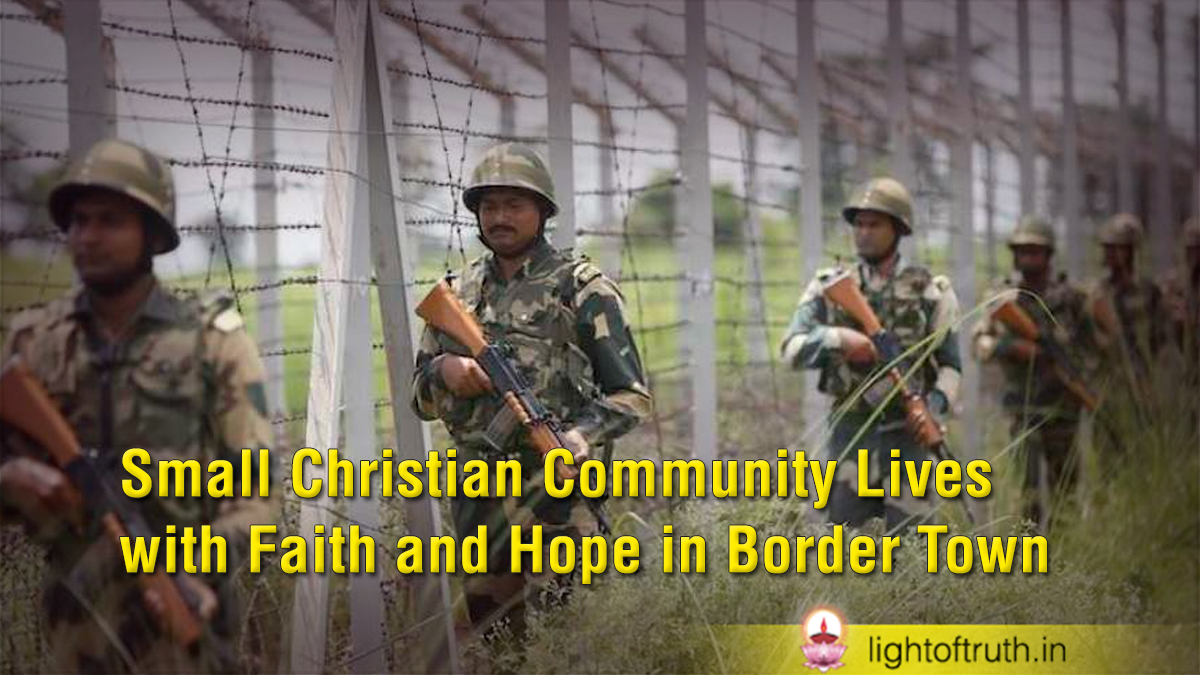
Small Christian Community Lives with Faith and Hope in Border Town

In the frontier town of Akhnoor in the district of Jammu and Kashmir, a small Christian community continues to live with courage despite poverty and the tension of border conflicts. The town lies close to the Line of Control between India and Pakistan, where occasional firing and military activity often disturb daily life.

Around 130 Christian families live in small villages on the outskirts of Akhnoor. Many of them are third-generation Catholics whose ancestors accepted the Christian faith in the early 20th century when missionaries began working in the region. Most families work in low-paying jobs such as street sweeping or daily wage labor.

Despite these difficulties, many parents are determined to give their children a better future through education. One woman from the community works as a municipal street sweeper but dreams of seeing her son become a teacher. She says honest work gives dignity, and she hopes her child will achieve what she could not.

Border tensions also affect daily life. During shelling near the border, families often stay inside their homes and pray for safety. Yet they continue to hope for a better future.

The local Church plays an important role in supporting the community. The Roman Catholic Diocese of Jammu–Srinagar runs social services, including a shelter home for abandoned women.

Education is another focus. St. Francis Higher Secondary School in Akhnoor provides quality education to many children, including those from poor Christian families.

Even in difficult conditions, the Christian community remains united in faith and continues to hope for a brighter future for the next generation.

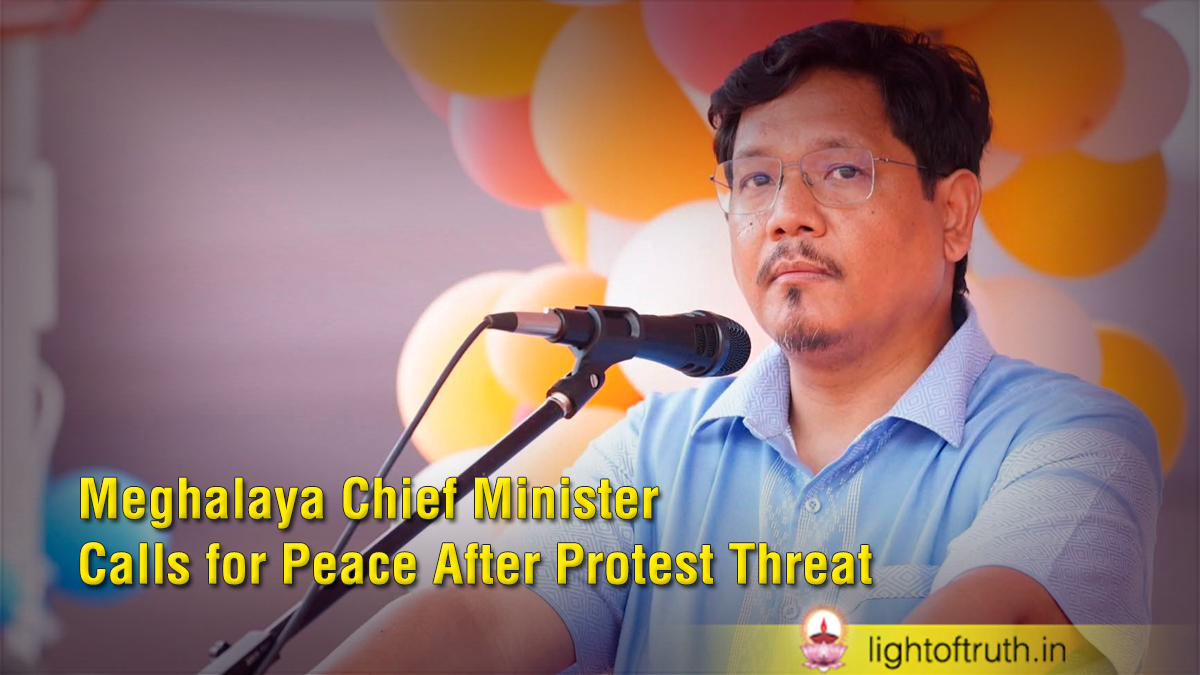
Meghalaya Chief Minister Calls for Peace After Protest Threat

The Chief Minister of Meghalaya, Conrad K. Sangma, has called for calm and peace after unrest in parts of the state during protests. He urged people to avoid violence and solve issues through dialogue and mutual understanding.

Tensions increased when a protester reportedly threatened to burn the Chief Minister’s house during the demonstrations. Responding to the threat, Sangma said he places his trust in God and remains calm despite the situation. He said that faith gives him strength and confidence during difficult times.

Violence was reported in the West Garo Hills district during protests against the elections to the Garo Hills Autonomous District Council (GHADC). Demonstrators opposed the participation of non-Garo candidates in the nomination process. During the clashes in the Chibinang area on March 10, two people were killed and several others were injured when police opened fire on a mob.

The unrest also led to damage to government properties, religious places, and some homes. The Chief Minister said such acts of destruction do not reflect the values of the people of Meghalaya and appealed to citizens to respect democratic systems.

In response to the violence, Sangma announced that the GHADC elections, which were scheduled for April 10, would be postponed.

Earlier this year, Sangma was honoured with the CBCI National Award by the Catholic Bishops’ Conference of India for his contributions to society, including promoting human dignity, education, and social development.

The Chief Minister urged all communities to work together to restore peace and harmony in the state.

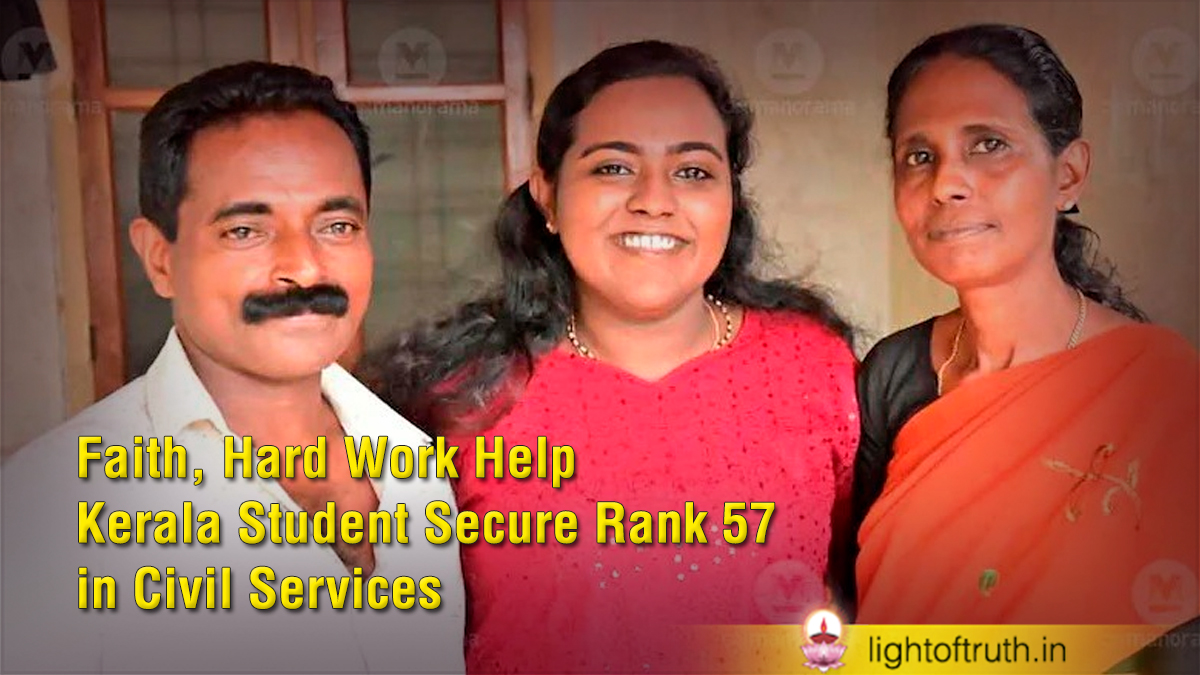
Faith, Hard Work Help Kerala Student Secure Rank 57 in Civil Services

A young woman from Naruvamoodu village near Thiruvananthapuram in Kerala has inspired many after securing the 57th rank in India’s prestigious Civil Services Examination. Sreeja G.S. achieved this success through determination, disciplined study, and strong faith.

Sreeja prepared for the examination in a small unfinished room in her home. The room had poor lighting, which made studying difficult. Using her savings of ₹2,500, she bought white cement and paint and, with the help of her father, painted the walls to make the room brighter for studying.

She studied at Little Flower School in Vellayani, New Higher Secondary School in Nellimoodu, and St. Mary’s School in Pattom. Encouraged by her teachers, she decided to aim for the civil services. Later, she completed both her undergraduate and postgraduate studies at Madras Christian College in Chennai.

During her preparation, Sreeja followed a strict routine. She reviewed lessons daily and made detailed notes from newspapers, which helped her during the interview stage. She had also made a strong decision to attempt the Civil Services Examination only once.

Her father, Jayakumar, who studied only up to Class 9 and works as a daily wage labourer, played a key role in supporting her education despite financial struggles. Sreeja also credits her faith for helping her stay strong during difficult moments. She regularly prayed the Rosary, read the Bible, attended Holy Mass, and spent time in Eucharistic Adoration.

On the day the results were announced, she held a Rosary gifted by her parish priest and entrusted everything to God. Sreeja says faith, hard work, and perseverance helped turn her dream into reality.

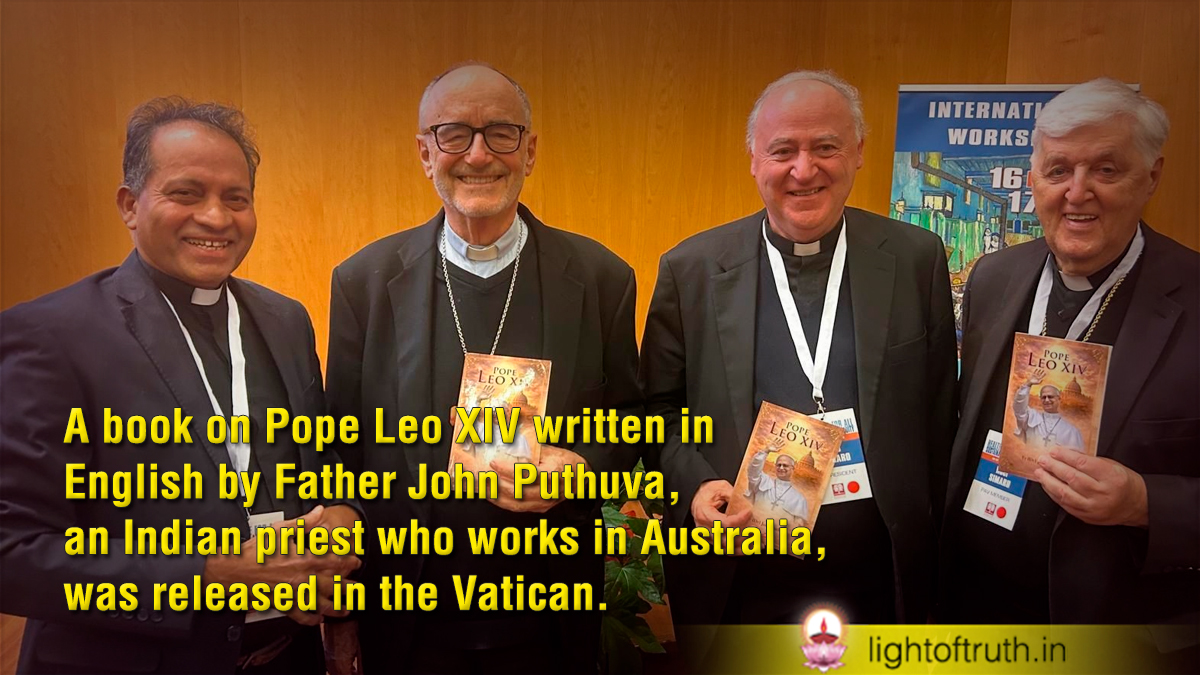
A book on Pope Leo XIV written in English by Father John Puthuva, an Indian priest who works in Australia, was released in the Vatican.

The ceremony was held at the Augustinian Institute in the Vatican. Monsignor Renzo Pegararo, the president of the Pontifical Academy for Life presented a copy of “Leo XIV” to Cardinal Michael Cherny, the prefect of the Vatican’s Department for Integral Human Development, or the Dicastery for Promoting Integral Human Development.

The launch took place at the February 16-17 international seminar organized by the Pontifical Academy for Life. About a hundred delegates, including cardinals, bishops, priests, and laity from different parts of the world, attended the seminar.

Father Puthuva said that he was very happy to release the book at a grand ceremony.

He presented a copy of the book to the Pope, who expressed surprise. After going through the book, the Pope told Father Puthuva, “Congratulations.”

With this, Father Puthuva has written 16 books, including Pope John Paul II, Carlo Acutis, Chiara Luce, and Blessed Rani Maria. Father Puthuva is a native of Chulli in Ernakulum Angamaly Arch diocese. He serves as the vicar of St. Alphonsa Church in Darwin, Australia. The 59-year-old priest came to Australia on February 13, 2022.

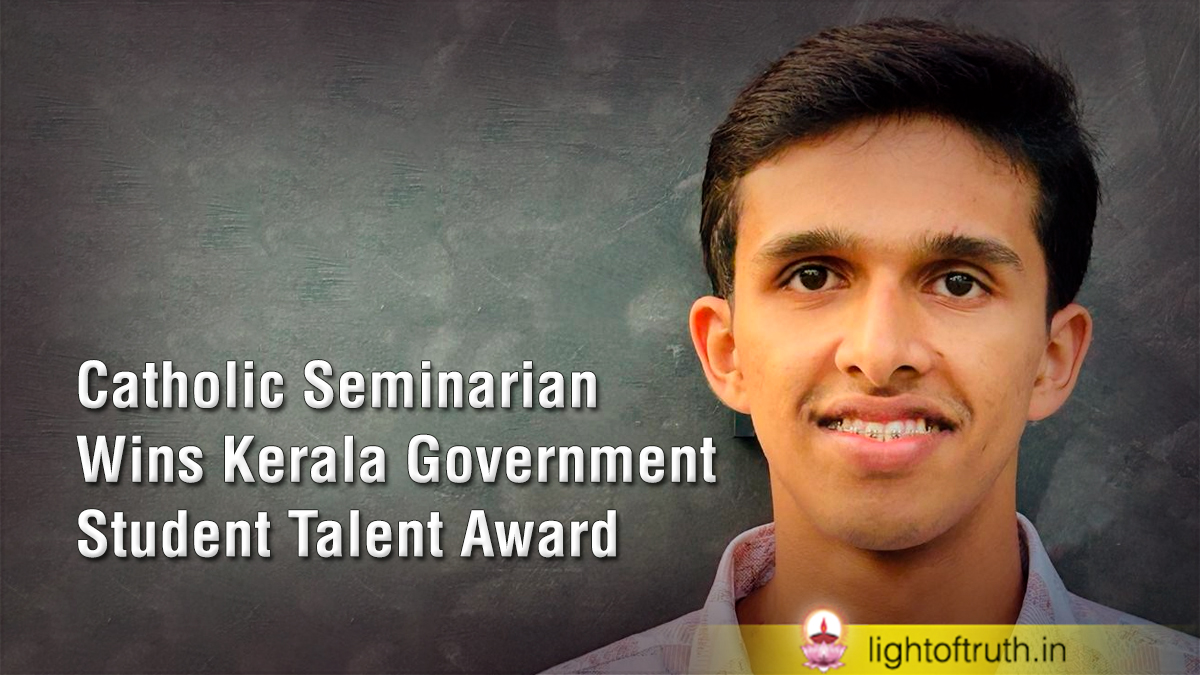
Catholic Seminarian Wins Kerala Government Student Talent Award

A Catholic seminarian from Kerala has received the state government’s prestigious student talent award for his outstanding academic achievement. Brother Alex Velamkunnel, a minor seminarian of the Archdiocese of Tellicherry, was honored with the Vidyarthi Prathibha Puraskaram on March 10.

The award was presented by Kerala Education Minister R. Bindu at a ceremony held at Government College Thiruvananthapuram. The award includes a certificate and a cash prize of 100,000 rupees. Brother Alex was among 1,000 college students selected from across the state for this recognition.

Currently, he is pursuing a master’s degree in mathematics at the Central University of Tamil Nadu. Earlier, he achieved first rank in mathematics at Kannur University with an impressive score of 96 percent in his Bachelor of Science degree.

Brother Alex comes from Thomapuram village in Kasaragod district and is the youngest son of Tom and Shiji Velamkunnel. After completing his schooling at St. Mary’s High School Chittarikkal and higher secondary studies at St. Thomas Higher Secondary School Thomapuram, he joined the minor seminary of the archdiocese.

Recognizing his academic talent, Archbishop Joseph Pamplany encouraged him to pursue higher education. He studied at Government Brennen College Thalassery while continuing his seminary formation.

Brother Alex said his success comes from faith and dedication. He believes that seminary life, with its discipline and prayer, has given him the strength to achieve excellence in his studies while continuing his journey toward priesthood.

Kerala Catholic Bishops Raise Concern Over Rising Alcohol and Drug Abuse

Catholic bishops in Kerala have expressed serious concern about the growing problem of alcohol and drug abuse in the state. The bishops accused the communist-led Left Democratic Front government of not taking enough action to control the situation.

A circular issued by the Temperance Commission of the Kerala Catholic Bishops’ Conference was read in Catholic churches across the state during Sunday Mass on March 8. The letter called on people, especially parents, to be vigilant and protect young people from the dangers of drugs and alcohol.

The bishops warned that drug abuse among students is increasing. According to the circular, around 1,400 schools in Kerala have reportedly become hotspots for drug activity. The Church also expressed concern that some schoolgirls are being trapped into drug addiction and later forced to act as drug carriers.

The bishops said the government had earlier promised to reduce alcohol consumption but instead has allowed the number of liquor outlets to increase. They noted that the state now has more than 1,000 bars, 337 liquor stores, and over 5,000 toddy shops.

Church leaders and Catholic organizations say the government has even relaxed rules allowing bars and liquor shops to remain open until 3 a.m., which they believe encourages more alcohol consumption.

Reports also show a rise in drug-related crimes. In 2024, Kerala recorded over 27,000 cases under the Narcotic Drugs and Psychotropic Substances Act, one of the highest numbers in India.

The bishops urged society to work together to protect young people and address the growing crisis of substance abuse in the state.