Ukraine four years on: ‘It is a living paschal story’

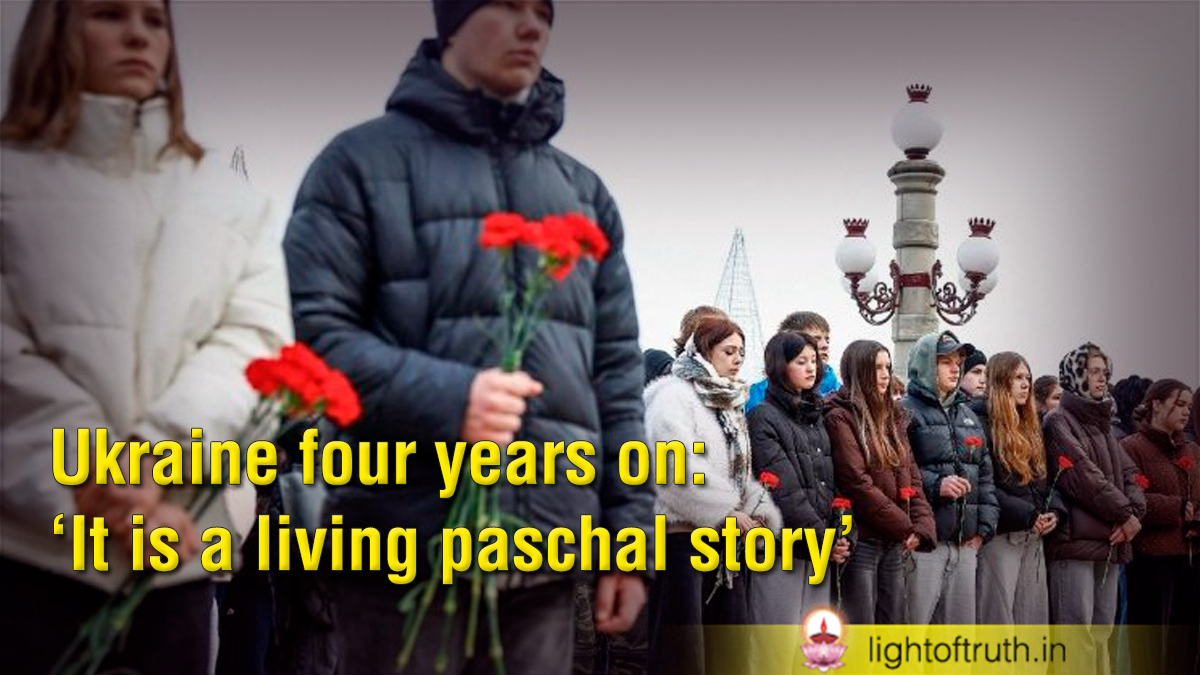
Four years ago on February 24, Russia launched a full-scale invasion of Ukraine-scaling up on an already intense conflict that had begun eight years prior.

In the last four years, the number of causalities and the destruction have risen. The UN High Commissioner for Refugees estimates that some 5.9 million people have emigrated from the country. Relief Web reports that more than 15,000 civilians have been killed. About one quarter of the pre-war population of 42 million people has been lost.

Speaking to Vatican News, Metropolitan Borys Gudziak, Archbishop of Philadelphia of the Ukrainian Greek Catholic Church, shares how in the midst of this challenging time, the Ukrainian people have been able to foster identity and strengthen relationships, which he says are “the instruments to withstand this kind of assault.”

Despite the lack of heating, electricity, and the ongoing bombings, Metropolitan Gudziak explains how important global support is for the people in Ukraine. Whether it be the voice of the Pope or the collections gathered in countries around the world, the archbishop stresses that Ukrainians are still “standing, tired and exhausted, but faithful and full of faith that God’s truth will prevail.”
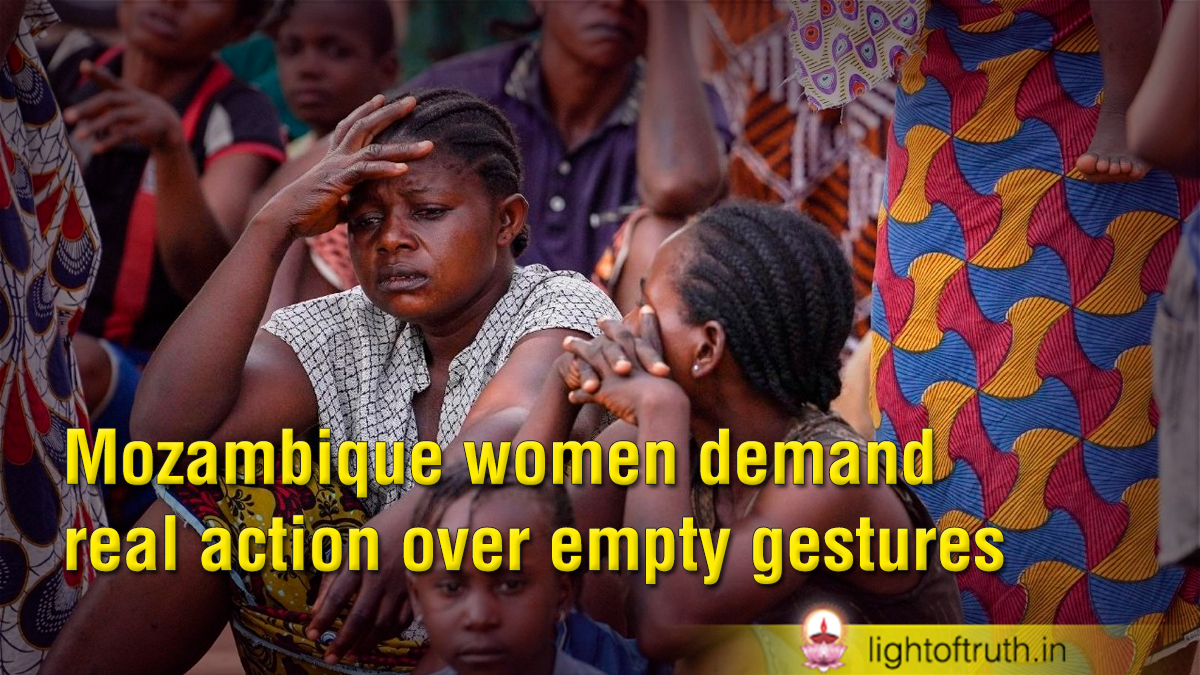
Mozambique women demand real action over empty gestures

This year, Mozambique looks forward to celebrating the occasion of Mozambique Women Day on April 7. As part of celebrations, a group of women across Mozambique are raising their voices against what they see as empty symbolism amid the crisis of healthcare and daily survival. In an open letter to First Lady Gueta Selemane Chapo, the wife of President Daniel Francisco Chapo, the women expressed outrage over reports that colorful capulanas (traditional dresses) will be handed out nationwide to mark Mozambican Women’s Day.

According to the Vatican’s Fides news agency, the women claim to speak for Mozambican mothers, daughters, sisters, and grandmothers. “We do not want ‘capulanas‘; we demand respect and dignity for the rights of all,” they stated. “We value symbolic gestures, but not at this time when the Mozambicans are facing real and urgent suffering that needs attention.”

The women highlight the dire need and urgency in the public hospitals. Children are dying as a result of under-equipped facilities, pregnant women endure labor on bare beds without mattresses or vital medication, and families lack basic services. “There is nothing to celebrate,” they lamented. “We can’t celebrate the lack of decent hospitals and the waste of public resources, yet there is inequality and violence that still persist in our country,” they said, adding that they demand sensitivity and real solutions.

The group demands that the state money for capulanas be rerouted to real needs, buy medicine in the hospitals, provide proper beds, ensure that there is food access, and uphold the dignity of women, children, and families. “The initiative of the capulanas doesn’t solve real problems that we face,” the women noted, framing the distribution as a misuse of resources when life hangs in the balance.

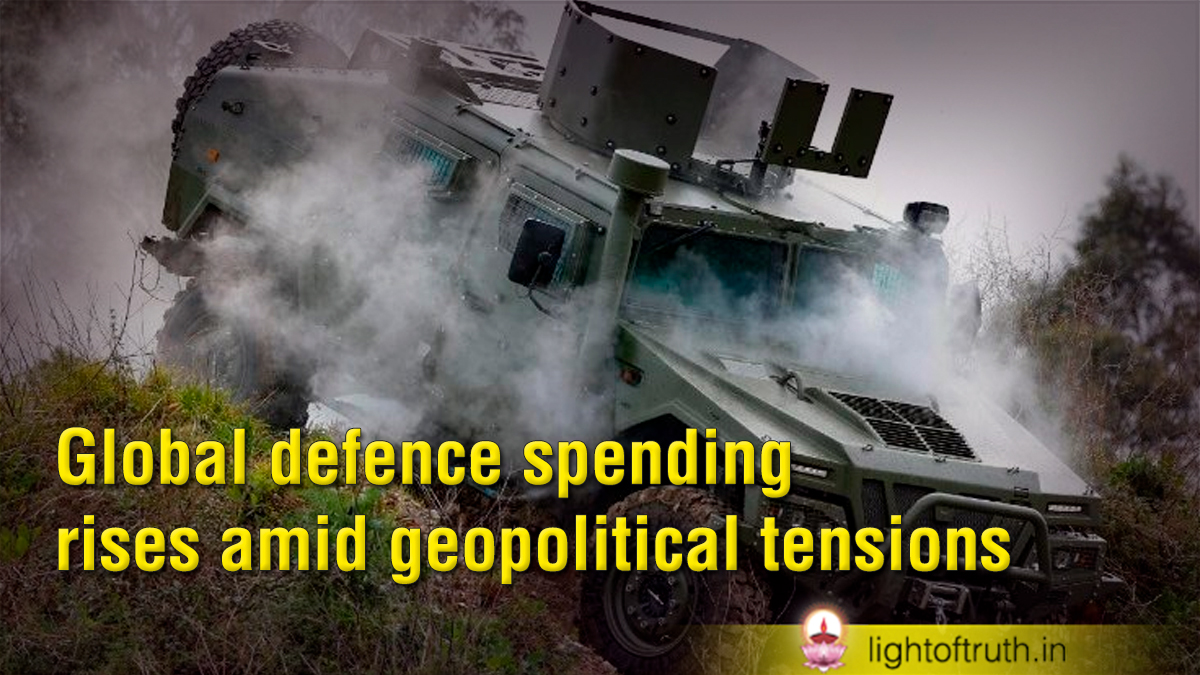
Global defence spending rises amid geopolitical tensions

he International Institute for Strategic Studies (IISS) annual Military Balance 2026 report shows that while the pace of increase in military spending for defence has moderated compared to previous years, Europe and parts of Asia recorded significant rises, reflecting ongoing security concerns and shifting regional priorities

The report reveals that global military expenditure continued its upward trajectory in 2025, reaching an estimated USD 2.63 trillion. This, it notes, represents a 2.5 % increase over the previous year, though the pace of growth remains slower than the sharp rises seen in the immediate aftermath of Russia’s invasion of Ukraine.

The report also highlights a divergent picture across regions. Europe’s defence spending surged by around 12.6 %, significantly outpacing the global average, as governments responded to persistent security concerns and renewed commitments by NATO allies to bolster their militaries. Germany played a leading role in this increase, contributing substantially to Europe accounting for more than 21 % of global defence spending in 2025, up from 17 % in 2022.

In contrast, growth in the United States’ defence budget temporarily tapered in 2025, even as proposals under the current administration aim to push U.S. military spending beyond USD 1 trillion in 2026 with initiatives such as the proposed “Golden Dome” missile defence programme.

Russia’s defence spending continued to increase in absolute terms but at a much slower rate than in previous years, a marked change after substantial rises earlier in the conflict with Ukraine.

Across Asia, defence budgets also expanded, with China maintaining a dominant share – estimated at nearly 44 % of regional military expenditure in 2025 – and other states in the region raising their own defence expenditure amid security competition.

Spending in the Middle East and North Africa region also rose, reflecting ongoing regional tensions and state decisions to strengthen military readiness.

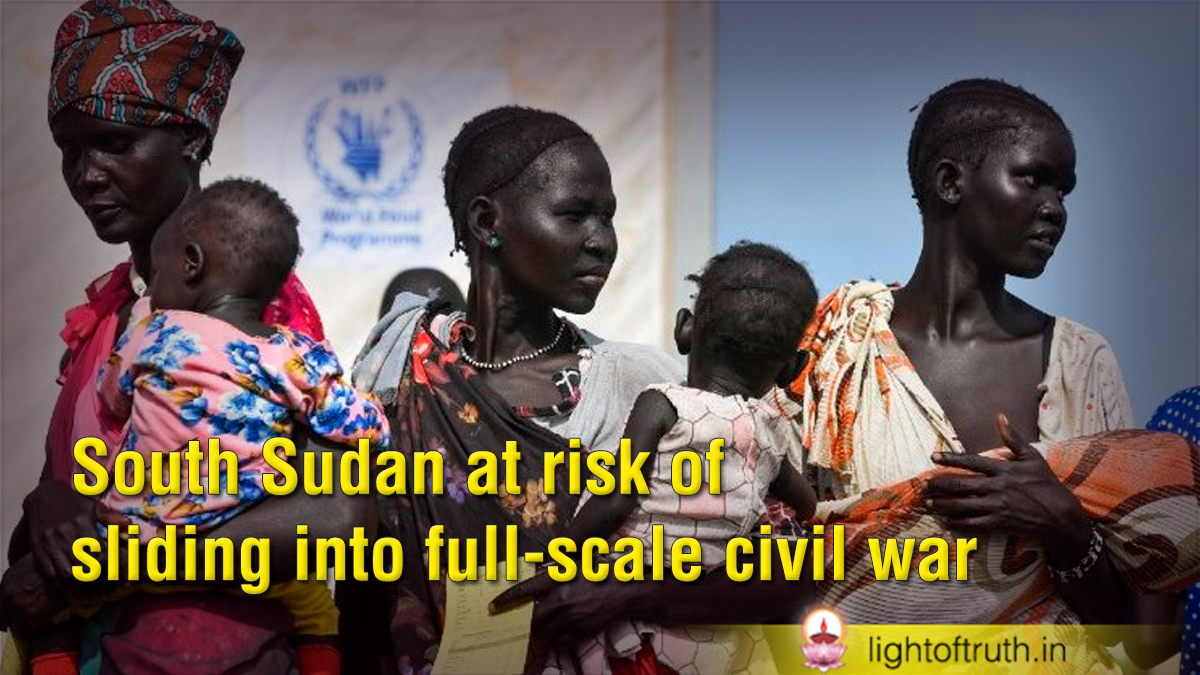
South Sudan at risk of sliding into full-scale civil war

As the civil war continues to wreak death, destruction and displacement in Sudan, observers warn its neighbour, South Sudan, risks a return to all-out civil war as well.

Having obtained independence from Sudan in 2011, South Sudan is the world’s youngest nation. It struggled to find stability from the very start as its president and his deputy of opposing parties clashed for power, triggering a deadly war that caused tens of thousands to flee their homes.

The nation’s 2018 “Revitalized Peace Agreement” appears increasingly fragile, and a just-released UN inquiry finds that the country’s political and military leaders are driving the nation towards full-scale war and mass atrocity crimes. South Sudan is at a “dangerous point” and risks sliding back into full-scale civil war as violence intensifies and a fragile peace agreement comes under strain, the UN human rights chief warned Friday.

Addressing the UN Human Rights Council, Volker Turk expressed extreme concern for the human rights situation in South Sudan and described it as one of the world’s forgotten crises. He sounded the alarm following the release of an investigative report that accuses the country’s political and military leaders of systematically dismantling the 2018 “Revitalised Peace Agreement”, of undermining governance and exposing civilians to grave risks of renewed armed conflict, mass atrocity crimes and serious violations of international human rights law.

Turk said Government and opposition forces and allied militias have attacked residential areas across multiple states in recent months, forcing large-scale displacement, noting that in northern Jonglei alone, more than 280,000 people fled their homes.

January, he continued, saw a sharp deterioration with civilians bearing the brunt of a spike in indiscriminate attacks, including aerial bombardments, deliberate killings, abductions and conflict-related sexual violence. “Human rights monitoring provides a warning system. That system is flashing red for South Sudan,” Volker Turk said, calling for an immediate halt to hostilities and renewed commitment to the peace agreement.

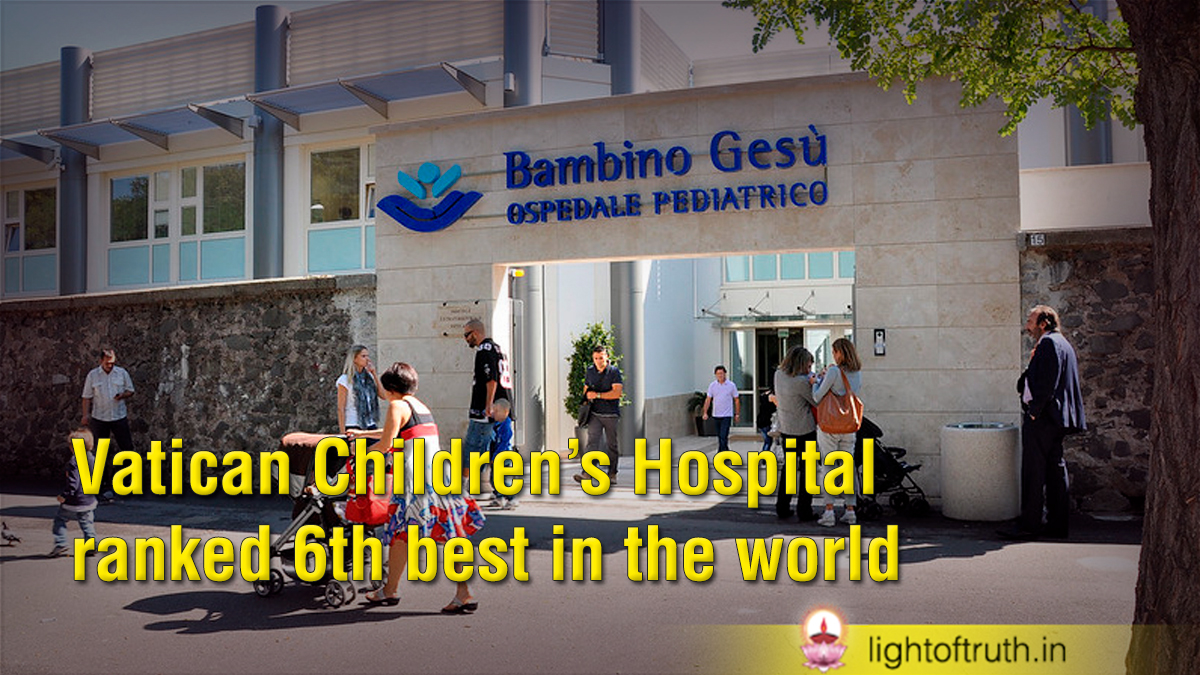
Vatican Children’s Hospital ranked 6th best in the world 

The Holy See’s children’s hospital, Bambino Gesù, is considered the leading paediatric hospital in Europe and the 6th best in the world, according to the US magazine Newsweek’s 2026 World’s Best Hospitals ranking. Created in collaboration with the data gathering company, Statista, the ranking highlights leading hospitals around the world in 12 medical fields, including paediatrics. The 2026 edition evaluated 2,500 hospitals in 32 countries. The ranking is compiled with information gathered from a comprehensive international survey of healthcare professionals, independent data on the quality of care and patient safety, and indicators derived from their assessments and reported clinical outcomes.

“This recognition stems from the daily teamwork of the entire hospital community: doctors, nurses, healthcare professionals, technical and administrative staff, researchers, volunteers, and religious personnel who, together, take care of children and their families,” said Tiziano Onesti, President of the Bambino Gesù Hospital, in a press release published by the establishment.

“It is the quiet dedication of these women and men—in the wards, laboratories, offices, reception, and support services—that makes highly specialized care possible, combined with attention to the human and relational aspects of treatment,” he emphasized.

The press release highlights that Bambino Gesù is the only paediatric hospital operating within the Italian healthcare system to be included among the top 30.

It also explains that this recognition shows the hospital’s growth over the years, as it has obtained important international certifications such as the JCI accreditation as an Academic Medical Center for training and clinical and scientific research.

Additionally, the press release underlines how Bambino Gesù is today the leading paediatric centre in Europe in terms of the number of affiliations with European reference networks for rare diseases (affiliated with 20 out of 24 networks).

It records almost 3 million outpatient services, 100,000 visits to the emergency room, and over 33,000 surgical procedures every year.

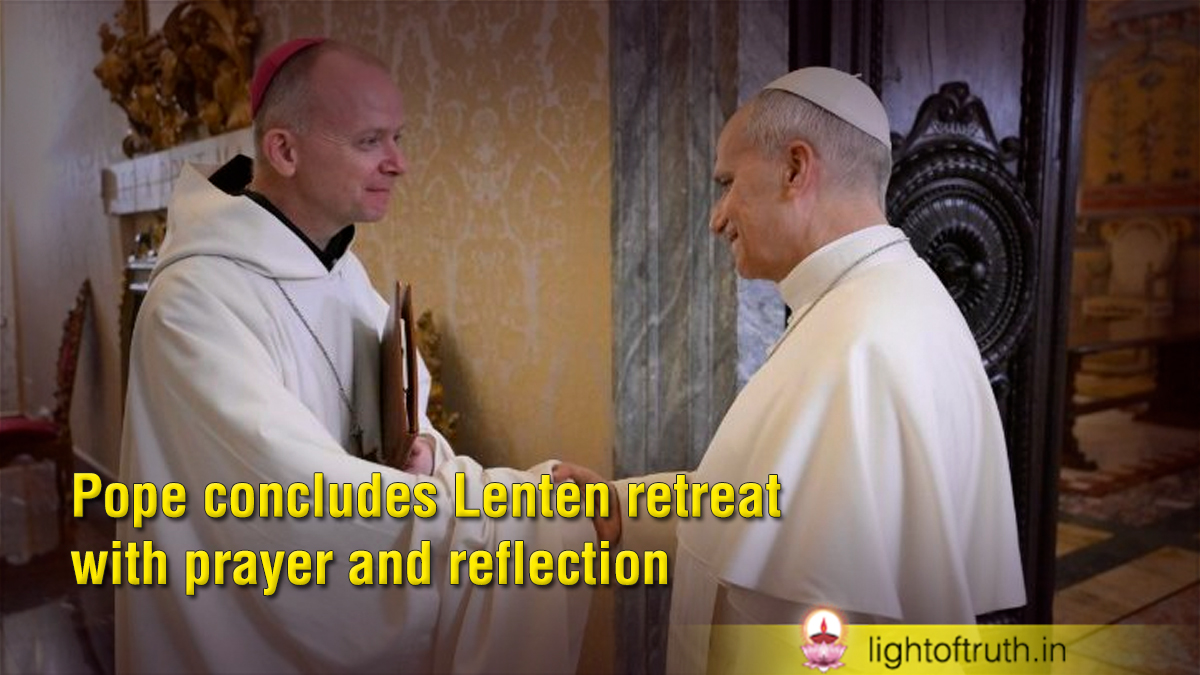
Pope concludes Lenten retreat with prayer and reflection

At the conclusion of a week of Spiritual Exercises in the Vatican, Pope Leo XIV offered words of gratitude and reflection, drawing together the themes that marked the Lenten retreat preached by Bishop Erik Varden. He described the days as “a profound spiritual experience,” one that accompanied the Roman Curia along its Lenten path, beginning with meditation on “the Temptations” and unfolding through reflections on monastic life and the witness of Bernard of Clairvaux.

Referring to moments that have touched him deeply, Pope Leo recalled a meditation on the election of Pope Eugene III, and cited Saint Bernard’s words: “What have you done? May God have mercy on you.” He then pointed to the chapel itself, recalling 8 May, when he and his brother cardinals were gathered there for the Eucharistic celebration. Above them is inscribed the verse from Saint Paul’s Letter to the Philippians: “For to me, to live is Christ, and to die is gain.” “In this context and with this spirit of communion,” he said, “all of us gathered together work side by side, though often very separately.” To meet in prayer, he added, is “a very important moment in our life,” a time to reflect on questions vital for personal life and for the Church.

Among the themes chosen by Bishop Varden during the week, the Pope highlighted the reference to the Doctor of the Church, St John Henry Newman, and his poem The Dream of Gerontius. In that work, he noted, Newman presents death and judgment “as a prism” through which the reader confronts fear and unworthiness before God.

Freedom and truth, he added,  also stood out as essential dimensions of Christian life that were touched upon during the reflections.

Returning to Saint Paul’s Letter to the Philippians, the Pope read the Apostle’s words about being “hard pressed” between the desire to depart and be with Christ and the call to remain for the sake of others’ “progress and joy in the faith.” He highlighted Paul’s exhortation: “Only conduct yourselves in a manner worthy of the Gospel of Christ.”

“This,” the Pope said, “is the invitation at the end of these days of prayer and reflection, which the very Word of God addresses to all of us.”

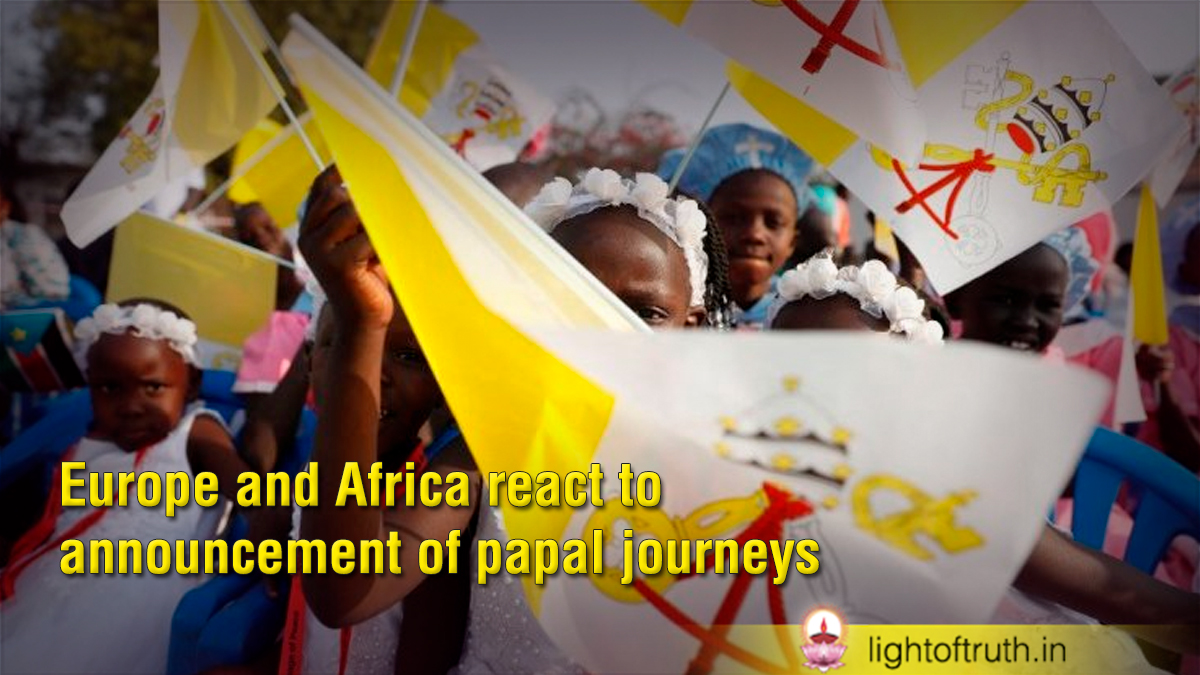
Europe and Africa react to announcement of papal journeys

Enthusiastic reactions are emerging from the various countries that Pope Leo XIV will visit in the coming months, after the journeys were officially announced by the Holy See Press Office on Wednesday, February 25. His first visit will be on March 28 to Monaco; he will then embark on a ten-day journey from April 13 to 23 with 11 stops across Algeria, Cameroon, Angola and Equatorial Guinea, before a week-long journey to Spain from June 6 to 12which includes Madrid, Barcelona, the Canary Islands, Tenerife and Gran Canaria.

In Algeria, the bishops say they are “overjoyed,” while in Cameroun the papal visit is being described as a “sign of hope” amid political and social difficulties, with preparations already underway to guarantee a safe and smooth visit.

From Spain comes a wave of “joy” and “gratitude,” along with assurances of a “warm” welcome. The same is true in the Principality of Monaco, where both the royal family and the local Church emphasize the “honor” of this “historic moment”: the first visit of a reigning Pope to the small city-state.

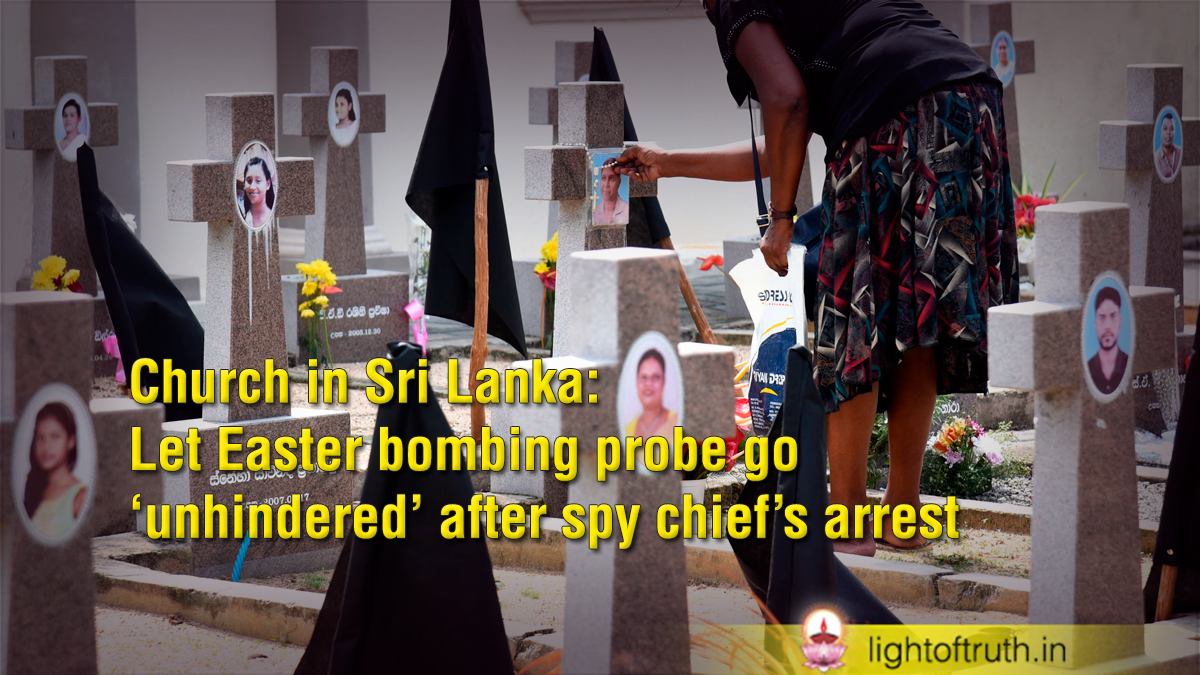
Church in Sri Lanka: Let Easter bombing probe go ‘unhindered’ after spy chief’s arrest

The Catholic Church in Sri Lanka has urged authorities to ensure that the ongoing investigation into the 2019 Easter Sunday bombings proceeds without political interference, following the arrest of a former intelligence chief on allegations of conspiracy and aiding the attacks.

Father Cyril Gamini Fernando, spokesperson for the Roman Catholic Archdiocese of Colombo, addressed a packed press conference at the archbishop’s residence on Feb. 26. He appealed for patience and called for the legal process to be allowed to take its course without obstruction from any quarter.

The appeal came a day after the arrest of retired Major General Suresh Sallay, who headed Sri Lanka’s military intelligence at the time of the coordinated suicide bombings on Easter Sunday 2019. The attacks targeted three churches and three luxury hotels, killing 279 people, including 45 foreign nationals, and injuring more than 500 others.

Two Catholic churches — St. Anthony’s Shrine and St. Sebastian’s Church — accounted for nearly two-thirds of the casualties, making the Christian community one of the hardest hit.

Church leaders reiterated that the rule of law must prevail, emphasizing that no individual, regardless of position or status, should be considered above the law. They stressed that anyone found responsible for criminal wrongdoing must be held accountable through a fair and impartial judicial process.

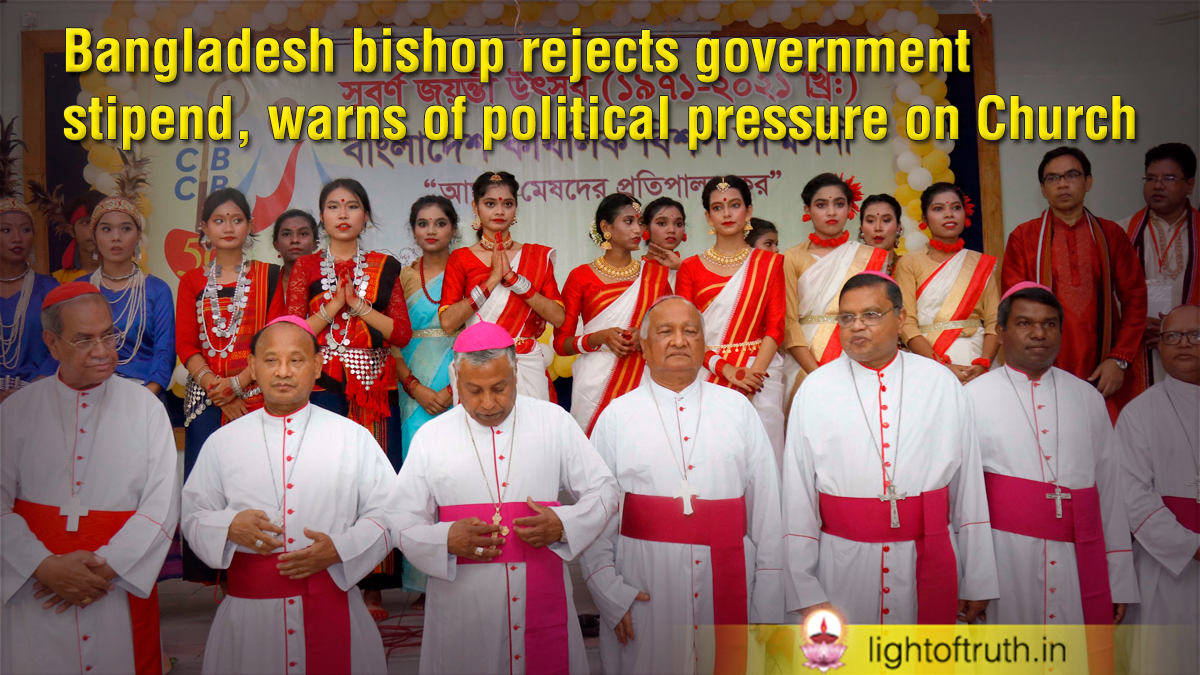
Bangladesh bishop rejects government stipend, warns of political pressure on Church

The newly elected government of Bangladesh has announced a monthly allowance for religious clergy, marking the first initiative of its kind in the Muslim-majority country’s history. However, a Catholic bishop has indicated that the Church will decline the funds, citing concerns about possible political pressure.

The decision was taken during a cabinet meeting on Feb. 21 chaired by Prime Minister Tarique Rahman. Speaking to journalists afterward, government adviser Mahdi Amin said the proposal fulfills one of the ruling party’s election promises to provide a monthly honorarium and festival allowance to religious leaders from mosques and other faith communities.

While the exact amount of the allowance has not been disclosed, Amin said implementation would begin in selected areas before Eid al-Fitr, expected in the third week of March.

The announcement represents a significant policy shift, as Bangladesh has not previously provided direct monthly financial support to clergy across religious traditions.

Christians make up a small minority in the country of approximately 170 million people, numbering around 600,000. According to the 2019 Bangladesh Catholic Directory, there are 119 parishes and 52 sub-parishes across eight dioceses. The directory lists 233 diocesan priests and 176 missionary priests serving in Bangladesh, many of whom are engaged not only in parish ministry but also in education, healthcare, and youth formation.

Church leaders have expressed concern that accepting state funding could compromise the Church’s independence and moral voice.

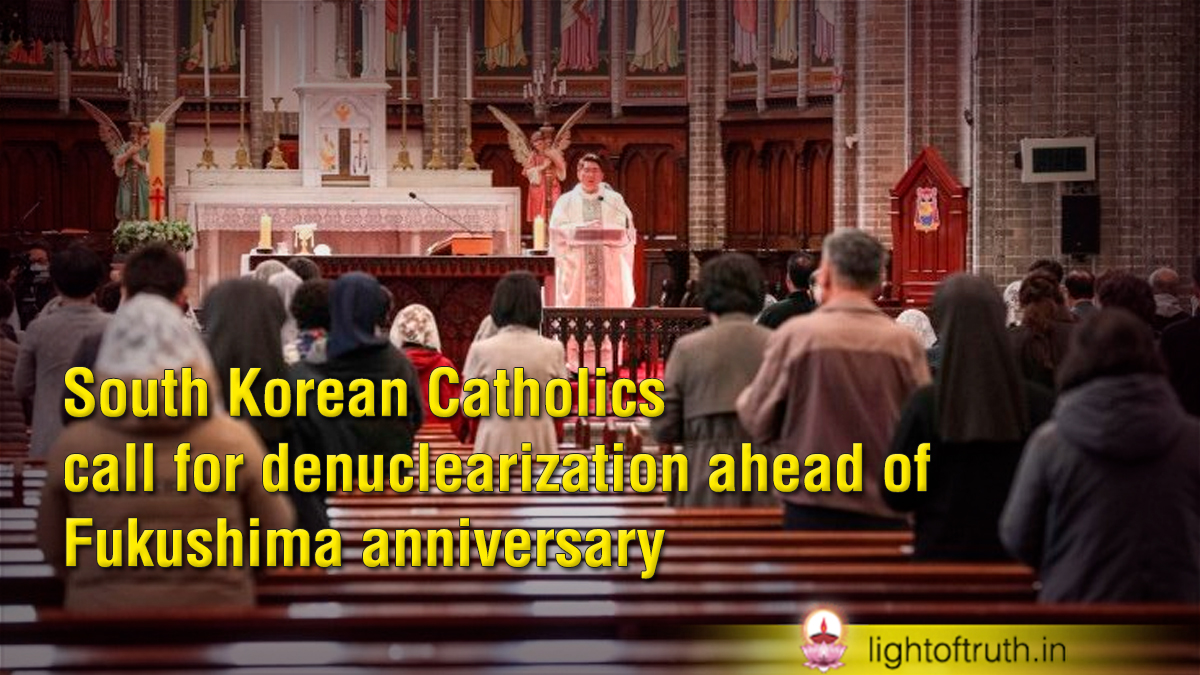
South Korean Catholics call for denuclearization ahead of Fukushima anniversary

Catholics in the southwest of the South Korea have launched a series of public Eucharistic celebrations titled the “Gwanghwamun Mass Against Nuclear Power Plants,” marking the lead-up to the 15th anniversary of the Fukushima Daiichi nuclear disaster on March 11.

The Masses, held from February 13 to March 6, began with an opening celebration in front of the Sejong Center for the Performing Arts in Seoul’s Jongno district. Clergy, religious, and lay faithful gathered to pray and voice concern over government policies related to nuclear energy.

The initiative seeks to support calls for halting the extension of ageing nuclear power plants and reconsidering plans to construct new facilities. During the opening liturgy, Father Yang Ki-seok presided, placing a symbolic drum representing radioactive waste before the temporary altar.

In his homily, Father Yang recalled the lasting impact of the Fukushima disaster and criticized what he described as a renewed push for nuclear expansion. He questioned the extension of the lifespan of the Kori nuclear unit and proposals for additional plants, cautioning about long-term environmental and safety risks.

While acknowledging arguments that nuclear energy is needed to power artificial intelligence data centers and semiconductor complexes, he noted that nuclear plants require more than a decade to become operational. He instead advocated for renewable alternatives such as solar and wind power, which can be installed within a few years and provide sustainable energy for the nation’s future industries.