
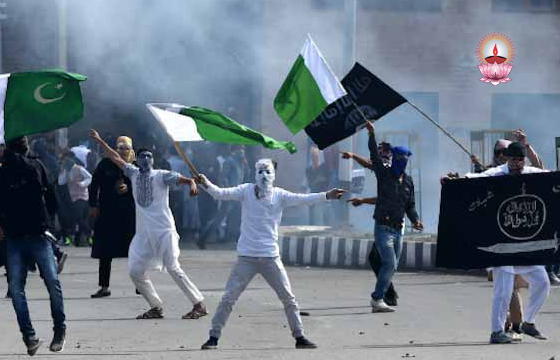
Catholic bishops in Kerala have warned about the increasing influence of international terrorist outfits such as Islamic State in the southern Indian state. The bishops’ call follows a United Nations report which said there are Islamic State-related terrorists in the southern states of Kerala and Karnataka.
Groups like al-Qaida on the Indian Subcontinent (AQIS) and Islamic State have a “significant” number of members in the two states, said the report of the UN’s analytical support and sanctions monitoring team released on July 25.
The bishops want to create “greater awareness” among people about the terror outfits and their motives to keep their countrymen, “especially the youth, away from the destructive elements.”
Kerala Catholic Bishops’ Council made the call at the end of its five-day mon-soon gathering on Aug. 8. The online meeting was attended by 47 bishops from all 29 dioceses in the state. The Covid-19 pandemic restrained physical meeting.
The UN report should become “an eye-opener to officials in Kerala State,” it said. It wanted them “to take appropriate steps to check the growth of such elements from getting rooted.”
According to the UN report, a member state said the Indian unit of Islamic State has 180-200 members and “significant numbers” are from Kerala and Karnataka states.
Daily Archives: August 15, 2020

India’s Protestant Church laicizes rebellious bishop
India’s Protestant Church has laicized one of its bishops after he revolted and declared his diocese an autonomous church. The Church of North India (CNI) on Aug. 11 remo-ved Bishop Basil B. Baskey of Chotanagpur Diocese in Jhar-khand State in eastern India from his office. It also with-drew his ordination as a priest and a bishop.
The executive committee of its Synod, the top decision-making body, “unanimously resolved” to terminate the services of the bishop from all offices in the church, said an official statement.
The decision came after an internal probe found the bishop guilty of acts of revolt and indiscipline, the communique said.
“The instrument of election and appointment as bishop in the CNI issued to him by the moderator stands withdrawn and his ordination as priest and consecration as bishop are withdrawn. Hence, from today (Aug. 11), he will be known as Mr Basil B. Baskey,” it said. The official letter signed by CNI moderator Bishop P.C. Singh also appointed pastor Jolja Kujur, the diocesan secretary, as his representative to manage the affairs of the diocese, including its proper-ties and funds.
Divine Word NGO distributes relief in Tripura
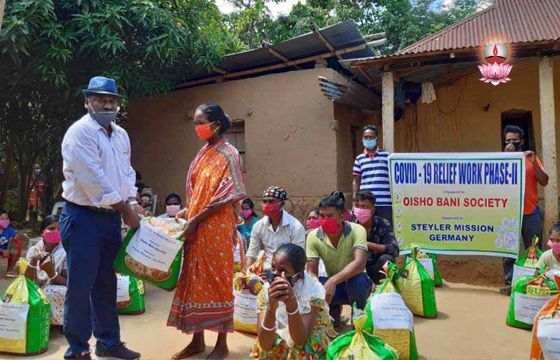
An NGO led by the Society of the Divine Word has joined civil society groups to help those affected by the lockdown in a district of the north-eastern Indian State of Tripura.
As coronavirus spread in Tripura, Oisho Bani Society (OBS) joining organizations such as Yuva Vikash Kendra to reach out to various parts of Dhalai district, its director Divine Word Father Jeevan Kennady told Matters India.
As the opening of relief work phase-II on August 13, Father Kennady handed over 30 dry ration kits worth of 800 rupees each in Laxmilonga and Lembucherra area and also in the working office of OBS near Assam Rifles Circuit House.
YVK, the partner organization of OBS and Prasanta Chowdhury, a volunteer of OBS, distributed dry ration kits to 150 families in Bardaman Thakurpara ADC village and 30 families in Teliamura respectively.
The dry ration includes rice, dal, oil, wheat, salt, turmeric, soybean, onion, potatoes, sanitizer and masks.
OBS has a plan to cover over 600 families from different places in Tripura in two weeks, said Father Kennady.
Calls grow for recognition of Sarna religion in India
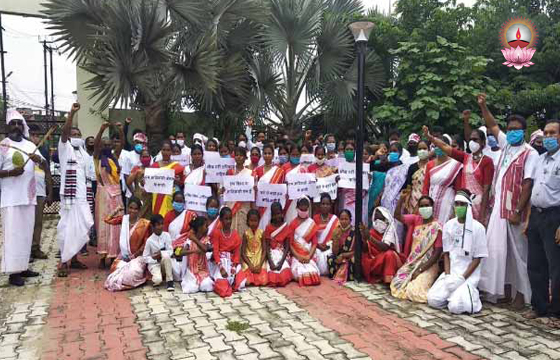
Demands for official recognition of the Sarna tribal religion have intensified in the eastern Indian state of Jharkhand after Hindu groups took soil from sacred Sarna sthals to use in the construction of a temple in Ayodhya.
Some 32 tribal organizations plan to boycott next year’s national census if their demand for recognition of the Sarna religion in the census is not met.
“There is no doubt that we are also included among those 32 organizations because we are tribals first, then Christian. Tribal Christians have always been in favour of the Sarna code and have joined the demand for recognition,” Ratan Tirkey, a member of the Tribes Advisory Committee of Jharkhand, told UCA News.
“Demand for recognition of the Sarna code intensified after the soil-taking incident because that was a conspiracy by Hindu fanatics to divide tribal people in the name of religion.
“Christians are outnumbered by people who practice the Sarna religion in the state, so Hindu fanatics are attempting to alienate Christian tribals by claiming that Sarna tribals belong to Hindu society.
“Sarna tribals are nature worshipers who revere forests, mountains and rivers. They do not belong to any religious sect and their demand for a separate category in the census dates back to the 1990s.”
The Spaniard who sought the soul of India
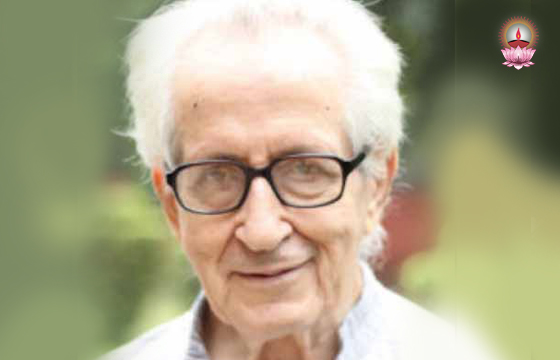
When Jesuit Father George Gispert Sauch died on July 29 in Bombay, India’s secular media completely ignored the fact that this 90-year old from Spain spent more than 70 years working for interreligious dialogue in the country.
He himself articulated it so well: “The relations between the followers of the many world religions and even of smaller religious traditions and Christian believers have now entered a stage beyond ‘confrontation,’ ‘encounter’ and comparative ‘dialogue’ to a search for sharing spirituality.”
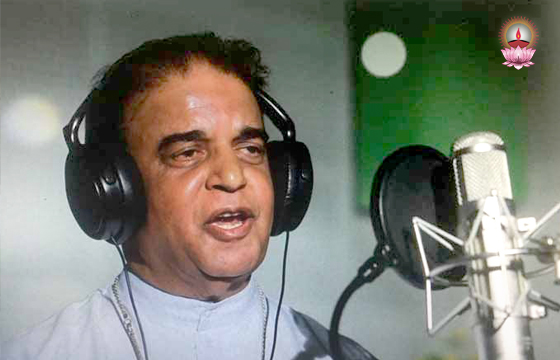
Marian hymn sung by archbishop goes viral
A Marian hymn sung by a Catholic arch-bishop in Kerala, southern India, has become a hit on social media platforms.
“This is the first time in the history of the Indian Church that an archbishop has sung in a studio for a Christian album,” says Father John Puthuva, who wrote the lyric for ”Japamaala Kayyil” (Rosary in Hand), a Malayalam hymn sung by Archbishop Antony Kariyil, episcopal vicar of the Archdiocese of Ernakulam-Angamaly.
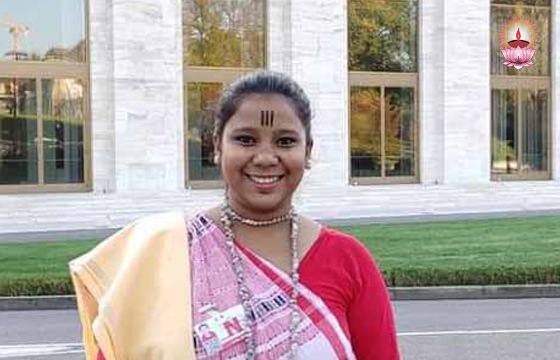
Indian tribal Catholic joins UN climate initiative
An Indian tribal Catholic woman is among seven young climate leaders selected by United Nations secretary-general Antonio Guterres to advise him on the global climate crisis.
Archana Soreng, who hails from Odisha State in eastern India, was chosen on July 27 to advise the UN on accelerating global action to tackle climate change.
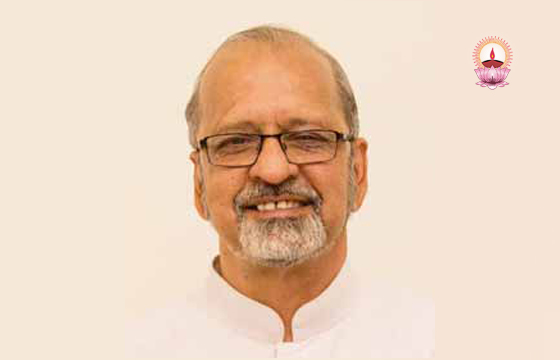
Bishop D’Silva calls for social reintegration of prisoners
Bishop Allwyn D’Silva, chair-man of Prison Ministry India (PMI), has advo-cated for the dignity and real social integration of prisoners.
The auxiliary bishop of Bombay made this appeal on August 2 when the Catholic Church in India marks Prison Ministry Sunday. For the occasion this year, Bishop D’Silva issued a pastoral letter advocating for the dignity and social reintegration of prisoners in the country.
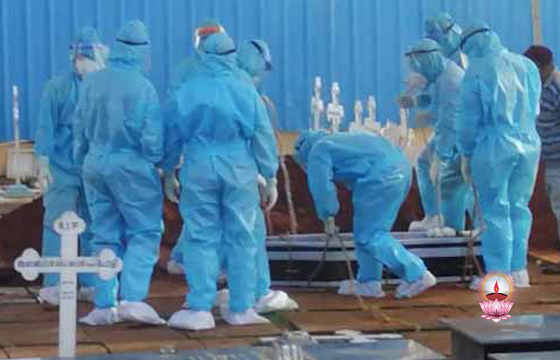
Squads ensure Christian burial for Kerala pandemic victims
As fear and confusion persist about burying Covid-19 victims in some parts of India, the Kerala-based Syro-Malabar Church has formed squads to give a dignified burial to people dying from the pandemic.
As Covid-19 began to claim lives in the southern Indian state, several burials led to disputes as ill-informed villagers opposed burials, fearing the spread of the disease from buried bodies. Confusion about safety, non-availability of undertakers and an inability to dig graves 10 feet deep as per government norms often resulted in Catholics not having a Christian burial.
The Church has asked all its dioceses to form burial squads — if needed, in parishes too — to help Covid-19 victims “get a decent and dignified burial.”
The volunteers are trained to handle bodies as per Covid-19 protocols to ensure that “we follow government guidelines strictly,” he said.
With a population of some 33 million, Kerala has added close to 1,000 new cases each day of the last fortnight. The first Indian state to report Covid-19 in January, it had reported 63 deaths and some 20,000 cases as of July 28.
Cases have been increasing across the country. India had reported 1.4 million cases and 33,000 deaths as of July 28, making it the most affected country after the US and Brazil.
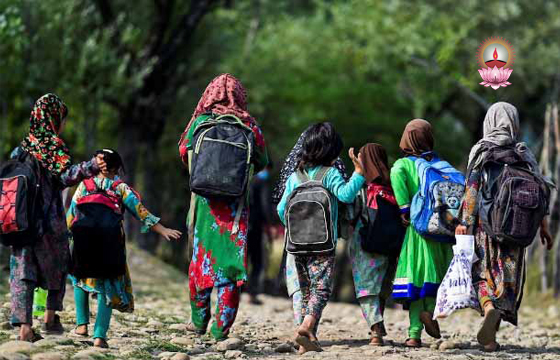
Church officials wary about India’s new education policy
The Indian government has released an ambitious education policy aiming to transform the country’s learning system to match global standards, gene-rating mixed reactions from church officials.
The federal cabinet approved the National Education Policy 2020 on July 29, replacing a 34-year policy.
The policy was in the making for more than six years and the first draft was released in 2016. The process to formulate a new policy was accelerated soon after Prime Minister Narendra Modi’s pro-Hindu party came to power in 2014.
Officials of the Catholic Church, which claims to be managing the largest network of educational institutions in the country after the government, were reserved in their comments, saying they need time to study the policy in depth.