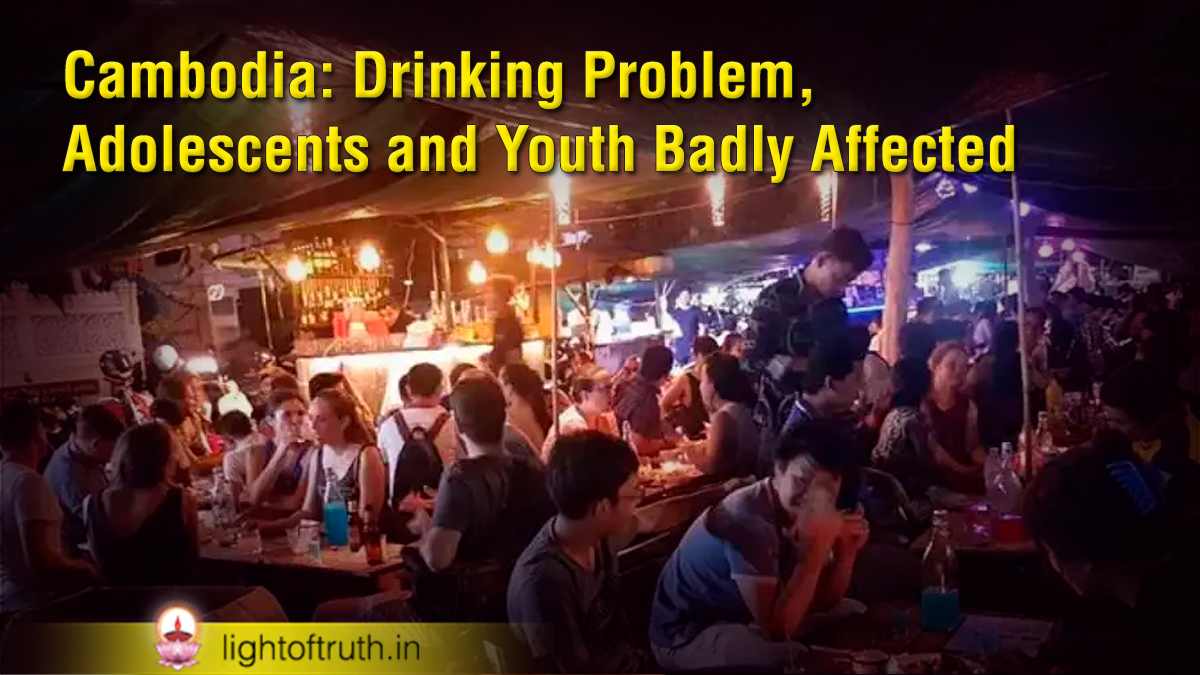
Cambodia faces a severe and largely unregulated alcohol crisis, according to experts from the Cambodian People Centre for Development and Peace and Caritas. Yong Kim Eng and Father Conroy highlight a troubling lack of oversight, noting there is no minimum legal drinking age and no license required to sell alcohol. This accessibility allows consumption to permeate even sacred spaces like monasteries and affects children as young as thirteen.
The consequences are devastating and multifaceted. Alcohol serves as a primary driver of domestic violence and acts as a “gateway” to drug use and gang involvement, leading to school dropouts and fractured families. Father Conroy also emphasizes the cyclical link between alcohol abuse and mental illness. In rural areas, the lack of formal rehabilitation often leads to the archaic and inhumane practice of chaining individuals suffering from alcohol-induced psychosis.
Three systemic factors drive this normalization. First, exceptionally low taxation makes beer—costing as little as 45 cents—cheaper than or equal to the price of soft drinks. In contrast, neighboring countries like Vietnam and Singapore impose significantly higher levies. Second, aggressive marketing dominates the landscape; alcohol advertisements featuring celebrities and prize promotions frequently air during prime time and appear near schools. Finally, the sheer availability of alcohol without legal age restrictions encourages early onset drinking.
Data from the World Health Organization and national health surveys confirm the scale of the problem, revealing that over 30% of drinkers are aged 15 to 18, and 70% of men consume alcohol. Despite these alarming statistics and the clear barriers alcohol poses to education and social stability, regulation remains absent from the government’s immediate agenda. Both experts argue that the current trajectory treats alcohol as a standard social norm rather than a public health emergency, leaving vulnerable populations without the necessary legal protections or medical support.