Category Archives: International

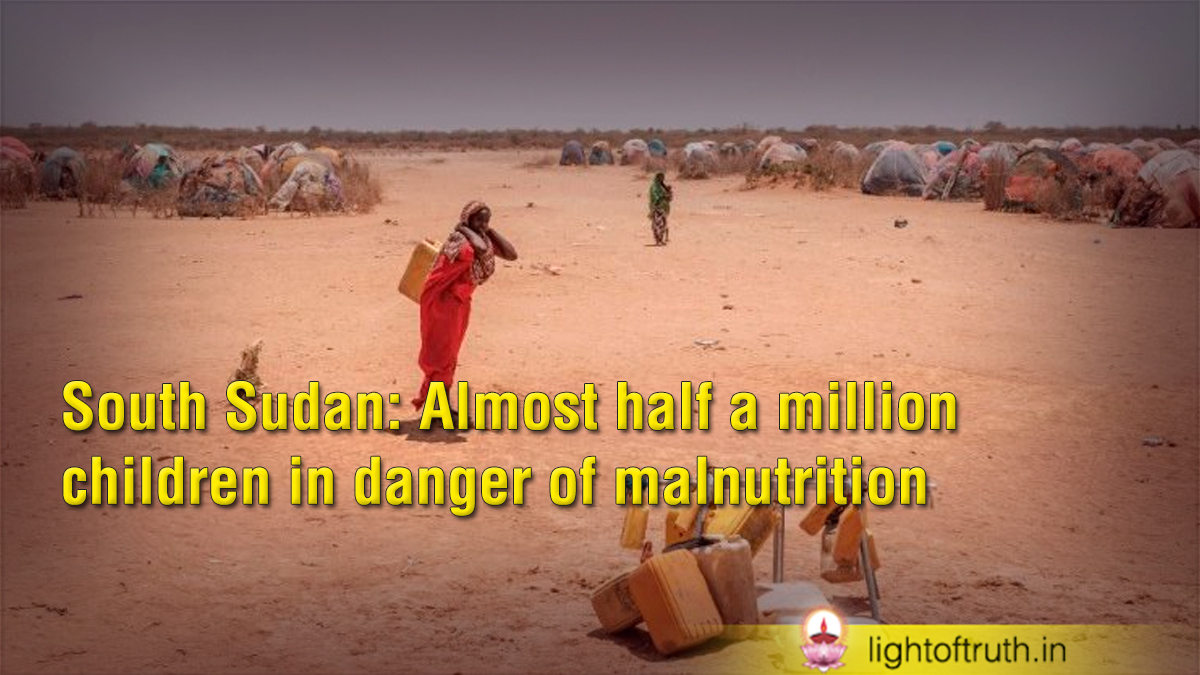
South Sudan: Almost half a million children in danger of malnutrition

UNICEF has reported that more than 450,000 children are currently at risk of acute malnutrition due to the ongoing violence in South Sudan. The internal conflict has led to mass displacement and the interruption of critical health and nutrition services in the Jonglei State. According to reports, since the beginning of 2026, the escalating violence in the Jonglei State has displaced some 250,000 people, particularly in the northern and central parts of the state.

The UNICEF representative in the country, Noala Skinner, explained the organization’s deep concern for the women and children who are being directly impacted by the violence. “We know that these areas have the highest levels of malnutrition among children, and we know that malnourished children without treatment are 12 times more likely to die”, Skinner said. She made an urgent appeal to all the parties involved to end the conflict and work to establish “rapid, unimpeded, and safe access for humanitarian aid and workers to reach highly vulnerable displaced groups.”

Moreover, the conflict has severely limited access to emergency aid. Humanitarian agencies have been unable to reach vulnerable populations due to restrictions on travel by river, air, and road. In the Jonglei State, six counties have already run out of or are about to run out of food supplies, which is a vital need for the numerous severely malnourished children there. UNICEF has reported that about 17 health facilities have closed across the country, which has led to the suspension of associated nutrition services. Consequently, there have been 10 cases of looting of health and nutrition supplies—half of which took place in the Jonglei State.
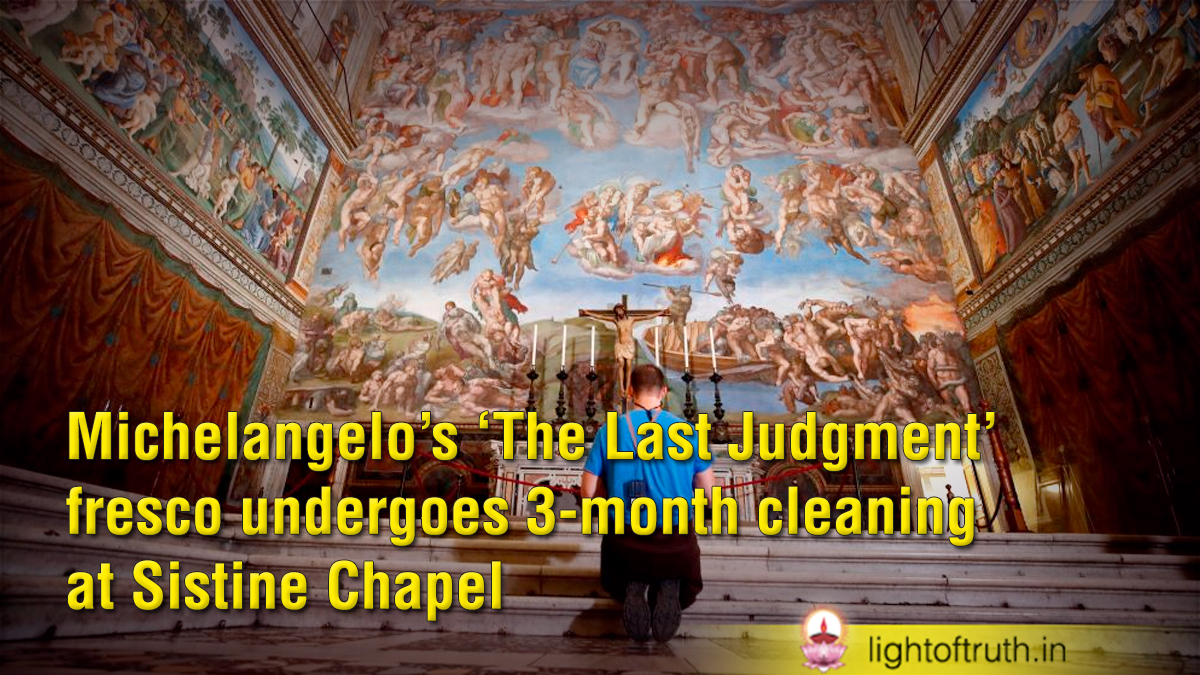
Michelangelo’s ‘The Last Judgment’ fresco undergoes 3-month cleaning at Sistine Chapel

Michelangelo’s “The Last Judgment,” the imposing fresco of heaven and hell which dominates the Sistine Chapel, is undergoing its first major restoration in three decades. The Sistine Chapel will remain open to visitors during the three-month cleaning, albeit with scaffolding partially obstructing the view of the fresco, the Vatican Museums said in a Feb. 2 statement.

The cleaning, the first major restoration since 1994, will remove microparticle build-up on the plaster caused from so many people visiting each day. The museum called the film a “widespread whitish haze, produced by the deposition of microparticles of foreign substances carried by air movements.”

More than 6 million people visit the Vatican Museums each year, with the Sistine Chapel a top destination. With so many people in such a small place, the Vatican is constantly monitoring humidity and temperature levels in the chapel and taking proactive measures to protect it. The chapel is named after Pope Sixtus IV, an art patron who oversaw the construction of the main papal chapel in the 15th century. But it was a later pontiff, Pope Julius II, who commissioned the works by Michelangelo. The Renaissance master painted the famous ceiling, the “Creation of Adam” showing God’s outstretched hand, between 1508 and 1512 and later returned to paint “The Last Judgment” on the wall behind the altar. The chapel hosted the May conclave that elected Pope Leo XIV.

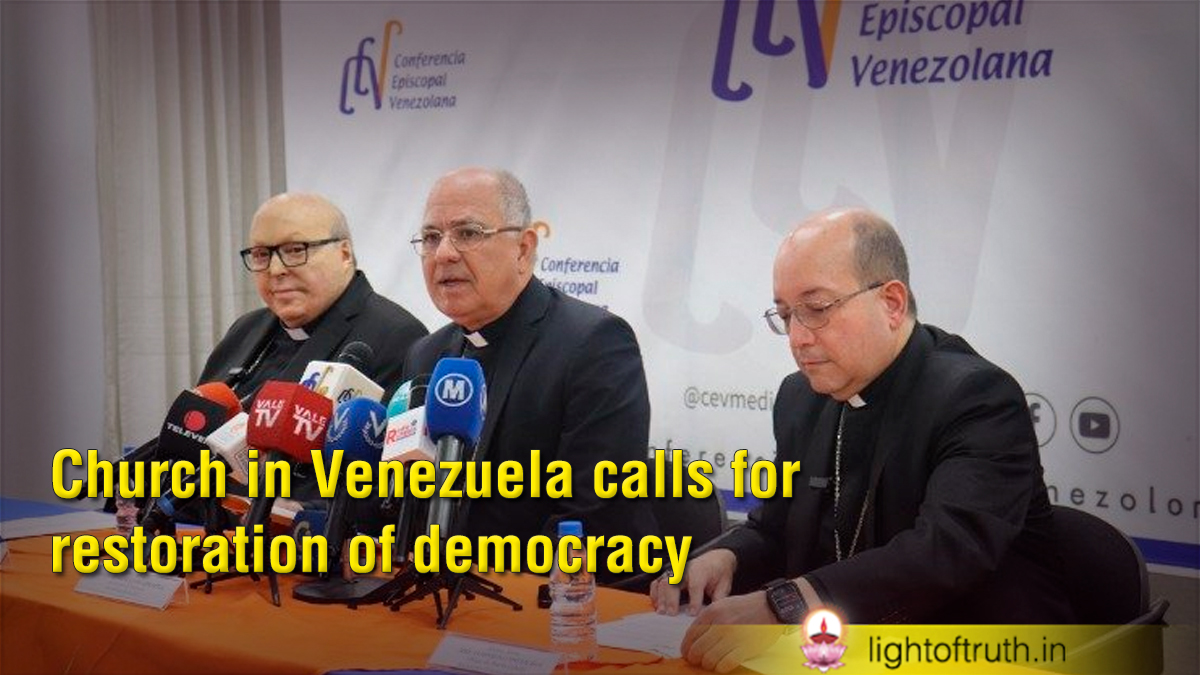
Church in Venezuela calls for restoration of democracy

Drawing from a passage from the book of the prophet Isaiah, “our light shall break forth like the dawn,” the Venezuelan bishops addressed the People of God at the end of their 125th Ordinary Plenary Assembly.

In a pastoral exhortation released on February 9, 2026, by the Venezuelan Bishops’ Conference, the Bishops conveyed a message of hope, while highlighting that “the events of January 3 of this year have profoundly changed the political and social landscape.”

In the face of the concerns and fears generated by the social, political, and economic situation of their country, the bishops allowed themselves to be illuminated by the Gospel that recounts Christ in the boat with His disciples calming the storm. It “invites us,” they write, “to announce that Jesus is always with His people. He is the God-with-us, the Emanuel.”

The bishops base their reflections on Pope Leo XIV’s words after his Angelus prayer on Sunday, January 4.

“The good of the beloved Venezuelan people must prevail over every other consideration. This must lead to the overcoming of violence, and to the pursuit of paths of justice and peace, guaranteeing the sovereignty of the country,” he had said.

Building on the Pope’s remarks, the bishops list the complex situation that the population is facing , such as the lack of opportunities for fairly paid work, “widespread and unpunished corruption, violations of human and civil rights, including freedom of expression and the right to due process and defense.”

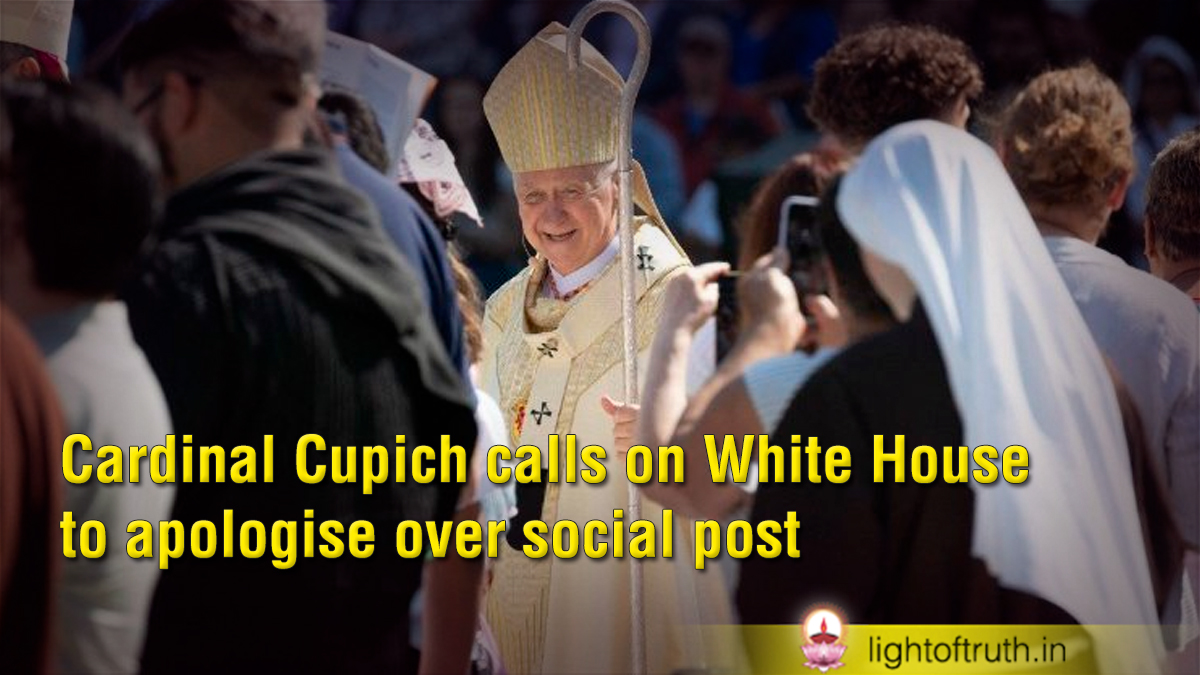
Cardinal Cupich calls on White House to apologise over social post

The Archbishop of Chicago, Cardinal Blase Cupich, has called on US President Donald Trump to apologise over a “viciously racist” videoclip posted to his Truth Social account.

The final frames of the video, which appeared on President Trump’s account on Thursday evening, depicted former US President Barack Obama and former first lady Michelle Obama as apes. White House press secretary Karoline Leavitt initially defended the video, describing the reaction to it as “fake outrage”. It was later deleted, some twelve hours after being published.

In a statement, Cardinal Cupich stressed that “portraying human beings as animals – less than human – is not new”. Successive generations of immigrants to the United States have been demeaned in this way, he said. The videoclip, Cardinal Cupich wrote, shows that “in the White House such blatant racism is not merely a practice of the past”. 

President Trump has condemned the clip, but refused to apologise, saying that it was posted in error by an aide. In his message, Cardinal Cupich called on the President to offer an apology. “If the President intentionally approved the message containing viciously racist images, he should admit it,” the Archbishop wrote. “If he did not know of it originally, he should explain why he let his staff describe the public outcry over their transmission as fake outrage.”

“Our shock is real,” Cardinal Cupich said. “So is our outrage. Nothing less than an unequivocal apology – to the nation and to the persons demeaned – is acceptable. And it must come immediately.”

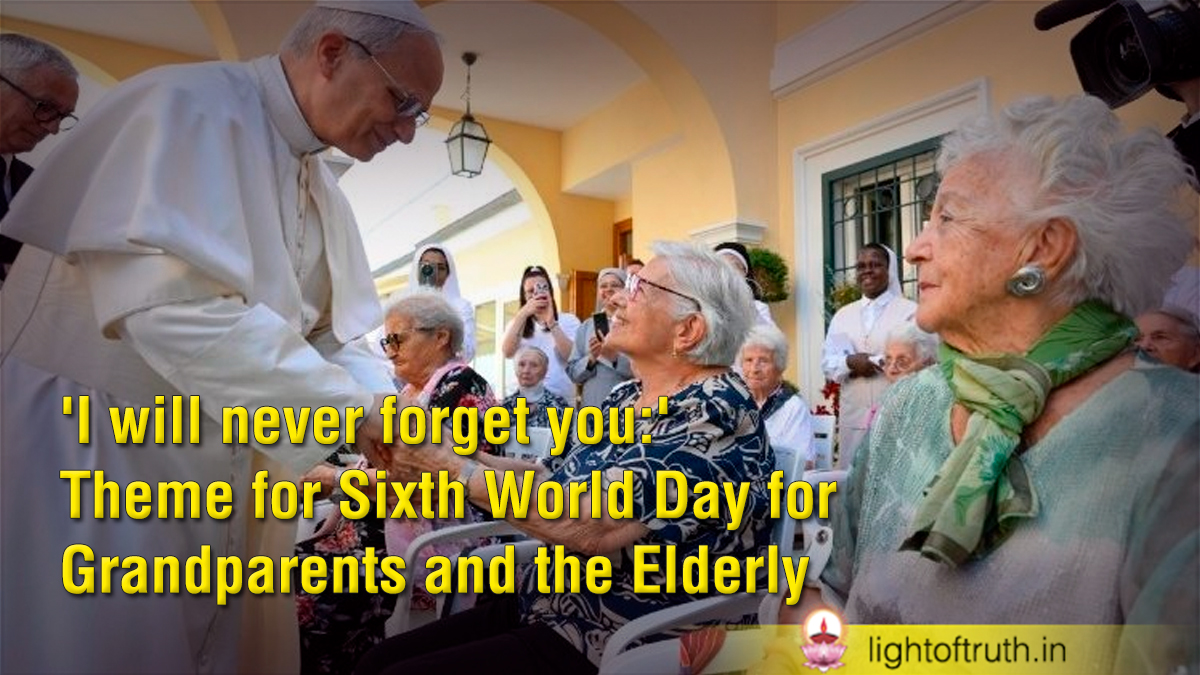
‘I will never forget you:’ Theme for Sixth World Day for Grandparents and the Elderly

Pope Leo XIV has chosen “I will never forget you” (Is 49:15) as the theme for the Sixth World Day for Grandparents and the Elderly, said the Vatican’s Dicastery for Laity, Family and Life in a statement.

The World Day, instituted by the late Pope Francis in 2021, is celebrated every fourth Sunday of July and is presented as an opportunity to bring the closeness of the Church to the elderly and to enhance their contribution within families and communities. This year, the date coincides with the feast of Saints Joachim and Anne, Sunday, July 26, and the Holy Father invites everyone to celebrate the Day with a Eucharistic liturgy in the cathedral church of each individual diocese.

Taken from the Book of the Prophet Isaiah, the chosen verse is meant to be a message of consolation and hope for all grandparents and elderly people, especially those who live in loneliness or feel forgotten. At the same time, it is a reminder to families and ecclesial communities not to forget them, recognizing in them a precious presence and a blessing.

The Pope’s choice highlights how God’s love for every person never fails, not even in the fragility of old age.

The Dicastery for Laity, Family and Life encourages particular Churches, associations, and ecclesial communities throughout the world to find ways to promote and celebrate the Day within their local contexts, and for this purpose it will later make available specific pastoral resources.

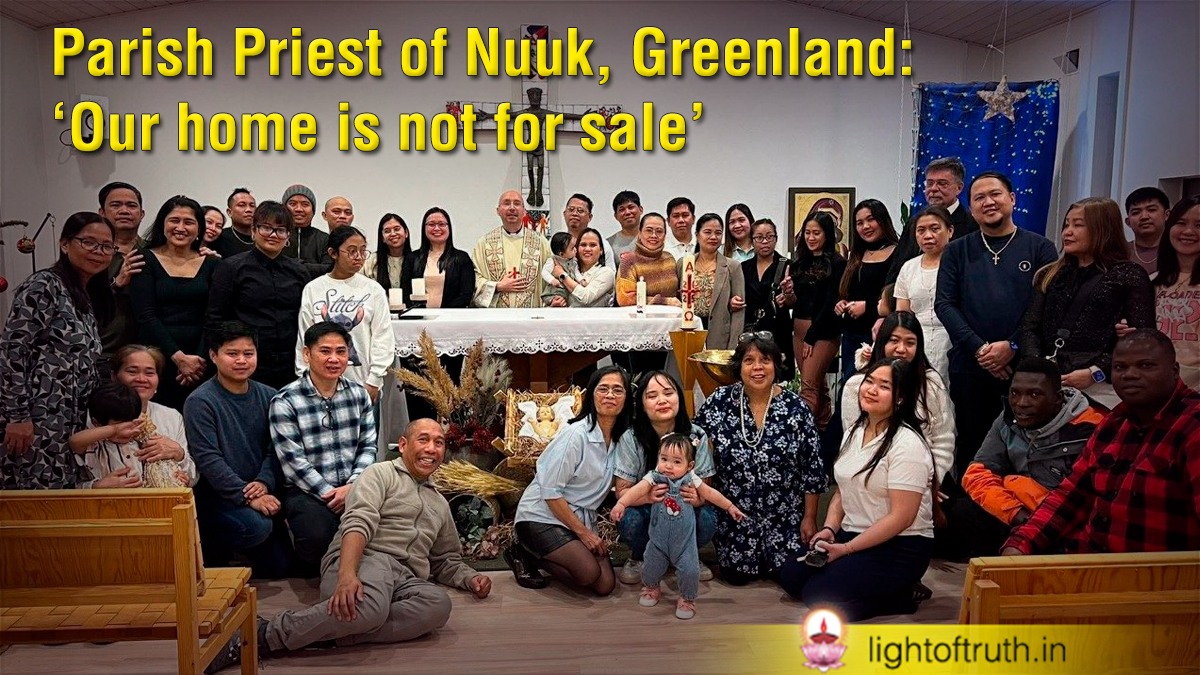
Parish Priest of Nuuk, Greenland: ‘Our home is not for sale’

“We want to choose [Greenland’s] future ourselves.” A quiet determination runs through the icy streets of Nuuk, which, with its 20,000 inhabitants, is Greenland’s main city. It is Father Tomaž Majcen, a Slovene Franciscan friar, who is describing the atmosphere on the Artic island to Vatican Media. For about two and a half years, he has served as parish priest of Christ the King Church in Nuuk—the only Latin Catholic parish across Greenland’s more than two million square kilometers of land and ice.


An island with just 56,000 inhabitants has now become a focal point of global geopolitical competition over rare earths and energy resources. “The atmosphere in Nuuk right now is quiet on the surface, but inside there is tension”, Father Majcen says.

Since accepting the invitation in the summer of 2023 from the Bishop of Copenhagen to take pastoral care of the Catholic community on the Arctic island, he has come to know its people well. “People in Greenland are not loud. They watch, listen and think before they speak. Lately, … talk about politics happens more often in shops and coffee tables.”

Many people, the Slovene priest explains, feel “hurt” rather than angry when they hear foreign politicians speak of Greenland “as power or property”. “It touches their pride,” he said. “They want to be seen as a people with their own story, language, culture and faith. There is no fear, but people know that strong voices far away are talking about Greenland without really understanding it.” This, Fr Majcen says, brings both a sense of “weakness” and of “togetherness.”

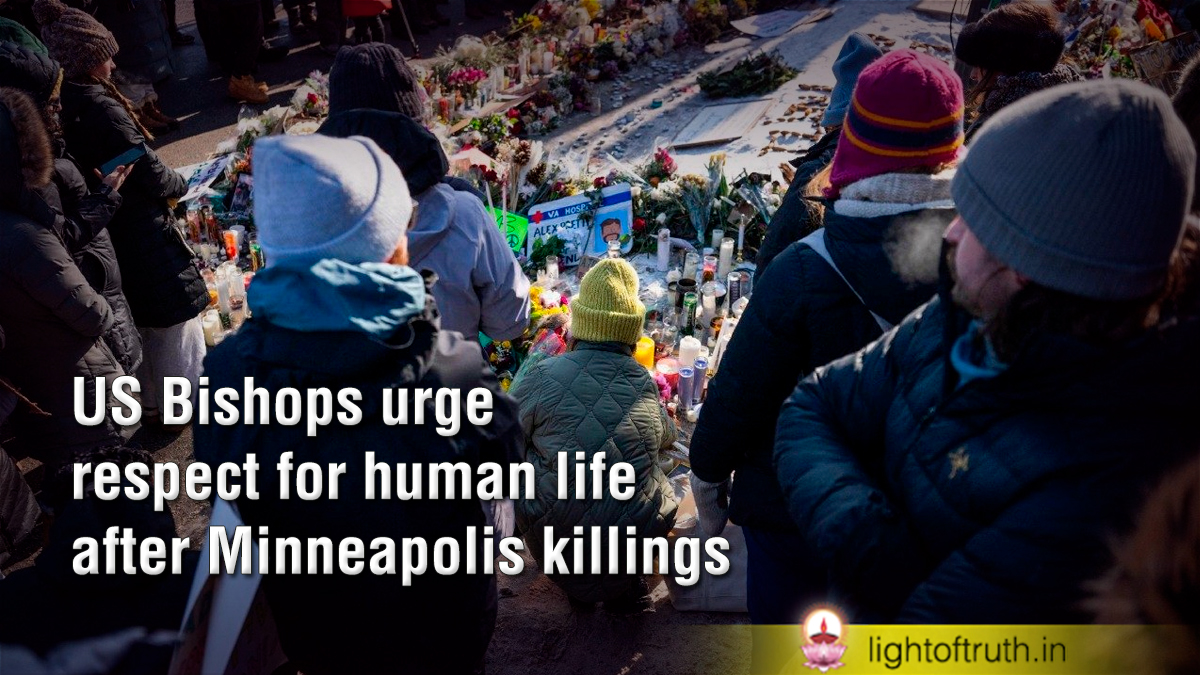
US Bishops urge respect for human life after Minneapolis killings

Tensions are running high in the US city of Minneapolis, Minnesota, after US Immigration and Customs Enforcement (ICE) agents fatally shot Alex Pretti, a 37-year-old intensive care nurse and US citizen, on 24 January. The federal government alleged that Mr. Pretti was carrying a gun and intervened as ICE agents confronted a woman on the street. Local authorities said Mr. Pretti had a permit to carry a handgun in public, adding that his firearm was legally registered.

Video from the scene shows Mr. Pretti holding a phone, not a gun, as he assists other protesters. ICE agents are seen forcing Mr. Pretti to the ground, and one agent removes a gun from him and steps away. Another officer then points a handgun at Mr. Pretti’s back and fires four shots in quick succession. Thousands of protesters took to the streets of Minneapolis the next day, and several vigils were held for Mr. Pretti over the weekend. His death came just over two weeks after ICE agents killed 37-year-old mother Renee Good in Minneapolis.

On January 25, Archbishop Bernard Hebda, Archbishop of Minneapolis, released a statement calling for prayers for Mr. Pretti and his loved ones. “The loss of another life amidst the tensions that have gripped Minnesota should prompt all of us to ask what we can do to restore the Lord’s peace,” said the Archbishop. He recalled that all people were created in the image and likeness of God, both elected US officials and “our undocumented neighbours.” “While we rightly thirst for God’s justice and hunger for his peace,” said Archbishop Hebda, “this will be not be achieved until we are able to rid our hearts of the hatreds and prejudices that prevent us from seeing each other as brothers and sisters created in the image and likeness of God.” The Archbishop invited Catholics to join in prayer before the Blessed Sacrament in the city’s churches, which he said offer a “quiet place for prayer and reflection.”

Separately, Archbishop Paul Coakley, President of the US Catholic Bishops’ Conference, called for Americans to come together in dialogue and turn away from “dehumanizing rhetoric and acts which threaten human life.” “I prayerfully urge calm, restraint, and respect for human life in Minneapolis, and all those places where peace is threatened,” he said in a statement released on January 25. “Public authorities especially have a responsibility to safeguard the well-being of people in service to the common good.”

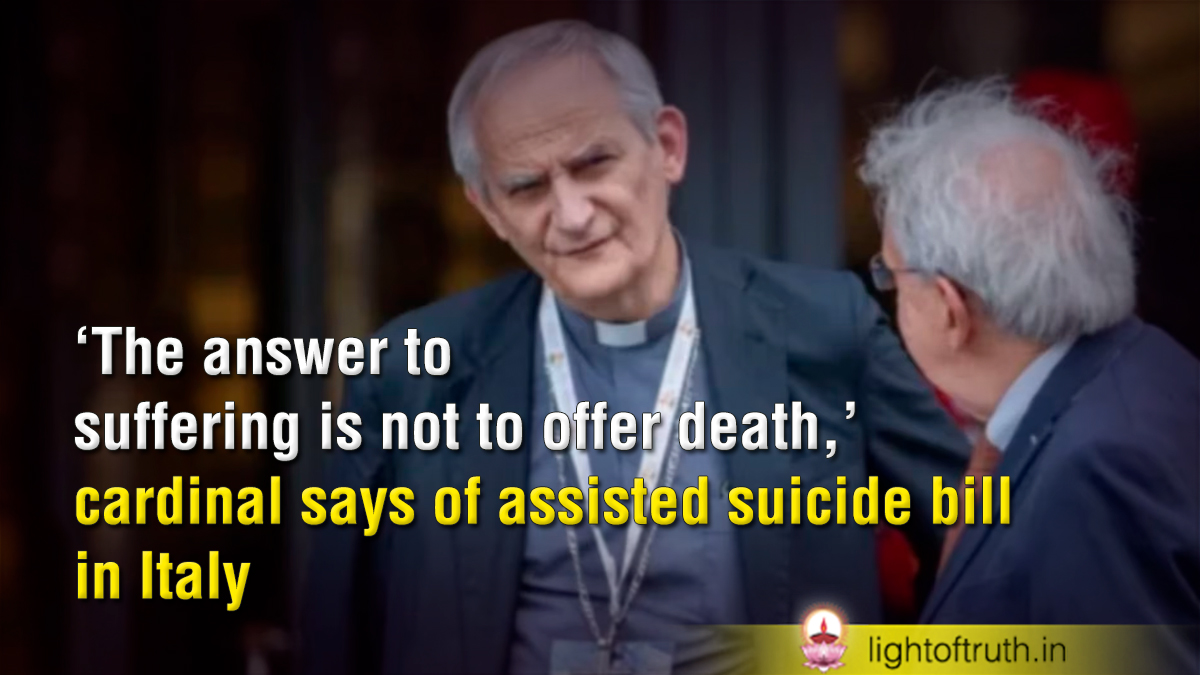
‘The answer to suffering is not tooffer death,’ cardinal says of assisted suicide bill in Italy

Cardinal Matteo Zuppi, president of the Italian Bishops’ Conference (CEI, by its Italian acronym), reaffirmed the Italian bishops’ opposition to any legislation that would legitimize assisted suicide or euthanasia while also calling for greater investment in palliative care and support for the sick.

“The answer to suffering is not to offer death but to guarantee forms of social support, health care and continuous home-based health care, and social services so that the sick person doesn’t feel alone and families can be supported and accompanied,” the cardinal stated during the opening session of the CEI’s Permanent Council, which met through Jan. 28. 

“Human dignity is not measured by efficiency or usefulness,” Zuppi emphasized, as reported by the Catholic newspaper Avvenire. According to Zuppi, laws that legitimize assisted suicide or euthanasia “risk weakening the public commitment to the most fragile and vulnerable, who are often invisible.”

The cardinal also warned that decisions about the end of life cannot be considered a purely private matter. “We strongly feel the duty to remind everyone that choosing an early death, even because one believes there are no alternatives, is not an individual act but deeply affects the fabric of relationships that constitutes the community, undermining the cohesion and solidarity on which civil coexistence is based,” he declared on behalf of the Italian episcopate.

The president of the CEI also emphasized the central role of palliative care, which, he pointed out, is still not fully guaranteed in Italy despite existing legal provisions. “It must be guaranteed to everyone, without social or geographical distinctions, while it is still not being implemented as established,” he said, emphasizing that this care “represents a true antidote against the thinking that considers assisted suicide or euthanasia as viable options.”

Zuppi’s words come at a crucial moment in the political debate in Italy surrounding the medically assisted suicide bill, which is going through one of its most uncertain phases since it was introduced in the Legislature.

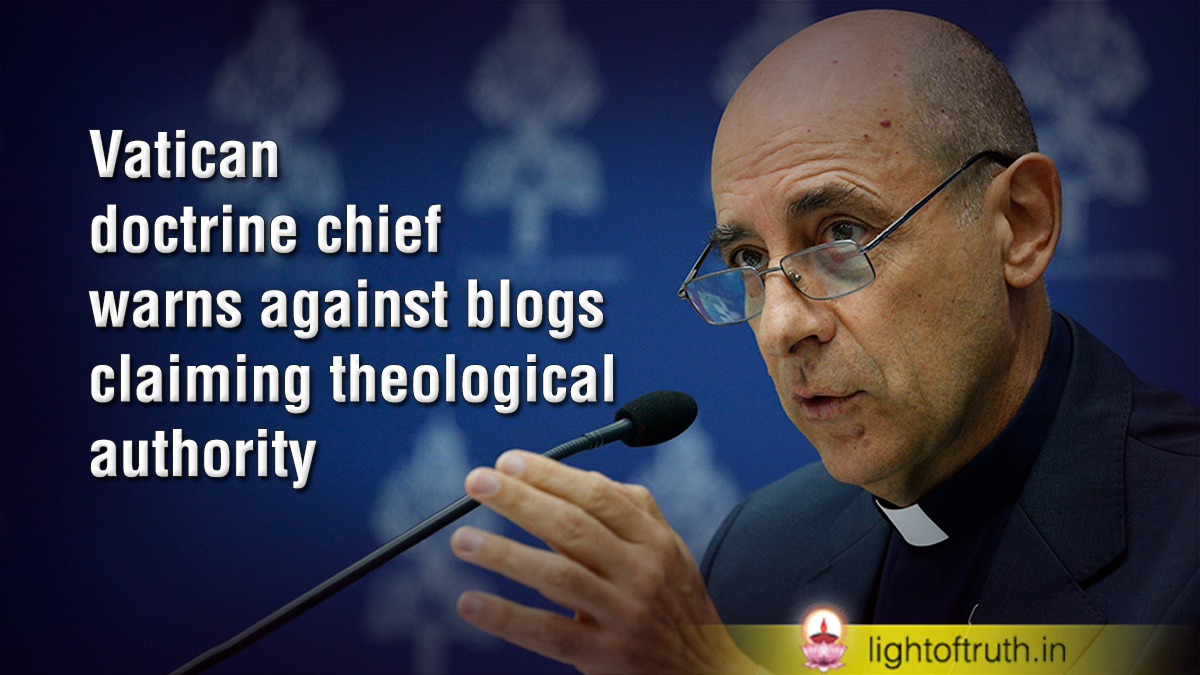
Vatican doctrine chief warns against blogs claiming theological authority

The Vatican’s doctrine chief warned that blogs and online commentators increasingly claim a theological authority they do not possess, narrowing the church’s ability to holistically engage faith and reality. 

Opening the plenary assembly of the Dicastery for the Doctrine of the Faith on Jan. 27, Cardinal Víctor Manuel Fernández, dicastery prefect, said theologians risk “losing the breath of our perspective” when their work becomes narrowly focused on isolated topics.

“But the issue is even more serious since today, on any blog, anyone — even without having studied much theology — can express his or her opinion and condemn others as if speaking ex cathedra,” or with infallibility, he said. 

Fernández framed the problem as a failure to recognize the limits of human knowledge. “The more science and technology advance, the more we must keep alive the awareness of our limits and our need for God, so as not to fall into a terrible deception,” he said. “Indeed, the very same one that led to the excesses of the Inquisition, the world wars, the Shoah, and the massacres in Gaza: all of which rely on fallacious arguments for their justification.”

Fernández, who has often been a target of Catholic blogs since his appointment as prefect in 2023, urged dicastery members to acknowledge those limits, invoke God’s guidance in illuminating them and remain open to the perspectives of others.

The cardinal cited Pope Leo XIV’s October homily for the Jubilee of Synodal Teams and Participatory Bodies, in which the pope called for “a church that does not close in on itself, but remains attentive to God so that it can similarly listen to everyone.”

Several Catholic blogs have been sharply critical of synodality, the shift toward a more participatory and listening church championed by Pope Francis, often arguing that it risks drifting from Catholic doctrine and blurring distinctions between clergy and laity in church decision-making.

Fernández’s call for the dicastery members to “reflect, think, and analyze reality, but while also listening to others” echoed the language of synodality promoted by the pope.

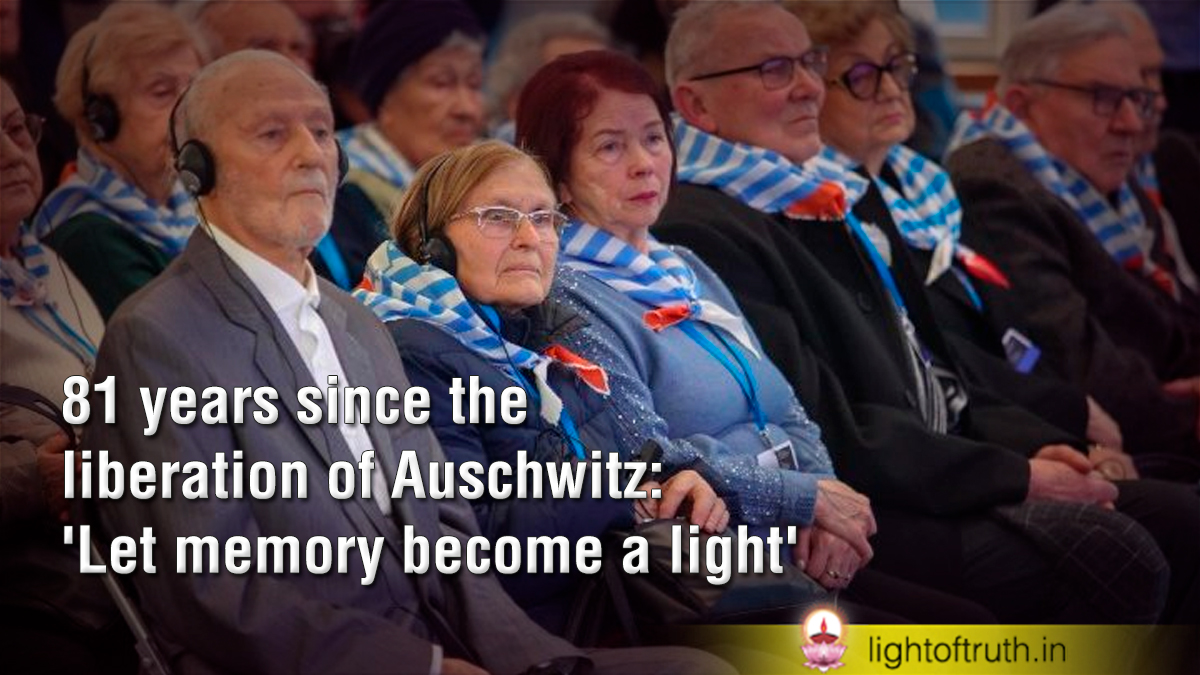
81 years since the liberation of Auschwitz: ‘Let memory become a light’

Memory must not turn into a ritual or a “lesson to be checked off,” speakers stressed during the anniversary commemorations at Auschwitz-Birkenau, the former German Nazi concentration camp. Survivor Bernard Offen appealed: “Let memory not be a burden. Let it become a light that will guide us in the darkness,” while Auschwitz Museum Director Piotr Cywiński spoke of memory and experience as “treasures” and “signposts” in a time when the global order is fracturing.  

Although the main ceremony with Survivors, state officials, and the diplomatic corps took place on the afternoon of January 27, the anniversary of the liberation of Auschwitz-Birkenau was commemorated throughout the day on the grounds of the former camp. In the morning, around 20 former prisoners laid wreaths and candles at the Death Wall at the former Auschwitz I. This was the opening act of the observances marking the 81st anniversary of the camp’s liberation.

The main address during the ceremony, held in a former camp intake building, was delivered by Holocaust survivor Bernard Offen, born in Kraków in 1929. He recalled a childhood cut short by war, the murder of his mother and sister in Bełżec, and the moment he was separated from his father in Auschwitz. “My father was sent to the left, toward death. I was sent to the right. I remember that moment. Our eyes met, and there was the feeling that we were seeing each other for the last time,” he said.

He stressed that he survived thanks to others: “I survived because other people helped me. I call them my angels.” After decades of living in the United States, Offen decided to return to Poland. He spoke of Kraków as the place where he found a home and a sense of safety again. He appealed to those present: “I ask you today—let memory not be a burden. Let it become a light that will guide us in the darkness. We, the witnesses, will soon be gone, but I believe that this light will remain with you.”

By January 27, 1945—the day approximately 7,000 prisoners still in the camp were liberated by soldiers of the Red Army—German Nazis had murdered about 1.1 million people in Auschwitz, primarily Jews, as well as Poles, Roma, Soviet prisoners of war, and people of other nationalities. Today, Auschwitz stands as a global symbol of the Holocaust and the atrocities of World War II. In 2005, the United Nations designated January 27 as International Holocaust Remembrance Day.