Category Archives: From The States

Kerala Tailoring Workers Forum Calls for Urgent Government Support

The Kerala Tailoring Workers Forum (KTWF) has appealed to the state government to take immediate action to solve the growing problems faced by tailoring workers across Kerala.

The demand was raised during the KTWF State Conference held at Ernakulam Town Hall in Kochi on May 25. Leaders at the conference said tailoring workers are facing serious difficulties due to anti-labour policies and increasing monopolisation in the garment industry.

The conference was inaugurated by Hibi Eden, while KTWF State President Babu Thannikkode presided over the meeting. Several Church leaders, labour representatives, and community leaders also attended the gathering.

Among the speakers were Bishop Sylvester Ponnumuthan, Bishop Jose Porunnedom, and T. J. Vinod. They stressed the need for stronger welfare measures and better policy support for tailoring workers.

The conference passed a resolution requesting the Tailoring Workers Welfare Fund Board to introduce special skill development programmes and improve welfare and retirement benefits according to present-day needs.

Delegates also demanded a review of the discontinued service pension scheme and asked that merit scholarships be provided to all eligible children of members.

The forum further requested that marriage assistance benefits, currently available only for daughters, should also be extended to sons. Participants also sought financial support for the families of deceased pension members.

Ten tailoring workers from different districts were honoured during the conference for their dedication and contribution to the profession.

KTWF leaders said urgent policy intervention is necessary to protect the livelihood and dignity of tailoring workers in Kerala.

Delhi High Court Allows Private Schools to Raise Fees Before Academic Year

The Delhi High Court has ruled that private unaided recognised schools in Delhi can increase fees before the start of an academic session without obtaining prior approval from the Directorate of Education (DoE).

The judgment was delivered by Justice Anup Jairam Bhambhani on May 25. The Court clarified that schools only need prior permission from the DoE if they want to increase fees during an ongoing academic year. If the revised fee structure is announced before the academic session begins, no prior approval is necessary.

The Court explained that the role of the DoE is mainly to regulate schools and prevent profiteering, commercialisation of education, and illegal collection of capitation fees. It stated that the department should not interfere unnecessarily in the financial management of private unaided schools.

The ruling came after a group of private schools, led by Delhi Public School, challenged DoE orders that rejected their fee hike proposals.

The Court accepted the schools’ argument that they have financial autonomy under the Delhi School Education Act and Rules. It also observed that maintaining surplus funds for future development cannot automatically be considered profiteering unless proven through proper financial audits.

The High Court cancelled earlier DoE orders rejecting fee hikes proposed before academic sessions and closed pending applications delayed over approval issues.

However, the Court refused to allow schools to collect unpaid fee differences from previous years. It stated that such recovery would unfairly burden parents and students. The revised fee structures will apply only from the academic session beginning in April 2027.

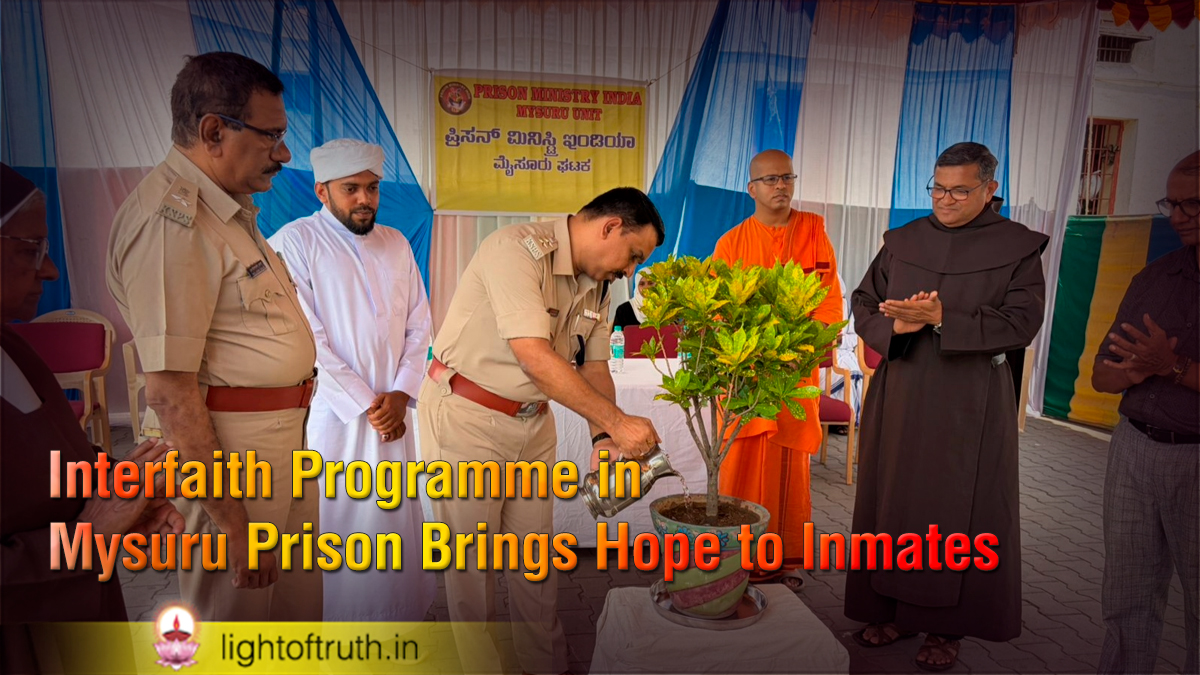
Interfaith Programme in Mysuru Prison Brings Hope to Inmates

An interfaith programme held at Central Prison Mysuru brought a message of hope, repentance, and renewal to hundreds of inmates on May 12 ahead of Bakrid celebrations.

The event was organised by Prison Ministry India (PMI), Mysuru Unit, as part of its outreach and rehabilitation efforts among prisoners. The programme aimed to encourage spiritual reflection, inner healing, and harmony among people of different faiths.

Chief Superintendent C. Seshumurthy presided over the gathering and encouraged inmates to reflect on the messages shared during the programme. He reminded them that their life journey does not end inside prison and urged them to prepare for a better future. He called on them to return to society with hope, dignity, and a renewed purpose.

The programme featured speakers from different religious backgrounds. Swami Agaharananda from the Ramakrishna Ashram spoke on the theme “All Religions are True.” Drawing from the teachings of Sri Ramakrishna Paramahamsa, he explained that people can experience God through different spiritual paths.

Shri Ameer Bannur from Mangaluru spoke about repentance, reconciliation, and forgiveness. He highlighted how forgiveness can heal lives and restore broken relationships.

Representing the Christian perspective, Fr. Archibald Gonsalves, OCD, reflected on the theme “God is Love.” He encouraged inmates not to lose hope and reminded them of God’s mercy and the possibility of a new beginning.

Prison officials, volunteers, and ministry leaders also attended the programme.

The gathering ended with a strong message that no life is beyond change and that faith and hope can lead to transformation.

Christian Family Attacked and Threatened Over Faith in Chhattisgarh

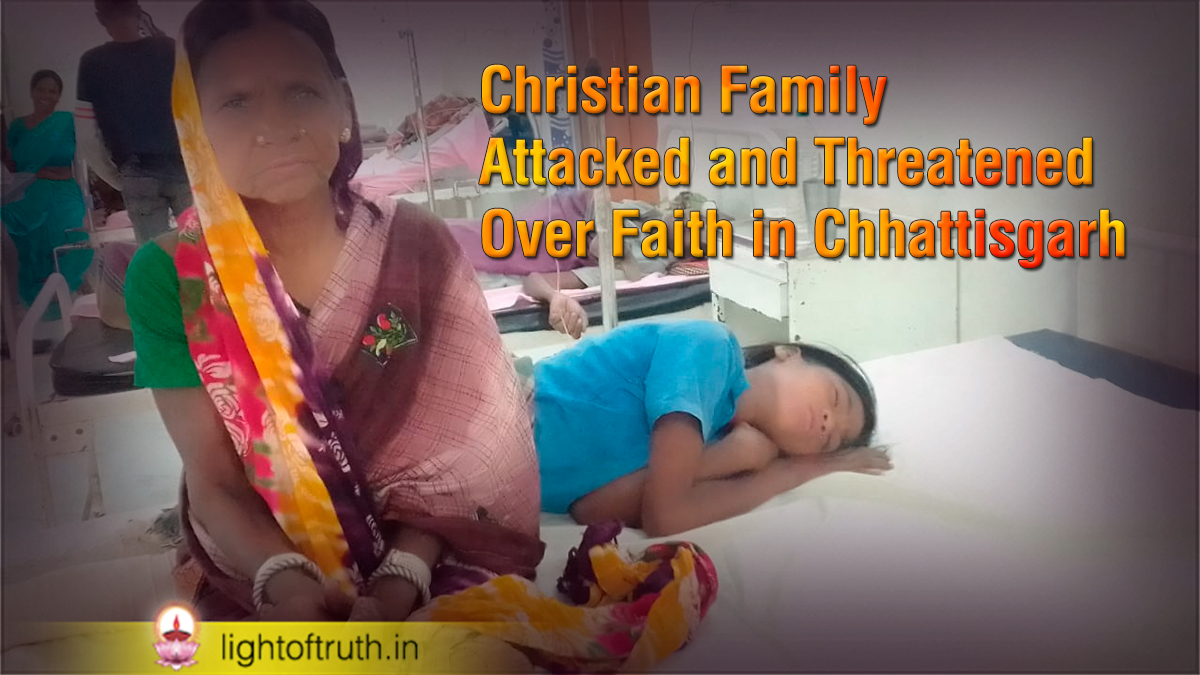
A Christian family in Madgaon village of Kondagaon district was allegedly attacked and threatened because of their faith, raising concerns about the safety of minority communities in the region.

According to reports, the incident happened on the morning of May 9 in Madgaon village under Dhanora Police Station in Keshkal block. Members of the Karanga family were reportedly plucking mangoes from a tree on land they have cultivated for many years when they were attacked.

Five family members were injured in the assault. Those injured include Phunau Karanga, Manau Karanga, Milki Bai Karanga, Devi Karanga, and Jageswari Karanga. They are currently receiving treatment at a hospital in Keshkal.

Reports claim that two men from the same village objected to the family harvesting mangoes because they had converted to Christianity. The attackers allegedly told the family that they had no right to stay in the village or use local land and forest resources after accepting what they called a “foreign religion.”

The family had reportedly faced threats for several months. During village meetings, they were allegedly pressured to leave Christianity or face expulsion, loss of land, and threats to their lives.

The report also stated that the family was socially and economically isolated. They were allegedly stopped from collecting forest products such as Mahua flowers and Tendu leaves, which are important for livelihood.

Christian groups have urged authorities to provide protection, medical support, and legal action against those responsible for the violence and threats.

Jesuit Priest Fr. Aloysius Carvalho Passes Away at 96 in Kolkata

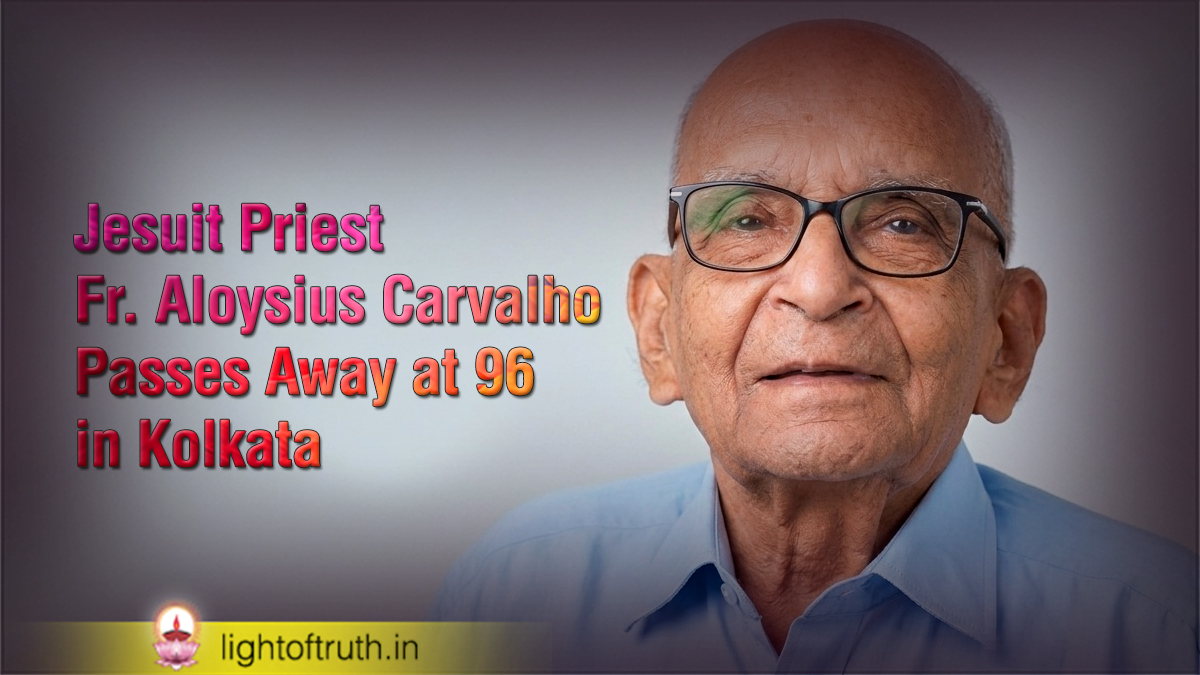
Fr. Aloysius Patrick Carvalho, a senior Jesuit priest known for his lifelong service in education and mission work, passed away on May 6 at St. Xavier’s College, Kolkata. He was 96.

Popularly known as “Father Ally,” he spent more than 70 years serving the Church through schools, parish ministry, and mission work among the poor and tribal communities.

His funeral Mass was held on May 8 at St. Xavier’s College Chapel and was led by the Provincial of the Calcutta Jesuit Province. He was later buried at Dhyan Ashram, the traditional burial place of Jesuits in the region.

Born in Kolkata in 1929, Fr. Carvalho studied in different schools across India before joining the Society of Jesus in 1949. Though he had gained admission to engineering studies, he chose religious life instead.

He was ordained a priest in 1962 and began ministry in Howrah, serving poor families and Adivasi communities.

One of his greatest contributions was founding St. Mary’s School on Ripon Street, Kolkata, in 1967. He served as founder, principal, and administrator, earning a reputation as a disciplined but caring educator.

Former students remember him as strict but deeply compassionate, often personally helping struggling students continue their education.

Later, he worked in rural West Bengal, founding schools and mission centres for Santhal and Dalit children. In 1980, he established Shanti Sadan Ashram in Mirga, which continues to support children from poor communities.

Church leaders described him as humble, spiritual, and fully committed to serving others.

Fr. Carvalho leaves behind a lasting legacy of faith, education, and service to the poor.

Kerala Church Promotes Parish Mental Health Support Across Communities

The Catholic Church in Kerala has called for the creation of Mental Health Ministries in every parish, diocese, and Church institution to support people facing emotional and psychological struggles.

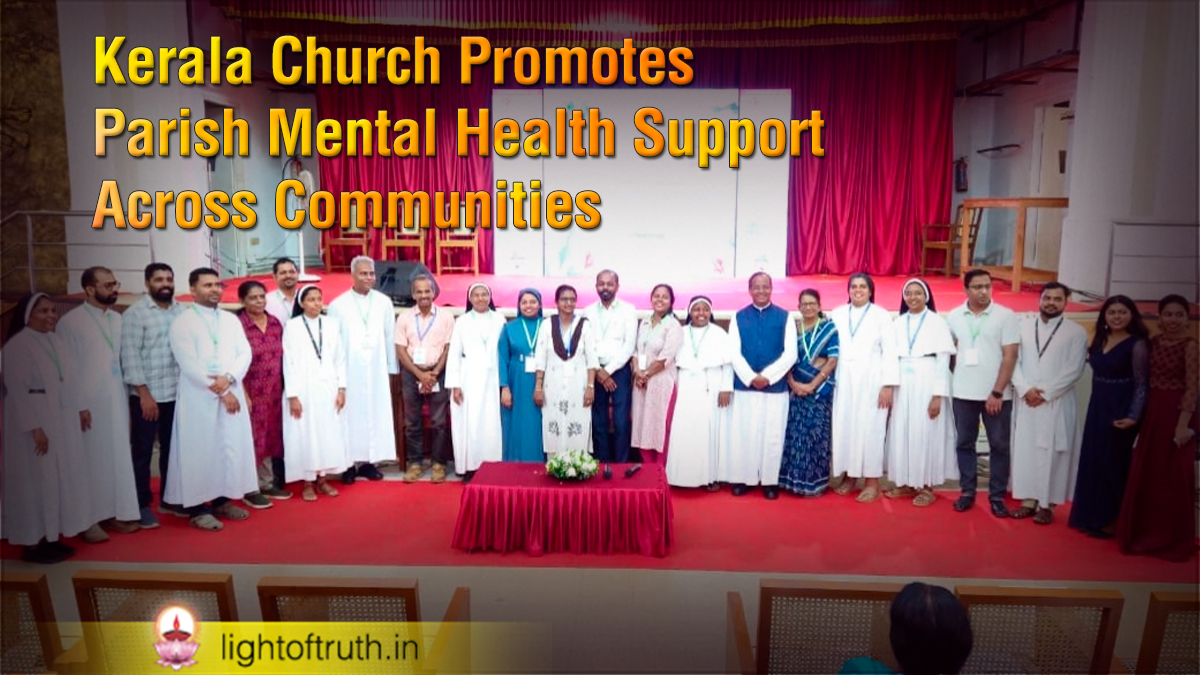
The appeal was made during the Second Kerala Regional Mental Health Conference, “Manassinoru Karuthal,” held from May 8 to 9 in Kochi. The conference brought together priests, religious, and lay faithful involved in mental health ministry and outreach.

The event was organised by the Catholic Mental Health Ministry (CMHM) Kerala Region in collaboration with the Catholic Bishops’ Conference of India Office for Healthcare and the Kerala Catholic Bishops’ Council Health Commission.

During the conference, Bishop Alex Vadakumthala stressed the urgent need for a compassionate and organised Church response to growing mental health challenges affecting families, youth, elderly people, priests, and religious.

Participants discussed ways to strengthen parish-level mental health ministries using the Good Samaritan model, based on the three steps: Recognize, Respond, and Rebuild.

Church leaders described mental health ministry as an important mission for the whole Church and encouraged active participation from priests, religious, doctors, psychologists, social workers, nurses, and laypeople.

The conference also launched a national database of mental health professionals to improve support and coordination in parishes and dioceses across India.

A Malayalam book titled “Manassinoru Karuthal” was released to promote mental health awareness in communities.

The newly introduced Good Samaritan Award was presented to Jipson from the Archdiocese of Ernakulam-Angamaly for his service in parish-based mental health initiatives.

The conference ended with a strong commitment to expand mental health outreach, reduce stigma, and train more volunteers to care for people in distress.

Small Catholic School Brings Big Change to Meghalaya Village

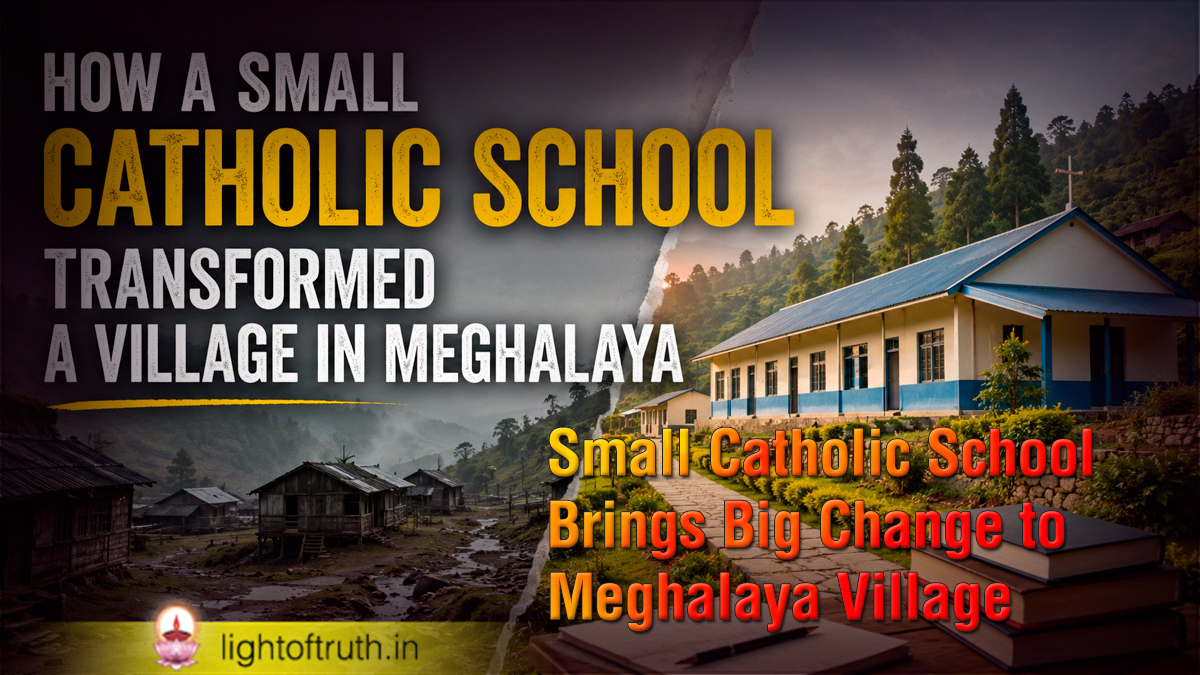
A small Catholic school in Mawlynrei village, under St. Dominic Savio Parish in Nongrah, has transformed the lives of many families by making education easier for children and strengthening the faith life of the community.

Mawlynrei is home to around 1,300 Khasi families. For many years, the village had only one parish school located at the center. Children living in the southern area, called Dong Sharum, struggled to attend school because of the long distance.

The turning point came in 2001 and 2002 when Basic Ecclesial Communities (BECs) were introduced in the village. During meetings and Gospel sharing, BEC leaders listened to the concerns of families and identified education as a major challenge.

Moved by the struggles of children, local leaders and BEC members decided to build a small school. With community support and collected funds, they constructed a simple tin-roof building and named it St. Joseph’s School.

The school officially opened on February 20, 2003, with one teacher, Ms. Brigida Mawthoh, who received a salary of just Rs. 300 per month funded by BEC members.

Over the years, the nursery school grew steadily. Today, St. Joseph’s School has classes up to Class V with seven teachers supported by regular community contributions.

The impact of BECs also extended beyond education. Faith participation increased, family prayers became more Scripture-centered, and more laypeople became involved in church activities.

What started as a small effort to help children reach school has now become a powerful example of how faith, unity, and community action can transform an entire village.

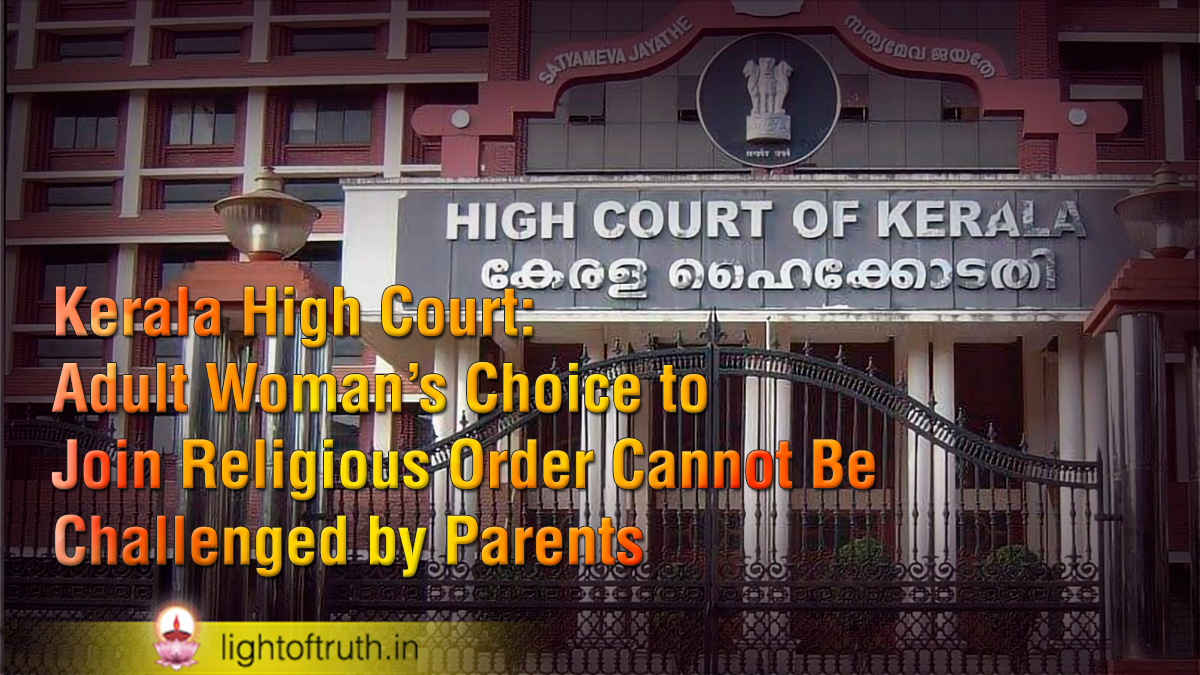
Kerala High Court: Adult Woman’s Choice to Join Religious Order Cannot Be Challenged by Parents

Kerala High Court has ruled that parents cannot challenge an adult woman’s decision to join a religious congregation simply because they disagree with it.

The judgment was delivered on April 27 by a Division Bench of Justice A.K. Jayasankaran Nambiar and Justice Jobin Sebastian in Ernakulam. The court dismissed a petition filed by three parents who claimed their daughters were being illegally detained at the Monastery of Holy Ruah.

The court made it clear that decisions about faith and religious life belong to an individual’s private choice. It said that interfering in such matters could weaken important constitutional freedoms like personal liberty and freedom of belief.

The parents had argued that their daughters were under pressure and not staying in the convent by their own will. However, the court found no evidence of force or illegal detention. Police reports and statements from the women confirmed that they had chosen to remain in the religious order voluntarily.

The judges also explained that a writ of habeas corpus is a serious legal remedy and should only be used when there is clear proof of unlawful detention. In this case, such proof was not found.

The court added that parental concern or disagreement cannot override the rights of adults to make their own life decisions, including choosing a religious vocation and a life of celibacy.

With this ruling, the court reaffirmed that personal freedom and individual choice must be respected, especially in matters of faith and belief.

Kerala Fish Workers Forum Demands Urgent Policy Changes to Protect Livelihoods

The Kerala Fish Workers Forum has urged the govern-ment to take immediate action to protect the livelihoods of fish workers across the state.

The demand was raised during the forum’s State Annual Conference held in Kollam on April 25, 2026. Leaders expressed serious concern over growing econo-mic problems affecting both coastal and inland fishing communities.

One of the main issues discussed was the recent increase in kerosene prices. The forum said this has badly affected traditional fishers who depend on kerosene for their daily work. It called for an immediate rollback of the price hike, stating that many families are struggling to meet basic expenses.

The forum also highlighted that inland fishers are facing similar difficulties. Rising costs, low income, and lack of proper support have made the situation worse. Leaders said the crisis needs urgent and strong government inter-vention.

During the meeting, Baiju Julian encouraged fish workers to stay united and work together to protect their rights. He stressed the importance of collective action for a better future.

The conference also elected a new leadership team. Henry George from Kollam was chosen as State President, and Basil Mookkath from Ernakulam became General Secretary.

The forum ended the meeting by renewing its call for fair policies and long-term support to ensure the survival and dignity of Kerala’s fishing communities.

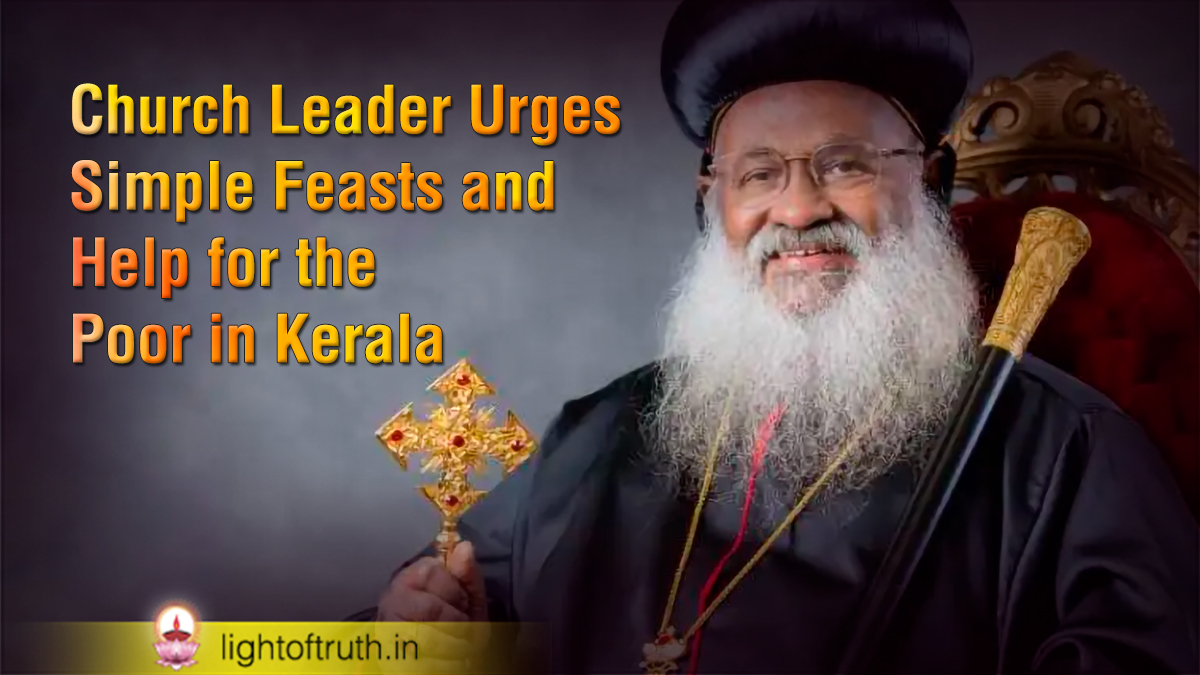
Church Leader Urges Simple Feasts and Help for the Poor in Kerala

Baselios Marthoma Mathews III has called on people in Kerala to avoid costly and extravagant Church feasts and instead use that money to support the poor.

The head of the Malankara Orthodox Syrian Church made this appeal after a tragic firecracker factory blast in Thrissur on April 21, which killed 14 people and injured around 25 others.

In his message, he urged people to think carefully about safety and the true meaning of celebrations. He said that God is not pleased by fireworks but by a pure and sincere heart. He also asked people of all religions to take a responsible stand against dangerous and wasteful practices during festivals.

Kerala is known for its grand temple and Church feasts, where fireworks are widely used. The Church leader pointed out that large amounts of money are spent on such celebrations, while many people still struggle with poverty.

He encouraged believers to use festival funds to help those in need, such as building homes for the poor or supporting struggling families. He also offered to personally support parishes that choose to celebrate their feasts in a simple way.

Many people have welcomed his message. Some said helping the poor is more meaningful than spending large amounts on fireworks. Others added that this message should guide not only Church feasts but also personal celebrations like weddings and birthdays.

The call highlights the importance of simple, safe, and spiritually meaningful celebrations.