Category Archives: From The States

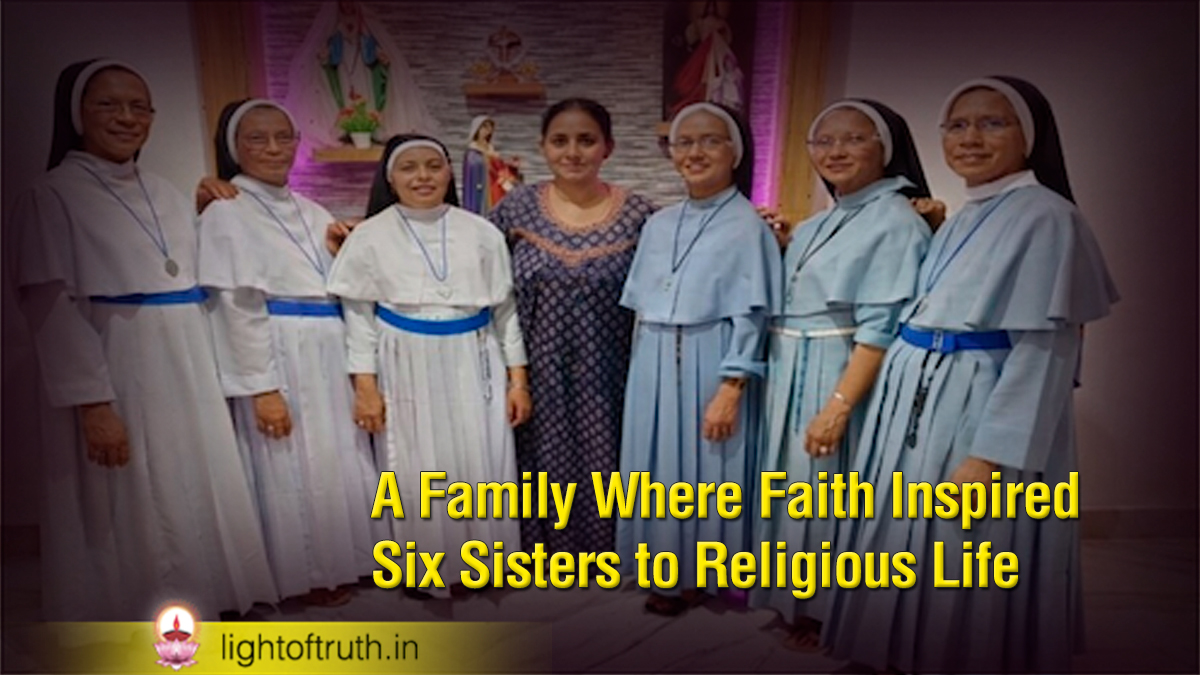
A Family Where Faith Inspired Six Sisters to Religious Life

In the mist-covered hills of Venappara in Kerala, the Kallidukkil family became a remarkable witness to faith and vocation. Thomas and Thresiamma Kallidukkil raised their ten children in a home where daily prayer was as natural as breathing. Before dawn each day, the family gathered before their altar for the rosary, Scripture reading, and hymns.

This atmosphere of faith led six of their eight daughters to embrace religious life. Four joined the Sisters of the Adoration of the Blessed Sacrament, while two became members of the Franciscan Clarist Congregation.

The sisters recall that their parents never pressured them to become nuns. Instead, they led by example through their deep faith, hard work, and commitment to prayer. The presence of grandparents, visits from nun relatives, and the guidance of catechism teachers also played an important role in nurturing their vocations.

Stories of saints and missionaries inspired many of them. Some eventually dedicated their lives to education, formation, and missionary service in different parts of India, including Kerala and Gujarat.

Not every daughter chose religious life. Two daughters embraced married life after discerning their calling. One of them said she realized that religious life required a deeper personal call, while another expressed joy that her own son is now preparing for the priesthood.

The sisters emphasize that authentic vocation grows in freedom. Their parents guided them with love but never imposed decisions. Through prayerful witness rather than pressure, the Kallidukkil home truly became a nursery of vocations.

Over 800 Youth Join ANUBHAV 2026 Retreats in Jalandhar Diocese

More than 800 young people from across the Diocese of Jalandhar took part in ANUBHAV 2026, a series of ICYM Pro-Life Youth Retreats aimed at deepening faith, promoting Christian values, and encouraging spiritual renewal among youth.

The retreats were organized by the Youth Commission of the Diocese of Jalandhar under the leadership of Fr. Jibin, Director of the Youth Commission, with the support of DEXCO members. The programme was conducted at three locations and brought together youth from different deaneries of the diocese.

The first retreat was held at St. Joseph’s Catholic Church, Phagwara, from June 2 to 4. The second took place at St. Joseph’s Catholic Church, Abohar, from June 4 to 6, while the final session was organized at St. Francis Church, Amritsar, from June 6 to 8.

Formation sessions were led by members of the national team of Youth United for Christ (YU4C). Resource persons spoke on topics such as God’s love, Christian moral values, discipleship, personal holiness, healing, and the role of the Holy Spirit in daily life. Participants also reflected on contemporary issues affecting young people and discussed how to respond to them through faith.

Special healing and prayer sessions gave participants opportunities for reconciliation, spiritual growth, and personal reflection. The retreats also included sessions introducing The Chosen: Crucifixion, an upcoming theatrical release.

Bishop Jose Sebastian attended all three retreats and celebrated Holy Mass. He encouraged the youth to remain strong in faith and become committed witnesses of Christ.

Organizers described ANUBHAV 2026 as a fruitful initiative that inspired young people to live their faith with courage and conviction.

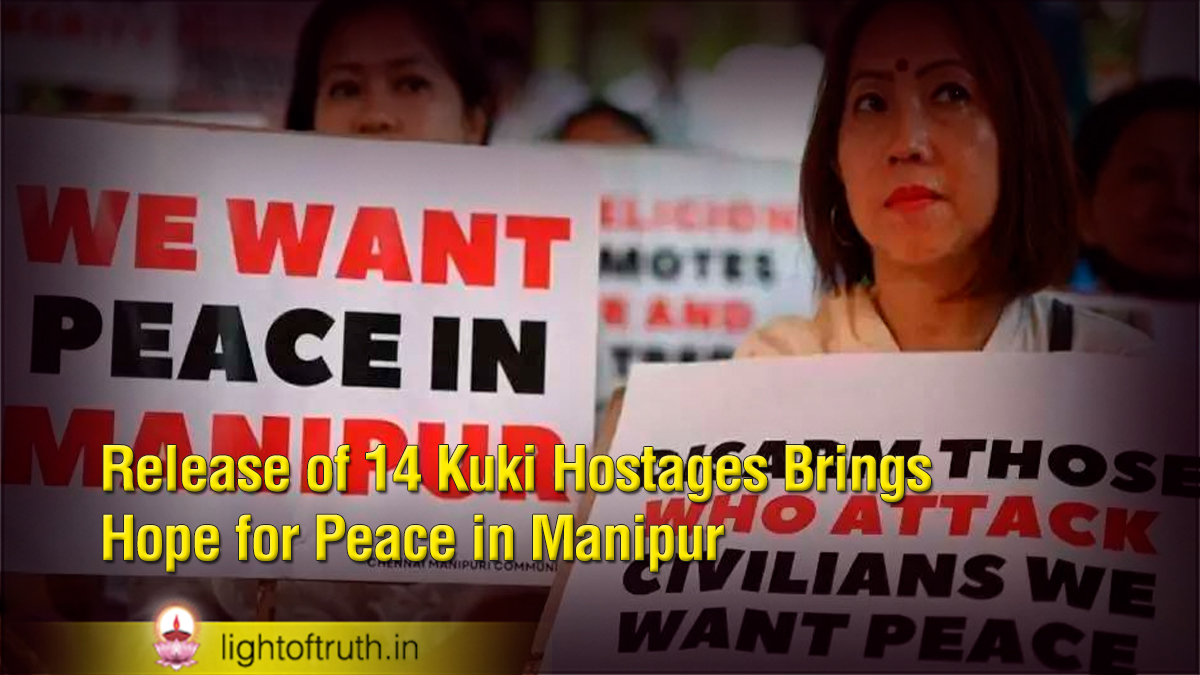
Release of 14 Kuki Hostages Brings Hope for Peace in Manipur

A nearly month-long hostage crisis between the Kuki and Naga communities in Manipur has shown signs of easing with the release of 14 Kuki hostages on June 9.

The announcement was made by the United Naga Council (UNC), the apex body of the Naga community in Manipur. The council said the decision followed assurances from Union Home Minister Amit Shah, conveyed through Nagaland Chief Minister Neiphiu Rio, that efforts would be made to trace six missing Naga men.

The crisis began after three Baptist Church leaders were killed in an ambush on May 13. In the days that followed, 23 Kuki farmers and laborers and 15 Nagas were abducted in retaliatory actions. Through the intervention of church leaders, civil society groups, police, and political leaders, 31 hostages from both sides were released. However, 14 Kukis and six Nagas remained missing.

The continued detentions led to protests and economic blockades, disrupting the movement of essential goods in affected areas.

The Kuki Christian Leaders’ Forum welcomed the unconditional release of the 14 hostages, describing it as a reflection of Christian values of compassion, mercy, and reconciliation. The group expressed hope that the gesture would pave the way for lasting peace and urged church leaders to work together for a permanent solution.

State leaders also welcomed the development. However, concern remains over the six missing Naga men, whose return is considered essential for complete peace and reconciliation in the region.

Tamil Nadu Church Builds Homes for Dalit Families in Need

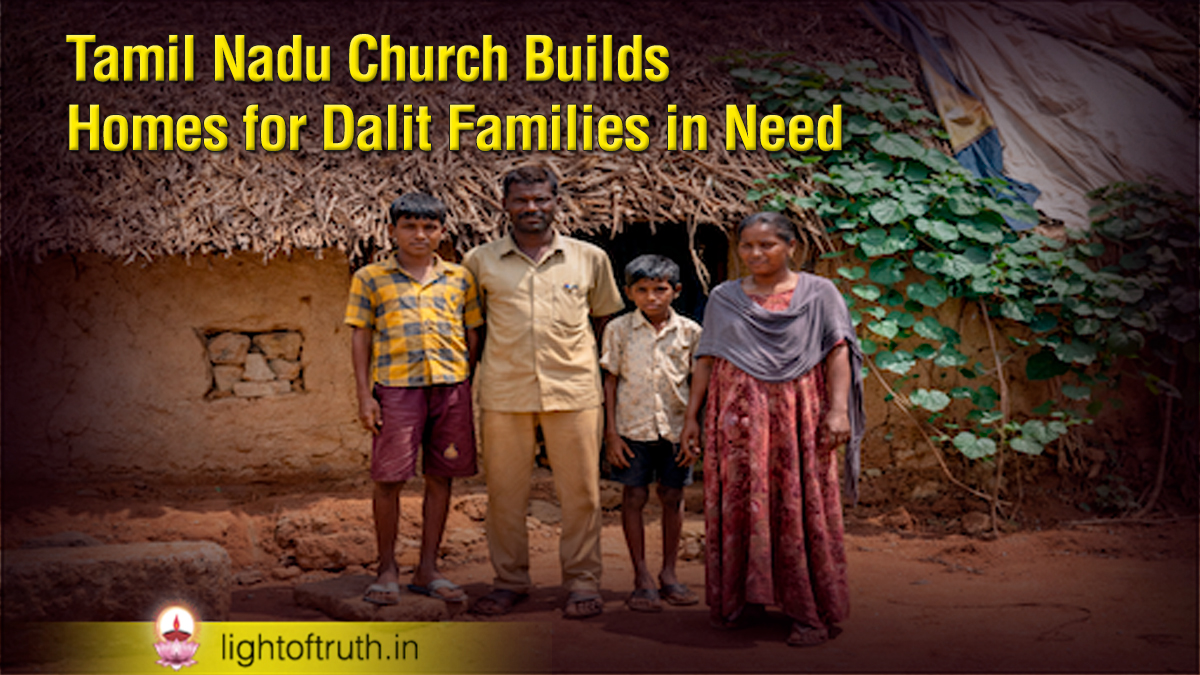
The Tamil Nadu Bishops’ Council (TNBC) Commission for Scheduled Castes and Scheduled Tribes has completed the construction of 12 houses for some of the state’s poorest Dalit families, offering them safe and permanent homes after years of living in difficult conditions.

The houses were built through the Commission’s “Housing for the Homeless” initiative with financial support from CHARIS Singapore. Families from the dioceses of Chengalpattu and Vellore, and the archdioceses of Pondicherry-Cuddalore and Madras-Mylapore benefited from the project.

The Commission said the initiative focused on helping the most neglected and vulnerable families, often referred to in the Bible as the “Anawim of Yahweh”—the humble poor who place their trust in God. In the Indian context, this includes people affected by caste discrimination and extreme poverty.

Beneficiaries were selected through field visits and recommendations from parish staff, diocesan directors, and local leaders. Priority was given to widows, single mothers, elderly people, persons with disabilities, and families living in unsafe huts and temporary shelters.

Among those helped was Sekar from Chengalpattu Diocese, whose family had been living under a tarpaulin sheet and taking refuge in neighbours’ homes during heavy rains. Widow Nirmala, another beneficiary, struggled to support her children while living in an unsafe hut.

Church leaders said the project was inspired by the mission to serve “the least, the lost, and the last.” They emphasized that these homes offer more than shelter—they restore dignity, security, and hope to families who had long been forgotten by society.

Bagdogra Diocese Shows ‘Red Card’ to Child Labour Through Football Campaign

The Diocese of Bagdogra observed the World Day Against Child Labour with a football campaign promoting children’s rights and the importance of education. The event was held under the theme, “Red Card to Child Labour – Fair Play for Children, Decent Work for Adults.”

The programme was organised by Seva Kendra, the social service wing of the diocese, in collaboration with Salesian College (Autonomous), Siliguri. Church leaders, educators, students, and local officials joined the campaign to raise awareness about the harmful effects of child labour.

Among those present were Bishop Paul Simick of Bagdogra, Seva Kendra Director Fr. Naresh Beck, Advocacy Officer Tez Kumar Thapa, and Salesian College Vice Principal Fr. C.M. Paul. Representatives from the Sashastra Seema Bal and Siliguri Police Commissionerate also took part.

Welcoming the gathering, Fr. Beck introduced the Church’s Surokhit Shaisav Project, which focuses on child protection and access to education. Awareness sessions highlighted the causes of child labour and encouraged communities to work together to end it.

“Child labour steals children’s dignity and future. Education is the strongest red card we can show against this injustice,” Bishop Simick said.

Two friendly football matches carried the campaign’s message, with teams from Salesian College, SSB Ranidanga, Gungaram Moonic, and Belgachi participating. Certificates were presented to all players in recognition of their efforts.

Organisers said the campaign aimed to inspire young people to become voices for justice and help build a society where every child can learn, dream, and grow free from exploitation.

Church Leaders Concerned Over Missing Kandhamal Riot Inquiry Report

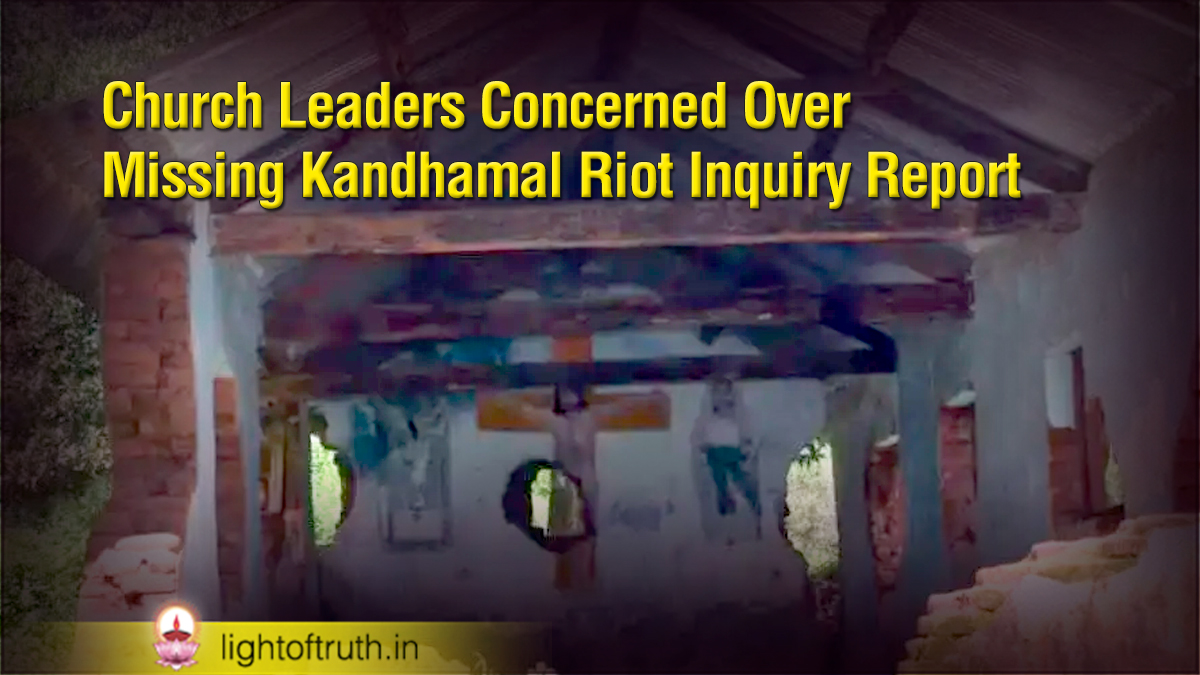
Church leaders in Odisha have expressed serious concern over the reported disappearance of an important inquiry report related to the 2008 anti-Christian violence in Kandhamal district.

A First Information Report (FIR) was filed on June 10 by a senior official of the Odisha Home Department, stating that several important documents had gone missing from the Chief Minister’s Office during the change of government in 2024. Among the missing records is the report of the Justice A.S. Naidu Commission, which investigated the murder of Vishwa Hindu Parishad leader Swami Laxmanananda Saraswati and the communal violence that followed.

Church leaders described the incident as alarming. They questioned how such an important document could disappear and raised concerns about possible foul play. They also pointed out that, according to media reports, only one hard copy of the report existed, increasing worries about the safety and authenticity of any digital versions.

The Kandhamal violence began after the killing of Swami Laxmanananda on August 23, 2008. Christian groups have long maintained that Christians were wrongly blamed for the murder, while Maoist rebels later claimed responsibility.

The violence lasted for nearly seven weeks. According to rights groups and Church organisations, around 100 people were killed, more than 56,000 people were displaced, about 6,000 houses were destroyed, and over 300 churches and Christian institutions were attacked.

Justice A.S. Naidu said the two-volume report contained more than 1,500 pages of findings and recommendations aimed at preventing such violence in the future. Church leaders have called for a thorough investigation to recover the missing report and ensure justice for the victims of Kandhamal.

Odisha Church Mourns Veteran Priest Fr. Anselm Francis Biswal

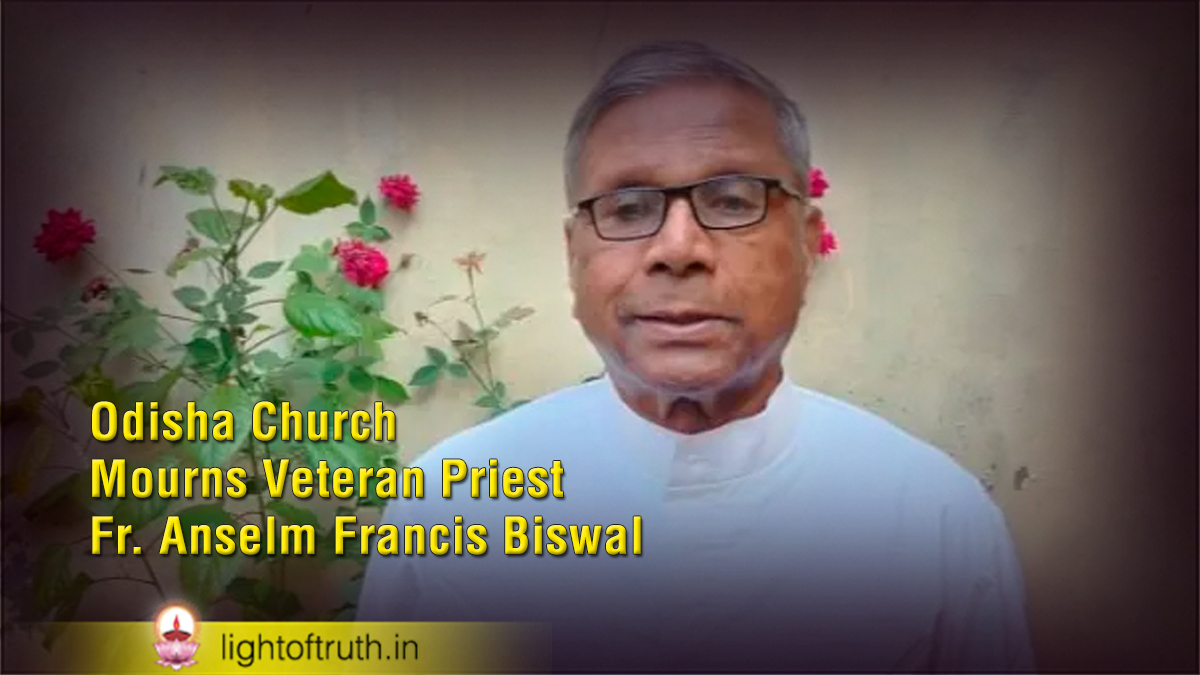
The Catholic Church in Odisha is mourning the death of Fr. Anselm Francis Biswal, a respected priest whose more than six decades of service touched countless lives. He passed away on May 22 at the age of 90.

Funeral services were held at Sacred Heart Parish, Suruda, led by Archbishop John Barwa of Cuttack-Bhubaneswar. More than 50 priests, 25 nuns, and hundreds of faithful gathered to pay their final respects.

Church leaders remembered Fr. Biswal as a humble priest, caring pastor, wise guide, and dedicated missionary. Archbishop Barwa said his life and ministry would continue to inspire people even after his death. He noted that the prayers, guidance, and sacrifices of a priest never disappear from the hearts of the faithful.

Born on November 6, 1935, in Dantolingi, Fr. Biswal joined seminary formation after completing his studies and was ordained a priest on October 2, 1962. Over the years, he served in many parishes and institutions across Odisha, including Puri, Berhampur, Sambalpur, Balasore, and Cuttack.

Apart from pastoral ministry, he was also known for his contribution to education and writing. He authored The Little Mustard Seed, a book that documented the history of Catholic missionary work in southern Odisha.

Many people remembered him as a man of deep prayer, simplicity, and commitment. Former students, family members, and parishioners shared how his kindness and guidance influenced their lives.

Church leaders said Fr. Biswal’s legacy of faith, compassion, and service will continue to live on among the people of Odisha for generations.

Young Goa Farmer Inspires Youth Through Sustainable Agriculture

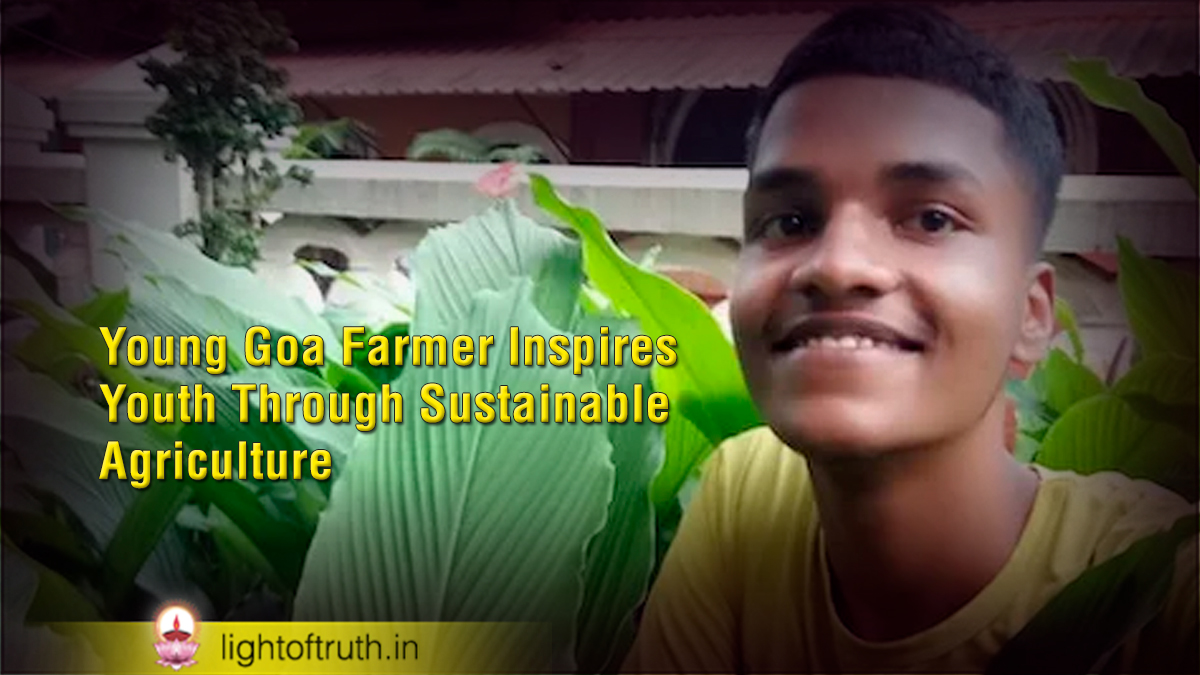
Twenty-one-year-old Cleto Avito Fernandes from Panjim is inspiring young people in Goa through his passion for farming, environmental care, and entrepreneurship. Blending traditional farming with modern ideas, he has become a role model for youth interested in sustainable living.

Fernandes began farming when he was in the seventh standard by growing just two lady finger plants at home. Over the years, his small garden developed into a larger mission promoting organic farming and environmental awareness.

Today, he cultivates vegetables in fields at Taleigao and regularly conducts workshops in schools and colleges on composting, organic farming, and paddy cultivation. His home garden has also become a learning space where students visit to understand sustainable agriculture practices.

Using organic methods, Fernandes produces vermicompost and natural liquid manure. In 2024, he expanded his work by starting a poultry farm in Panjim after facing several challenges. He also grows and sells bonsai and ornamental plants while teaching bonsai cultivation to students free of cost.

Apart from farming, Fernandes is active in music, acting, and dance, winning awards in performing arts across Goa and India. In March 2025, he received the Youngest Entrepreneur Award for his achievements.

Currently pursuing a B.Sc. Agriculture degree, Fernandes hopes to encourage more young people to enter farming. He believes agriculture can become both sustainable and meaningful for Goa’s future.

His journey reflects dedication, creativity, and a strong commitment to protecting nature while inspiring the next generation.

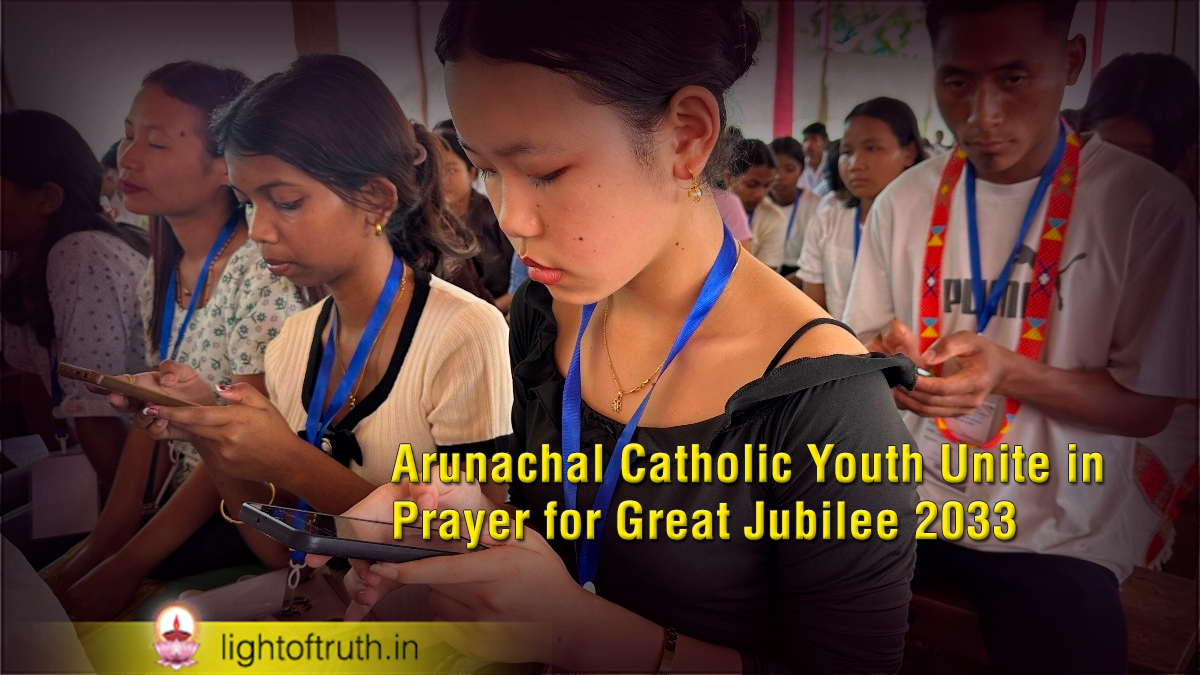
Arunachal Catholic Youth Unite in Prayer for Great Jubilee 2033

Hundreds of Catholic youth from the Diocese of Miao in Arunachal Pradesh made a unique commitment during a three-day Youth Convention by setting their daily alarms for 20:33 as a reminder to pray for the Great Jubilee 2033.

The convention was held at Divine Word School in Roing and brought together around 350 young participants from eight districts of eastern Arunachal Pradesh. The initiative was inspired by the upcoming Jubilee celebration marking 2000 years of the Church and the mission of the Risen Lord.

Bishop George Pallipparambil of Miao encouraged the youth to make prayer a daily habit. He asked them to pause every evening at 20:33 and silently pray “Thy Kingdom Come” wherever they may be. Many participants named their alarms with the same message as a sign of unity and faith.

Former Arunachal Pradesh Chief Minister Mukut Mithi also addressed the gathering. He encouraged young people to preserve their culture and traditions while working for social progress and excellence in education and science.

Youth leaders described the initiative as more than a symbolic action. They said it reflects the youth’s commitment to prepare spiritually for Jubilee 2033 and to grow stronger in faith together. The convention included Bible-based activities, cultural performances, discussions, and the election of new youth leaders. Participants said the shared prayer at 20:33 each day would spiritually unite Catholic youth across the region and strengthen their mission for the future.

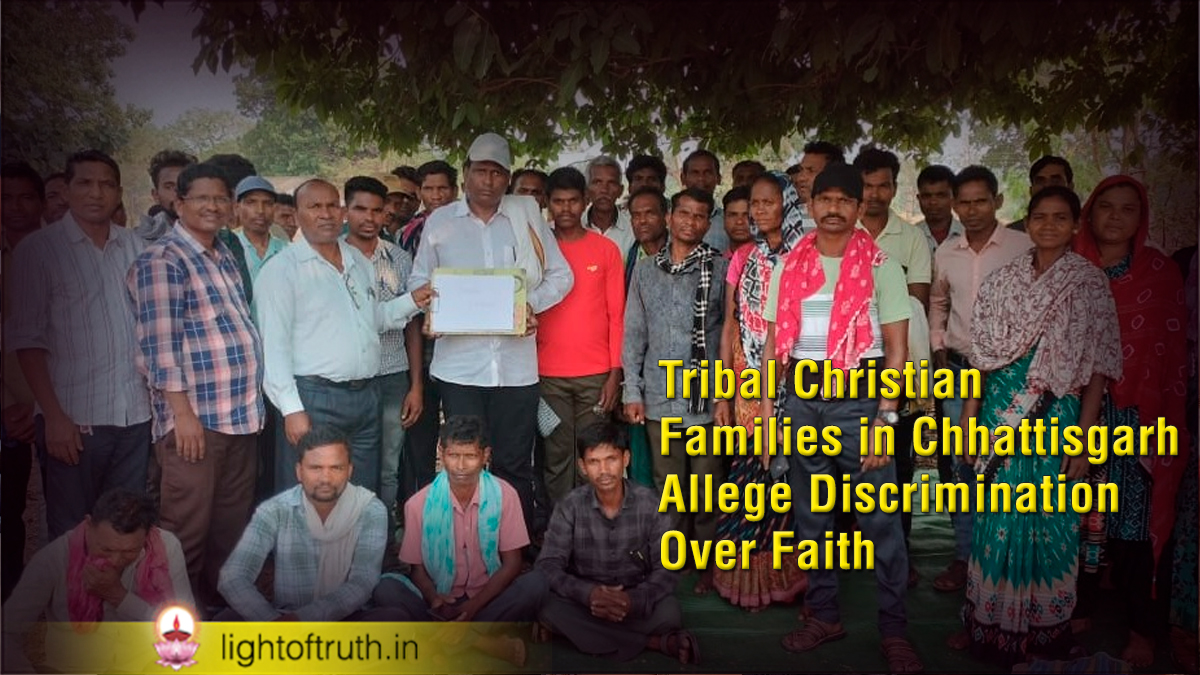
Tribal Christian Families in Chhattisgarh Allege Discrimination Over Faith

Several tribal Christian families in Chhattisgarh’s Kanker district have accused local authorities of failing to protect their basic rights after they were allegedly denied access to water sources and livelihood opportunities because of their faith.

Christian leaders said the problems began in early April and continue in many villages of the Antagarh area. According to a fact-finding team sent by local Christian organisations, at least 26 families have been blocked from using rivers, ponds, hand pumps, and public water taps.

The report also stated that 41 families were excluded from a rural employment guarantee scheme that supports poor villagers with work opportunities. In addition, around 115 families were reportedly stopped from collecting tendu leaves, an important source of income for tribal communities in central India.

Church leaders further alleged that some families had firewood taken away by fellow villagers despite collecting it legally from nearby forests.

Christian groups claimed the affected families had repeatedly appealed to village officials, police, and district authorities, but no effective action was taken. Many families are now forced to travel long distances at night to fetch drinking water.

According to pastors working in the area, the restrictions are being used to pressure Christians to stop attending church services and return to Hinduism.

Christian leaders said denying access to water and livelihoods violates human dignity and constitutional rights. They have appealed to state authorities, human rights groups, and civil society organisations to intervene and ensure protection for the affected families. The incident has once again raised concerns about discrimination and religious tensions faced by Christian minorities in parts of central India.