
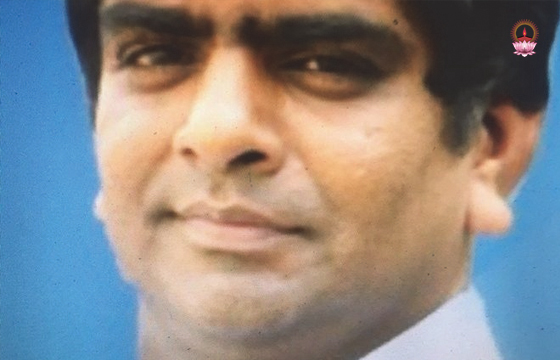
A Catholic priest going to conduct Good Friday service in a mission centre in the diocese of Ujjain on April 2 was killed in a road accident.
Father John Nadunilam was going from Jamner town to Kalapipal village, some 10 km northeast, in Guna district of Madhya Pradesh, central India. The death occurred when his car collided with a truck in the morning. He was 46.
All posts by Light of Truth
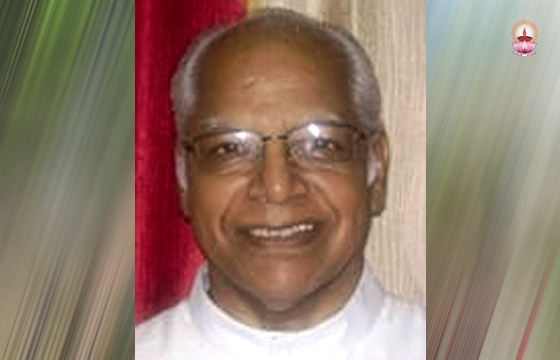
Catholic media persons mourn death of Jesuit author
Catholic media persons in India on April 10 mourned the death of Jesuit Fr Varghese Paul, a prolific Gujarati writer who started a news agency for South Asia in early 1980s. He was 77. Father Paul, a member of the Gujarat Jesuit province, died at 7:30 am on April 10 at GMERS (Gujarat Medical Education and Research Society) Hospital at Gotri in Vadodara, Gujarat. “He was shifted to the hospital last night. Lately he suffered from Covid besides other illnesses that he was suffering from,” says a message from Father Cedric Prakash, a Gujarat Jesuit.
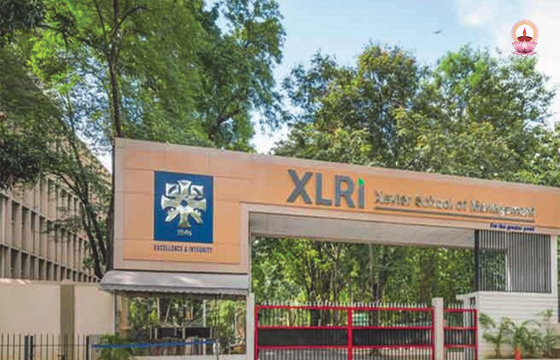
46 students of Jesuit business school test Covid positive
As many as 46 students of XLRI’s Jamshedpur campus have tested positive for Covid-19. The students who tested positive have been isolated and quarantined within the campus and kept under observation by the resident doctor.
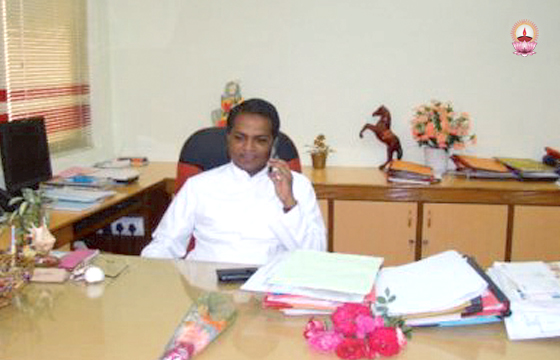
Catholic priest wins Pride of Gujarat Award
A Catholic priest on April 7 received the Pride of Gujarat Award from the state chief minister Nitin Patel.
Father Jomon Thommana is currently the director of Christ Campus in Rajkot, a major city in the western Indian state of Gujarat. He was the founder director of Christ Educational Foundation and director of Rajkot’s Christ Hospital.
Christ Hospital was the first Covid-19 healthcare institution in Gujarat. It has developed the best medical care facility in Rajkot with the pandemic.
The award recognizes individuals, institutions and companies for their exemplary achievements and contributions towards economic and industrial growth, society, state and nation building.
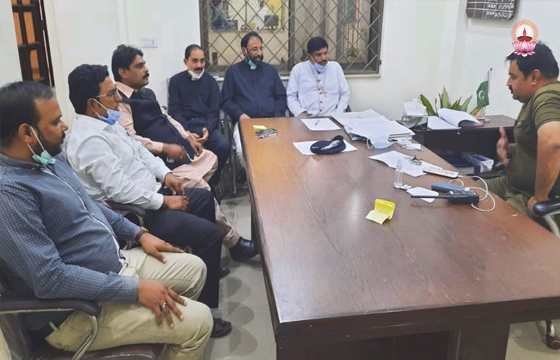
Christian nurses saved from mob after blasphemy claim in Pakistan
Two Christian nurses were rescued by police-men from an enraged mob after being accused of blasphemy by their hospital’s staff in Pakistan.
Staff nurse Mariam Lal and student nurse Newish Urooj were detained by police after a first information report (FIR) under section 295-B of the blasphemy law was made by Dr. Mirza Muhammad Ali of Civil Hospital, Faisalabad.
“Labbayk ya Rasool-Allah [Here I am at your service, O Messenger of Allah]” and “Be-heading the only punishment for blasphemer” chanted protesters gathered on April 9 in the emergency department of Civil Hospital. One of them kicked Lal as she entered a police van.
Muhammad Waqas, a ward boy in the hospital, confessed to wounding Lal in a knife attack.
“That filthy daughter of a bitch, a Christian staff, tore away a sticker inscribed with Durood Shareef [a salutation for Prophet Muhammad] from the cupboard,” he said during a meeting with hospital officials.
“I asked her why she did it. A Muslim can’t keep quiet against blasphemy to his prophet. You are all Muslims. I attacked her with a knife, wounding her arm. I would have killed her. My life is to serve.”
Section 295-B of the blasphemy law stipulates that defiling a copy of the Quran is punishable by life imprisonment.
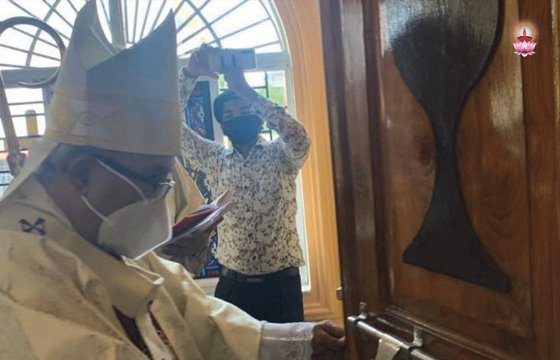
St. Teresa of Kolkata church blessed at Dumdum
A church dedicated to Saint Teresa of Calcutta was blessed on April 10 at the outskirts of north Kolkata amid pandemic restrictions. Archbishop Thomas D’Souza of Calcutta, who blessed the church, expressed his joy at the completion of the church building. Vicar general Father Dominic Gomes and Father Anthony Rodricks, dean of North 24 Parganas were among the priests who concelebrated.
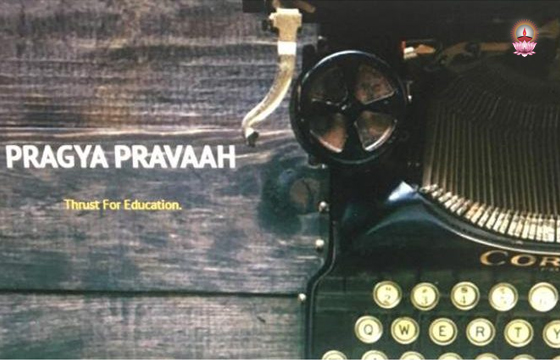
Educationist arrested for blog on ideals of Vedas, Jesus
The Madhya Pradesh police have arrested an educationist for writing a blog on the ideals of secularism with a blend of spirituality in context of Vedas and Lord Jesus.
The FIR was registered at Narayangarh Police station against Rajendra Prasad Dwi-vedi, a resident of Bhopal and a former District Education Officer, in November 2020 on the complaint of Suresh Sahu, a lawyer and Rashtriya Swaya-msevak Sangh (RSS) activist.
Sahu, a resident of Nara-yangarh of Mandsaur district in his police complaint alleged that Dwivedi has outraged his religious feelings by showing Hinduism in poor light in his blog. Police on April 4 booked Dwivedi under several sections of the Indian Penal Code and sent him to judicial custody.
Sahu further alleged that Dwivedi’s blog ‘Pragyapra-vaah.in’ is in resemblance of RSS’s Prajnapravah.com, a portal that propagates the ideas of Hinduism and nationalism, and he has been publishing articles that propagates the ideas of Christianity.
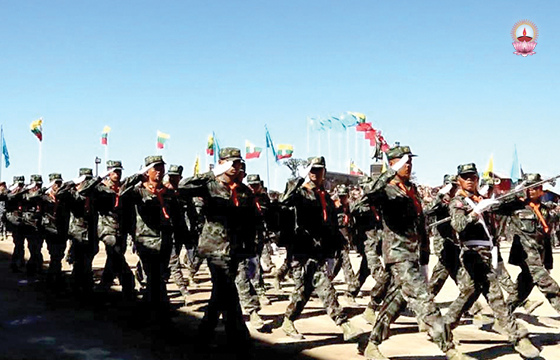
Myanmar’s military is waging war on its citizens. Some say it’s time to fight back
From a fenced-off compound close to the Myanmar border in northern Thailand, a rebel leader offers a bleak view of Myanmar’s future, as the country is cleaved apart by a military coup.
The possibility of a deepening civil war in Myanmar is “high,” Gen. Yawd Serk said from his administrative base in Chiang Mai province. “The world has changed. I see people in the cities won’t give up. And I see (coup leader) Min Aung Hlaing won’t give up. I think there is possibility that civil war might happen.”
Yawd Serk is an old hand at confronting military rulers. He is chairman of the ethnic minority political organization Restoration Council of Shan State (RCSS) and founder of its armed wing, the Shan State Army (SSA), which controls large pockets of land in Myanmar’s east. His is one of more than two dozen ethnic armed groups that have been fighting against the Myanmar military — know as the Tatmadaw — and each other in the country’s borderlands for greater rights and autonomy, on and off for 70 years.
Since the military seized power on February 1, deposing the elected government of Aung San Suu Kyi, many of these rebel groups — including the RCSS — have expressed support for non-violent nationwide protests against junta rule, and condemned the indiscriminate brutality and deadly use of force inflicted on Burmese civilians by junta-controlled soldiers and police.
But as security forces continue their deadly campaign, there are signs the country is reaching a turning point where rebel groups could engage in renewed conflict, while some in the protest movement start to push for armed resistance in a bid to defend themselves.
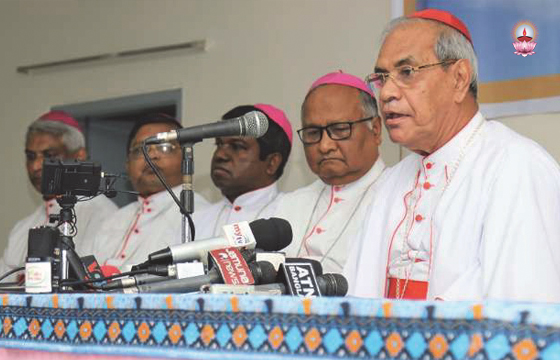
Bangladesh bishops urge dialogue to solve Myanmar crisis
Catholic bishops in Bangla-desh have denounced deadly violence in Myanmar as scores of people continue to be killed in the crackdown on nationwide anti-coup protests.
In a statement issued by the Justice and Peace Commission of the Catholic Bishops’ Con-ference of Bangladesh (CBCB), the prelates expressed solidarity with the Myanmar people’s aspirations for an end to military rule and the restoration of democracy through dialogue.
“We call on the military junta of Myanmar to be sensible and to sit with the relevant people for dialogue in order to solve this political crisis of the country, instead of shooting their own fellow citizens. We join the Church in Myanmar in prayers and adorations seeking God’s love and mercy on the people and nation of Myanmar,” said the statement released on April 6 and signed by Bishop Gervas Rozario, chairman of the commi-ssion.
“We the Catholic Church in Bangladesh are the close neigh-bours of the Church in Myanmar, express our support and solidarity with the people and the Church in that country. We too share the pain and suffering of the peace-loving people of Myanmar who only want the democracy back, nothing more.”
The protests over the coup have been the largest since the so-called Saffron Revolution in 2007. The protesters include teachers, students, lawyers, bank officials and government work-ers. Christians of all denomina-tions have taken to the streets with their fellow citizens.
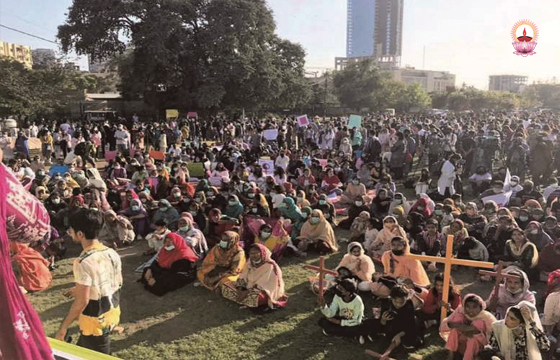
Anger over ‘sexist’ reporting of women in Pakistan
Rights groups and journalist bodies in Pakistan have conde-mned a daily newspaper for pub-lishing an abusive commentary about participants in an annual women’s march.
“Fourteen countries have the highest rape cases of women. The randies [whores] of Aurat March can’t see these non-Muslim countries,” stated the front-page article in Ummat, an Urdu-language newspaper in Karachi.
“Why don’t they abuse re-ligions like Christianity, Hindui-sm and Buddhism of the majority populations of these countries? Why does their voice rip apart while criticizing their teachings?”
Father Nasir William, dire-ctor of the Commission for Social Communications in Islamabad-Rawalpindi Diocese, slammed the controversial commentary.
“It is unethical to use such words in media. They reflect personal enmity, ignorance and stupidity. There are other ways for criticism,” he told.
“However, the women are risking their dignity by protesting on roads and going against the male-dominant culture. Rights cannot be achieved on such plat-forms. We discourage nuns from protesting on roads. They are different from other women.”