
UCF Urges Modi to Ensure Peaceful Christmas Celebrations Across India
Pope Leo XIV: No Room for Resignation in Building Peace amid War
Pope Leo XIV appoints Dominican Fr. Serge-Thomas Bonino as Theologian of the Pontifical Household
Catholic Sisters Help Children Living with HIV Build a Better Future
Faith Brings New Hope to Assam Village Once Known for Alcoholism
Cardinal Tagle: Friendship reveals the face of Jesus and the Church
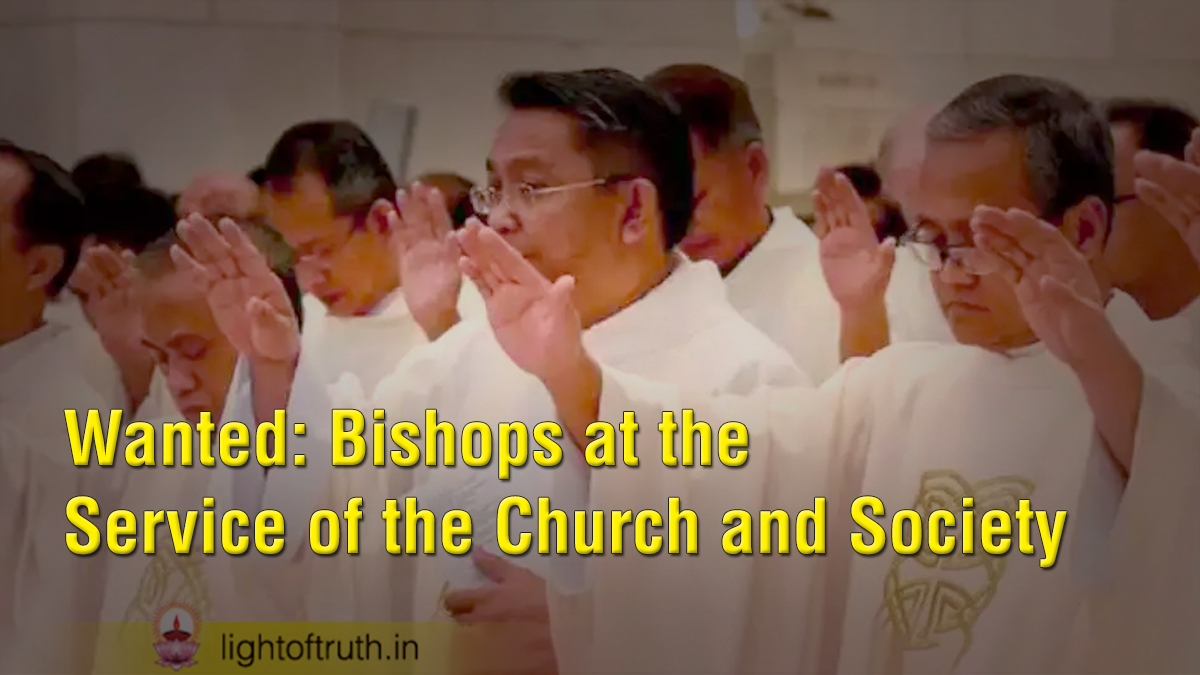
‘When we have a bishop who truly loves the poor, then we will have pastors who tend the sheep and feed the lambs’. Recently, I had the chance to talk to a religious priest who had spent more than five decades serving poor communities. Among other things, I was surprised when he shared that it was so easy to get spoiled and be selfish as a religious priest, especially given the clericalist mind-set of many of the laity and even the clergymen themselves.
He told me that perhaps the reason why he was still alive was that God wasn’t done with him yet, considering his frailties and all the mistakes he had made in the past. He jokingly said that his retirement was his “purgatory.” That got me thinking about the kind of ordained ministers, especially bishops, we need in the Philippines. At present, there are eight sedes vacantes in the country – local churches that don’t have a bishop.
The Apostolic Vicariate of Jolo, for instance, has had no bishop since September 2025. I can only surmise that Rome is exercising due diligence in appointing the next bishops of those vacant sees. If I were to be consulted by Rome and asked what kind of bishop is needed in the Philippines, I would suggest that he should have three qualities.
First, the Church needs a bishop who has a genuine love for the poor. He does not simply stay in his air-conditioned office and convento attending to the administrative affairs of his diocese but goes out of his way to visit and talk to the poor and get to know them.
Second, a bishop needs to be prophetic, a servant-leader who denounces situations and structures of injustice and oppression, wherever they are found, and discerns and proclaims God’s will and promises in our broken world. We should not have a bishop who cozies up to the political and economic elite but neglects the little ones of the Church. Of course, he should maintain a healthy relationship with the powerful. And third, a bishop needs to foster a synodality. At the heart of it is the openness and the ability to listen to other people, even if they have perspectives and ideas different from one’s own, and seek God’s will in the conflicts and messiness of life.


Leave a Comment