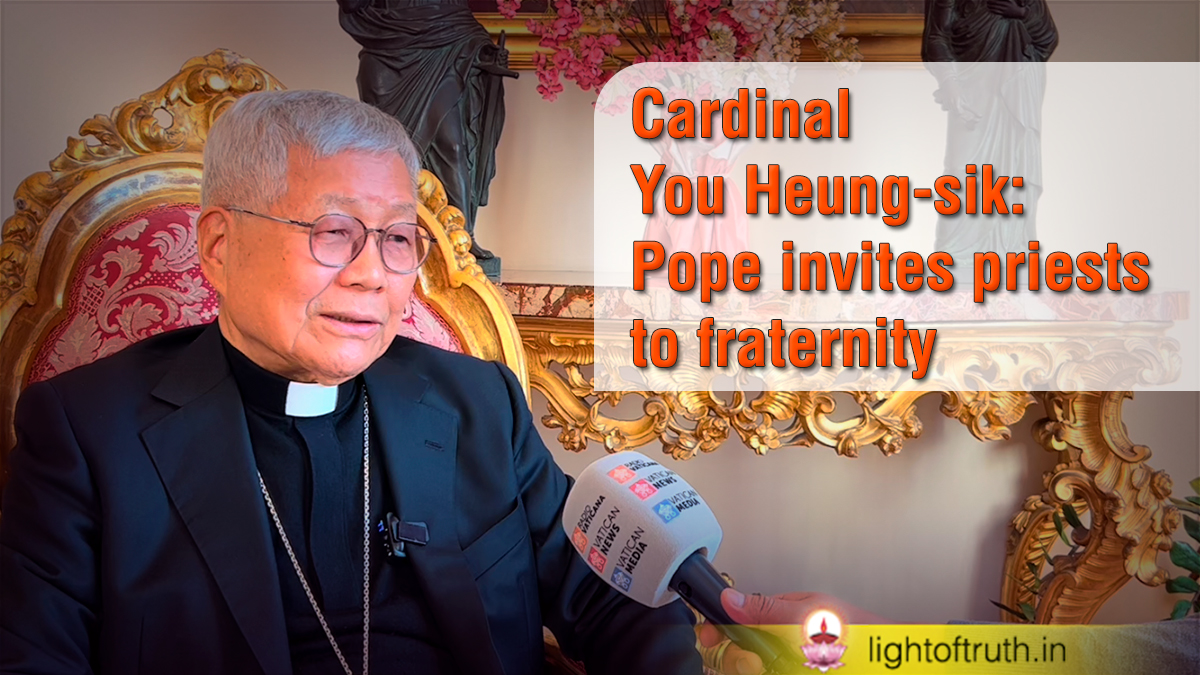
Cardinal You Heung-sik: Pope invites priests to fraternity

Pope Leo XIV’s Apostolic Letter “A fidelity that generates the future” emphasizes that the priesthood is “an indispensable ministry within the mission of the Church,” according to Cardinal Lazarus You Heung-sik, Prefect of the Dicastery of the Clery.

In an interview with Vatican Media, the Prefect says that, in his Letter, the Holy Father indicates the path to “preserve, proclaim, and foster the beauty of a priesthood faithful to Christ, His Word, and the Church,” and calls for “pastoral ‘styles’ that do not seek to diminish or water down the radical proposal of the Gospel, but that proclaim it without fear.” Cardinal Lazarus expressed his deepest gratitude for the Holy Father’s decision to celebrate the sixtieth anniversary of the conciliar decrees Optatam totius and Presbyterorum ordinis, which, albeit from different perspectives, deal with the life of priests, their formation, and ordained ministry. According to the Cardinal the Holy Father’s choice is particularly important, especially at a time when the priesthood can be seen as a legacy of an ancient world destined to disappear or – perhaps because of the many painful scandals – as a vocation that has lost its appeal, its beauty and its relevance. He said that this Apostolic Letter reminds all God’s holy people that the priesthood is a wonderful gift, a very high responsibility, but above all an essential ministry in the mission of the Church as willed by the Lord Jesus.
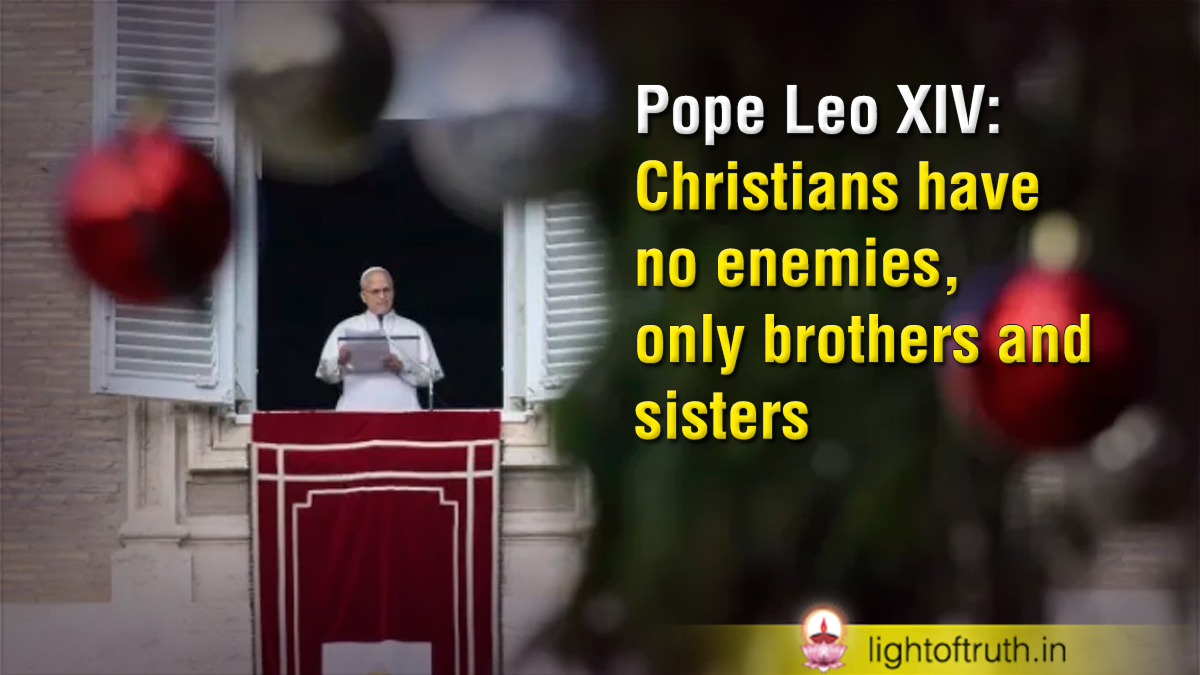
Pope Leo XIV: Christians have no enemies, only brothers and sisters

Pope Leo XIV on December 26 urged Christians to resist the temptation to treat others as enemies, saying the mystery of Christmas calls believers to recognize the God-given dignity of every person, even in their adversaries.

“Christians, however, have no enemies, but brothers and sisters, who remain so even when they do not understand each other,” the pope said on Dec. 26 during his Angelus address from the Apostolic Palace on the feast of St. Stephen, the Church’s first martyr.

Leo acknowledged that “those who believe in peace and have chosen the unarmed path of Jesus and the martyrs are often ridiculed, excluded from public discourse,” and sometimes even “accused of favouring adversaries and enemies.” Yet, he said Christian joy is sustained by “the tenacity of those who already live in fraternity.”

Reflecting on St. Stephen’s martyrdom, the pope noted that early Christians spoke of the saint’s “birthday,” convinced “that we are not born just once” and that “martyrdom is a birth into heaven.” Citing the Acts of the Apostles, Leo recalled that those who witnessed Stephen’s trial and death “saw that his face was like the face of an angel” (Acts 6:15), calling it “the face of one who does not leave history indifferently but responds to it with love.”

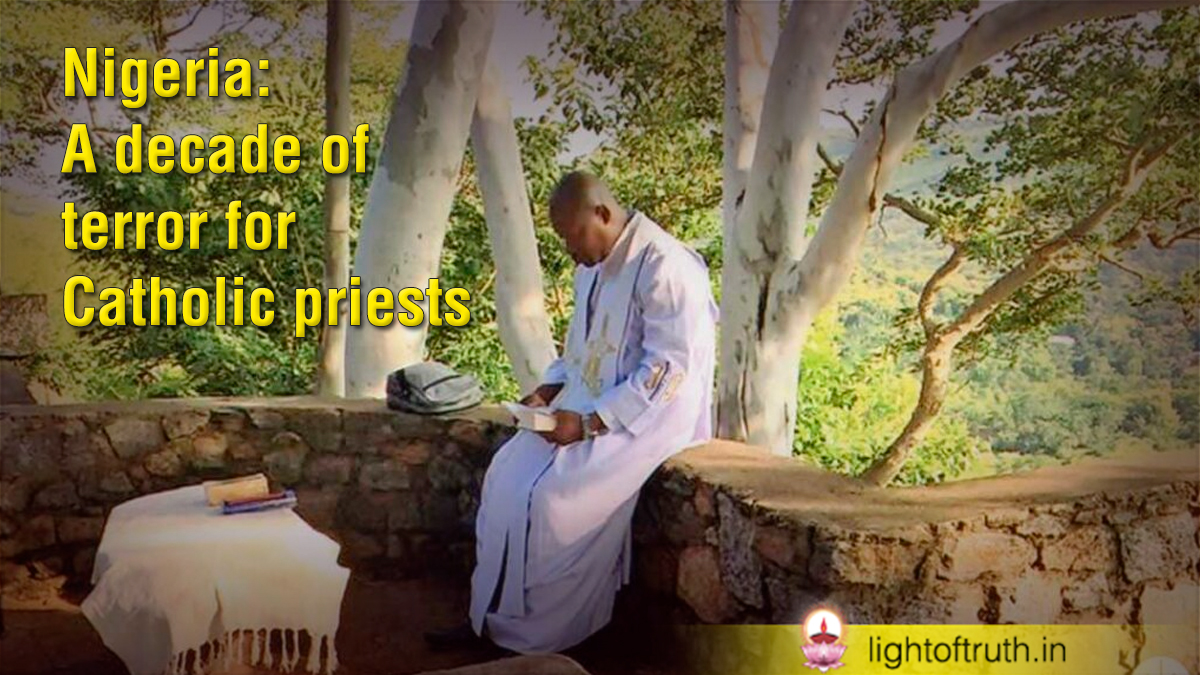
Nigeria: A decade of terror for Catholic priests

Between 2015 and 2025, at least 212 Catholic priests were kidnapped in Nigeria, in a wave of violence that affects the whole country. This is revealed by an ongoing study carried out by the Catholic Bishops’ Conference of Nigeria shared with the pontifical foundation Aid to the Church in Need (ACN).

The research documents kidnappings in at least 41 of the country’s 59 Catholic dioceses and archdioceses. The data is consistent with the findings of ACN’s Religious Freedom Report 2025, which identifies Nigeria as one of the most dangerous countries in the world for clergy and religious leaders.

According to the document sent to ACN, of the 212 kidnapped, 183 were released or escaped, 12 were murdered and 3 later died as a result of trauma and injuries suffered during their captivity. Currently, at least 4 kidnapped priests remain in captivity: Father John Bako Shekwolo, Father Pascal Bobbo, Father Emmanuel Ezema, and Father Joseph Igweagu. The report also confirms that at least six priests were kidnapped more than once, highlighting the persistent vulnerability of Catholic clergy. However, the real number of cases is certainly higher. Data from 18 dioceses has not yet been submitted, and ACN has independently recorded isolated kidnapping cases during the last years in at least five other dioceses not covered in the study so far. In addition, the report does not include incidents involving religious orders and congregations.