- Louis
The “Puthuppally Model” of election campaigning has become a fresh example of people-oriented politics. Instead of loud rallies, big stages, or expensive publicity, this model focuses on real human needs and direct connection with the people.
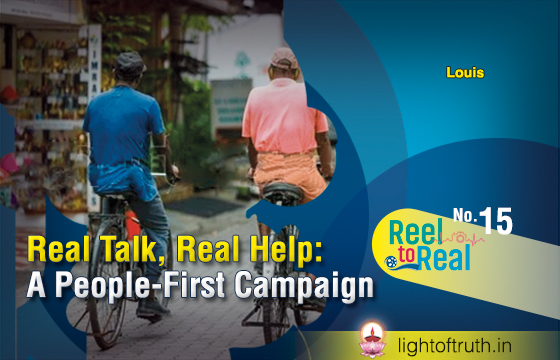
One of the most striking features is the simple and eco-friendly cycling campaign. Traveling on a bicycle, the candidate reached out to people in villages and towns, meeting them face to face. This made the campaign more personal and relatable, especially for the youth, who saw it as a symbol of humility and dedication.
In this model, campaign funds are not wasted on flex boards, plastic posters, or grand closing events. Instead, the money is used for social welfare activities like building houses for the poor, supporting patients, and helping families in need. This creates a deep emotional bond with the people.

True leadership is not about power or show, but about service, understanding, and genuine care for society

Another powerful moment was when members of opposite political parties held protests in front of the candidate’s house. Instead of reacting with anger, the candidate welcomed them with respect and listened to their concerns. This rare gesture showed a spirit of democracy, patience, and mutual respect.
The campaign also focused on simple communication. Rather than big promises, it highlighted real actions that people could see and feel in their daily lives.
The Puthuppally Model shows that politics can be clean, compassionate, and close to the people. It proves that true leadership is not about power or show, but about service, understanding, and genuine care for society.