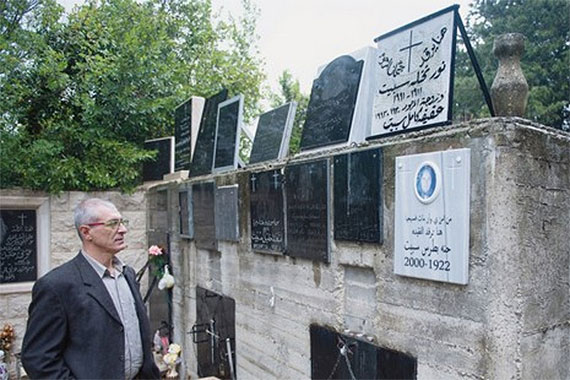
George’s mother is buried at Iqrit in Galilee, near the border with Lebanon. In 1948, the village of Iqrit was declared a military zone by the Israeli state and the inhabitants, all Catholics, were relocated. In 1951, a decision by the Israeli Supreme Court authorized their return. However, the army ignored the decision and completely destroyed the village, with the exception of the church and cemetery. Since 2014, photographer Constance Decorde has regularly visited Iqrit. She bears witness to the struggle of a whole community to regain the right to live in the village of their ancestors.
In some places, they are deprived of the right to build or renovate their churches. Elsewhere they are not eligible for social benefits, or to go to university. In most countries of the Middle East, Christians are not citizens like the others.
They are often refused access to top administration posts, in the army or politics. The idea is to prevent them from exercising any power whatsoever over Muslims.
In Egypt, that was why the post of Vice President promised to a Copt by former president Mohammed Morsi, who was close to the Muslim Brotherhood, was changed surreptitiously to “assistant for the political transition” in 2012. In Iraq, the situation is becoming worse. Based on medieval Islamic law, judges are now refusing to admit Christians as witnesses in trials. The urgent need to guarantee their survival in countries where their existence is most threatened should not hide the other struggle of Christians living in the Near East: the fight for citizenship.