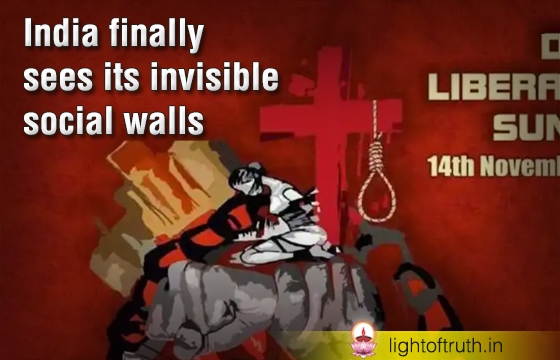
On April 30, the Indian government announced a decision that will reverberate through the nation’s social fabric for genera-tions: the upcoming national census will include comprehensive caste data for the first time since 1931. This watershed policy shift, declared by Federal Information Minister Ashwini Vaishnaw, promises to reshape how India understands and addresses its most persistent social divisions. Since indepen-dence, India’s leaders have deliberately avoided counting caste in national censuses, except for Scheduled Castes and Tribes. The idealistic hope was that by not measuring caste, India might eventually transcend it. Reality proved more stubborn. Caste has remained a powerful force in Indian life – influencing marriages, job opportunities, political alliances, and educational access. The absence of data did not diminish caste’s impact; it only made addressing caste-based inequalities more difficult. For religious minorities, including Christians, the census represents both promise and uncertainty – a chance for greater visibility and inclusion, but also potential vulnerability in a political climate often charged with religious tensions. For all Indians, it offers a more honest reck-oning with social realities that have persisted despite decades of constitutional commitments to equality. In choosing to count caste after decades of avoidance, India acknowledges a fundamental truth: meaningful progress requires honest confrontation with social realities, however uncomfortable. If imple-mented with integrity and sensitivity to the complex interplay of religious and caste identities, the census could mark a significant step toward the more equitable and inclusive society that India’s founders envisioned.

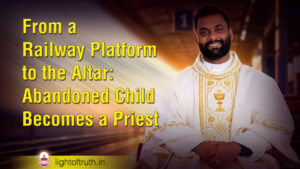
From a Railway Platform to the Altar: Abandoned Child Becomes a Priest
Twenty-eight years ago, a frightened five-year-old boy was found alone at Shoranur railway station. He had no memory of his parents or a family to