- Sanjose A Thomas
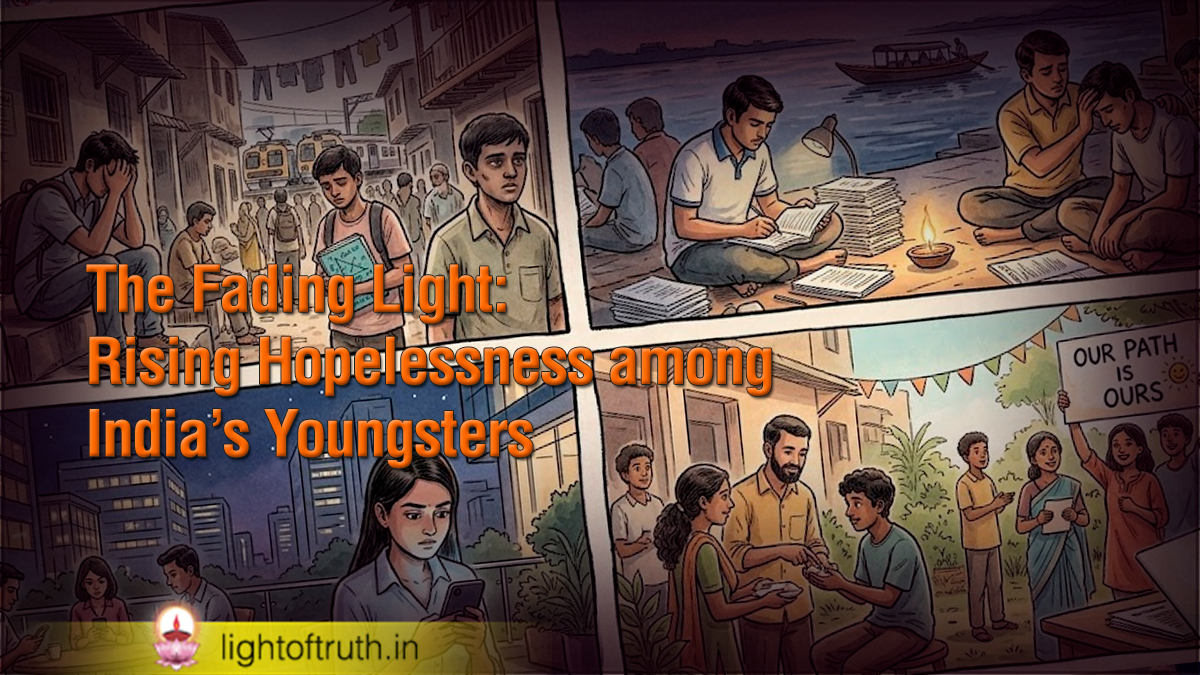
 In the bustling streets of Mumbai, the serene ghats of Varanasi, and the tech corridors of Bengaluru, a silent shadow looms over India’s youth. Once celebrated as the torchbearers of the world’s largest demographic dividend, millions of young Indians today grapple with a profound sense of hopelessness. This is not merely a personal struggle but a national crisis, woven from threads of intense academic pressure, economic uncertainty, social media’s relentless glare, and eroding traditional support systems. As dreams collide with harsh realities, the vibrant energy of youth is dimming, replaced by despair that demands urgent attention.
India boasts over 600 million people under the age of 25, a reservoir of potential that could propel the nation to global leadership. Yet, this very demographic is faltering. Studies reveal alarming trends: approximately 20-25% of Indian youth suffer from mental health issues like depression, anxiety, and suicidal thoughts. In schools, the prevalence of depression among adolescents hovers around 26%, with anxiety affecting nearly 14%. For those in higher education, the figures are even starker—nearly 70% report moderate to high levels of anxiety and distress. The roots of this hopelessness run deep. Academic pressure stands as a towering culprit. The race for seats in premier institutions through exams like NEET and JEE has become a gauntlet of anxiety. Coaching hubs like Kota witness tragic stories year after year-students ending their lives over a single setback, leaving behind notes of exhaustion and self-doubt.
Unemployment compounds the wound. Despite economic growth, youth unemployment remains stubbornly high, with educated youth disproportionately affected. Many graduates find themselves in a limbo of underemployment or gig work that offers little security or fulfilment. Familial expectations amplify this: parents who sacrificed much pin their aspirations on their children, turning ambition into a burden. In a culture that prizes stability, the fear of failure breeds a quiet resignation.
Social media, the double-edged sword of connectivity, intensifies isolation. Constant comparison fosters inadequacy. Filtered lives and viral trends create an illusion of perfection, leaving real struggles unvoiced. The post-pandemic world added layers of uncertainty-disrupted education, economic shocks, and a digital overload that blurred boundaries between rest and relentless performance. Ultra-processed foods and early smartphone exposure further erode mental resilience, as noted in recent global assessments of Indian youth. Hopelessness manifests in subtle yet devastating ways. Sleep-deprived nights, strained relationships, diminished focus, and a pervasive emotional numbness.
Yet, amid the gloom, glimmers of resilience endure. Stories of young entrepreneurs leveraging technology, community initiatives fostering dialogue, and students advocating for mental health awareness remind us of untapped strength. The National Education Policy 2020 hints at reform—emphasizing holistic development, vocational training, and reduced rote learning—but implementation lags. Schools and colleges must integrate mental health curricula, train counsellors, and build supportive ecosystems rather than pressure cookers.
Families hold immense power. Shifting from conditional love tied to achievements to unconditional acceptance can rebuild self-worth. Open conversations about failure as a stepping stone, not an endpoint, are vital. Communities can revive mentorship traditions, where elders guide without judgment. On a systemic level, bridging the skills gap is critical. Aligning education with industry needs, expanding apprenticeships, and promoting entrepreneurship can restore agency. Governments, NGOs, and corporations must collaborate on accessible counselling, destigmatizing help-seeking, and creating meaningful jobs. Digital platforms for anonymous support could reach those hesitant to speak openly. Policymakers should monitor and address regional disparities, ensuring rural and underserved areas are not left behind.
The beauty of India’s youth lies in their diversity, creativity, and quiet determination. Rekindling hope requires collective will—a tapestry of empathy, reform, and opportunity. Imagine a future where young Indians pursue passions without fear, where setbacks fuel growth, and where mental well-being is as prioritized as material success. This crisis is not inevitable. By confronting it with compassion and courage, India can transform hopelessness into a catalyst for renewal. The light within its youngsters can shine brightly once more, illuminating a path not just for them, but for the entire nation. It begins with listening, understanding, and acting—before another dream fades into the twilight.