- H. Excellency Dr. Mathews Mar Polycarpos
Bishop of Mavelikara
 1. The Easter Proclamation: Life Stronger than Death
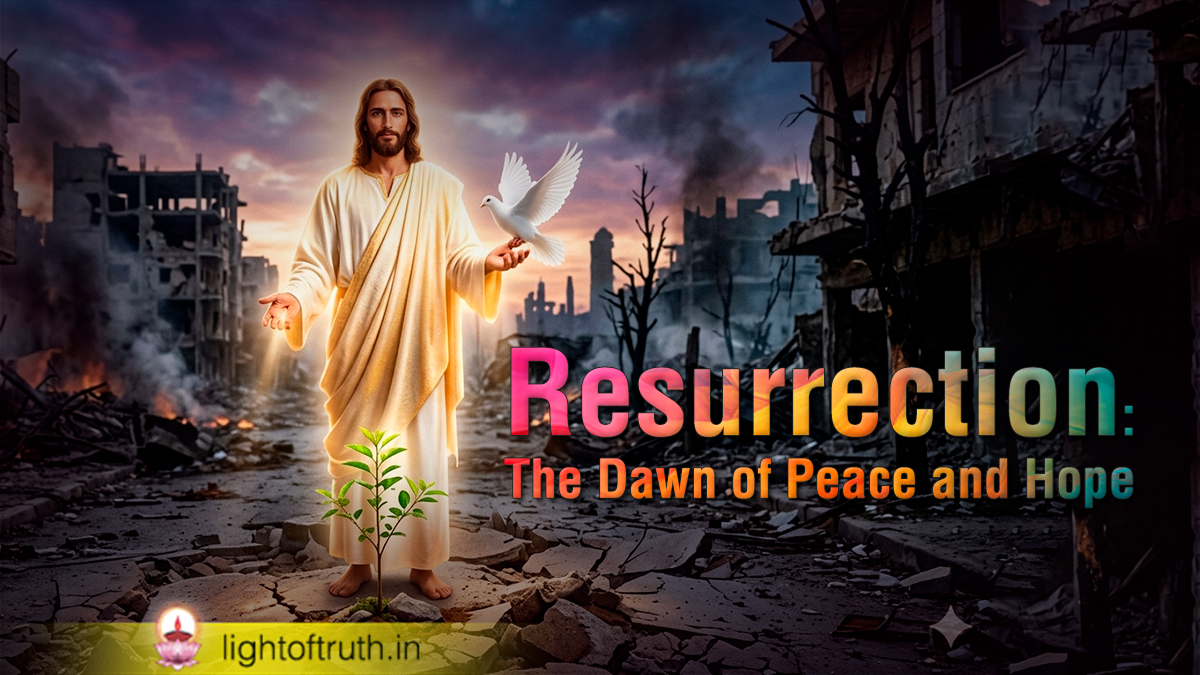
At the very heart of the Christian faith stands the proclamation of Easter: Christ is risen! The Resurrection of Jesus Christ is not merely a miraculous event remembered annually in the liturgical calendar; it is a decisive act of God that overcomes sin, despair, violence, and death. Easter proclaims that even the darkest moments of human history do not have the final word. God’s response to the violence and suffering of Good Friday is the peace and new life revealed on the morning of the Resurrection.
The Gospel narratives present a world that in many ways resembles our own. Jesus lived within a social and political context marked by oppression, tension, and uncertainty. Judea was under the rule of the Roman Empire, whose power shaped the daily lives of the people. Crucifixion, the method by which Jesus was executed, was not merely a punishment but a brutal instrument of political control used to instil fear and suppress rebellion.
Against this background of domination and insecurity, the ministry of Jesus unfolded. He proclaimed the Kingdom of God, challenged injustice, and called people to a radical vision of love, mercy, and reconciliation. Yet the forces of political authority and religious opposition eventually converged against Him. When Jesus was arrested, condemned, and crucified, it appeared that injustice had triumphed. The disciples who had once followed Him with hope and enthusiasm were overcome with fear and confusion.

True peace requires justice, solidarity, and respect for the dignity of every human person. Pope Francis frequently emphasized this dimension of Christian discipleship. In Christus Vivit, he encour- ages young people to build a more just and compassionate society inspired by the hope of the Re-surrection.

However, Easter morning radically transformed this apparent defeat. The empty tomb signaled not failure but divine victory. As the angel announces: “He is not here; for he has been raised” (Matthew 28:6). The Resurrection reveals a profound theological truth: Human violence cannot extinguish the life that God gives. What appeared to be the triumph of death becomes the beginning of a new life. The Catechism of the Catholic Church emphasizes the central role of the Resurrection in Christian faith. It states: “The Resurrection of Jesus is the crowning truth of our faith in Christ” (CCC 638). Thus, the proclamation “Christ is risen” is not merely a statement about the past. It is a declaration about the meaning of history itself. It affirms that God’s promise of life remains active in the world and that hope grounded in the Resurrection continues to illuminate even the darkest moments of human experience.
2. The Risen Christ: The Prince of Peace
One of the most striking features in the Resurrection narratives is the greeting of the risen Lord. When Jesus appears to His frightened disciples, His first words are not of reproach or judgment but a simple blessing: “Peace be with you” (John 20:19). In the biblical tradition, peace (shalom) signifies far more than the absence of conflict. It refers to wholeness, harmony, reconciliation, and the fullness of life that God desires for humanity. By greeting His disciples with peace, the risen Christ fulfils the ancient prophetic vision of the Messiah who would bring true peace to God’s people.
Without rebuking the disciples for their weakness, He simply stands among them and transforms their fear into hope. This encounter reveals an important truth: Authentic peace does not originate from political agreements or military victories, but from transformed hearts.
The circumstances surrounding this greeting are deeply significant. The disciples were gathered behind locked doors, paralyzed by fear. The trauma of the crucifixion had shattered their hopes, and they feared persecution. Their situation mirrors the experience of countless people today who live in societies overshadowed by violence, oppression, and uncertainty. Into this atmosphere of fear, the risen Christ enters and offers peace. Without rebuking the disciples for their weakness, He simply stands among them and transforms their fear into hope. This encounter reveals an important truth: Authentic peace does not originate from political agreements or military victories, but from transformed hearts.
The Resurrection profoundly changes the disciples. Those who had once been paralyzed by fear become courageous witnesses of the Gospel. Empowered by their encounter with the risen Lord, they proclaim the message of Christ openly despite persecution and suffering. The Catechism explains that the Resurrection reaffirms everything Christ did and taught: “The Resurrection above all constitutes the confirmation of all Christ’s works and teachings” (CCC 651). Thus, Easter reveals Christ as the Prince of Peace, whose victory over death inaugurates a new era of reconciliation between God and humanity.
3. Easter in a World of War and Violence
The contemporary world continues to experience the tragic realities of war, terrorism, and violence. Conflicts devastate nations, communities are divided, and millions of people are displaced from their homes. Families are separated, lives are lost, and entire societies suffer under the weight of insecurity and fear. In such a context, the Christian proclamation of Easter may appear paradoxical. How can believers speak of hope when violence seems to dominate global events?
The answer lies in the meaning of the Resurrection itself. Easter does not deny the reality of suffering. The risen Christ still bears the wounds of the crucifixion. When He appears to the disciples, He shows them His hands and His side: “Then he showed them his hands and his side. Then the disciples rejoiced when they saw the Lord” (John 20:20).
The wounds remain visible, but they are transformed. They are no longer signs of defeat but signs of victory and love. This reveals a profound Christian truth: God does not overcome suffering by ignoring it but by transforming it through love. The Cross and Resurrection together reveal that suffering and violence do not have ultimate power over human destiny. Throughout history, the Easter message has inspired countless individuals to become instruments of peace. Saints, missionaries, and ordinary believers have dedicated their lives to serving victims of war, caring for the wounded, and promoting reconciliation among divided communities. In this way, the Resurrection continues to inspire movements of healing and reconciliation. Easter does not remain a distant historical event, but becomes a living force that encourages individuals and communities to resist violence and build a world rooted in compassion and justice.
4. Hope: The Central Gift of Easter
Among the theological virtues—faith, hope, and love—hope occupies a central place in the mystery of Easter. The Resurrection forms the foundation of Christian hope. Hope, in the Christian understanding, is far more than simple optimism. Optimism depends on favorable circumstances, but hope rests on trust in God’s promises even in the midst of difficulty.
The Catechism defines hope as “The theological virtue by which we desire the kingdom of heaven and eternal life as our happiness, placing our trust in Christ’s promises” (CCC 1817). Christian hope arises from the conviction that God’s love is stronger than evil and death. The Resurrection assures believers that the destructive forces of sin and violence do not possess ultimate authority over human history.
St Paul expresses this hope in powerful words: “If Christ has not been raised, then our proclamation has been in vain and your faith has been in vain” (1 Cor 15:14). The Resurrection therefore gives believers confidence that every act of love, justice, and reconciliation participates in God’s final victory. Even small gestures of kindness and forgiveness contribute to the unfolding of God’s Kingdom. Easter thus becomes a source of moral courage. It enables Christians to confront violence, not with revenge but with forgiveness and compassion. The hope born of the Resurrection empowers believers to become witnesses of peace in a divided world.
5. The Resurrection and the Transformation of Violence
The Cross and Resurrection together reveal God’s radical response to violence. When Jesus was arrested in the Garden of Gethsemane, Peter attempted to defend Him with a sword. Jesus immediately rebuked him: “Put your sword back into its place; for all who take the sword will perish by the sword” (Mt 26:52). Jesus rejects violence as a means of establishing God’s Kingdom. Instead, He accepts suffering and responds to hatred with sacrificial love. The Cross therefore becomes the ultimate revelation of God’s love. What appears to be defeat is transformed by the Resurrection into victory over sin and death.
The earliest Christians understood this truth deeply. Living within the often violent environment of the Roman Empire, they did not spread their faith through force or political power. Instead, they witnessed to Christ through lives marked by forgiveness, charity, humility, and solidarity with the suffering. Their example demonstrated that the message of Easter is not merely a belief but a way of life. The Resurrection challenges the cycles of revenge that often dominates human history and invites humanity to believe that peace is possible because love is stronger than hatred.
6. Easter and the Mission of the Church
The Resurrection not only comforts believers; it also sends them on a mission. After greeting His disciples with peace, Jesus commissions them: “As the Father has sent me, so I send you” (Jn 20:21). The Church therefore exists as a community of Easter witnesses. Christians are called not only to celebrate the Resurrection, but also to embody its message in the world. In a world wounded by violence, the Church’s mission includes promoting reconciliation, defending human dignity, supporting victims of injustice, and encouraging dialogue and forgiveness. The Church teaches that peace is more than the absence of war. True peace requires justice, solidarity, and respect for the dignity of every human person. Pope Francis frequently emphasized this dimension of Christian discipleship. In Christus Vivit, he encourages young people to build a more just and compassionate society inspired by the hope of the Resurrection.
7. Easter and the Courage to Forgive
Forgiveness is one of the most challenging aspects of the Easter message. In a world where violence often leads to further violence, forgiveness offers a radically different path. After His Resurrection, Jesus entrusts the disciples with the ministry of reconciliation: “If you forgive the sins of any, they are forgiven” (Jn 20:23). Forgiveness does not mean ignoring injustice or abandoning the pursuit of truth. Rather, it means refusing to allow hatred or resentment to determine the future. The Resurrection gives believers the courage to forgive because it reveals that love ultimately triumphs over evil. By practising forgiveness, Christians participate in God’s work of reconciliation and contribute to building genuine peace.
8. Living the Easter Message Today
The celebration of Easter invites Christians to ask a practical question: how can we become witnesses of hope and peace today? The answer begins in everyday life. The spirit of the Resurrection becomes visible when believers choose forgiveness over resentment, promote dialogue instead of division, support those who suffer injustice, and work for reconciliation in families and communities. These actions may appear small, yet the Resurrection teaches that God often works through humble acts to transform the world. The empty tomb itself began quietly, yet it became the starting point of a global movement of faith. In the same way, even small gestures of love and mercy can become seeds of a new and hopeful future.
Conclusion
Easter proclaims a powerful truth: Hope is stronger than despair and peace stronger than violence. The Resurrection of Jesus reveals that the suffering and conflicts of history do not have the final word. Although the wounds of the world remain visible, they can be transformed by God’s love. The risen Christ continues to walk with His people, offering the same greeting He gave to the disciples: “Peace be with you” (Jn 20:19). This peace is not merely a spiritual consolation but a mission entrusted to every believer. By promoting reconciliation, practising forgiveness, and working for justice, Christians become witnesses of the Resurrection in the world. Ultimately, the Resurrection reminds humanity that history does not belong to the forces of destruction but to the God of life. Therefore the Church continues to proclaim with joy and confidence:
Christ is risen.
Peace is possible.
Hope is alive.