All posts by Light of Truth

Kerala Latin Catholic Bishops’ Council Announces New Leadership

Announcing its new leadership, the Kerala Latin Catholic Bishops’ Council (KRLCBC) has named Archbishop Varghese Chakkalakkal as its President for another term. He is the Archbishop of the Calicut Archdiocese and also serves as the President of the Kerala Catholic Bishops’ Council (KCBC).

Bishop Sebastian Thekkethcheril, Bishop of the Vijayapuram Diocese, has been elected as Vice President, while Bishop R. Christudas, Auxiliary Bishop of the Thiruvananthapuram Archdiocese, has been elected as General Secretary. The elections took place during the Bishops’ Council meeting convened on January 9 at the Varapuzha Archdiocesan Curia.

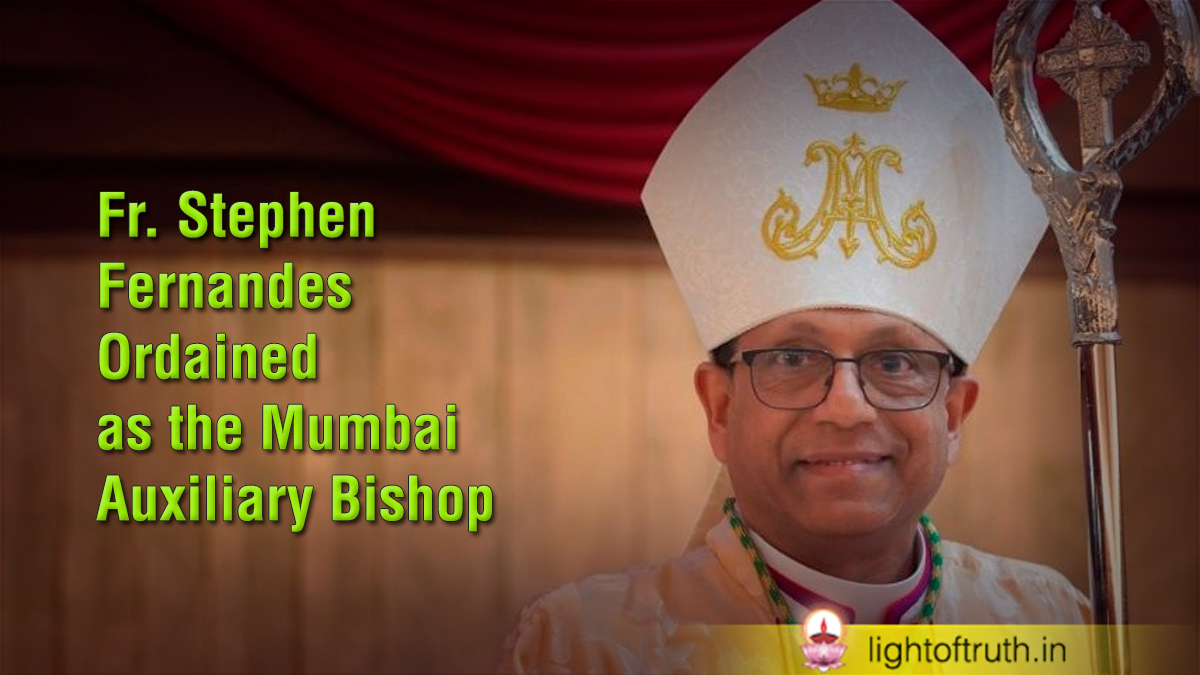
Fr. Stephen Fernandes Ordained as the Mumbai Auxiliary Bishop

A significant chapter unfolded for the Catholic community in Mumbai with the ordination of Bishop Stephen Fernandes as Auxiliary Bishop of Bombay, an event that brought together senior Church leaders, clergy and faithful from across the city. The episcopal ordination took place at Our Lady of Salvation Church, a parish closely linked to the new bishop’s own faith journey. Archbishop Leopoldo Girelli, Apostolic Nuncio to India and Nepal, served as the principal consecrator, assisted by Archbishop John Rodrigues of Bombay and Archbishop Salvatore Pennacchio, former Apostolic Nuncio to India and Nepal and President of the Pontifical Ecclesiastical Academy in the Vatican. More than 30 bishops and archbishops participated in the celebration, including Cardinal Oswald Gracias and Cardinal Filipe Neri Ferrao. Priests, religious, lay faithful and members of the diplomatic community were also present.

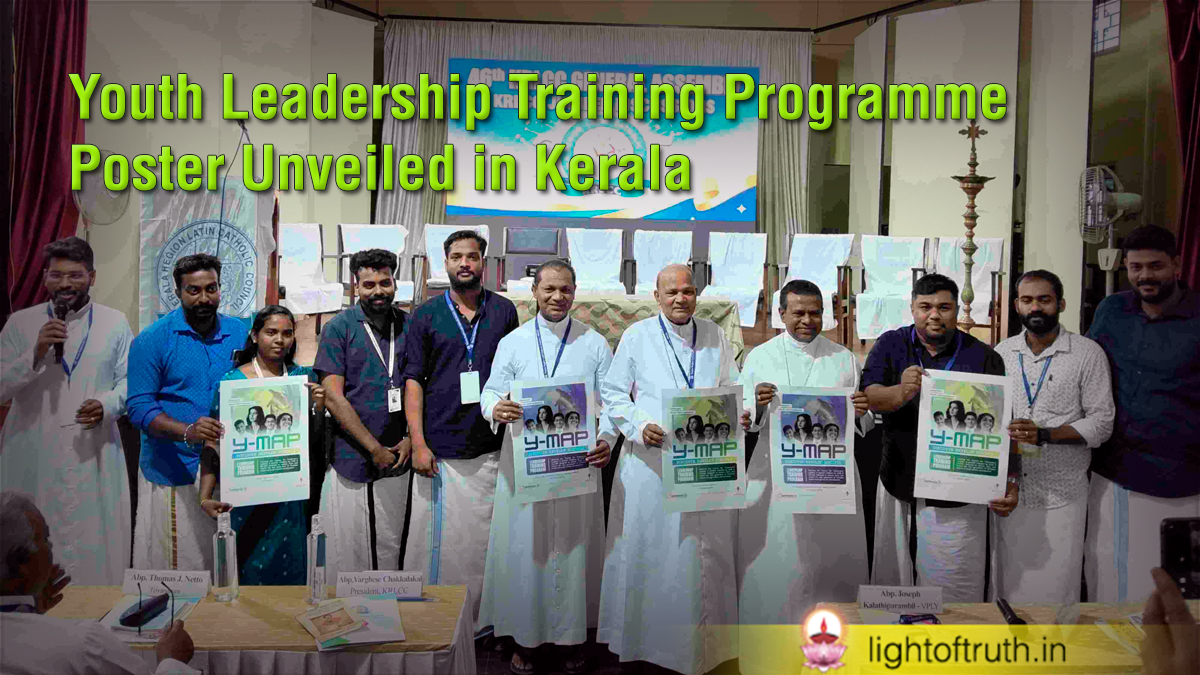
Youth Leadership Training Programme Poster Unveiled in Kerala

The official poster of the Youth Mission Animation Programme (YMAP) was formally unveiled, marking the launch of a new leadership formation initiative for young people across Kerala. Archbishop Varghese Chakkalakal, President of the Kerala Regional Latin Catholic Bishops’ Conference (KRLCBC), released the poster, underlining the Church’s commitment to nurturing youth leadership rooted in mission, service and Christian values.

The programme is organised by the KRLCBC Youth Commission in collaboration with Communio, an initiative of the Conference of Catholic Bishops’ of India (CCBI). YMAP is designed as a structured leadership training platform aimed at empowering young people with a strong sense of responsibility towards the Church and society.

Several Church leaders and youth representatives were present at the launch. Among them were Bishop Christudas Rajappan, General Secretary of the KRLCBC, and Bishop Dennis Kuruppassery, the newly elected Chairman of the KRLCBC Youth Commission. Fr Anoop Kalathithara OSJ, Executive Secretary of the Youth Commission, Mr Paul Jose, President of the Kerala Catholic Youth Movement Latin (KCYM Latin), and youth leaders from different parts of the state also attended.

Organisers announced that the first YMAP residential training programme will be held from January 16 to 18 in Kozhikode (Calicut). The sessions will focus on values-based leadership, mission orientation and active engagement in social and ecclesial life.

Through YMAP, the KRLCBC Youth Commission aims to form a new generation of committed Catholic leaders capable of responding creatively to contemporary challenges while remaining faithful to the Church’s mission. The unveiling of the poster marks the formal beginning of preparations and reflects a renewed emphasis on youth leadership and mission animation within the Latin Catholic Church in Kerala.

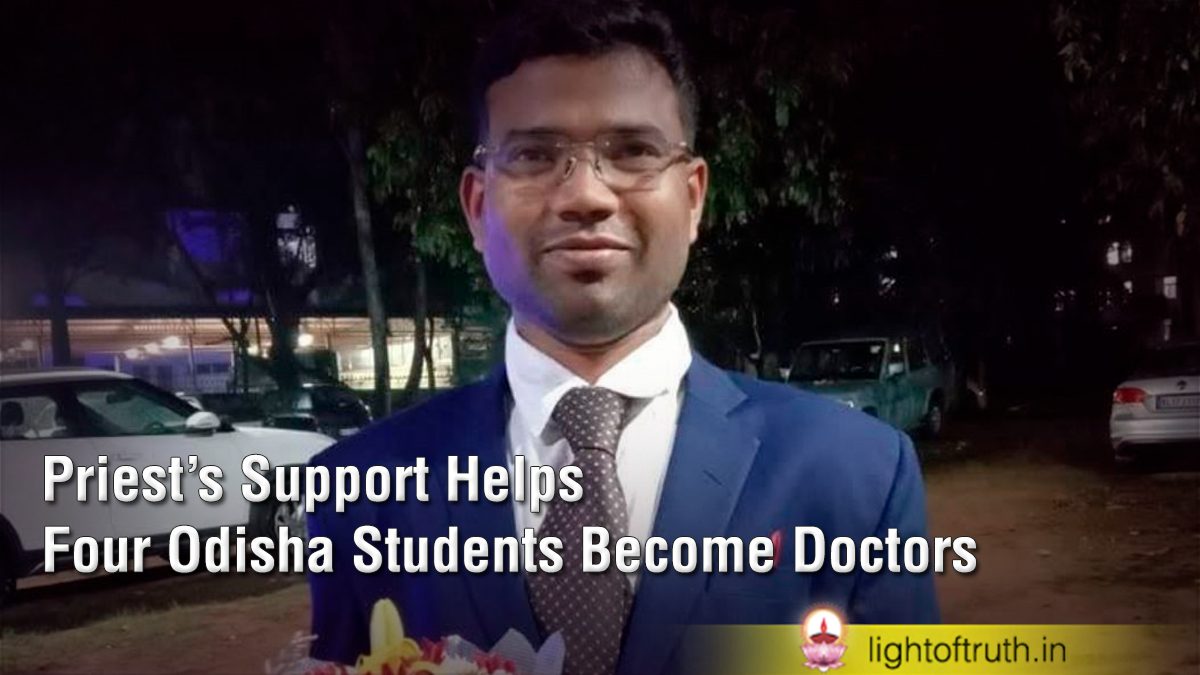
Priest’s Support Helps Four Odisha Students Become Doctors

Financial assistance and long-term mentorship from Father Abraham Karukaparambil have enabled four young men from economically disadvantaged families in Odisha to complete their medical education and begin serving in government healthcare institutions.

Dr. Sailendu Singh, from Alanjuri village in Kandhamal district, said financial hardship almost forced him to discontinue his MBBS studies at St. John’s Medical College, Bengaluru. His circumstances changed when Father Abraham stepped in to support him, contributing nearly ₹1 lakh annually and offering consistent encouragement throughout his academic journey. Singh now serves as a government medical officer at Subarnagiri Community Health Centre in Kandhamal.

Three other students also completed their MBBS with similar support. Dr. Sarada Charan Bardhan from Birikote Parish in the Berhampur Diocese has joined St. John’s Medical College as an orthopaedic doctor while pursuing postgraduate studies. Dr. Kusum Nayak from Gajapati district works as a government medical officer at Subarnagiri Community Health Centre, and Akshya Montry from the Berhampur Diocese serves at Kashinagar Community Health Centre in Gajapati district.

A native of Kerala, Father Abraham has served in Odisha for over three decades, focusing on the education and upliftment of Dalit and tribal communities. He is currently ministering in Texas under the Archdiocese of San Antonio, USA. According to Father Abraham, he presently supports 47 students across India pursuing professional education, including medicine, nursing, pharmacy and other higher studies. Over the years, hundreds of students from financially weak backgrounds have benefited from his assistance, with many now working as doctors, nurses, engineers, teachers and civil servants, including professionals in leading national institutions.

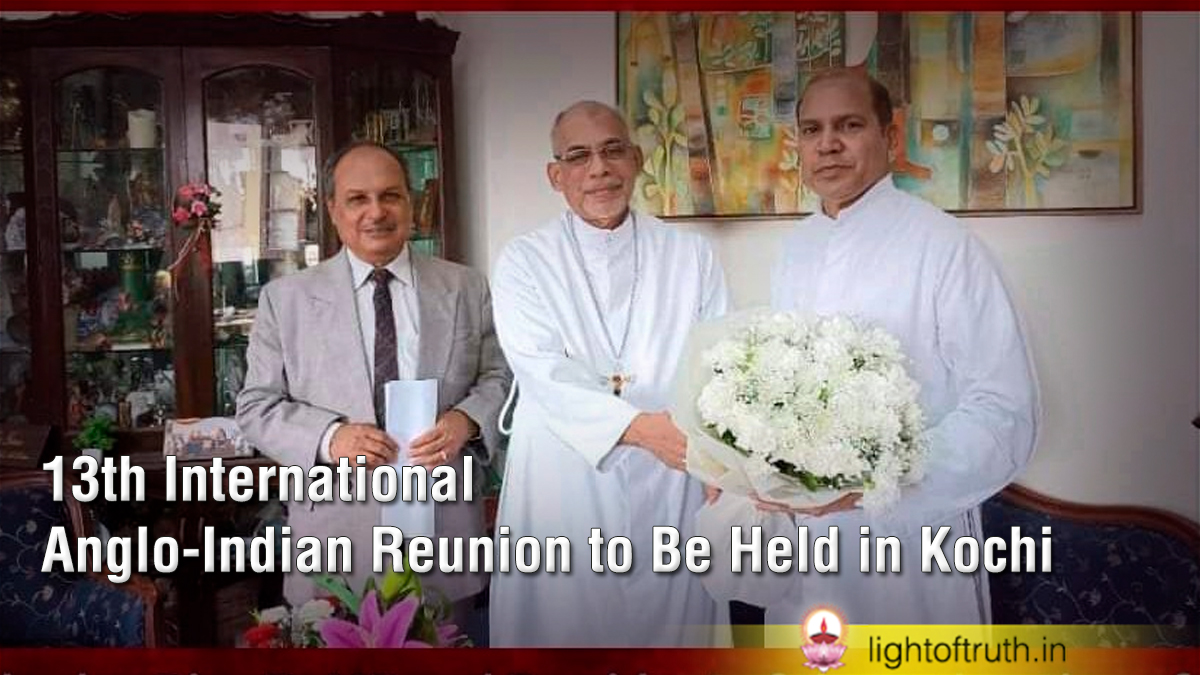
13th International Anglo-Indian Reunion to Be Held in Kochi

Bringing together members of the Anglo-Indian community from across the world, the 13th International Anglo-Indian Reunion 2026 will be held in Kochi, Kerala, from January 11 to 17, 2026, under the theme “Coming Back to Familiar Shores.”

The reunion invites participants to come together and celebrate their shared heritage, culture, and identity, while strengthening ties across borders and forging new memories. A range of events has been planned as part of the week-long gathering, including a Meet and Greet, Symposium, Workshops, Musical Evening, Food Festival, Boat Cruise, and a Grand Ball.

Participants are encouraged to register through the official website to avail of the early bird offer. The reunion is being organised by the Federation of Anglo-Indian Associations in India (FAAI), a member of the International Federation of Anglo-Indian Associations.

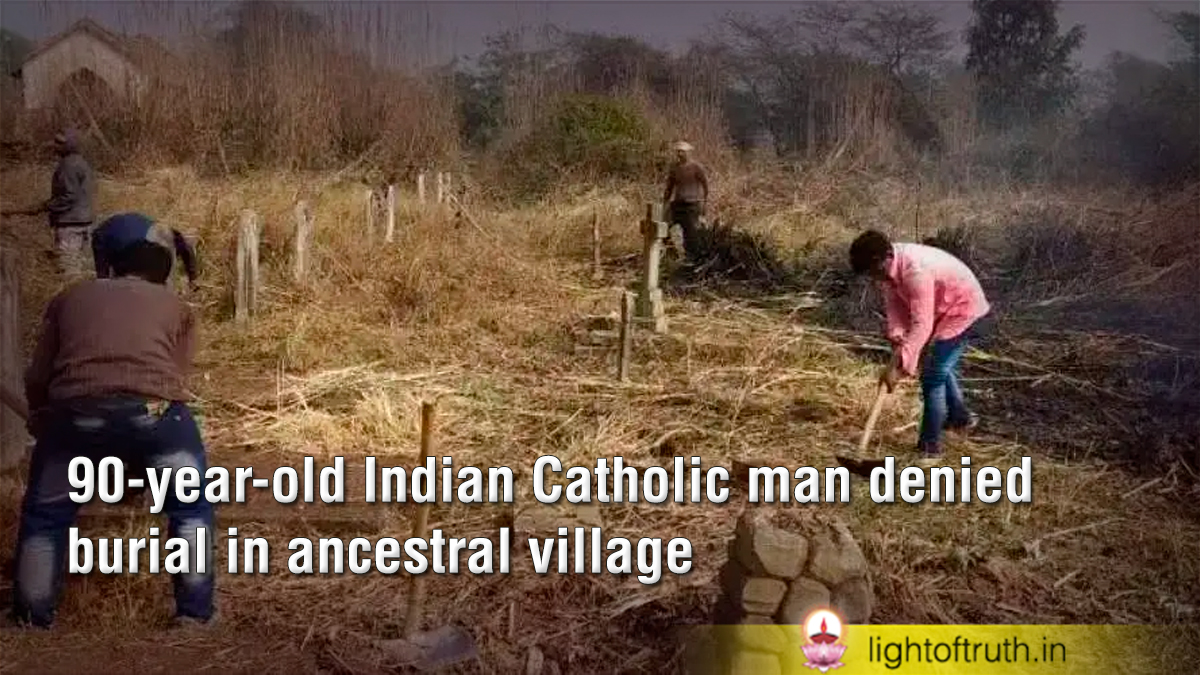
90-year-old Indian Catholic man denied burial in ancestral village

Christian leaders in India’s eastern state of Odisha have expressed concern over growing hostility toward Christians after villagers prevented the burial of an elderly tribal Catholic, forcing his family to conduct the rites several kilometres away days later.

Chhuta Hansda, a 90-year-old resident of Rangamatia village in Balasore diocese, died on January 7. Family members said preparations were being made for a Christian burial when his nephew objected, demanding that Sarna tribal rites be followed instead. Relatives declined, stating that the family had embraced Christianity decades earlier.

According to the deceased’s grandson, more villagers belonging to the Sarna animist tradition joined the protest and blocked the burial unless their rituals were observed. Local police and revenue officials visited the village on January 9 but were unable to resolve the dispute.

“The situation ended painfully for us,” said Binod Hansda, secretary of the Hatigarh Parish Council. “Three days after the death, the family was compelled to take the body to common land about five kilometres away to perform the last rites.”

Bishop Pallab Lima of the United Believers Council Network India confirmed the incident and said similar objections had occurred in the area in recent years. He warned that Christians were increasingly being denied burial rights across parts of the state and called for unity and dialogue.

Christian activist Pratima Minj said comparable incidents had been reported from several tribal districts, describing them as attempts to intimidate believers. Church leaders also alleged that attacks and harassment have increased in the past year.

Bajrang Dal Members Accused of Christmas Vandalism in Raipur Get Bail

Six Bajrang Dal members accused of vandalising Christmas decorations at Raipur’s Magneto Mall were released on bail, an event that soon drew criticism after turning into a public celebration.

The case relates to an incident during the Christmas season in which the group allegedly forced entry into the mall and damaged festive installations, including Christmas trees and decorative ornaments placed in common areas. The act reportedly caused disruption inside the mall and alarmed shoppers and staff, prompting police intervention and the arrest of those involved.

However, the release on bail was followed by scenes outside the premises that sparked controversy. Supporters gathered to welcome the accused with drums, garlands and celebratory music. Videos circulated on social media showed slogans being raised, including “Isai Missionary Murdabad,” which many observers described as provocative and intimidating.

Civil society organisations and minority groups condemned the public display, warning that celebrating individuals accused of vandalism could embolden intolerance and heighten communal tensions. They emphasised that bail does not amount to exoneration and called for restraint and respect for the rule of law.

Police officials stated that the investigation into the Magneto Mall incident is ongoing and assured that legal proceedings will continue in accordance with established procedures. Authorities also appealed to the public to maintain peace and allow the judicial process to take its course.

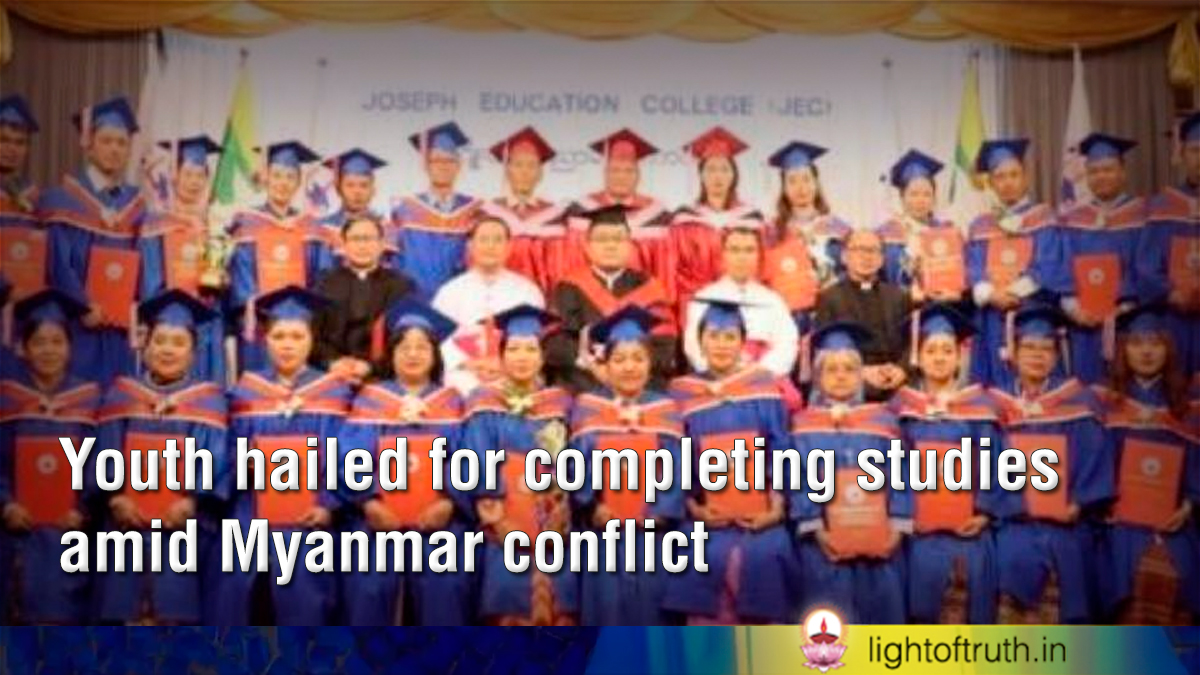
Youth hailed for completing studies amid Myanmar conflict

The head of Myanmar’s only private Catholic educational institution has described the graduation of its latest batch of students as “an act of resilience” amid ongoing armed conflict and instability in the country. The students at St. Joseph’s Institute “have persevered in their studies despite the profound challenges facing Myanmar’s education system,” said Joseph Win Hlaing Oo, director of the facility.

Hlaing made his remarks during the fifth graduation ceremony held on Jan. 10, the Vatican’s missionary news service Fides reported on Jan. 12. During the ceremony, 30 students – three graduates and 27 diploma holders – received their certificates.

More than 700 graduates have completed courses at the institute, which was founded in 2015 and is authorized to grant state-recognized degrees. It was officially recognized as a Catholic institution by the Archdiocese of Yangon in 2021. Bishop John Saw Yaw Han of Kengtung, Auxiliary Bishop Noel Saw Naw Aye of Yangon, among others, attended the ceremony.  

Hlaing pointed out that insecurity and armed conflict within the nation have had a “drastic impact on both enrollment and the very possibility of continuing studies.” “Some students have had to flee their villages to save their lives; others have died in conflict zones,” Hlaing claimed. He noted that, under normal circumstances and given the institute’s interest, the graduating class could have exceeded 100 students. Nearly five million students have been unable to complete their studies, at all levels of education, between 2021 and 2024, Fides reported.

Korean bishops warn against unauthorized Naju Marian shrine

Catholic bishops in South Korea issued a circular warning Catholics from any association with the controversial Marian shrine in Naju, which is not recognized by the Korean Church and the Vatican. The Jan. 12 letter signed by Father Lee Cheol-su, secretary general of the Catholic Bishops’ Conference of Korea (CBCK), said the Vatican’s Dicastery for the Doctrine of Faith issued several notices asking people not to be swayed by those who promote devotion to the Marian shrine in Naju.

The warning followed media reports that Julia Kim Yoon and her followers continue to arrange masses, liturgies, and gatherings in private places to encourage public devotion to unrecognized Marian miracles. Julia Kim founded the Naju shrine, located within the jurisdiction of the Gwangju Archdiocese, in the late 1980s. A Protestant-turned-Catholic mother of four, Julia Kim claimed to have received Marian apparitions beginning in the 1980s.

On June 30, 1985, she claimed that her statue of Blessed Virgin Mary began shedding tears. She also claimed to have been miraculously cured of terminal cancer. Her claims spread, and many started to visit the site, prompting the Catholic Church to launch an investigation into the alleged miracles.

In 1998, then-Gwangju Archbishop Victorinus Youn Kong-hi declared that the reported events were “not of supernatural origin.” The Korean Catholic Bishops’ Conference has also officially rejected the alleged miracles.

In 2024, the Gwangju Archdiocese warned the faithful about Alexander Kim Dae-sik, a priest expelled from the Salesian congregation in 2022, who reportedly continued to celebrate sacraments illicitly at the Naju center. Despite repeated prohibitions, pilgrims from several Asian countries continue to visit Naju, drawn by reports of healing and mystical phenomena not recognized by the Catholic Church.

The letter alleged that Julia Yoon and her followers not only openly defied the Magisterium (Teachings of the Catholic Church) but also confused many people by falsely claiming the Church’s official approval of the so-called “Miracle of Our Lady of Naju” would soon be given, mentioning the names of the Vatican, the Pope, and high-ranking clergy. 

As 2025 was the 40th anniversary of the Virgin Mary statue in Julia’s house shedding tears, they used the occasion “as an excuse to actively spread false propaganda through various media such as Instagram, YouTube, and Facebook,” the letter said.

“What is even more concerning is that many clergy, including bishops from Southeast Asia, are participating in the prayer meetings they hold, and that young people from abroad who are interested in our country are receiving information related to Julia in Naju through online content without identification ahead of the 2027 Seoul World Youth Day,” the letter said.

The letter urged bishops to refer to the Catholic Bishops’ document “Church’s Teachings on the Issues Related to Julia Yoon of Naju” to anyone seeking information about Naju miracles.

Last year, Malaysian Archbishop Simon Poh of Kuching and Singapore Archdiocese warned Catholics from visiting the Naju shrine to avoid “excommunication.”

‘Are you dead?’ The most downloaded app among Chinese people living alone

A new app is now available that lets people confirm that they are alive with a single click. If no such confirmation is received within 48 hours, the app sends a notification to a designated contact. This is how Sileme works, a basic Chinese app that has recently hit the headlines for the high volume of downloads on mobile phones in China, highlighting the plight of millions of Chinese, and not only senior citizens, who live alone in large cities.

The app’s Chinese name is a play on the name of the most popular food delivery app: Ele.me, meaning “Are you hungry?” In Chinese, Sileme sounds very similar to the food delivery app, but means “Are you dead?” Its decidedly blunt name is sparking controversy among some Chinese netizens as they find it too unpleasant and would like it renamed Huo-zhe-me (“Are you alive?”).

But as the semi-official English-language newspaper Global Times notes, most reviews of the app are positive, described as useful not only for the elderly, but also for many young adults who live alone and face certain risks. Among the suggestions for improvement are the addition of heart rate monitoring and automatic alarm detection systems.

Originally launched as a free app, it is now behind a paywall, albeit at the reasonable price of 8 yuan (US$ 1.15). It is also available on the iOS platform for Apple phones outside China under the name Demumu. Today it trended as one of the top two apps most downloaded in the United States, Singapore, and Hong Kong, and among the top four in Australia and Spain in the paid utility app category, likely driven by Chinese users living abroad.

This success has surprised the developers, three men under 30 in Henan Province who last March launched a small business called Yuejing (Zhengzhou) Technical Services Co., with a registered capital of just 100,000 yuan (US$ 14,350). The trio were the first to be surprised by the app’s success. “We feel honoured and deeply grateful to receive such widespread attention,” the team said in a statement.

Are You Dead? describes itself as a “safety company companion… whether you’re a solo office worker, a student living away from home, or anyone choosing a solitary lifestyle”. According to research by real estate institutions cited by the Global Times, by 2030, China could have up to 200 million single-person households, with a rate of living alone exceeding 30 per cent. This segment of the Chinese population no longer includes just older people but also young adults. The greatest danger for this group is that sudden illnesses or accidents may go unnoticed.

These concerns are far from unfounded. Chinese media regularly report cases of people living alone who died in their flats, only to be discovered weeks or even months later, fuelling public anxiety about social isolation. The app thus meets an urgent need, and its very “direct” name immediately highlights the necessity for greater care for those who live alone.