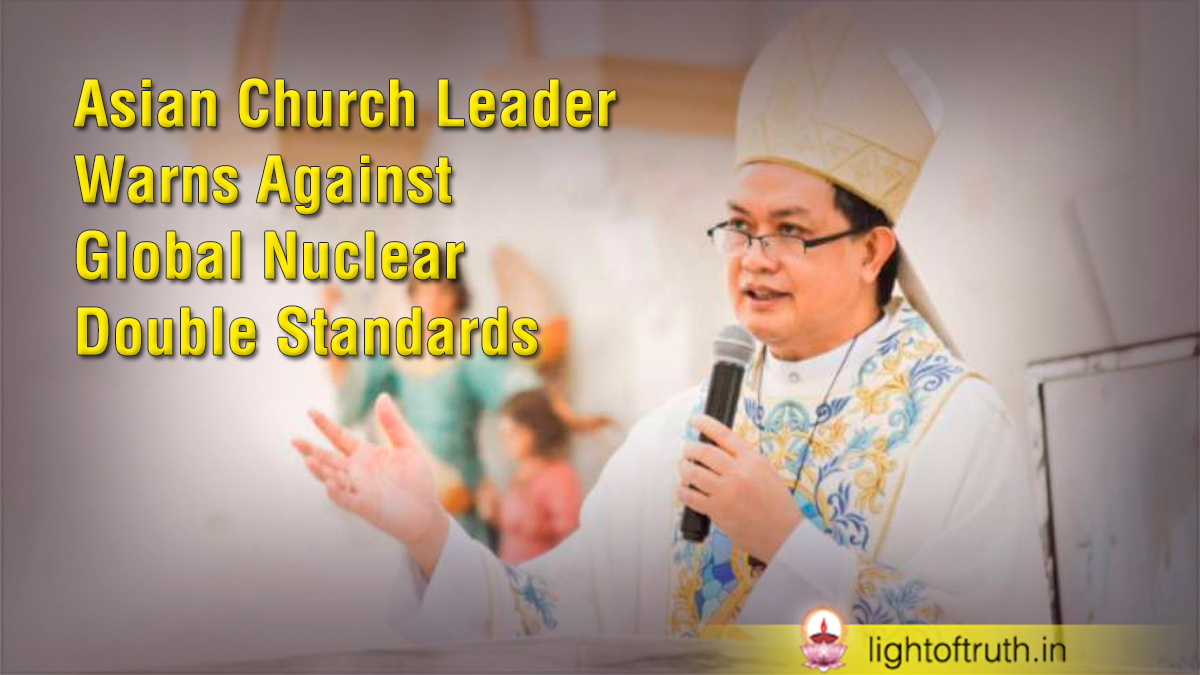
Asian Church Leader Warns Against Global Nuclear Double Standards

A senior Catholic leader in Asia has warned powerful nations not to ask others to show restraint while continuing to maintain huge nuclear arsenals. Cardinal Pablo Virgilio David, vice president of the Federation of Asian Bishops’ Conferences, said such actions weaken global efforts for peace.

Speaking about rising international tensions, the cardinal said it is wrong for powerful countries to preach disarmament while keeping the ability to destroy the world. “That is not disarmament. That is intimidation,” he said. The Church leader heads the Roman Catholic Diocese of Kalookan in the Philippines.

His comments come as conflicts in the Middle East continue to raise global concerns. Reports say that fighting involving Iran and attacks by the United States and Israel have caused heavy damage and civilian deaths. Iranian authorities say more than 1,300 civilians have died and thousands of civilian sites have been bombed.

The cardinal warned that the international system becomes weaker when powerful nations ignore the rules they expect others to follow. He pointed to agreements such as the Treaty on the Non-Proliferation of Nuclear Weapons, which was created to prevent the spread of nuclear weapons and encourage gradual disarmament.

Despite such agreements, thousands of nuclear warheads still exist in the world. Experts say more than 9,600 nuclear weapons remain in active military stockpiles. Major nuclear powers include the United States, Russia, China, France, the United Kingdom, India, Pakistan, Israel and North Korea.

Church leaders continue to urge global powers to work seriously toward peace and nuclear disarmament.

Catholics in South Korea Use “Dice for Peace” to Promote Love and Unity

Catholics in Jeju have started a unique initiative called “Dice for Peace” to encourage people to practice love and peace in their daily lives. The program was introduced by the Jeju Diocese, which has distributed special dice to parishes across the island since the end of February.

During Sunday Mass, a member of the community rolls the dice to choose a weekly action phrase. Instead of numbers, each side of the dice carries a short message inspired by the Gospel. These include phrases such as “Let’s love one another,” “Let’s forgive mistakes,” “Let’s listen to others,” “Let’s love everyone,” “Let’s love first,” and “Let’s love the person next to me now.”

After the phrase is chosen, the congregation promises to live according to that message during the week. The community then sings the phrase together and reflects on how to practice it in daily life. In the following week’s Mass, people share their experiences in families, youth groups, and parish meetings.

The idea was inspired by Living Peace International and the teachings found in The Art of Living by Chiara Lubich, founder of the Focolare Movement.

The initiative also has special meaning for Jeju, which experienced the tragic Jeju April 3 Incident in 1948 when thousands of people were killed during political violence.

Bishop Pius Moon Chang-woo expressed hope that the “Dice for Peace” will help build a culture of peace and encourage people to live the Gospel values of love and forgiveness every day.

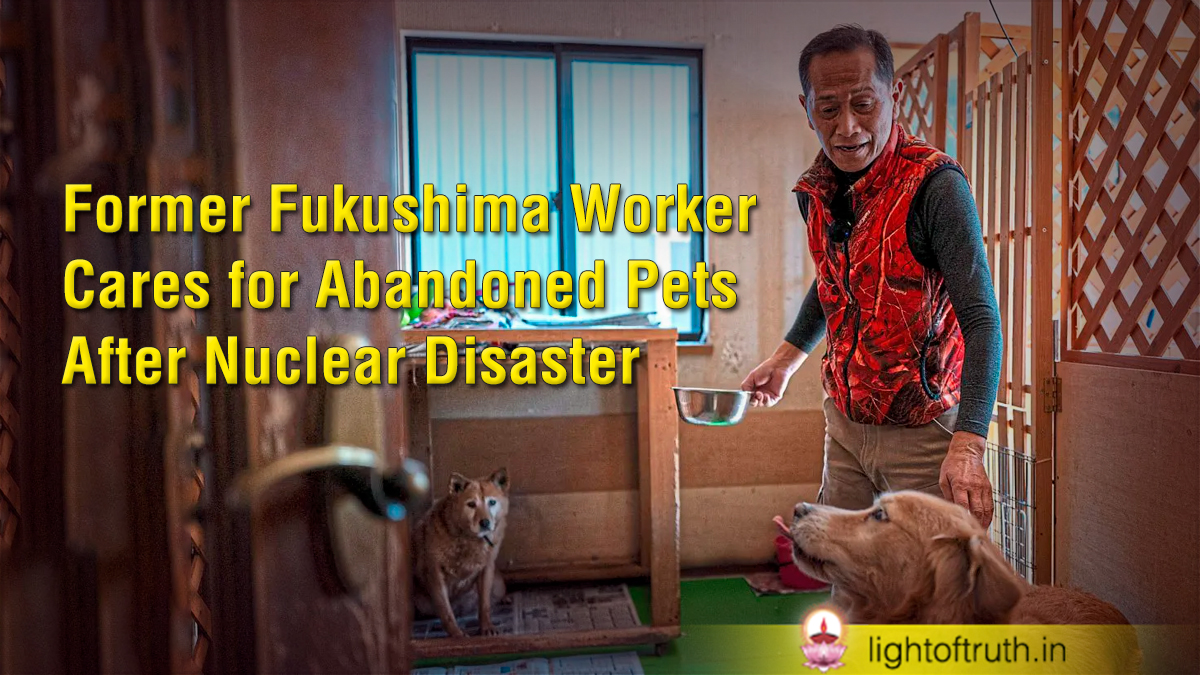
Former Fukushima Worker Cares for Abandoned Pets After Nuclear Disaster

Fifteen years after the Fukushima Nuclear Disaster, a former plant worker in Japan continues to care for animals that were abandoned during the tragedy.

Toru Akama, 63, lives near Fukushima Prefecture and looks after dozens of cats and dogs left behind when residents fled the disaster on March 11, 2011. The catastrophe began with Japan’s strongest recorded earthquake and a powerful tsunami, which killed or left missing about 18,500 people and caused a meltdown at the Fukushima Daiichi Nuclear Power Plant.

Soon after the accident, authorities ordered people to evacuate the area. As families left their homes, many pets were also left behind. Akama remembers seeing hungry dogs and cats wandering the empty streets in search of food.

Feeling responsible because he once worked at the plant, he decided to help the animals. He started by feeding them and later brought many into his home. Over the past 15 years, he has helped find new homes for more than 1,000 animals.

Today, Akama cares for 47 cats and seven dogs. His daily routine includes feeding them, cleaning their cages, and walking the dogs. He has spent much of the compensation he received after the disaster on their care.

Akama says the animals keep him active and give him purpose. He hopes that one day someone will continue his mission of caring for abandoned animals.

Female Doctor’s Killing Raises Concern Over Women’s Safety in Pakistan

The killing of a female doctor in Pakistan has once again raised serious concerns about the safety of women in the country. Dr. Mehwish, known by a single name, was shot dead while returning home from duty in Kohat in the province of Khyber Pakhtunkhwa.

Police said the attack happened early in the morning as she was traveling in a rickshaw after finishing work at the District Headquarters Hospital. Reports suggest the incident may have been linked to an argument at the hospital, where she had asked a male attendant to leave a women’s waiting area.

The tragic death has highlighted the wider problem of violence against women in Pakistan. Government data presented in parliament shows that more than 7,500 women were killed between 2021 and 2024, including over 1,500 so-called honor killings. During the same period, authorities recorded more than 173,000 cases of violence against women, including rape, domestic abuse, harassment, and kidnapping.

Experts believe the real number of cases may be much higher because many victims do not report crimes due to fear, stigma, and social pressure. Studies also show that many married women face violence but never seek help.

Despite growing education and professional opportunities for women, many still feel unsafe in everyday life. Human rights advocates say Pakistan has several laws meant to protect women, but weak enforcement remains a major challenge.

Activists stress that real change will require stronger law enforcement and a shift in social attitudes toward respecting women’s rights and dignity.

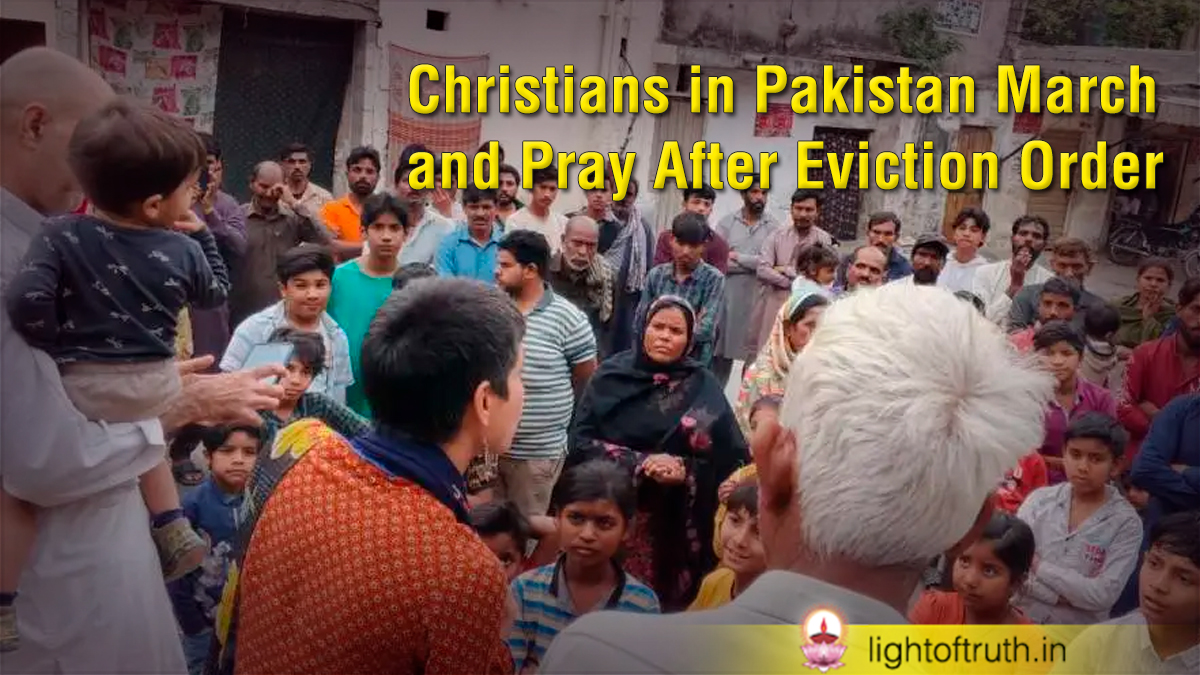
Christians in Pakistan March and Pray After Eviction Order

Thousands of Christians in Islamabad marched through the narrow streets of their settlements on March 11 after authorities ordered them to leave their homes within three days.

The eviction notice was issued by the Capital Development Authority to residents of Rimsha Colony and Akram Masih Gill Colony, where about 25,000 people live. Most of them are Christians. Officials told residents to move out by March 13 and take their belongings, warning that no extra time would be given.

The announcement caused panic among families who fear losing their homes. On the morning of March 12, residents surrounded vehicles from the development authority, forcing them to leave the area.

In response, thousands of Christians held a peaceful march. Carrying a large cross, they walked through the streets singing psalms and shouting “Hallelujah.” The march ended at Awami Church where prayers were held. Church leaders also asked people to fast and pray for the safety of their families and homes.

Human rights groups have strongly criticized the eviction plan. The Human Rights Commission of Pakistan said it was alarmed by the attempt to remove the residents without proper resettlement. The group urged the government to stop the eviction until the families are given safe housing.

Church leaders and Christian organizations are now working with rights groups and political leaders to prevent the forced eviction and protect the community. Many residents say they only want the right to live peacefully in their homes.

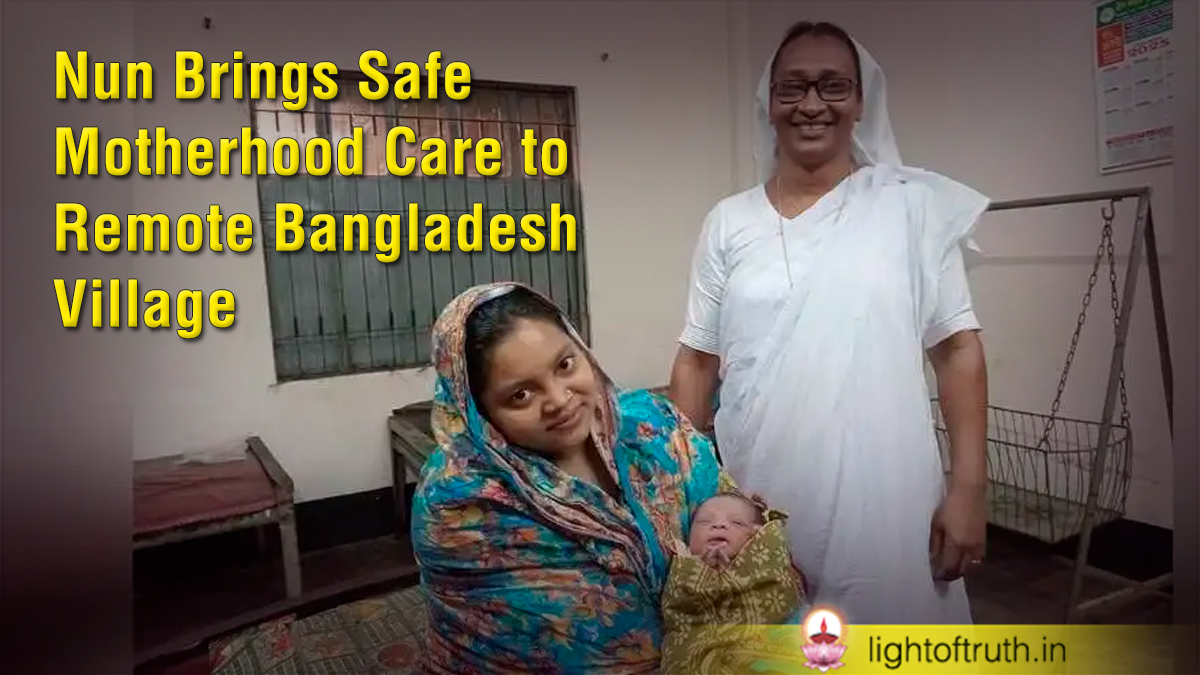
Nun Brings Safe Motherhood Care to Remote Bangladesh Village

In a remote area of southern Bangladesh, where well-equipped hospitals are difficult to find, a Catholic nun has become a source of hope for many pregnant women. Sr. Lucky Gomes of the Little Handmaids of the Church provides safe, compassionate and affordable maternity care at the Aloka Health Centre.

The small health center, located in Gournadi, has earned the trust of the local community. It focuses on traditional childbirth and tries to avoid unnecessary surgical deliveries. Because of this, families from different religions — Muslims, Hindus, Christians and Buddhists — come to the center seeking care.

Bangladesh has seen a sharp rise in caesarean births in recent years. Reports show that more than half of all deliveries now happen through surgery, especially in private hospitals where the cost can be very high. Many health experts warn that unnecessary C-sections may create health risks for mothers and babies.

In contrast, the Aloka Health Centre promotes safe natural delivery whenever possible. One young mother, 22-year-old Sumaiya Akhtar, said giving birth there “felt like home.” Her delivery cost only about 4,000 taka, far less than the 30,000 taka often charged in private hospitals for a cesarean birth.

Sr. Gomes joined religious life in 1999 and studied nursing at Kumudini Nursing College. After more than 20 years of service, she continues to help women through pregnancy, infertility struggles and natural family planning, bringing hope and care to rural families.

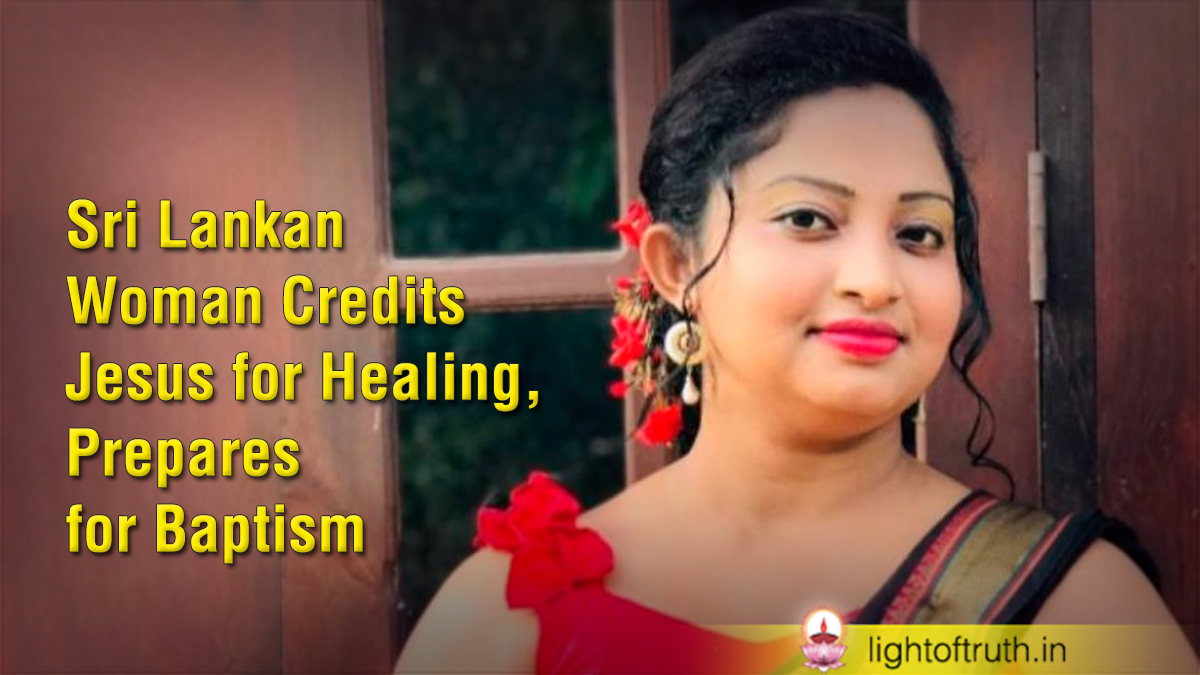
Sri Lankan Woman Credits Jesus for Healing, Prepares for Baptism

A 20-year-old woman from Sri Lanka says a remarkable healing from a long-term illness has led her to embrace the Christian faith.

Sachini Dilshani Weerakoon suffered for nearly eight years from a painful skin condition that caused open blisters on both her legs. Doctors said the wounds were linked to an autoimmune disease. Almost every month, more than 30 blisters would appear on her legs, often bursting into bleeding sores. The condition made it difficult for her to sleep, work, or travel, and she frequently experienced severe headaches.

In May 2025, however, the blisters suddenly stopped appearing. Weerakoon believes this was a miracle through Jesus Christ. “I believe Jesus healed my legs completely,” she said.

Now she is preparing to be baptized during the Easter Vigil on April 4 at St. Jude the Apostle Church in her village of Ashokapura.

Ashokapura, located about 225 kilometers north of Colombo in the Anuradhapura region, is mostly Buddhist. About 400 Buddhist families live there along with around 30 Catholic families. The Buddhist temple and Catholic church stand close to each other, and people from both religions often support each other’s religious events.

Weerakoon was born into a Buddhist family but was familiar with Christian practices from childhood. Her family often visited the church to light candles and pray for blessings. After marrying a Catholic two years ago, she began praying before the statues of Jesus and Mary at home and visiting the Marian shrine of Our Lady of Madhu Shrine.