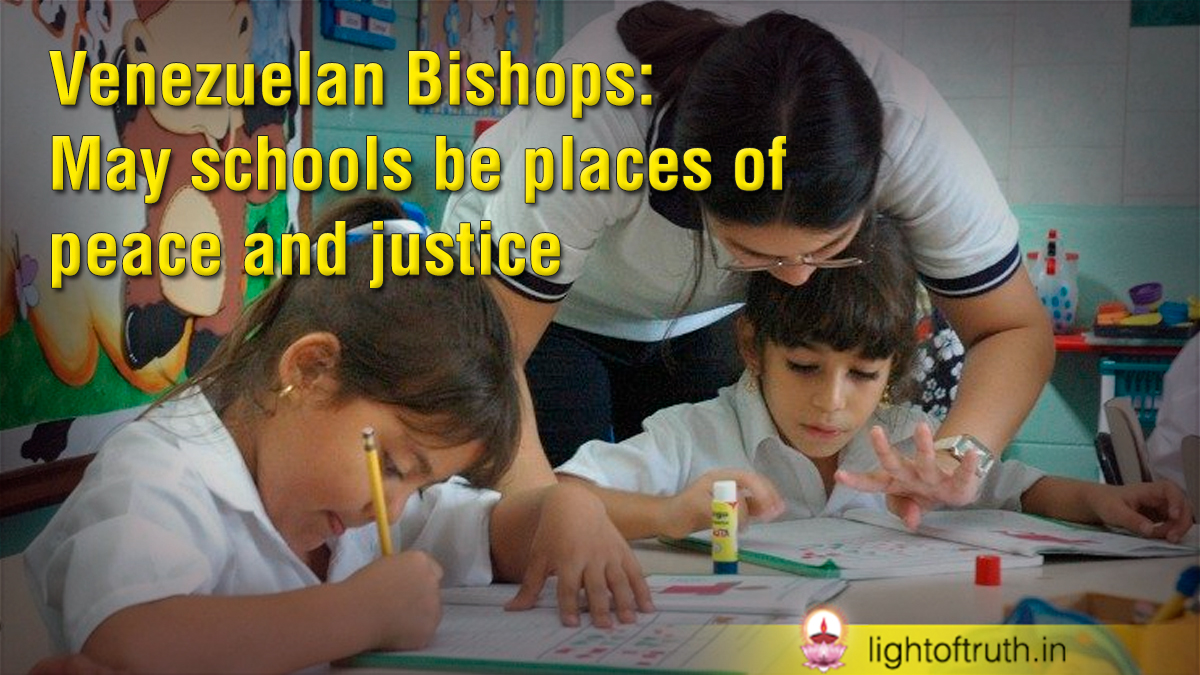
Venezuelan Bishops: May schools be places of peace and justice

The President of the Venezuelan Bishops’ Conference Commission for Education, Bishop Carlos Enrique Curiel Herrera, urges all children, adolescents, young people, and other members of educational communities to use the tools of study and learning to build harmony for the country.

“As we return to our schools in this new calendar year, our Commission wishes to send a greeting filled with hope to every teacher, every student, every family, and every member who makes up the entire national educational community,” said the Bishop.

The Venezulan Bishops, he added, want education to be a “space where peace and justice are strengthened, recognizing that, despite difficulties, the educational setting continues to be the most sacred place to sow the seed of faith, commitment to the values of justice, and the freedom that guide our existence.”

Bishop Curiel Herrera expressed his hopes that the Lord may accompany students and teachers “in every step that you will take; that His light, revealed in the Epiphany just celebrated, may shine in your hearts; and that the joy of this encounter may renew your strength to serve with evangelical faithfulness.”

The Venezuelan Bishops invited children and teachers to approach study and learning as “tools for building peace in the country.” “May the start of the school year,” concluded Bishop Curiel Herrera, “be an opportunity to listen to one another, discern God’s will, ask for concord and peace for Venezuela, and renew our commitment to keep our schools as safe spaces for building citizenship, democracy, justice, and peace.”
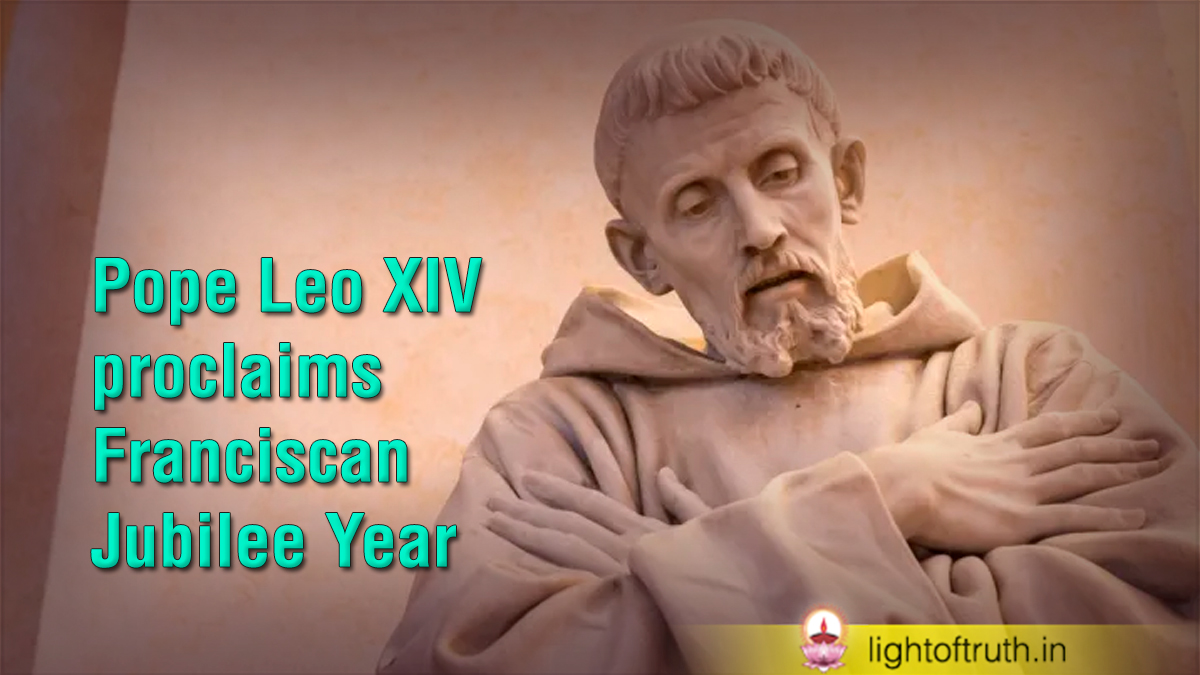
Pope Leo XIV proclaims Franciscan Jubilee Year

Pope Leo XIV has proclaimed a “Special Year of St. Francis” to commemorate the 800th anniversary of the saint’s death. During this time of grace, which will extend until January 2027, the faithful are granted the opportunity to obtain a plenary indulgence.

This Franciscan Jubilee Year, considered a gift for the entire Church and an occasion for authentic spiritual renewal, was inaugurated on Jan. 10 with a decree issued by the Apostolic Penitentiary of the Holy See.

Until Jan. 10 of next year, the faithful can obtain this grace under the usual conditions — sacramental confession, Communion, and prayer for the intentions of the pope — by making a pilgrimage to any Franciscan conventual church or place of worship dedicated to St. Francis anywhere in the world.

Furthermore, the elderly, the sick, and those who, for serious reasons, cannot leave their homes can obtain the plenary indulgence by spiritually joining in the jubilee celebrations and offering their prayers, pains, or sufferings to God.

In a world where “the virtual takes over the real, disagreements and social violence are part of everyday life, and peace becomes more insecure and distant every day, this Year of St. Francis spurs all of us, each according to our possibilities, to imitate the poor man of Assisi, to form ourselves as far as possible on the model of Christ,” the decree states.

The Pope highlighted that St. Francis reminds us that “peace with God, peace among people, and peace with creation are inseparable dimensions of a single call to universal reconciliation.”

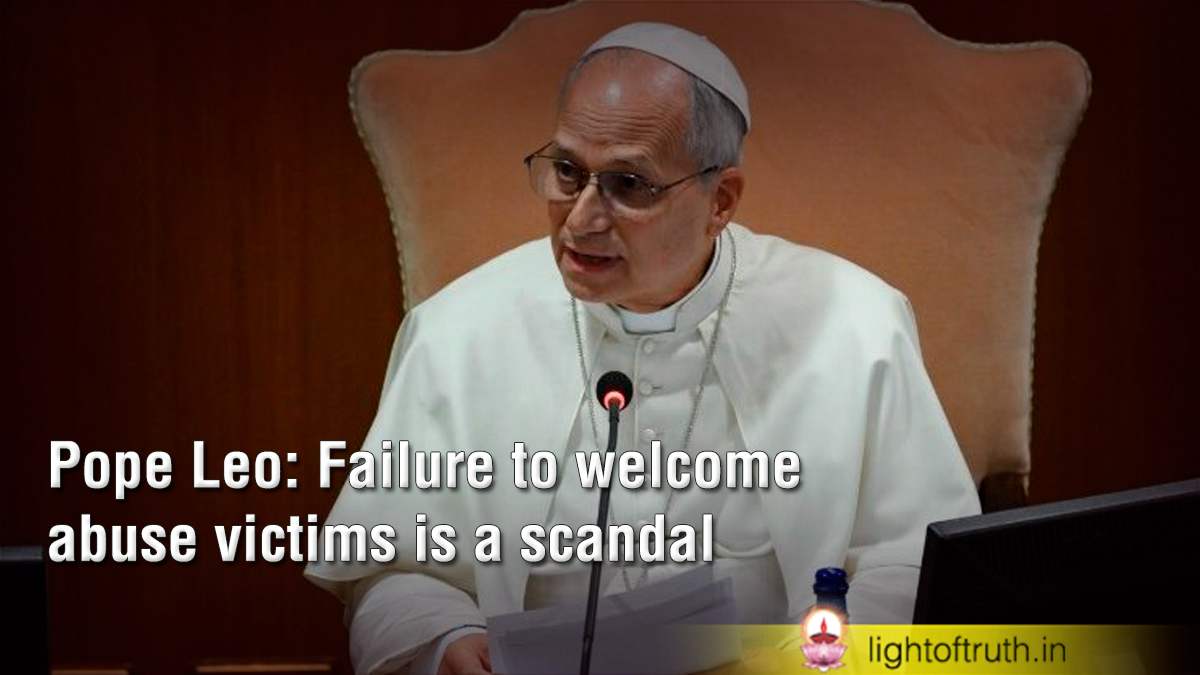
Pope Leo: Failure to welcome abuse victims is a scandal

Although it was not a specific topic of the Extraordinary Consistory held on January 7–8, Pope Leo XIV took the opportunity to speak to the roughly 170 cardinals—both electors and non-electors—about a problem that “remains a real wound in the life of the Church in many places”: the sexual abuse crisis. This is a topic Pope Leo, like his predecessors, has repeatedly highlighted in recent months. Even in the Consistory—focused on the themes of synodality and mission, chosen by majority vote of the cardinals—he did not fail to mention this issue. He addressed it in his concluding speech after the two day meeting, the full text of which was published on January 10.

In his address, the Pope stressed that “abuse itself causes a deep wound, which may last a lifetime; but often the scandal in the Church is that the door was closed and victims were not welcomed or accompanied with the closeness of authentic pastors.”

The Holy Father shared the testimony of a victim he had spoken with recently: “She told me that the most painful part for her was that no bishop wanted to listen”. There, Pope Leo said, “listening is profoundly important.”

Listening is also a necessary practice between the Pope and the College of Cardinals. For this reason, the Holy Father asked the cardinals to continue the work begun at the Consistory, to deepen mutual understanding, strengthen dialogue, and implement synodality. Pope Leo announced plans to “continue the meetings” in the future, possibly extending them to three or four days once a year. As some groups suggested, the meetings could consist of a day of reflection, prayer, and encounter, followed by two or three days of work. For this year, he scheduled a second Consistory at the end of June, near the Solemnity of Saints Peter and Paul.