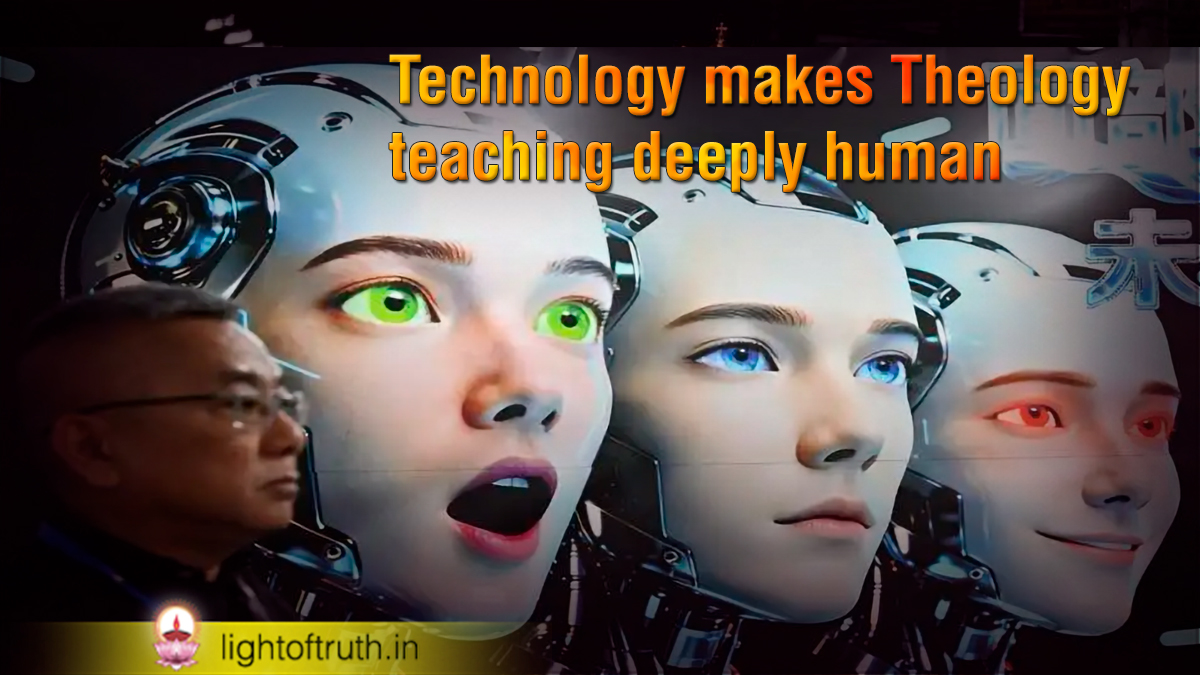
The mystery of the Incarnation, where the eternal Word enters human vulnerability, serves as a foundational reminder that God bridges the infinite gap to humanity through tangible presence and relationships. In our tech-saturated era, the central mission is to explore how artificial intelligence can enhance this teaching without eroding its deeply human core.
Far from replacing the warmth of a teacher’s voice, these tools can actually amplify the incarnational touch, making abstract truths feel personal and lived. Just as Jesus did not send a manual but walked dusty roads to meet people where they were, technology offers ways to personalize the spiritual encounter for diverse learners with varying needs.
Immersive tools like virtual reality allow students to transition from spectators to participants in biblical history, while AI acts as a gentle guide, tailoring theological lessons to individual reflections. This adaptability mirrors the intimacy of Christ’s ministry, meeting students in their specific struggles. Ethically, AI serves to democratize access to sacred wisdom, breaking down geographical and linguistic barriers to echo Christ’s outreach to the margins.
By automating tasks like summarization and resource curation, technology frees educators to prioritize the relational heart of theology—dialogue, prayer, and communal discernment. Ultimately, the integration of technology in faith formation is not about digital distraction; it is about using every available means to foster an encounter with the Word made flesh, ensuring that the story of salvation remains an accessible, vibrant gift for the entire human family in the modern age.