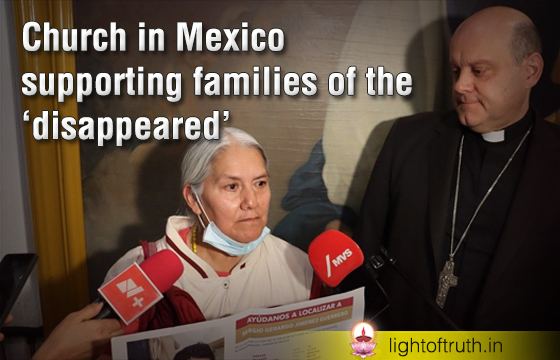
No longer relying on the State or police to find their missing loved ones, more than 200 groups of mothers and fathers, known as searchers, now dig with their own hands in vacant lots across Mexico. These families, living in anguish, act on anonymous tips about the locations of clandestine graves. Many such leads come through so-called “Peace Boxes,” installed in parishes throughout the country, where people can submit information anonymously. According to Mexico’s Ministry of the Interior, over 125,000 people have disappeared since 2006.
The Catholic Church, along with other organisations, accompanies these families in their pain and struggle, knowing that most of the disappeared have likely fallen victim to drug cartels or narco-political retaliation. Others may have been caught in the illegal human organ trade, which would explain the high number of young people, including children and infants, among the missing.
In March, national shock followed the discovery in Jalisco State of a site used by criminal groups as both a training ground and an extermination camp, complete with crematory ovens. Hundreds of charred human remains and over 1,800 personal items—including clothing, shoes, backpacks, and notebooks—were recovered at the so-called “Ranch of Horror.” Families were outraged to learn that police had previously dismissed the site’s significance. Mexico’s Episcopal Conference swiftly condemned the crimes as crimes against humanity, calling on authorities to break ties between drug trafficking and political sectors.
Bishop Acero, who in 2024 helped launch peace dialogues in Mexico, meets monthly with groups of searching mothers, creating spaces for empathy, mutual support, and the sharing of new
information.

From a Railway Platform to the Altar: Abandoned Child Becomes a Priest
Twenty-eight years ago, a frightened five-year-old boy was found alone at Shoranur railway station. He had no memory of his parents or a family to