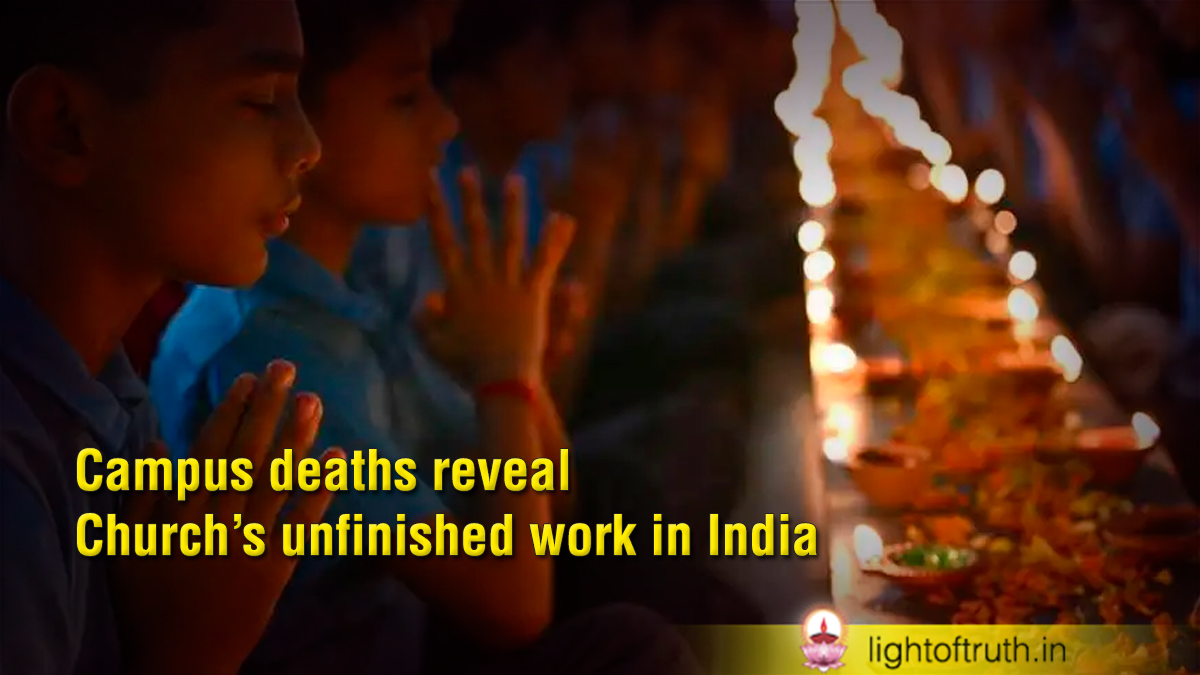
The regulations aimed to promote inclusion by requiring equity committees with representation from Scheduled Castes, Scheduled Tribes, Other Backward Classes, persons with disabilities, and women. While intended to improve institutional accountability, critics raised concerns that committees chaired by vice chancellors may struggle to challenge existing power structures. Church leaders have emphasized that caste discrimination remains a serious issue, even within Christian educational institutions. They recalled past demands for justice after student deaths linked to discrimination and stressed that denying rights to Dalit Christians is both discriminatory and unconstitutional. Religious leaders also urged the Church to speak more strongly when efforts to address inequality are portrayed as divisive.
Legal experts have offered differing views. Some political voices welcomed the Supreme Court’s stay, arguing it could reduce tensions, while others pointed to constitutional protections against discrimination and stressed the need to confront social inequalities openly. Studies show that caste-based exclusion continues across religious boundaries, affecting educational outcomes and contributing to higher dropout rates among marginalized students. Dalit Christians, in particular, face challenges as conversion often leads to loss of certain affirmative action benefits while social prejudice persists.
Church statements in the past have declared casteism a sin, but observers say implementation has been uneven. Some institutions have introduced independent anti-discrimination mechanisms and curriculum reforms, showing possible paths forward. Leaders say meaningful change requires stronger policies, independent oversight, and continued advocacy for marginalized communities.