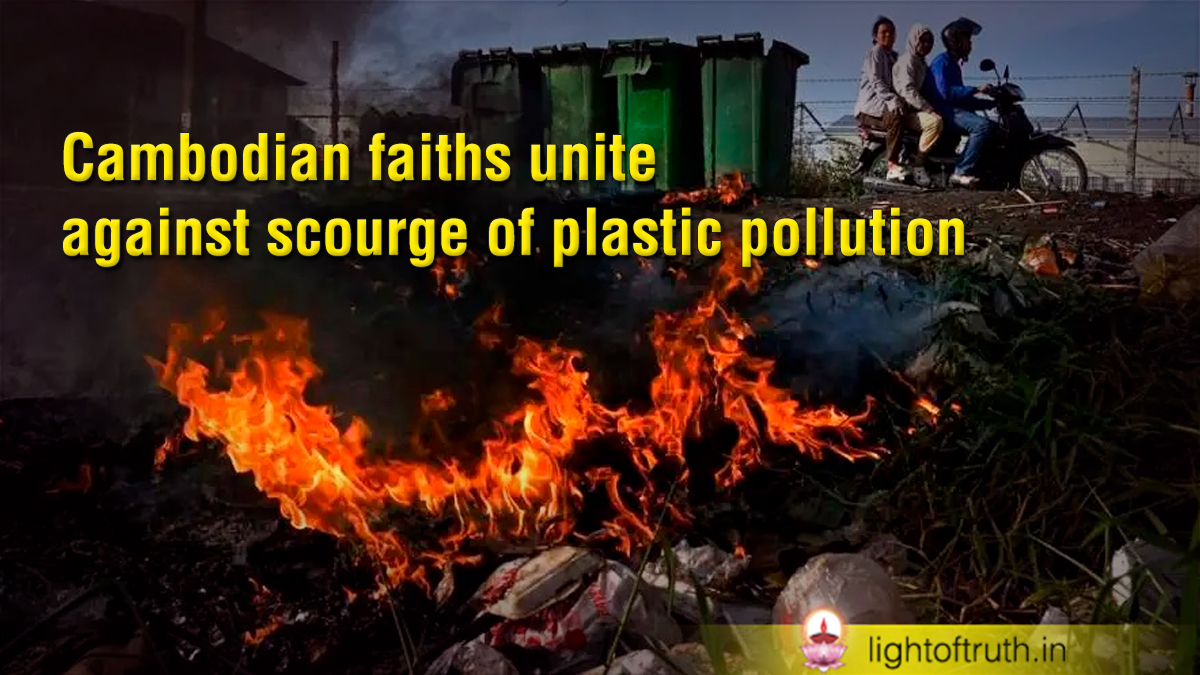
Cambodia is drowning in a flood of plastic waste — almost literally in some cases — fueled by rapidly growing consumption and economic growth, poor to non-existent rubbish collection, almost no recycling, and a lack of public awareness. The kingdom produces 32 kilograms of waste per person — 33 percent more than other countries around the world at a similar stage of development, according to the government’s Plastic Action Roadmap released on Jan. 20, which sets out a 14-year strategy drawn up in partnership with the United Nations Development Programme (UNDP).
Underlining the issue: Phnom Penh, a city of barely 2.5 million people, uses 10 million plastic bags a day, most of which are thrown away the same day. The Environment Ministry says the volume of waste in the capital alone more than trebled from 343,657 tons in 2007 to 1,058,500 tons in 2019. About 20 percent is single-use plastics such as plastic bags, straws, PET bottles and cups. “In 2022… only five percent of Cambodia’s plastic waste was properly managed, with less than two percent properly recycled. The remaining 95 percent is mismanaged, ending up in dumpsites, being openly burned, or leaking into the environment,” the Roadmap said. “Without urgent intervention, this crisis will continue to escalate, seriously threatening Cambodia’s ecosystems and public health.” The Roadmap plans to increase recycling by 52 percent and cut mismanagement — basically, improper disposal or treatment — by 74 percent by 2040.
Cambodia’s interfaith youth alliance has made this a priority and is working with local communities and organizations to promote awareness, conduct workshops, and help change the use and waste of plastic. The alliance of Buddhist, Christian and Muslim youth sees country’s waste crisis as a deadly legacy for future generations.
“We need to change the concept of using plastic,” says alliance leader Nhib Kimheang. “It is too easy to use and too easy to throw away without thinking of the effect,” she told UCA News. “It threatens the environment. And when people burn it, it pollutes the air and people choke. If Cambodia cannot cut its plastic waste, there will be a huge problem for the next generation. It is harming the ecosystem, reducing agricultural productivity, and harming food security and public health.” “It will also cost the country a lot of money if we don’t deal with the waste problem now.”